Service dogs are the most adorable animals on this planet. It is amazing how these dogs can undertake tasks such as picking something that has fallen, save a child from drowning, help someone who has anxiety and even help people who experience seizures. However, the ability of a service dog to undertake these tasks is dependent on how well the service dog training school trained it. As such, it is essential to do your due diligence and find a dog training school that is well known and has a good track record too.
Below are four cool things you probably never knew about service dogs;
1. Service dog training is an investment:
Like any other service, you also need to pay for a service dog training course. The puppies are trained as young as two days old. And, the training might take quite some time before the dog is considered fit to undertake the tasks. However, the end goal should be what motivates you. Having a dog that can help you cope with life is rewarding.
2. All service dogs are unique:
There is no specification of which dog can be a service dog; in fact, if not aware, it can be hard to identify one. Arguably, all dogs can be trained to become service dogs. They come in different breeds, colors, shapes, and sizes; the difference of their abilities comes in the tasks that a given dog can perform. Of course, you cannot expect a Chihuahua to perform heavy tasks such as pulling a wheelchair, but, it is possible for it to help someone with a seizure or PTSD. Therefore, the service dog training depends on the type of dog as well as the type of disability the dog is purposed to help with.
3. Service dogs are not pets:
Often, when you see someone strolling with a dog, we consider them as a pet. But, service dogs are not necessarily pets but rather service animals that are trained to help people with disabilities. However, in as much as they aren’t pets, they still need tender love and care. Ensure that they are well fed, bathed, and even goof around with them from time and again. Also, do not forget to take them to the veterinary for regular checkups.
4. There is no specific dress code for service dogs:
You might be thinking that since service dogs are not pets, there would be a uniform to make them distinct. However, that is not the case. Yes, some vests are designed to identify a dog as a service dog, but it is not necessarily a requirement. As the dog handler, however, it is advisable to purchase a vest for the dog in case you often access dog prohibited areas. The attire is simply an indication that the dog is not a pet but rather an assistant.
Conclusion
The points, as mentioned above, have at least given you an insight into what service dogs are. Remember, these dogs also need to be cared for.
I enjoy writing and I write quality guest posts on topics of my interest and passion. I have been doing this since my college days. My special interests are in health, fitness, food and following the latest trends in these areas. I am an editor at Content Rally.
All those who have watched “Marley and Me” know exactly what I am talking about when I mention pet parents and how a lot of couples think of being a pet parents before they become parents. Having a pet, whether you live with your family, with your spouse, or you live alone, can change your life in so many ways. Apart from the fact that your family has a new totally adorable and definitely the most photogenic member in your family that would make you want to shop for amenities and accessories from petsho, we have decided to work out ways in which having a pet can change your life and why you should definitely adopt one if you haven’t already.
1. For Practicing Parents:
Having a pet is parenting a child for as long as your pet lives. No pet ever grows up, and this is especially true for dogs. They will most definitely grow old, and there will come a time when they wouldn’t be able to jump about like they did when they were younger, when their eyesights will grow weaker, but they will always be your little child, only bigger in size. It is not an easy job to be a parent to your pet for all the years that they live, but every pet parents will tell you without a doubt that those years will forever be the best years of their lives. From toilet training to training your pet for food, everything involves not only ample mistakes that will remind you of all the good times you shared with somebody who loved you selflessly. Apart from helping you learn to be patient till your child grows up, having pets also give your child a constant friend in every little thing they do.
2. Pets as Therapets:
It is a well-known fact that pets have often been trained as therapy support for patients suffering from depression, autism, Alzheimer’s among the few issues people grapple with. They are known to not only help people de-stress, but also provide constant support and alert people if they are about to have a seizure.
3. Becoming More Active:
Having a pet will completely change your daily routine. Your day will revolve around that furry little family member who is now a major part of your home. There will be someone who will love you right from the moment you step onto the threshold of your house, someone impatiently waiting for your return. Your priorities will begin to change and you won’t regret any of it, because this won’t be a responsibility anymore. The unconditional love that your pets will have for you will make you value them and their presence. It is also the best way to adopt a very healthy lifestyle owing to the ways you might have to adapt to keep your pet healthy and fit. Apart from being trained as therapists, pets, in general, improve your health by their mere presence and the infectious energy they carry with them.
4. A Boon for Introverts:
Unlike those who are naturally outgoing and can easily socialize or often become the life of the party, having a pet can help you create a bond or a connection without the need for any verbal communication. It can also be a great way to socialize with people if you are naturally drawn to animals more than human beings, yet you want to hone your socializing skills. Having a pet makes it easier to begin any conversation.
5. Your Child’s Best Friend:
As mentioned earlier, pets often become great company for your children. Often, pets react differently around a new family member, especially if it’s a baby, where most of the attention gets diverted and irrationally divided. However, this can be the best opportunity for you to help your pet befriend your child. Having a pet not only will help boost your child’s immune system but will also be their forever lifeguard helping them around or protecting them and communicating in their own forms of gibberish.
6. Your Trip Companion:
This option comes with a lot of terms and conditions applied because unfortunately, not every place whether a cafe or a tourist spot is animal-friendly. However, there are a lot of locations and a lot of eateries that allow you to visit and spend some quality time with your loved ones and also introduce them to other people’s pets. A solo trip can often become a lot more fun, interesting and adventurous if you can take your pet along.
Having said all of these, it is true how wonderful and how drastically your life will change once you adopt a pet. However, it is also important to remember that this is a responsibility. It is always a good idea to weigh out the odds against keeping a pet before you decide to adopt one. They look forward to being a part of your family and more often than not, these pets are traumatized once they are abandoned. Always choose adoption over the purchase of a pet.
Read Also:
What Are The Best Hamster Toys For Your Pet?
Different Steps On How To Clean Pet Stains On Couch
There are many costs and lots of hard work involved in owning a pet, from vaccinations to house training and everything in between. But if you ask any of the pet owners, they do not mind at all. To them, a pet is not just a pet, but more like family. A loyal companion, people would love to groom, clothe, feed, and dote on at any and all cost. Fortunately, you can go to an online pet store and get all the pet supplies you possibly need with a simple click of a button.
But does this ability mean that it’s better to buy online than go to the nearest pet store? The growing sales of pet supplies online would seem to suggest so.
Online Pet Store: A Better Source of Pet Supplies for Pet Owners
More Choices, More Savings
One distinct advantage an online pet store has over a brick and mortar shop is variety. While the wares that can be displayed and sold in a physical store is limited by its space, online stores can offer virtually any pet supply you can think of, and in any brand.
Aside from the freedom of choice, an online pet store has no overhead expenses from renting a shop or paying employees, which means they can offer their products at a lower price. In addition, the sheer number of products competing online means pet owners almost always have access to cheaper pet supplies.
And with the money you would be able to save from not burning fuel due to frequent trips to a pet store, it’s safe to say that buying online would cost you less in more ways than one.
The Convenience of Buying in Bulk
Another advantage of purchasing pet supplies online is the ability to buy in bulk, which is difficult or inconvenient to do in a physical store. With online pet stores, you can buy pet supplies in bulk and have them delivered right at your doorstep.
This saves you not only money from additional discounts but the energy in carrying and transporting the pet supplies from the store to your home. Most importantly, you will save time from not making trips to the pet shop. This means more chances to bond with your furry friend.
Advantage of Auto-Shipping
Taking convenience one step further, you can avail of auto-shipping service, especially for dog food. This means you get reliable dog food delivery at an even more discounted price than usual. You can request a delivery schedule that can match the eating habits of your dogs to ensure you don’t get too much or run out either. If you’re away on vacation without your pets, you can arrange for the supplies to be delivered from the online pet store to wherever or whomever you entrusted your pets with.
More people are beginning to see the benefit of having animals for companions. A 32% increase in registration of licensed dogs alone, has been reported by the Agri-Food and Veterinary Authority in just under a decade. Along with an increase in the number of vet clinics, the number of stores supplying pet care products is increasing, whether online or not. This is a good thing for pet owners who would need all the help they can get from both online and brick and mortar stores to give their pets the total care that they need.
Read Also:
Celebrities and Their Pets: 5 Reasons Why They Love to Take Pictures With Them
Is CBD Oil & Edible Treats Safe for Pets – Dogs & Cats
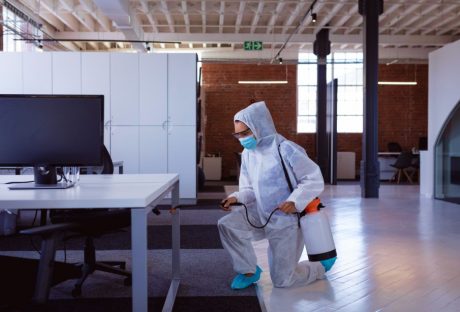
Imagine walking into your favorite coffee shop, ready to enjoy your morning cup of joe, only to spot a cockroach scurrying across the counter. Or perhaps you're meeting at your office when a mouse darts across the floor, causing chaos and distraction. Pest problems in commercial spaces can turn a pleasant experience into a nightmare for customers and employees. This article explores the challenges businesses face with pests and offers practical solutions to confront and eradicate these unwelcome guests, including contacting professional pest control services for expert assistance in managing infestations effectively.
Understanding the Impact of Pest Infestations in Commercial Areas:
Pests like rodents, insects, and birds can wreak havoc on commercial spaces. Not only do they pose health risks, but they can also damage property, contaminate food, and tarnish a company's reputation. For restaurants, retail stores, and hospitality businesses, a pest sighting can result in lost customers and negative reviews. In office settings, pests can cause distractions and stress and damage valuable equipment and documents.
Commercial areas such as offices, shops, restaurants, hotels, etc. are prone to pest infestations due to the presence of food, water, waste, and other attractants. Pests can cause various problems in commercial areas such as:
Damage to property, equipment, and inventory: Pests can destroy or contaminate various items such as furniture, electronics, documents, products, etc. by chewing, nesting, or defecating on them.
Loss of reputation and customer satisfaction: Pests can create a negative impression on customers, clients, employees, and visitors by affecting the hygiene, quality, and safety of the commercial area and its services or products.
Legal and regulatory issues: Pests can violate the health and safety standards and regulations that apply to commercial areas and expose them to fines, penalties, lawsuits, or closures.
Common Pests Found in Commercial Spaces:
Rodents: Mice and rats are notorious for finding their way into buildings for food and shelter. They can squeeze through tiny openings and reproduce rapidly, making them difficult to eradicate once they've established a presence.
Insects: Cockroaches, ants, and flies are common pests in commercial kitchens and food storage areas. They thrive in warm, moist environments and can contaminate food surfaces, leading to foodborne illnesses.
Birds: While birds may seem harmless, they can cause significant damage to commercial properties. Their droppings can corrode building materials, create slip hazards, and spread diseases like histoplasmosis and salmonella.
The Importance of Pest Control Measures:
Implementing effective pest control measures is essential for maintaining a clean, safe, and pest-free environment in commercial spaces. Prevention is key, and businesses should take proactive steps to seal entry points, eliminate food and water sources, and maintain proper sanitation practices. Regular inspections by licensed pest control professionals can help identify and address potential issues before they escalate into full-blown infestations.
It is extremely important that you take care of the health of not just yourself but all those working for you at the business premises. Pests can be highly dangerous and help spread toxic diseases. They can contaminate your food and drinks very quickly, which would, in turn, cause infections. You could choose less expensive options such as store-bought pesticides, but hiring a professional pest management control and inspection service can be the most beneficial method to get rid of them altogether.
Your workplace can be at risk of losing out on reputation and productivity if there are pests running loose. Employees usually perform less effectively if they feel they are working in an environment that is unsanitary and pest-infested.
Therefore, pest control measures are important to prevent or reduce the occurrence and impact of these problems. Pest control measures can be classified into two types: preventive and curative.
1. Preventative Pest Control Mesasures
Preventive pest control measures are those that aim to prevent the entry, establishment, or spread of pests in a given area. Some of the preventive pest control measures are:
Sanitation: Keeping the area clean and free of garbage, clutter, food scraps, etc. that can attract or provide shelter for pests.
Exclusion: Sealing or blocking the gaps, cracks, holes, or openings that can allow pests to enter or escape from the area.
Repellents: Using substances or devices that can deter or discourage pests from approaching or staying in the area.
Traps: Using devices that can capture or kill pests without harming the environment or non-target organisms.
2. Curative Pest Control Measures
Curative pest control measures are those that aim to eliminate or reduce the population or activity of pests that are already present in the area. Some of the curative pest control measures are:
Biological: Using natural enemies or predators of pests such as insects, birds, animals, etc. that can feed on or parasitize them.
Mechanical: Using physical methods or tools such as nets, screens, vacuums, etc. that can remove or destroy pests or their habitats.
Chemical: Using substances or agents such as pesticides, insecticides, rodenticides, etc. that can kill or incapacitate pests or interfere with their growth or reproduction.
Strategies for Confronting Pest Problems:
Seal Entry Points: Conduct a thorough inspection of the property to identify any gaps or cracks pests could use to enter. Seal openings with caulk or steel wool to prevent rodents and insects from gaining access.
Eliminate Food Sources: Keep food storage areas clean and organized, and store food in airtight containers to prevent contamination. Regularly empty trash bins and clean up spills promptly to deprive pests of a food source.
Maintain Proper Sanitation: Good hygiene practices are essential for deterring pests. Regularly clean and sanitize kitchen surfaces, floors, and equipment, and ensure that drains are clear of debris to prevent moisture buildup.
Implement Integrated Pest Management (IPM): IPM is a holistic approach to pest control that combines multiple strategies, including cultural, mechanical, and chemical methods. Businesses can effectively manage pest populations by incorporating methods such as trapping, exclusion, and targeted pesticide applications while minimizing environmental impact.
Possible Side Effects Of Pest Control In Office
Commercial space owners most often delay or hesitate to ask for professional help to get rid of pests because they are apprehensive about the side effects of it. But it is a happy thing to note that not all pest control has undesirable side effects. Some of the possible side effects that pest control has are:
Odor and irritation
Chemical exposure
Sensitivity in case of pre-existing health conditions
Health risks such as dizziness and headaches
Monitoring and Documenting
It is incredibly important to keep a record of all pest sightings and the necessary control measures that have been implemented. Their effectiveness must also be checked from time to time. Monitoring the shifts from time to time helps you refine the pest management strategy.
A proactive as well as comprehensive approach towards pest control is an indispensable step for all businesses. These steps will guarantee the good health of the employees, create a pest-resistant space, safeguard the company’s reputation, and also save you from facing potential financial losses due to pest-related damages.
Things to Keep in Mind While Choosing Pest Control Serives for Commercial Areas
Selecting a reliable and professional pest control service is crucial for maintaining a pest-free and productive commercial area. Here are some things to keep in mind while selecting pest control services for commercial areas:
Experience and expertise
Choose a pest control service that has adequate experience and expertise in dealing with the specific type of pests and the specific type of commercial area that you have. Check their credentials, certifications, licenses, and references to verify their quality and reputation.
Customized and comprehensive solutions
Choose a pest control service that offers customized and comprehensive solutions that suit your needs and preferences. The pest control service should conduct a thorough inspection and assessment of your commercial area and provide a detailed plan and proposal that covers the scope, methods, costs, and expected outcomes of the pest control intervention.
Integrated pest management (IPM) approach
Choose a pest control service that follows the IPM approach, which is an environmentally friendly and effective way of pest management. The IPM approach involves using a combination of preventive, curative, and monitoring measures that minimize the use of pesticides and chemicals and maximize the use of natural and mechanical methods.
Safety and sustainability
Choose a pest control service that ensures the safety and sustainability of the pest control intervention. The pest control service should use only approved and registered pesticides and chemicals that are safe for humans, animals, and plants.
The pest control service should also follow the proper disposal and recycling procedures for the pest control materials and waste. Also, the pest control service should also provide follow-up and maintenance services to prevent or reduce the recurrence of pest infestations.
Customer service and communication
Choose a pest control service that provides excellent customer service and communication. The pest control service should be responsive, courteous, and transparent in their dealings with you. The pest control service should also keep you informed and updated about the progress and results of the pest control intervention and address any issues or concerns that you may have.
Summing it Up
Pest problems in commercial spaces can have serious consequences for businesses, ranging from health and safety concerns to financial losses and damage to reputation.
By understanding the impact of pest infestations and contacting professional pest control services for expert assistance, businesses can implement proactive pest control measures to create a clean, safe, and welcoming environment for customers and employees. Remember, prevention is always better than cure when it comes to pests. So, don't wait until you have a pest problem – take action now to protect your commercial space from unwelcome guests.
Read Also:
How Pests Control Maintains The Aesthetic Appeal Of Your Home
10 Hidden Dangers Of DIY Pest Control