










The Essential Factors You Need to Consider when Installing Solar Panels

Published on: 06 December 2018 Last Updated on: 29 February 2020
solar-panels-943999_1920

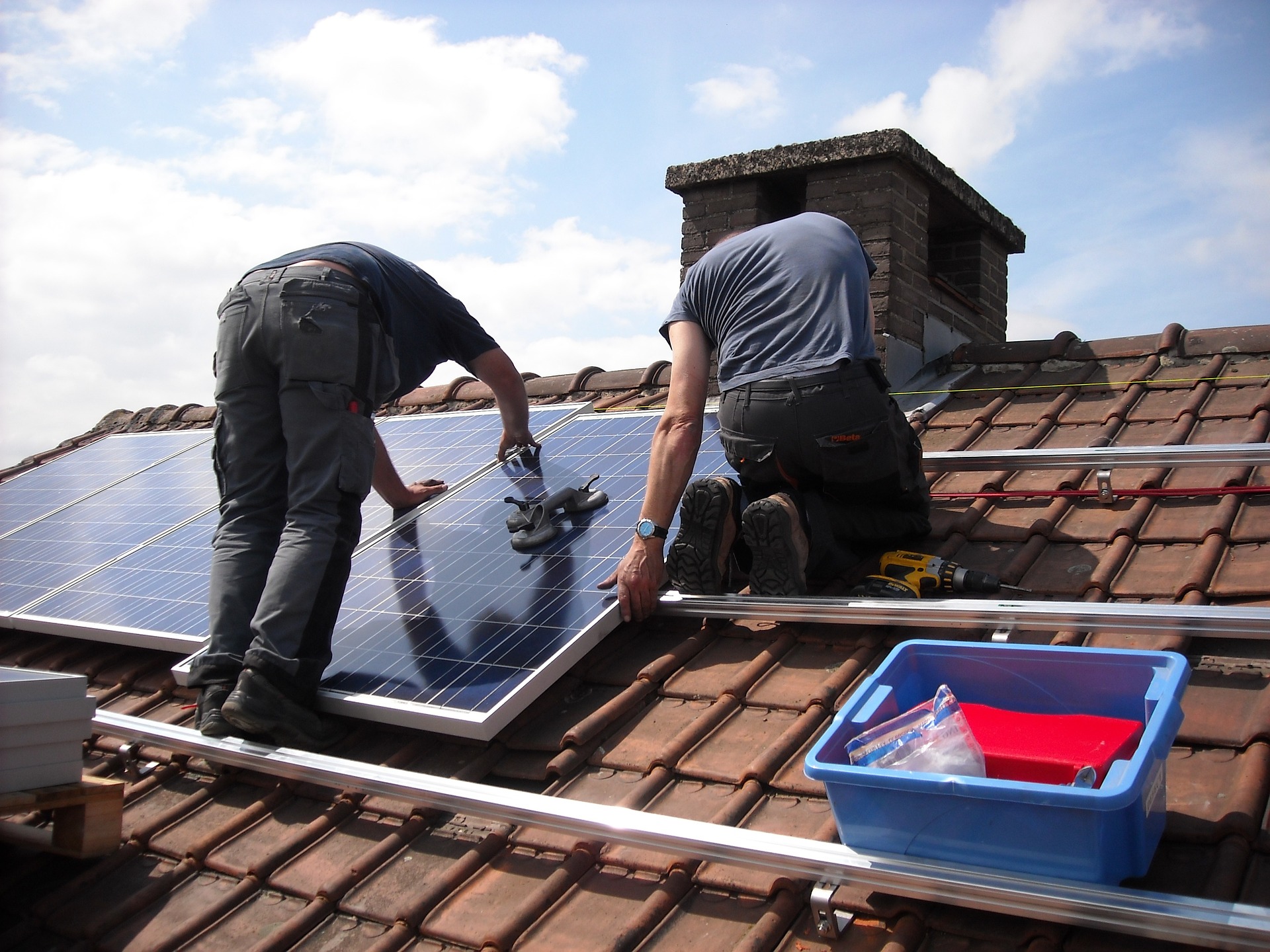
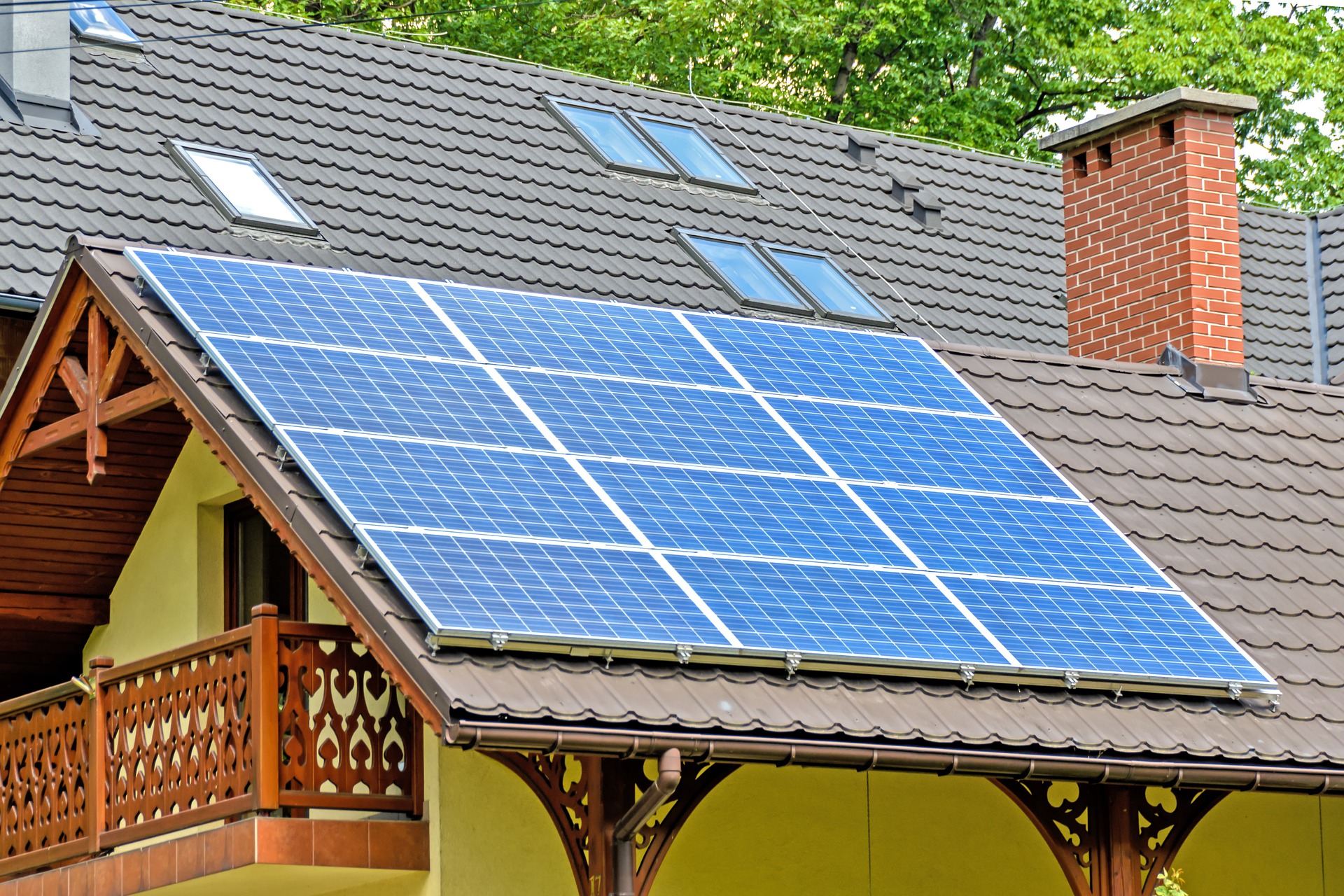
Solar panel systems have taken the world by storm, and it’s not just in ‘sunny’ countries like Australia where solar panel installations have become immensely popular. In the UK, more homeowners and householders are opting for solar panels as well, and the fact that the cost of installing your own solar panel system has gone down tremendously in the last few years has contributed to its popularity. But if you are thinking of having a solar panel system installed, there are some major considerations you need to think about as well. For one, solar panel installations need to be done in the proper way and with the proper accreditation in order for you to take advantage of the government’s Feed-in Tariff programme. What else do you need to consider, then? Here’s a list of the essential factors you need to consider when installing solar panels in your home.

The investment:

Truth be told, having a solar panel installation isn’t a cheap affair. It is an investment, and it’s best you know this from the start. But the good news is that the cost of a typical solar panel installation has already gone down by as much as 50% compared to the cost of a system eight years ago. But here’s the thing: while it’s not cheap, you are guaranteed to recover your investment over time, especially since your energy bills are going to be lower and you can even earn extra money through the Feed-in Tariff scheme. With the scheme, whatever extra energy you have that you don’t use can be sold back to the grid, and you will receive payments from the government every quarter for this.

The supply of energy:

Your solar panel installation will still work quite well even if you are in the UK, with its inclement and unpredictable weather. Of course, the system will work best during the sunnier seasons, but it doesn’t mean that it won’t produce energy whilst it’s winter time or when it’s cloudy. But while it is still within reason for you to expect your system to generate energy, even on cloudy days, you can never really tell how much the system will produce. What you can expect, though, is that your energy bills will definitely be reduced – sometimes by as much as 40 to 50%.

Where to place them:

The placement of your solar panels is of utmost importance as well, so you also have to consider this, as confirmed by the specialists in solar in Manchester from Atlantic Renewables. Whilst your solar panels don’t require direct sunlight to work, they will have to be installed by a professional, preferably one who is accredited by the MCS (this is so you can get your Feed-in Tariff). The location of the solar panels matter, and so does the angle of placement. Make sure other buildings or structures or trees don’t overshadow your roof; but if this is the case, you have the option to install your solar panels on the ground as well.

Read Also:
Content Rally wrapped around an online publication where you can publish your own intellectuals. It is a publishing platform designed to make great stories by content creators. This is your era, your place to be online. So come forward share your views, thoughts and ideas via Content Rally.

View all posts

Leave a Reply

Your email address will not be published. Required fields are marked *

Related

Installing A Greenhouse

What You Need To Know Before Installing A Greenhouse

If you decide to up your game in gardening by widening your space and growing more crops, plants, fruits, and veggies, it’s time to consider investing in a greenhouse. Nothing beats the convenience of harvesting organic ingredients and producing straight from your garden. Not only does this help you save money, but it also allows you to explore more variety of seedlings to grow.  Greenhouses are an excellent environment for fruits and vegetables to grow in their best state. Because of the safe enclosure, insects and external conditions cannot adversely affect their growth and condition. This safe haven ensures your plants' nourishment to reap the best quality of produce later on. However, before installing a greenhouse, you should acquire more knowledge and learn helpful techniques.  Here is everything you need to know before installing a greenhouse. Type Of Greenhouse Design  In order to buy or build a greenhouse, you first need to figure out how much-growing space you will need and what type of greenhouse design is best for you. You will have to continue using the same greenhouse for many years, so choose a size that will provide ample space for all the crops you wish to grow and care for. Opt for a reliable greenhouse company that includes installation services.   Purchasing With Installation Included  Some greenhouse specialists like Swgreenhouses.co.uk will include installation with your purchase, which means you don't have to worry about installing it yourself in your own garden, which can save a lot of worries.  Upon choosing the company or provider, don’t forget to seek advice on what type of greenhouse would best fit your needs and preferences. Here are two types to consider: Attached  A lean-to or attached greenhouse offers the advantage of not having to build all four walls. It can significantly reduce greenhouse construction or installation cost. Since the foundation is already within your house, the greenhouse will remain stable and sturdy. Many home gardeners choose this greenhouse option because it’s easier to construct and cost-effective. The ideal area in your home to install an attached greenhouse is to find a place with enough sunlight. Freestanding  The other option you can choose is freestanding greenhouses. It is the best bet if you want to place your greenhouse in different locations within your home. While they may require a heftier initial investment, you can see how cost-effective they can be in the long run since you can grow more plants in them.  It also enhances your curb appeal as they become an extended sanctuary of your home. You can add decor or furniture and keep your greenhouse an additional space to entertain guests or spend time with the family. Because of their multiple purposes, freestanding greenhouses can be an excellent investment. Consider The Plants You Want To Grow Another important step before constructing or installing your greenhouse is deciding the kind of plants you’ll grow. This will help you determine the requirements for growing them and guide you in designing the greenhouse. If you don't know what kind of plants to grow in your greenhouse, you can't properly plan the proper temperature or lighting. To care for your plants and vegetables, you have to factor in their sunlight and water requirement, temperature, humidity, and other factors. Choose plants that are matched to how your greenhouse can supply these elements. Also, note that you'll need to buy greenhouse tools, equipment, and accessories based on your chosen plants.  The good news is that you can grow any plant in your greenhouse. This is because the greenhouse's main benefit is that you can control all these necessary elements to keep your plants strong and healthy. But you will need to decide what types of species grow well together and keep your greenhouse successful and effective.  Whether you’re thinking of growing spiky plants that can be used to decorate houses or fruits and veggies that can be grown organically, the key is to be familiar with several plant species and their corresponding care requirements. After all, you'll be able to plan which plants can grow together if you have a broad understanding of the plants you're growing.  Choose Your Location  Choosing your location is important when deciding to invest in a greenhouse. If your greenhouse is near your home, you can visit and monitor it more often. However, if it’s a bit far, you might not be able to care for it frequently. Make sure it’s strategically located somewhere you or your family can easily access. When choosing the best location, the general rule is to select a place where the sun shines much longer and more often. Thoroughly study and assess your residence, and see where the sun rises and sets daily. Consider these factors when deciding where to install your greenhouse. Find an area where your greenhouse will have protection against strong winds and frost pockets in case these instances occur.  Light, Water, And Ventilation  Finally, you have to ensure that your greenhouse will have convenient power sources, water, and air ventilation. This will enable you to install lighting and water fixtures easily. Your greenhouse must meet some requirements regardless of style, size, or construction method. Consider the aspects below: Electricity  You can control temperature easier when you install fans within the greenhouse. Wire the outlets safely and securely, and acquire all permits when installing a greenhouse. Aside from using a commercial power supply, you can consider installing solar-powered panels to generate electricity for the lights necessary in the greenhouse.  Air Ventilation  Air ventilation can be increased through the use of indoor greenhouse fans. They help alleviate extreme temperatures and climates. Airflow prevents warm air from rising, whereas cold air gathers below near the plants without airflow. Install fans or roof vents to promote more ventilation.  Water   Your greenhouse must have water access. Many greenhouses use garden hoses that are attached to a nearby resource. However, you can also go for automated sprinkler systems, which can be scheduled or turned on manually without having to go through all plants one by one.   Conclusion  Your greenhouse investment will ultimately depend on you. You can do it yourself or hire professionals to install them successfully in your home. However, it’s crucial to know the details and aspects mentioned above to make your greenhouse construction project a breeze. Additional: Best Paying Jobs In Energy Smart House Technology for Saving Energy What You Should Know about Solar Energy for Schools Benefits Is The World Shifting Fast Enough To Renewable Sources Of Energy?

READ MOREDetails
Industrial

What are the Different Types of Industrial Power Solutions?

One fact of industrial production is that without power, nothing gets done. Machinery doesn't move, computers don't work and orders aren't processed and workers are idle. So it is obvious that a reliable, constant source of power is available to industry at all times. When it comes to deciding how that gets done, each company needs to start by asking what are their specific power requirements and how permanent it needs to be and what are the solutions available to meet those needs, usually by employing a specialized power company, such as APR Energy Power Solutions. While many permanent industrial facilities in America can count on public power grid infrastructure available in populated areas, more remote areas need to look at self-generating solutions to provide them with the energy they need to operate. So, assuming public power isn't available, the first question that needs to be asked is how permanent is the operation going to be. An industrial facility electric requirement can be categorized as: 1. Temporary (or interim) and emergency power Shorter-term projects can be done remotely and require a mobile solution to be in place to get the job done. Except for the emergency power situation (which would occur immediately to handle the power needs for the duration of the incident), interim power usually takes from 30 to 90 days to design and setup. This solution can be in place and used for a couple of months to many years into the future. This could include providing emergency power, temporary bridging power when a power plant is being repaired or a new one is being constructed, distributed electrical generation, etc. It can also operate at many different levels of generating support. Whether it only provides power during peak demand, as just standby power source, or being solely for the base-load prime supplier of power for the facility, suppliers of these systems can give that added flexibility to the total needs of their customers. Depending on the size of the operation, the equipment supplier can employ: Diesel, natural gas, or turbine generators and fuel tanks if required. UPS (Uninterrupted Power Supply) Systems. With UPS Batteries and Battery Cabinets Power Distribution Units Cooling units Automatic Transfer Switches Load Banks 2. Long-term power Generally, when permanent power plant facilities are being built, a longer-term temporary generating solution needs to be employed. This usually takes many years for a plant to be built, so the long term temporary design has to do the job that the permanent plant will do. This longer-term solution requires more specific planning to meet the demands of a larger operating facility. However, more permanence means that lower-cost sources of fuel can be added into the program such as natural gas, liquid natural gas, Liquefied petroleum gas (LPG), ethanol, kerosene, and naphtha. this is usually accomplished by using a turbine generator. These not only offer fuel flexibility but can run more efficiently and with a smaller carbon footprint. Usually, these facilities are supplied by the power company vendor and the equipment ownership is retained by that company. This means that the generating system can remain for many years, but will remain a straight business expense and not a capital investment to the company, simplifying the accounting process considerably. 3. Permanent Industrial power Permanent generating installations are required by many industries when they aren't planned to remove the equipment. Industries such as utilities, heavy industry, EPC companies, mining, oil and gas operations, and military organizations require ongoing power generation. As with the long-term solution, this more permanent industrial placement can take advantage of the latest and most efficient power equipment and control room technologies. The use of direct fuel pipelines to power the generators can be built for permanent reliability as well. But still, have the flexibility of using alternative fuels if necessary. So industrial organizations have many questions to answer before deciding how they will be supplied with ongoing power to run their business. Working with the power companies that are experts in this area is the best place to start. Careful planning and research at this point are critical for its future operational success. Read Also: 5 Technologies Disrupting The Construction Industry What Surprising Industry Is Helping Canada Get Greener? 5 Industry Examples Where Protective Machine Covers Are Put To A Good Use Top Reasons Why Profitindustry Has The Best E-Commerce Platforms For Your Box Subscription Business

READ MOREDetails
Electricity Rates

Follow These Simple Steps to Compare Electricity Rates Online

You may ask – “Why to bother comparing electricity rates?” Well, the majority of power supply companies in Australia are known for price differentiation. They have different prices for different customers. The rates also change with location. There are many reasons for such situations including: Electricity demand Cost of fuel Maintenance and operating cost of power companies Government regulations, etc. Hence, it is vital to compare the rates before you opt for one company. However, if you have not done so before, there is a high chance you are already paying high prices. Well, worry not as various websites have got you covered! Those dedicated websites can help you compare the electricity rates and plans of various companies across the continent and avail the best deal on offer. How to compare? The process to compare electricity pricing plans differs from websites. However, there are a few simple steps that are generally applicable. Note that, you can also compare gas plans as well. The steps include: Select the type of energy you are looking for: electricity, gas, or both. Enter your postcode. Select the type of property you own – house or business. If house, you may have to provide the number of residents. For example, 1 person, 2 to 3 people, 4 to 5 people, or more than 5 people. Provide some other information. Like, whether you have a smart meter, solar panels, etc. Select the electricity distributor in your area. Select the electricity provider in your area. Enter your recent electricity bill. You can skip this step though. In case you want to provide, you will have to input additional information like peak/off-peak rates, controlled load, etc. After you have entered all the information, hit the respective button to proceed. In the next page, you will get to compare electricity rates and plans of various power companies in your area. What to look for? Look for the following when you compare electricity plans: 1. Late payment fee: The charge you incur if you fail to pay the bill within the due date. 2. Payment processing fee: Some companies charge you a processing fee for each payment. They can also charge you an additional amount for payments made using a credit card. 3. Paper billing fee: You have to pay a fee for having a hard copy of your bill delivered to your home. 4. Tariff charge type: Electricity suppliers have either of the following: Single tariff – Fixed charges up to a particular limit (kWh). Charges increase after crossing this limit. Time of use tariff – Charges differ with time. Companies may have different charges for weekdays and weekends. Weekends may not have off-peak charges, unlike that of weekdays’. 5. Solar feed-in: If you have solar panels installed, you can get subsidies on your bills. Although low, solar feed-in charges can help you save some. 6. Green power: The amount of green power that you can opt for differs with companies. Generally, it ranges from 25 to 100%. So, easily compare electricity rates from these websites, and you might be able to save a considerable amount on your next bill. Read Also: How To Save More Money? Portable Generators: 5 Ways To Keep Them Clean And Running

READ MOREDetails