- Choose one audience, one primary outcome and a story you can support.
- Prepare the evidence and source material before pitching publications.
- Review meaningful responses and coverage quality rather than activity totals alone.
A small team does not need a large campaign calendar to start digital PR. It needs a story worth investigating, evidence that can be checked and enough time to approach the right publications thoughtfully.
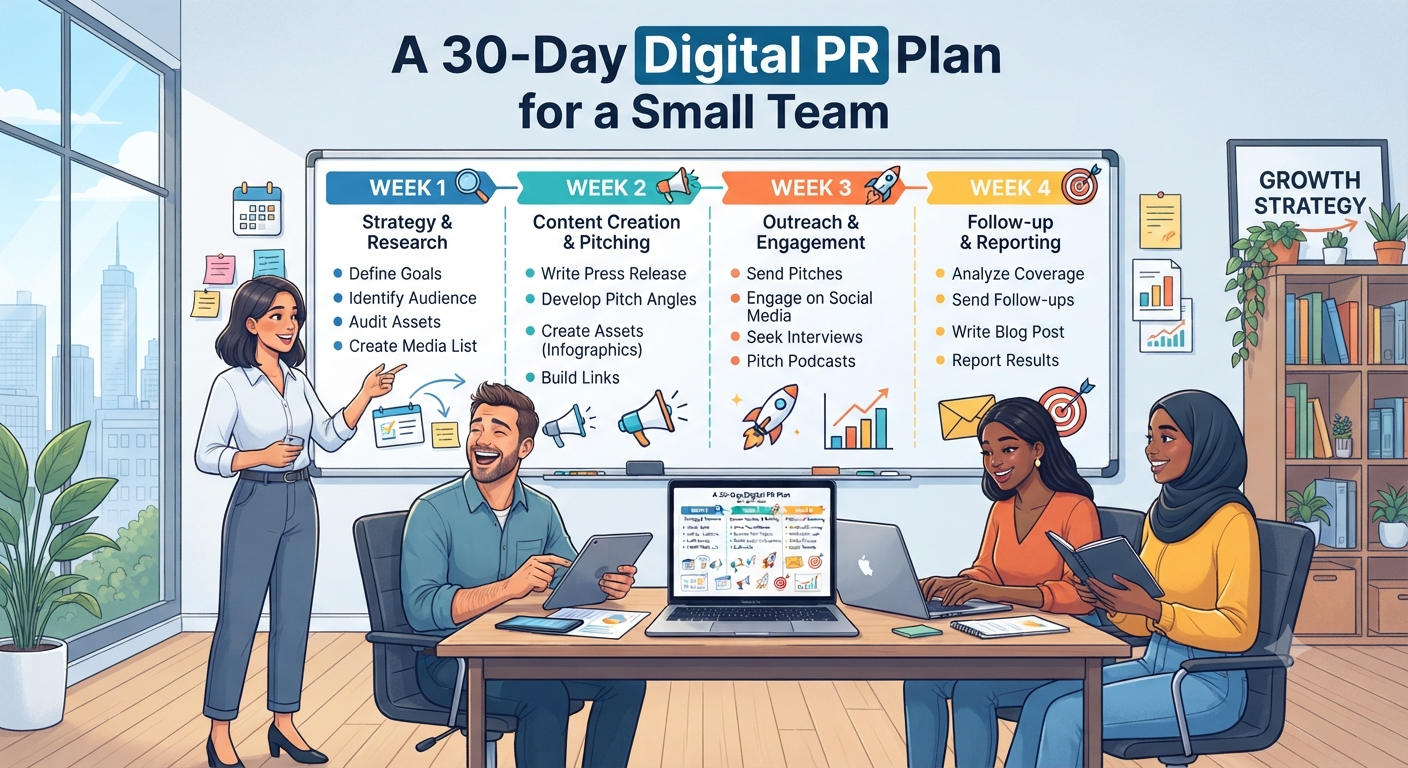
The 30-day framework below is a suggested working schedule. It is not a promise of coverage, traffic or sales. Adjust it to your subject, approval process and the publication schedules of the outlets you approach.
Define the campaign before choosing a tactic
Write a brief that answers four questions:
- Which audience do we want to reach?
- What will that audience learn from our story?
- What evidence or expertise can we provide?
- What outcome would make the work worthwhile?
A product launch alone may not explain why a publication's readers should care. Look for a concrete problem, a useful finding or an informed perspective connected to your work.
For example, a hypothetical business might examine recurring mistakes in a process it understands well, then share a documented checklist. Only describe it as research if the collection and analysis actually support that description.
Days 1–7: Research the audience and story
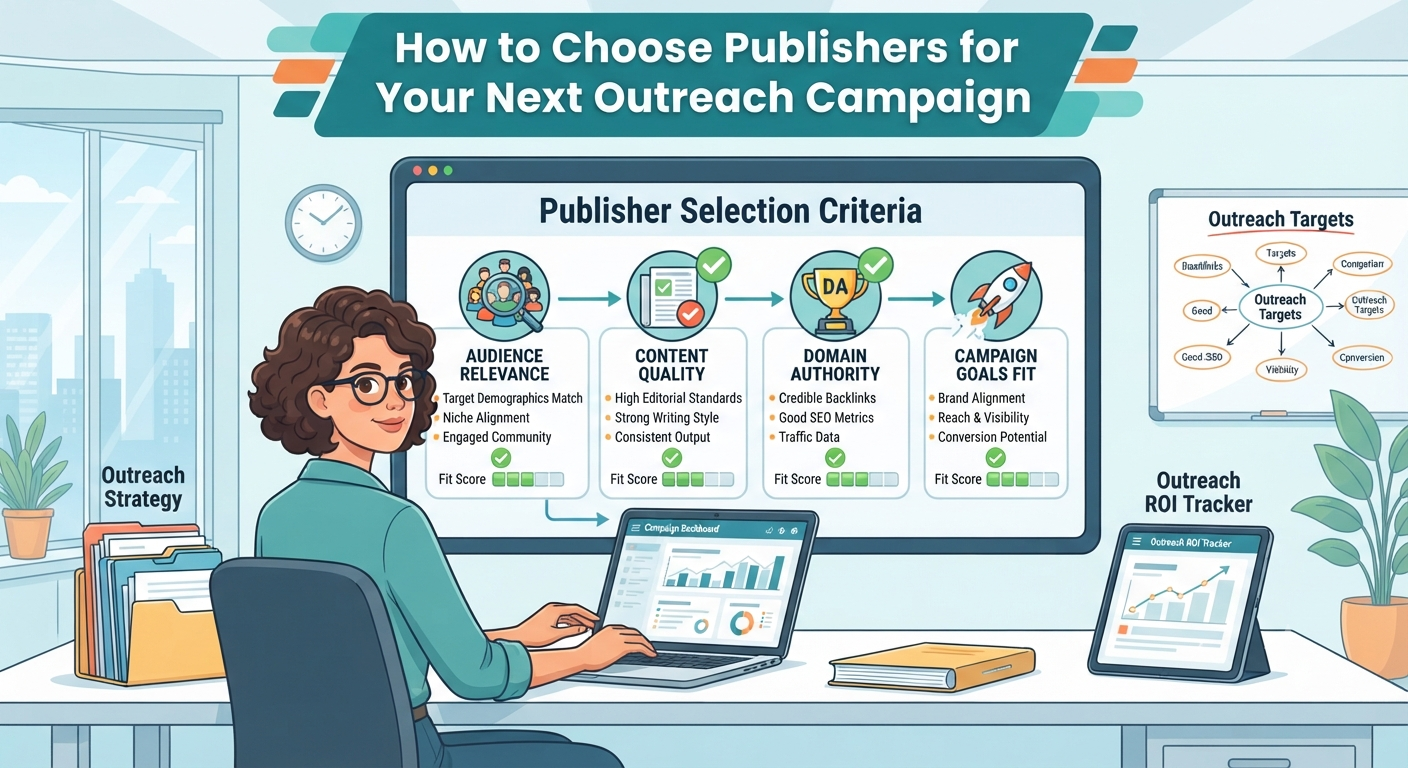
Choose a narrow audience and read the publications that serve it. Identify subjects they cover repeatedly, questions they leave open and formats their readers appear to value.
Build a research queue in the ContentRally publisher directory. Use niche and country filters to narrow your work, then inspect the publications themselves.
For each potential target, record:
- A relevant section or recent article.
- Why the proposed story fits its readers.
- The appropriate submission route.
- Any timing or editorial requirements.
- Questions you must resolve before contacting it.
At the end of the week, choose one main angle. If the idea requires evidence you do not yet have, narrow the claim or change the story rather than stretching the facts.
Days 8–14: Prepare material an editor can use
Create a concise source document with the main finding or argument, supporting material, relevant dates and the person available to answer questions.
Different stories need different evidence. A survey needs a clear explanation of who responded and how the questions were asked. A case study needs permission to share the details. An expert-led guide needs a contributor with relevant experience and examples that can be checked.
Prepare the supporting assets:
| Asset | What it should contain |
|---|---|
| Story summary | The central idea and why it matters to the intended reader |
| Evidence notes | Sources, methods, dates and limitations |
| Contributor details | Accurate role, relevant experience and availability |
| Visual material | Images or charts you can share, with captions and source information |
| Landing page | A useful destination that explains the underlying material |
| Pitch outline | A short proposal tailored to each publication |
Review every number and quotation. Do not use a chart to suggest a trend that the underlying data cannot establish.
Days 15–21: Pitch a focused shortlist
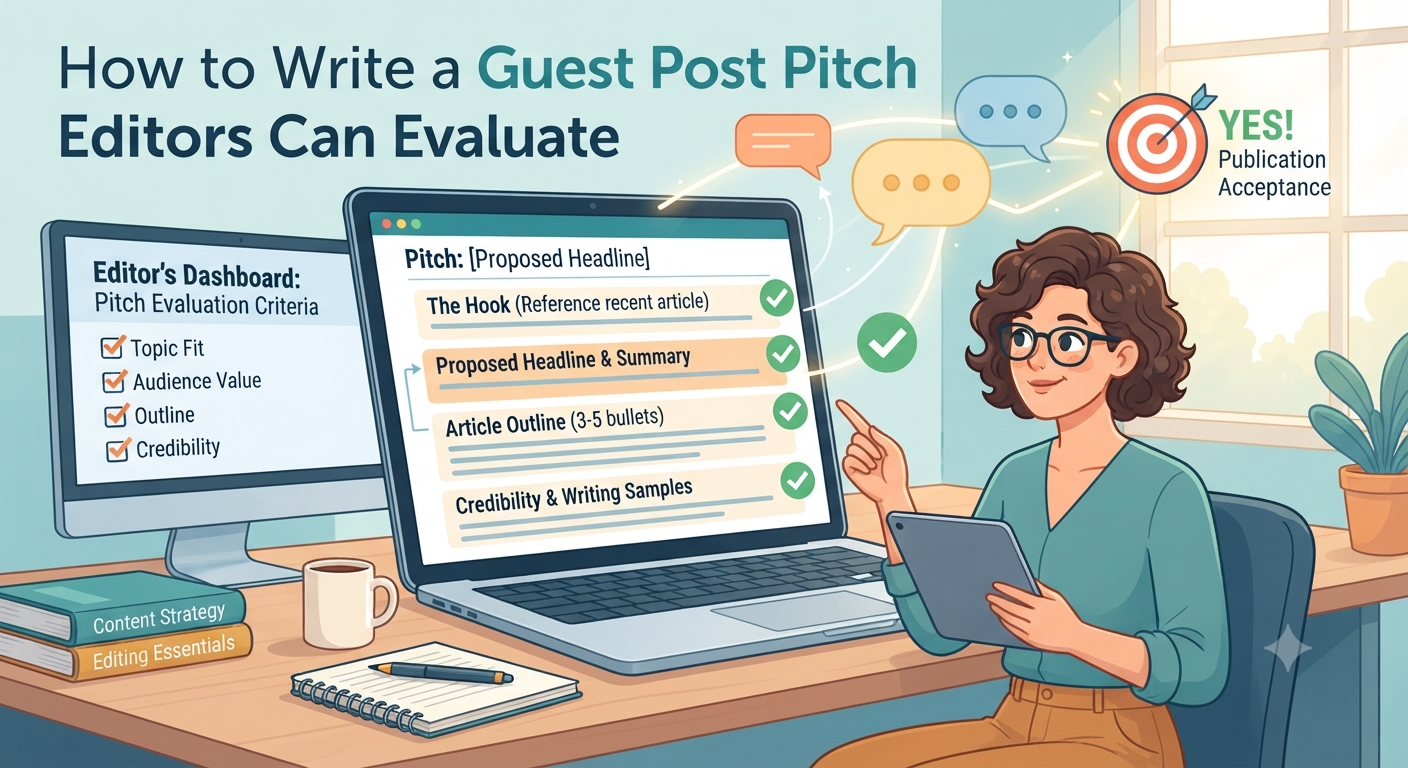
Approach the strongest audience matches first. Adapt each pitch to the publication's actual coverage rather than replacing only the editor's name in a generic message.
Lead with the story and its relevance. Explain the evidence briefly, link to material that is ready to inspect and offer a specific next step, such as an interview or fuller outline.
Keep one shared outreach log. Record the publication, contact route, pitch date, angle, response and agreed action. This helps avoid duplicate messages and makes handovers possible when someone is away.
If you offer an exclusive, define exactly what it covers and for how long. Do not offer the same exclusive to multiple publications at once.
Days 22–30: Respond, review and learn
Make time for editorial questions. An interested response may lead to requests for additional evidence, a different angle or a contributor interview.
Follow the publication's stated response guidance. If you send a follow-up, keep it useful and stop after a clear decline. Silence is not an agreement to publish.
When coverage appears, check names, quotations, factual claims and links. If something is wrong, send a precise correction request with supporting evidence. Thank the editor without making future coverage an expectation.
Measure the outcome you chose
Separate activity from results. The number of pitches sent shows effort; it does not establish that the campaign reached the right people.
Useful review questions include:
- Did the publications responding match our intended audience?
- Did the coverage communicate the central idea accurately?
- Did relevant visitors reach our site, where our analytics can measure that?
- Did enquiries mention the coverage?
- Which questions or objections should change the next campaign?
Use actual analytics and enquiries rather than estimating results from publication size. Record attribution limits: a visitor or sale may have been influenced by more than one interaction.
Keep the next cycle smaller and better informed
End with a short review: what you tried, what happened, what remains uncertain and what you will change. Preserve successful research and remove contacts or angles that proved unsuitable.
Use ContentRally's category pages to discover relevant publisher groups for your next research cycle. A useful campaign process helps your team repeat sound decisions even when a particular story does not earn coverage.