Published on: 15 December 2020
Last Updated on: 03 June 2026
“You can have anything you want in life if you dress for it,” said the famous American costume designer, Edith Head. The professionals responsible for influencing people’s dressing choices are the coveted fashion designers we all love to draw inspiration from. However, the fashion industry has come a long way – no longer is it dominated by fashion designers. If you’re also looking to enter this industry, you can opt for different fashion design courses based on your unique sensibilities, as discussed below.
Fashion designing
In short, the art of designing beautiful clothes and relevant fashion accessories comes under fashion designing. Looking at the work of famous fashion designers, students of these courses are given a thorough understanding of designing clothes that meet the cultural needs of their time and are at the same time, in line with the latest trends.
Under fashion design short course from reputed institutes like the Pearl Academy, students learn a whole lot about the different technical aspects of fashion designing such as freehand and digital sketching, color palettes, mixing and matching styles, knowledge of different textiles and how each drapes on the human body, history and evolution of fashion, trends within the industry, secrets of top fashion designers, and more. Using a fashion design course, students can make a successful career as a fashion designer or other products' designer, such as footwear, headwear, jewelry, and other accessories.
Visual merchandising
Where fashion designing courses teach students the art of designing original and influential designs, visual merchandising courses offer deep insights on making these designs attractive in the eyes of the brand's target audience via various brand promotional strategies. These courses provide students knowledge on implementing different creative marketing strategies, strategic store displays, window signs, and even interior product placement, source and manage inventory on a budget, and more.
From brand managers to retail buyers and even visual merchandising bloggers, the career prospects for those having pursued this course are far and wide. These professionals are hired by marketing agencies, fashion stores, theatre companies, jewelry stores, and more.
Textile designing
Textile designing is a highly technical field wherein students are taught the art of creating designs for all kinds of fabrics – printed, woven, knitted, or surface ornamented fabrics, along with dying and embroidery. Students of this course will learn how to design fabrics based on their type and use. These designs can be for a certain body or space, and while textile designers are free to allow their imaginations to run wild, they still need to stay within the technical boundaries set by trends, culture, and of course, demand. Textile designing courses offer students a good eye for color, texture, and fabric patterns as well as different techniques of processing textiles.
Textile designers are often in high demand among garment and textile export houses, branded fashion showrooms, boutiques, retail outlets, textile manufacturing units, among others.
Fashion photography
Belonging to the umbrella of fashion communication, fashion photography is an exclusive genre of photography that deals with the display of clothing items and other accessories such as jewellery, headwear, even nail art, makeup, and hairstyles. Easy as it may appear, this field is all about showing the clothes and fashion accessories in such a manner that the particular brand’s products appear to be enticing to its target audience. Fashion photography students learn more than creative photography; they learn how to balance creativity with the brand’s business goals for promotional purposes.
Fashion photography is a highly lucrative career option involving different sub-niches such as catalog photography, editorial photography, high-end and street fashion photography, and more.
The world of fashion is advancing at an unparalleled rate. And where once only fashion designers reigned supreme in the industry, the fashion design industry has opened its doors wide for other successful fields worth exploring.
Read Also:
Content Rally wrapped around an online publication where you can publish your own intellectuals. It is a publishing platform designed to make great stories by content creators. This is your era, your place to be online. So come forward share your views, thoughts and ideas via Content Rally.
In sports, one might associate artistry with something other than athleticism.
Yet, when you truly ponder about it, there's a striking resemblance between the two, predominantly in the form of the jerseys that athletes don. From the vibrant patterns and color palettes to the intricate designs and brand logos, jerseys are much more than mere sportswear.
They are a statement representing a team, an individual, and sometimes an entire culture. Moreover, they can be a canvas where artistry and athleticism intersect. As fans are keen to buy a Lebron jersey, let's dive into the rich tapestry of jerseys' artistic potential.
The Connection Between Art and Jerseys
The allure of sports jerseys lies not only in the name and number of the player printed on them but also in their unique designs. These designs tell a story, convey a message, represent a certain ethos, and evoke a particular emotion. As an artist paints on a blank canvas, the designers create a unique narrative through the artwork on the jerseys.
For example, the jersey of a football club may display the city's skyline or historical symbols, thereby representing the city's identity. On the other hand, a basketball jersey may use vibrant colors and abstract patterns to signify the team's energy and dynamism. Through such artistic representations, jerseys become more than just sportswear—they transform into wearable art.
Customization: Personalising Your Canvas
With the advancement of technology, it has become possible for individuals to personalize their jerseys, allowing them to express their unique style and taste. They can choose the color palette, incorporate patterns, and even include personal logos. This customization process turns the jersey into a personalized canvas where individuals can portray their creativity.
One of the popular trends in jersey customization is the incorporation of pop culture references. Fans often design jerseys that pay homage to their favorite movie, TV show, or music album. For instance, a fan might design a jersey with artwork or a quote from the film "The Lion King" or the TV show "Game of Thrones." Such unique designs allow fans to show their love for their favorite pop culture elements and make their jerseys stand out.
Jersey Art: Beyond the Sports Field
The artistic potential of jerseys extends beyond the sports field. In recent years, there has been a surge in the popularity of jersey-themed art exhibits, where artists use jerseys as their medium to create stunning artwork.
Artist-Collaborated Jerseys:
Many sports teams have collaborated with renowned artists to create limited-edition jerseys. These artist-collaborated jerseys offer a unique fusion of sports and art, making them highly coveted among fans and enthusiasts. The artwork on these jerseys ranges from abstract patterns and graffiti to traditional art forms, providing a unique platform for artists to showcase their talent.
Jersey-Themed Art Exhibits:
These exhibits feature jerseys transformed into breathtaking artwork. The artists use various techniques such as painting, embroidery, and digital art to turn jerseys into a piece of art. These exhibits highlight the artistic potential of jerseys and push the boundaries of what can be achieved with this unique canvas.
The Emergence of Eco-Friendly Jerseys:
Another exciting development in the world of jersey artistry is the introduction of eco-friendly materials. Many sports teams are becoming increasingly conscious of their environmental impact and exploring sustainable jersey options. From using recycled materials to embracing plant-based dyes for their designs, these initiatives reflect a growing commitment towards sustainability in the sports industry.
Technological Advancements in Jersey Design:
With the advent of new technology, jerseys have the potential to be more interactive and immersive. Imagine a jersey that changes its design based on the wearer's mood or a jersey that displays real-time stats of a player during a game. While these ideas seem far-fetched, they are not completely out of the realm of possibility, given the current pace of technological advancement.
The Future of Jerseys as a Canvas
The use of jerseys as a canvas is a trend that will likely continue and evolve. As more artists and designers realize the potential of jerseys, we can expect to see more innovative and creative designs. Furthermore, with the growth of digital technology and the rise of virtual reality, there's potential for digital jerseys that can display moving images and interactive elements.
The future holds exciting possibilities for jersey design. In a world where individuality and personal expression are valued, the idea of personalized jerseys as a wearable canvas will undoubtedly gain more traction. As the realms of fashion, art, and sport increasingly converge, we may also witness an emergence of designer sportswear lines, creating an even more symbiotic relationship between these spheres.
Read Also:
How To Pick The Best Towels
Misconceptions about Elevator Shoes for Men
What to Buy To Dramatically Improve Your Footwear Game
How long do gel nails last? This is a question that does not seem to have a concrete answer. Some say gel nails from a professional nail salon will last up to a month, but most of us have found that does not seem to be the case.
For most people, the standard amount of time is about two weeks between manicures, and there are things we can do to help your gel nails last that long.
Read on for more information on ways you can make your gel nails last as long as possible. And know the hidden answer to how long gel acrylic nails last.
How Long Will A Gel Manicure Last?
Most experts agree that a gel manicure can last, at the longest, two weeks without having a detrimental effect on the overall health of your nails.
Even if your manicure still looks great after two weeks, you do have a risk at that point of damaging your nails if you continue to keep the same gel nails on at that time.
Keep in mind the polish on your gel nails tends to continue to cure when it is exposed to ultraviolet light rays, including the ones you get from the sun. So the answer to how long gel nails last lies in your manicure maintenance process.
You really should head to your favorite manicurist every two weeks so they can gently remove your nail polish without stripping your nails or causing damage to them.
How To Help Gel Nails Last Longer?
There are several ways you can keep your gel nails looking great for the entire two weeks, and we have listed several in our detailed list below. All are the components for the answer of how long gel nails last.
1. Cuticle Oil Is Important
Cuticle oil is more important than most people realize. You should definitely have some on hand at all times and use it regularly since it will not only hydrate the cuticles of your nails, but it is a great oil to condition your nails and leave them stronger so that you will have less breakage and chipping.
This will also help you avoid having brittle nails. You should use cuticle oil two times every single day for the best results.
2. File Them Often
Much like pantyhose or tights, if you nick them on something but do not take care of it right away, you will end up with a huge run down your leg.
The same scenario holds true with your nails, which means if you get a nick in one of your gel nails, you should smooth it out right away by using a buffer or a nail file to stop it from splitting, tearing, or chipping and ruining your manicure before it is time to have a new one.
You can even keep a mini nail file in your purse or handbag so that it is readily available to you if one of your nails is nicked when you are out and about.
2. Top Them Off
After you've repaired a nick in your nails by filing it down, so it doesn't become worse, it is a great idea to put on a layer of topcoat over your manicure to protect it even more. So without applying the maintenance tips, the question like how long gel nails last have no value.
This is a good idea to ensure that your nail technician uses a topcoat when you first get your manicure to help prevent nicks from happening in the first place.
3. Dry Is Better
Even though gel nail polish does not chip as easily as the polish used in a classic manicure, it is still important to protect your nails to keep them looking their best for two weeks.
One of the things that you need to do is keep your nails as dry as possible, which can include donning a pair of rubber gloves while you clean your bathroom or wash the dishes.
Changing the environment of your nails from dry to wet and back again can break down the gel polish and cause chips in your nails. You should always keep your hands and nails as dry and clean as possible. This is the secret answer to how long gel nails last.
If you are an avid swimmer, you may want to opt for a different type of manicure that will last longer since your nails will be exposed to water and moisture much more often than people who do not swim on a regular basis.
Recommended Wait Time Between Gel Manicures
I think you already get the answer to how long gel nails last. And when you have to revisit your nail stylist again. Basically, the amount of time you let pass between your gel manicures is up to you.
While some people go straight for years with a gel manicure on their nails at all times, others like to give their nails a chance to breathe and reset in between each manicure or after so many manicures in a row.
It really comes down to your own preferences and how well your nails do if you constantly have gel nails on them over time.
Read Also:
How To Dress For A Bridal Shower?5 Tips to Give your Hairstyle a Perfect LookTips And Suggestions On How To Wear Cocktail Dresses
Women’s panties have gone through more than a dozen revolutions. From the traditional, full grannies to the skimpiest of bikinis, these helpful undergarments have become a massive and surprising industry in the world of fashion. The bottom wear that is always in the line of fire is the g string, which is a part of the thong family. It is a bit skimpier than a traditional thong but has more coverage compared to a regular bikini. The main undies’ fabric is light and soft, with thin elastic bands holding them up.
There is a decade-long debate on this widely misunderstood bottom-protecting wear. (And to be honest, it may never end.) Most women find it sexy. Others find it uncomfortable. Some people see it as an affront to feminism. But at one point in time, most women dreamed of owning one because sporting these undies does have advantages.
Here are 5 Advantages of Wearing a G String:
Image Credit: Alibaba.com
1. G strings are comfortable:
Feeling comfort is a gift. It makes you poised and assertive in your day-to-day life. So if you are not used to wearing thongs, you would probably think that having one on is like having a wedgie the whole day. But most wearers swear by their comfort, especially during hot summer days. Going almost bare-butted may feel awkward on your first try, but you will love it after a couple of minutes.
2. There are no visible panty lines:
Are you fond of tight pants, skirts, and dresses? Then you know that wearing a full panty will always result in very noticeable lines, even for one that claims to be seamless. And worst of all, the textile bunches at the places you least expect. Regardless of the reason, there are times when you would want your behind to look perfect. A g string will help accentuate your bottom since there are no lines to dampen the view from behind.
3. It makes you feel fresh:
Thongs are intended to be small pieces of fabric and are usually soft and breathable. It can be your best friend on a warm day, as it will allow your skin to breathe and sweat when necessary. You will be able to feel the breeze through your clothes, so it will make you feel relaxed and refreshed.
4. It protects your front while freeing your back:
A woman wears undergarments to protect her genitalia. Wearing a regular panty will surely safeguard her private parts from anything. But a g string can also equally ensure that your front part is protected. And sometimes, too much cloth at the bottom will make you uncomfortable due to it gathering along your backside. So this also frees your butt from additional fabric.
5. It never goes out of style:
Everything in fashion becomes passe for a time. But it always comes back after a few years as a new fashion statement. For instance, whale tails were a recurring problem for g-string lovers. It is when the bands of your thong become visible whenever you sit down or squat. But Bella Hadid recently sashayed the runway in a black ensemble with her thong strings out, sending out the signal that yes, bands out is trendy again.
Wearing underwear should always be a personal choice. Whether you choose a g string, a bikini, or a granny panty, you should consistently feel comfortable in what you wear. Be confident, sexy, and ready to conquer the world as you always should.
Read Also:
Style Your Child: How to Find Comfy and Cute Clothing for Kids
The Style Bible: How To Dress Up Like Millennial
7 Fashion Tips Exclusively for Men














 In short, the art of designing beautiful clothes and relevant fashion accessories comes under fashion designing. Looking at the work of famous fashion designers, students of these courses are given a thorough understanding of designing clothes that meet the cultural needs of their time and are at the same time, in line with the latest trends.
Under fashion design short course from reputed institutes like the Pearl Academy, students learn a whole lot about the different technical aspects of fashion designing such as freehand and digital sketching, color palettes, mixing and matching styles, knowledge of different textiles and how each drapes on the human body, history and evolution of fashion, trends within the industry, secrets of top fashion designers, and more. Using a fashion design course, students can make a successful career as a fashion designer or other products' designer, such as footwear, headwear, jewelry, and other accessories.
In short, the art of designing beautiful clothes and relevant fashion accessories comes under fashion designing. Looking at the work of famous fashion designers, students of these courses are given a thorough understanding of designing clothes that meet the cultural needs of their time and are at the same time, in line with the latest trends.
Under fashion design short course from reputed institutes like the Pearl Academy, students learn a whole lot about the different technical aspects of fashion designing such as freehand and digital sketching, color palettes, mixing and matching styles, knowledge of different textiles and how each drapes on the human body, history and evolution of fashion, trends within the industry, secrets of top fashion designers, and more. Using a fashion design course, students can make a successful career as a fashion designer or other products' designer, such as footwear, headwear, jewelry, and other accessories.
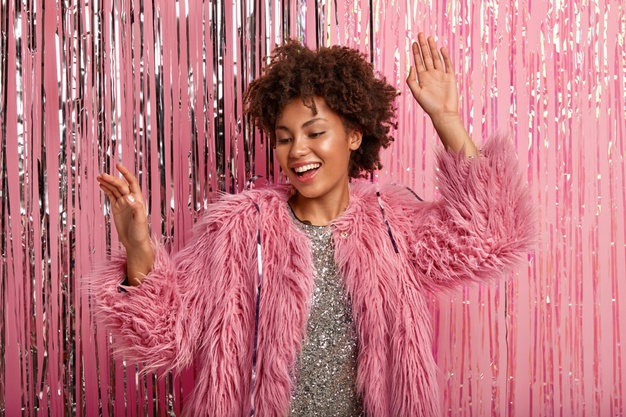 Belonging to the umbrella of fashion communication, fashion photography is an exclusive genre of photography that deals with the display of clothing items and other accessories such as jewellery, headwear, even nail art, makeup, and hairstyles. Easy as it may appear, this field is all about showing the clothes and fashion accessories in such a manner that the particular brand’s products appear to be enticing to its target audience. Fashion photography students learn more than creative photography; they learn how to balance creativity with the brand’s business goals for promotional purposes.
Fashion photography is a highly lucrative career option involving different sub-niches such as catalog photography, editorial photography, high-end and street fashion photography, and more.
The world of fashion is advancing at an unparalleled rate. And where once only fashion designers reigned supreme in the industry, the fashion design industry has opened its doors wide for other successful fields worth exploring.
Read Also:
Belonging to the umbrella of fashion communication, fashion photography is an exclusive genre of photography that deals with the display of clothing items and other accessories such as jewellery, headwear, even nail art, makeup, and hairstyles. Easy as it may appear, this field is all about showing the clothes and fashion accessories in such a manner that the particular brand’s products appear to be enticing to its target audience. Fashion photography students learn more than creative photography; they learn how to balance creativity with the brand’s business goals for promotional purposes.
Fashion photography is a highly lucrative career option involving different sub-niches such as catalog photography, editorial photography, high-end and street fashion photography, and more.
The world of fashion is advancing at an unparalleled rate. And where once only fashion designers reigned supreme in the industry, the fashion design industry has opened its doors wide for other successful fields worth exploring.
Read Also: