

How To Trade Gap Up And Gap Down Openings? Know The Difference

by

20 July 2026

Blog

How To Trade Gap Up And Gap Down

Have you ever opened your trading app in the morning and discovered that a stock has moved 5% higher or lower than the previous day's closing price? That also with no trades taking place in between. 

Traders call that sudden price movement a gap.

Some traders see this as a warning sign to stay away from. Others see them as an opportunity to generate profits. The truth lies somewhere in between, and learning how to trade gap up and gap down openings will fundamentally change your daily market approach. 

This article explains what gap ups and gap downs are, why they occur, and how to trade gap up and gap down setups in a safe manner. 

What Are Gap Up And Gap Down Openings?

Let’s understand their meanings. 

Gap Up Opening

A gap up occurs when a stock begins trading at a price higher than its previous day’s closing price. Furthermore, there are no trades in between. 

Such openings are often closely watched by traders using a btst trading strategy.

For instance, say a stock closed at ₹100 yesterday and opened at ₹115 today. That ₹15 difference is a gap up.

Gap Down Opening

The market calls the reverse a gap down. Here, the stock opens below its previous close with no trading in between. For example, if the stock opens at ₹85 instead of ₹100, it has gapped down by ₹15.

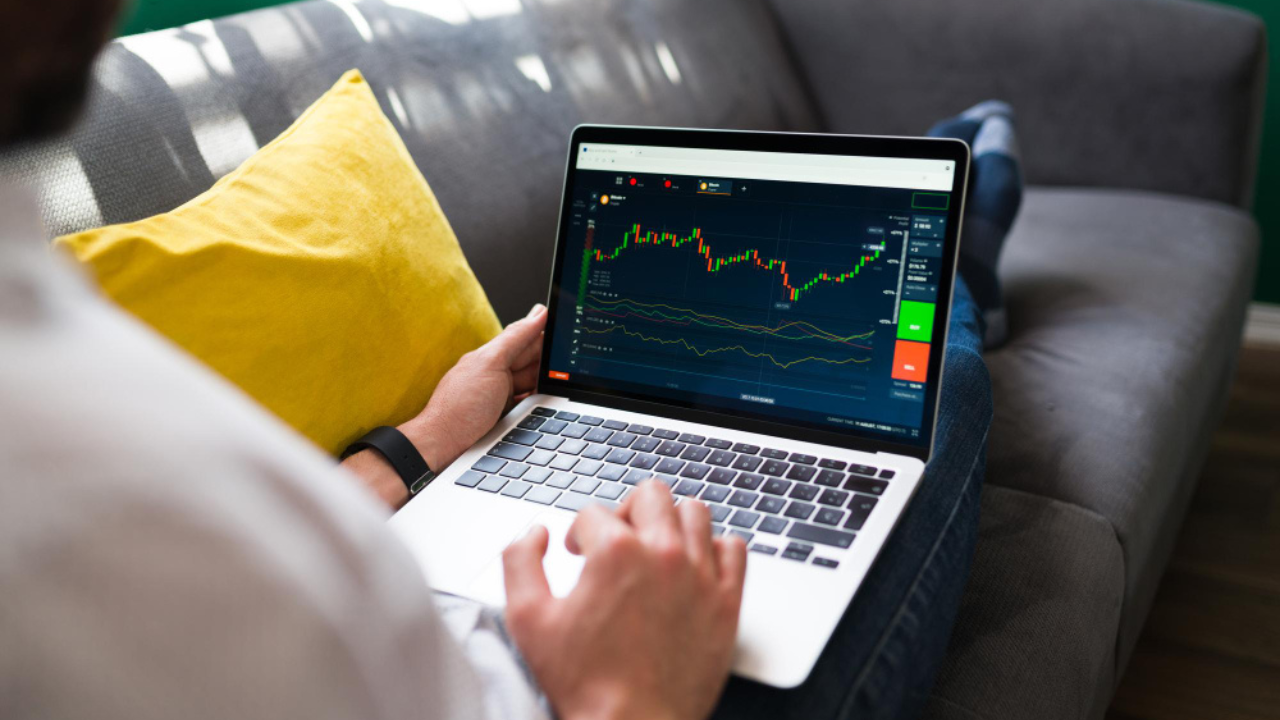
On a chart, both appear as blank spaces between one candle and the next. This shows how quickly markets adapt to new information.

Why Do Stocks Open With Gaps?

News and events that occur when the market is closed create gaps. 

Financial reports, management changes, global market changes, and macroeconomic data, like interest rate decisions, can all shift investor sentiment overnight. 

If buyers or sellers respond to this news before trading begins, the stock will open at a new price rather than continuing where it left off.

Understanding Different Types Of Market Gaps

Before developing a trading strategy, it is helpful to understand that not all market gaps behave the same way. Technical analysts divide these opening patterns into four specific categories.

Thus, identifying the types of gaps that have occurred will help you select the right strategy while avoiding common retail traps. 

Common Gaps

Common gaps occur inside a standard trading range. Furthermore, they are not caused by major corporate announcements. 

Usually, small, common gaps occur during regular consolidation phases and represent normal daily market noise rather than a sudden shift in market sentiment.

These gaps on the chart tend to fill quickly within the same trading session. As a result, they become less attractive to major breakout traders.  

Breakaway Gaps

A breakaway gap happens when a stock price clears a long-term congestion zone, technical chart pattern, or a strong support and resistance level.

This type of gap is usually accompanied by an institutional surge in trading volume, further indicating that a powerful new directional trend has begun.

Breakaway gaps rarely fill immediately, and the gap area usually starts acting as a strong support zone for future corrections.  

Runaway Gaps

Also known as measuring gaps, runaway gaps appear right in the middle of a strong or fast-moving market trend. 

For example, if strong earnings back a clear uptrend in a stock, a runaway gap indicates a sudden rush of new buyers. Generally, they are afraid of missing out on the rally. 

It also tells you that the current trend is accelerating instead of slowing down.   

Exhaustion Gaps

Exhaustion gaps appear near the very end of a long and extended market move. 

After a stock has rallied or dropped for weeks, an exhaustion gap happens. This also happens when the last remaining buyers or sellers panic and rush into the market all at once. 

Within a few hours or days, the price turns around while completely filling the gap and signaling a trend reversal. 

Key Risks When Trading Gaps

When you trade opening gaps, you get offered fast setups. On the other hand, it also carries unique risks due to the rapid price adjustments as well as early morning volatility. 

When you understand these potential problems, you are further assisted in keeping your trade capital safe. 

Chasing The Market Opens

One of the biggest mistakes made by beginners is to buy a gap up or short a gap down right at the market open. 

The first few minutes of a trading session see high volatility as overnight market orders get executed. 

Moreover, if you jump in immediately without a plan, you might trade right at the absolute peak of a gap up or the very bottom of a gap down just before institutional traders begin taking their profits.  

Ignoring Average Trading Volume

Volume acts as the fuel for any gap strategy, and a gap up that gap up that happens on low trading volume is highly unstable and likely to fail. This leads to an immediate reversal that triggers your stop loss. 

In addition, always remember to cross-check the morning volume against daily volume to confirm that institutional players are driving the price movement. 

Misjudging Risk-To-Reward Ratios 

Since a stock has already moved over a significant percentage before the opening bell, your technical stop loss might end up being much wider than usual.

If the gap is too large, placing a logical stop loss below the opening range can cause an unfavorable risk-to-reward ratio.

In these cases, it is usually smarter to sit the trade out completely.  

How To Trade A Gap Up Opening

Here is how you can trade a gap-up opening.

Identify The Trend

Before reacting to the gap, first check whether the stock was in an uptrend or downtrend. A gap-up within an existing uptrend is more reliable than one that appears unexpectedly in a stock.

Wait For Confirmation

Allow the stock about 10 to 15 minutes to settle before buying. Strong volume indicates strong buying interest.

Enter The Trade

It is good to enter when the stock price breaks above the high of those opening minutes. This indicates that the momentum continues in the direction of the gap, making it a practical trading strategy for beginners.

Set Stop Loss

Place your stop-loss below the low of the opening trading range to limit potential losses in case the move fails.

How To Trade A Gap Down Opening

Here is how you can trade a gap-down opening.

Continuation Strategy

If the stock opens lower and continues falling with strong selling pressure, traders may take a short position, expecting the decline to continue throughout the day.

Reversal Strategy

If the price consolidates, forms a base, and attracts buying interest, you can consider buying the stock to recover part or all of the gap.

Exit Plan

Regardless of whether you are buying or selling, set a target before entering the market. Many traders use the previous day's closing price as a target since gaps have a tendency to close.

Mastering The Gaps For Long-Term Trading Success

Gap up and gap down openings are the market’s way of processing new information as well as understanding the type of gap. 

That is, whether it is common, breakaway, runaway, or exhaustion, which allows the prediction of price behavior after the opening bell.

While appearing intimidating, these high-momentum, early morning market movements can be managed as a profitable tool once you master how to trade gap up and gap down zones by avoiding common traps, waiting for volume confirmation, and implementing disciplined stop-losses. 

As with any strategy, when you start with small investments, tracking results and letting experience refine judgment is an essential practice. As a result, this allows gaps to be turned into a successful component of a trading toolkit.

Read Also:

Sohini is a MarTech and business writer with over two years of experience creating and editing content in the digital marketing space. She has a strong interest in emerging digital trends, marketing strategies, and the evolving relationship between technology and business growth. Alongside writing, she also works on guest posting strategies, carefully aligning sponsored content with niche relevance to help maintain strong organic visibility and audience engagement. Outside of work, Sohini enjoys reading, exploring internet subcultures, and endlessly scrolling through Reddit, Pinterest, and Substack looking for new ideas and trends.

View all posts

Leave a Reply

Your email address will not be published. Required fields are marked *

Related

Shipping Services

The Hidden Journey Behind The Things People Love To Buy

I just received 10 parcels today. Yes, I know I have a bad habit! But that’s not the point of today’s discussion!! I wanted to talk about something that’s far more interesting and something that we often don’t think about. I love to shop. Retail therapy has saved my life, but more than that, it has saved the lives of people around me. I am sure that the happiness that I got today will continue for the rest of the week! But, not often do we think about the whole journey that takes place. But this is the exact journey that ensures that I receive my beloved order on time. Shopping today feels effortless. I just need to make a few taps, a confirmation email. Then, by the time my built-up anticipation turns into a ‘rage’ party, I receive my babies. I see them wrapped in a saded cardboard box as the purchase makes its way home. What rarely comes to mind is the complex journey each item takes before reaching a doorstep. The journey of shipping services starts from the moment a product leaves a warehouse to the instant it is unboxed. You can say it is a quiet chain of decisions. Additionally, I am sure there is an unspoken coordination that shapes the entire experience. What Role Does Shipping Services Play To Ensure A Good Shopping Experience? Shipping services play a vital role in creating a positive shopping experience. They significantly influence customer satisfaction and loyalty. How? Well, they just ensure that the deliveries are Timely Accurate Well-communicated Additionally, when the company offers features like fast or free shipping can really help reduce cart abandonment. Additionally, and I truly believe this, it also enhances your brand's reputation. Plus, shipping handles the important post-purchase phase. So, it also provides tracking updates. In fact, we also have the feature of managing returns. When products arrive safely and efficiently, it builds trust and encourages customers to come back for more. What Are The Other Aspects Of Shipping Services? Okay! Shipping services are really what I wanted to talk about, but I feel like I have said enough about it for now. Additionally, I need to remind you that only shipping services alone do not make the journey. There are other aspects of this umbrella term that we need to pay attention to as well! 1. Every Purchase Has A Backstory Behind every favorite purchase sits a network of people and systems. Additionally, there is also the immaculate ingredient of timing. First, the items reach the jurisdiction of the suppliers. They take them from the storage facilities. Then, the transport providers take them before arriving at a final destination. Even locally made products often travel farther than expected due to packaging, consolidation, or specialized handling. This backstory matters because each step affects the condition, the delivery speed, and overall satisfaction. When the journey is smooth, the product feels like it arrived effortlessly. When it is not, delays and damage quickly overshadow the excitement of buying something new. 2. Timing Shapes How Shopping Feels Delivery timing plays a powerful role in the shopping experience. Also, this is a very important factor about shipping services. An item that arrives exactly when expected reinforces trust. One that arrives late can change how a brand is perceived, even if the product itself is excellent. Shoppers may not track every mile. But expectations are clear. Reliability has become part of the lifestyle promise. Purchases are no longer judged only by quality or price. Rather, it is judged by how seamlessly they fit into daily life. 3. Movement Is Part Of Modern Lifestyle Shopping today often reflects personal values. Sustainability, craftsmanship, and thoughtful consumption influence buying choices. The journey of a product becomes part of its story. How it is transported, handled, and delivered matters more than ever. As people buy furniture, artwork, vintage finds, or larger lifestyle pieces, logistics become more visible. Coordinating transport for meaningful purchases requires care and flexibility. In the middle of these journeys, Shiply shipping services help connect transport needs with suitable providers, supporting smoother movement without turning the process into a burden. 4. The Emotional Side Of Shipping Services Waiting for a delivery is filled with excitement and anticipation, especially as the big day draws closer. When everything goes smoothly, the feeling of receiving your purchase is incredibly rewarding. However, if something goes wrong, that excitement can quickly turn to frustration. This emotional rollercoaster shows just how important the delivery experience is. A seamless arrival can make an item feel even more valuable, while a stressful delivery can dampen the joy of owning a beautiful product. It’s fascinating how much our emotions are tied to the way we receive something we’ve eagerly anticipated. The impact of this experience can truly shape our overall satisfaction with what we've bought, highlighting the importance of reliable and smooth delivery services in our shopping experience. 5. Coordination Keeps Lifestyle Purchases Enjoyable Many lifestyle purchases are unique or personal. Custom pieces, limited editions, or second-hand finds often require extra coordination. Clear communication, careful handling, and reliable scheduling protect both the item and the experience. Good coordination stays invisible. Buyers remember the product, not the process. That invisibility is the sign of a well-managed journey. Both Shipping Services And Shopping Appreciation Grow With Awareness See? I feel like it was really fun and insightful to understand the hidden journey behind purchases. I have done this a few times in real life, and it often leads to greater appreciation. Additionally, I realised, like others, that each item represents not just a transaction. But it is more of a sequence of efforts aligned to deliver it safely and on time. Also, I understand that in our busy schedules, shopping may feel instant. But fulfillment is anything but simple. The systems that support it work quietly in the background, turning movement into convenience and anticipation into satisfaction. The next time a package arrives, the journey behind it may still remain unseen. But its impact will be felt in how effortless the experience becomes. Read Also: Fast Freight Solutions: Why Expedited Shipping Is A Game-Changer Ship From Toronto Your Ultimate Guide To Efficient Shipping Solutions

READ MOREDetails
Agriculture Tyres

How Agriculture Tyres Improve Farm Productivity

Picture this: a harvest season in Punjab and the rains arrive early. Someone's tractor sinks axle‑deep into a waterlogged paddy field. That person’s neighbor finished cutting yesterday.  However, that person stands there with their boots soaking. Additionally, he is watching a week’s worth of effort hang in the balance.  Therefore, if you’ve spent time around Indian farming, you’ve likely seen, or lived, this moment. When conditions change, productivity isn’t determined by horsepower alone; agricultural tires matter. What Is The Role Of Agricultural Tyres In Farm Productivity? Most conversations about farm efficiency focus on engines, implements, seeds, or irrigation.  Rarely do they stop at the tyres. Yet tyres are the only connection between the tractor and the soil, making them fundamental to how effectively power is translated into work. Birla agriculture tyres are engineered as working components of the farming system. Additionally, one of the smartest features of this is that it is designed to support traction efficiently.  In addition, it takes care of load management. Moreover, it can effectively handle soil interaction across typical Indian farm conditions.  They may not attract the same attention as new machinery, but their impact on day‑to‑day productivity is significant. Let’s break down where that impact comes from. 1. Traction When It Matters Most Agricultural operations don’t stop for ideal terrain. You will get to face issues such as wet paddy fields. In addition, you will have to deal with loose sandy soil and uneven plots.  Even though these are far from pleasant, they are all part of the reality. But you get something close to a solution when you select the Birla agriculture tyre patterns. Firstly, these feature deep, well‑defined lugs designed. Additionally, they enhance traction under soft or loose ground conditions.  A better grip helps limit excessive wheel slippage, allowing more of the engine’s effort to be converted into forward movement rather than wasted spin. Reduced slippage means: More controlled pulls during ploughing and hauling Less fuel wasted fighting for traction Farmers seeking consistent performance across multiple seasons Certain Birla tyre constructions with robust construction and optimised tread design, help deliver dependable grip while supporting efficient power transfer and controlled wear. 2. Your Soil Is An Investment, Protect It Agricultural operations don’t always occur on ideal terrain.  Farmers often face challenges like wet paddy fields, loose sandy soil, and uneven plots.  In these conditions, the right role of agricultural tyres can make a significant difference.  Birla agriculture tyres feature deep, well-defined lugs that enhance traction on soft or loose ground, resulting in better grip.  This reduces wheel slippage, ensuring that more engine power is effectively translated into movement, rather than wasted.  Less slippage leads to controlled pulls during ploughing and hauling, which saves fuel.  Consequently, farmers benefit from consistent performance throughout multiple seasons.  Birla tyre constructions are built for robustness and efficiency, improving power transfer while limiting wear.  Ultimately, opting for the best tyres is not just about the machinery but also about enhancing day-to-day productivity on the farm. Over time, consistent soil protection contributes to: Healthier root systems Better moisture retention More uniform crop growth Sustainable productivity doesn’t always require complex changes; sometimes it starts with what rolls over your field every day. 3. Managing Fuel Costs Through Tyre Discipline Fuel remains one of the most persistent cost pressures for Indian farmers.  Tyres that are mismatched to the application, incorrectly inflated, or overloaded increase rolling resistance, forcing engines to work harder than necessary. Birla tractor tyre tread designs and constructions are carefully optimized.  They are built to perform efficiently in specific operating conditions. This ensures better traction and stability.  Each design caters to unique needs, enhancing overall performance. When combined with: Correct tyre sizing Recommended inflation pressure Proper load management Farmers can reduce unnecessary resistance during field operations and transport runs, which ultimately ensures higher mileage and longer hours in the field.  Durability also plays an essential role in tyre discipline management.  Birla durable tyres are engineered for extended service life in demanding field conditions, subject to load, speed, terrain, and maintenance discipline.  Consistent operation within recommended limits helps preserve casing integrity, tread life, and overall tyre performance across seasons. Choosing The Right Birla Tyre For Your Farm Different farmlands demand different solutions.  With multiple demands, Birla Tyres have successfully developed an agricultural tyre product range. Therefore, you will get a plethora of options to choose from.  Additionally, you can conduct thorough research and make an informed decision by choosing a suitable option that meets your specific requirements. Check out their agriculture tyres product range to see how their bias‑ply agriculture tyres are suited for:  Rough, uneven terrain Mixed on‑field and on‑road usage Applications requiring robust sidewall strength Birla offers both constructions, with selection guided by soil type and crop pattern. Additionally, it also puts a solid focus on load requirements.  In fact, there is a certain attention that goes towards the operating cycles, not just by terrain alone. Two Practices That Make a Real Difference Check tyre pressure regularly: Daily or routine PSI checks ensure tyres operate within specified limits, preserving both traction and casing life. Inspect and rotate tyres periodically: Monitoring wear patterns and rotating when required helps maintain even tread wear and consistent field performance. The Role Of Agricultural Tyres Is Creating The Road To Productivity Harpreet eventually got unstuck. The following season, he reassessed his tyre choice and operating practices.  Additionally, now he is working with tyres that are better matched to soil conditions and disciplined pressure management. Therefore, it is safe to say that his field operations became more predictable. In fact, this happened especially when weather windows were tight. So, we learn that your tractor’s productivity is only as strong as what connects it to the ground. Visit BirlaTyres.com to evaluate tractor tyre options based on your soil type, crop cycle, and operating needs.  When tyres, load discipline, and maintenance work together, productivity follows, season after season. Key Idea: Overloading, shortcuts and improper tyre choices cost more in the long run. Farm smart. Maintain consistently.  Choose tyres built for the realities of Indian agriculture.

READ MOREDetails
Thermal sensors

Understanding the Functionality and Applications of Thermal Sensors: The Ultimate Guide

The Science Behind Thermal Sensors: How They Work Temperature Measurement Demystified At the core of our understanding of thermal sensors is temperature measurement a fundamental concept in science and engineering. Temperature is the measure of thermal energy within a given system, influencing various physical and chemical properties of materials. It has profound implications in different fields, including engineering, healthcare, and environmental science. Thermal sensors operate on the principle of converting thermal energy into measurable electrical signals, allowing for accurate temperature readings that are vital for monitoring and control systems. Thermodynamics and heat transfer govern their functioning, marking them as pivotal instruments in both industrial and consumer applications. Thermal sensors can be broadly categorized based on how they measure temperature: contact and non-contact sensors. Contact sensors, like thermocouples and resistance temperature detectors (RTDs), require direct contact with the substance they measure. In contrast, non-contact sensors, such as infrared thermometers, detect temperature by capturing the infrared radiation emitted from an object. This fundamental differentiation significantly impacts their application, efficiency, and response time, showcasing the need for precise selection based on the context of usage. The Role of Thermocouples and RTDs Thermocouples and Resistance Temperature Detectors (RTDs) are two primary types of contact thermal sensors recognized for their reliability and effectiveness. Thermocouples consist of two different conductive materials joined at one end. When the junction experiences a temperature change, it generates a voltage that can be correlated to the temperature difference. Their wide temperature range, exceptional durability, and rapid response make them the preferred choice in extreme environments, such as in industrial processing and aerospace applications. On the other hand, RTDs operate based on the principle that a material's electrical resistance varies with temperature. Typically made of pure metals, RTDs offer superior accuracy and repeatability compared to thermocouples, albeit at a higher cost and slower response time. The versatility of RTDs makes them suitable for a broad range of applications, including food processing, HVAC systems, and laboratory experiments. Both devices exemplify how different mechanisms can achieve similar objectives, yet their suitability will depend on specific operational requirements temperature range, environment, and accuracy. Understanding Infrared Sensors and Their Unique Capabilities Infrared (IR) sensors represent a fascinating advancement in thermal sensor technology. These non-contact sensors measure temperature by detecting the infrared radiation that objects emit as a function of their thermal energy. This approach allows for safe and instant temperature readings from a distance, which is particularly invaluable in situations where traditional sensors would pose risks, such as in hazardous environments or for moving objects. IR sensors extend beyond simple measurements; they harness sophisticated algorithms and optical systems to differentiate between various temperature profiles, enabling the operator to detect hotspots or temperature anomalies promptly. Applications in fields such as firefighting, electrical engineering, and medical diagnostics demonstrate their versatility. For instance, spotting an overheating electrical component before a system failure can prevent costly downtimes or accidents, while in healthcare, they can facilitate the quick assessment of body temperatures, crucial in managing infectious diseases. Innovative Applications of Thermal Sensors Across Industries From Automotive to Aerospace: A Thermal Revolution The automotive industry is undergoing a dramatic transformation driven by advances in thermal sensing technology. With the inception of electric vehicles (EVs) and autonomous driving systems, ensuring optimal thermal management has become paramount. Thermal sensors monitor battery temperatures, preventing overheating and maximizing efficiency to enhance both safety and performance. The synergy between thermal sensors and battery management systems is central to extending the lifespan of lithium-ion batteries, correcting thermal imbalances, and optimizing charging cycles. Equally pertinent, the aerospace sector employs thermal sensors for a plethora of applications including engine monitoring, structural health assessments, and environmental control systems in aircraft. The ability to maintain precise temperature metrics during flight operations is essential, considering the drastic temperature fluctuations experienced at high altitudes. Advanced thermal sensors are integrated into systems to ensure that safety thresholds are not breached, thus reinforcing the reliability and performance of modern aircraft. Healthcare Innovations: Monitoring and Diagnostics Healthcare has witnessed a significant infusion of thermal sensor technology, fundamentally reshaping patient monitoring and diagnostic practices. Continuous temperature monitoring is critical in determining fever thresholds and managing infectious diseases, while IR thermometers have transformed the efficiency of measuring body temperatures in clinical settings. The COVID-19 pandemic catalyzed the widespread adoption of non-contact thermal sensors in hospitals and public spaces, showcasing their ability to rapidly screen individuals for elevated temperatures. Moreover, wearable thermal sensors have emerged as game-changers in personalized health tracking, allowing for continuous assessment of vital signs and enabling data-driven interventions. The integration of these sensors in home healthcare devices is not only improving patient outcomes but also facilitating remote health monitoring, thereby significantly reducing the burden on healthcare systems. As more sophisticated technology enters the fray, the potential for thermal sensors in diagnostics and real-time patient monitoring continues to expand, promising innovations that were once the domain of futuristic fiction. Smart Homes and IoT: The Future of Temperature Control As smart home technology proliferates, thermal sensors have become an integral part of Internet of Things (IoT) ecosystems. These sensors drive energy efficiency by enabling smart thermostats to optimize heating and cooling systems based on real-time temperature readings. Homeowners can achieve significant cost savings and enhance comfort levels through automatic adjustments that respond to fluctuations in indoor and outdoor temperatures. Additionally, thermal sensors in security systems enhance safety by detecting changes in temperature that may indicate fires or unauthorized access. By integrating with smart home platforms, these sensors offer an unprecedented level of control and insight, allowing users to monitor their environments through mobile applications. As smart technologies evolve, the intersection of thermal sensing and IoT will likely lead to even more refined home automation systems, personalized climate control, and enhanced energy management strategies. Choosing the Right Thermal Sensor for Your Needs Key Factors to Consider for Optimal Performance Selecting the appropriate thermal sensor for a specific application necessitates careful consideration of several factors. The first aspect to evaluate is the operational environment, as conditions such as humidity, electromagnetic interference, and potential exposure to corrosive substances can affect sensor performance and longevity. For instance, a high-precision RTD might be indispensable in laboratory environments, while a rugged thermocouple may be better suited for high-temperature industrial processes. Moreover, one must consider the required temperature range and the precision level indispensable for the application's success. Different sensors have varying ranges with certain models optimized for extreme temperatures, while others excel in standard ranges. Additionally, resolution and accuracy are paramount often expressed in terms of Linear Measurement Accuracy (LMA) which details how accurately a sensor can measure a given temperature. Taking into account these technical specifications ensures that the thermal sensor will deliver reliable results, thus fulfilling operational requirements efficiently. Comparative Analysis: Passive vs. Active Sensors In the realm of thermal sensors, a fundamental distinction exists between passive and active sensors. Passive sensors, such as thermistors, generate signals based solely on their ambient temperature, making them typically less complex and cost-effective. Their simplicity, however, can impose limitations on their responsiveness and operational ranges. In contrast, active sensors, like thermocouples and infrared sensors, actively generate voltage or signal output in response to temperature changes, allowing for quicker response times and broader application scopes. When choosing between passive and active sensors, considerations include the required responsiveness, accuracy, and environmental constraints. Active sensors are ideal for more complex applications demanding rapid and precise measurements, while passive sensors can suffice in simpler scenarios. Ultimately, understanding the operational demands and financial constraints will guide one towards the appropriate selection between passive and active thermal sensors. Expert Tips for Sensor Calibration and Maintenance The performance of thermal sensors hinges largely on appropriate calibration and maintenance practices. Sensor calibration ensures that the device is providing accurate measurements and is typically performed in controlled environments with reference standards. It is essential to regularly calibrate sensors against known temperature references, particularly in critical applications such as healthcare or aerospace, where even slight discrepancies could lead to significant consequences. Moreover, maintaining thermal sensors encompasses both physical and operational care. This includes protecting sensors from potential contaminants, handling them carefully during installation to avoid damage, and ensuring they are appropriately housed in protective casings, especially in harsh environments. Regularly scheduled assessments and checks, as well as logging performance data, can help in early detection of potential issues. By establishing a robust calibration and maintenance regime, organizations can enhance the lifespan and accuracy of their thermal sensors, ensuring optimal operational efficiency. Challenges and Future Trends in Thermal Sensing Technology Addressing Accuracy and Sensitivity Challenges As thermal sensing technology evolves, accuracy and sensitivity remain paramount challenges that researchers and engineers must navigate. Environmental factors, electromagnetic interference, and the physical characteristics of the materials being measured can all introduce variability in sensor performance. The need for extreme precision is particularly critical in fields like medical diagnostics and industrial automation, where slight variances can yield significant repercussions. Advancements in materials science and engineering aim to develop sensors with enhanced sensitivity and robustness. Research is increasingly focusing on nanomaterials and innovative designs that can improve the response times and range of thermal sensors. Moreover, the deployment of machine learning algorithms to process and analyze sensor data can enable more accurate interpretations and compensations for environmental discrepancies, pioneering steps toward smarter thermal sensing solutions. The Rise of Nanotechnology in Thermal Sensors Nanotechnology represents an exciting frontier in thermal sensor development. At the nanoscale, materials exhibit unique thermal properties that can be leveraged to create highly sensitive and responsive sensors. By incorporating nanostructured materials in sensor designs, manufacturers are able to enhance the thermal conductivity and sensitivity, thus ensuring precise measurements even in challenging environments. Innovations such as graphene-based thermal sensors are emerging due to their remarkable conductivity and strength. These sensors can be engineered to respond to minor temperature variations, which proves beneficial in applications requiring high accuracy, such as micro-electromechanical systems (MEMS) and biomedical diagnostics. As research continues to uncover the vast potential of nanotechnology in thermal sensing, we can expect a revolutionary shift towards more effective, compact, and reliable thermal sensor solutions. What’s Next? AI Integration and Smart Thermal Solutions The future of thermal sensing is increasingly intertwined with artificial intelligence (AI) and data analytics, paving the way for smart thermal solutions. By integrating AI algorithms into thermal sensor systems, real-time data analysis and predictive modeling can be achieved, allowing for proactive maintenance and innovative applications. For example, the convergence of AI and IoT thermal sensors in smart buildings can facilitate energy-efficient climate control systems, optimizing energy consumption based on real-time data. Additionally, as the technology matures, we will witness the advent of predictive analytics that can lead to not only better temperature monitoring but also the prevention of potential malfunctions or safety hazards. This shift emphasizes a movement towards intelligent systems that not only react to temperature changes but anticipate them, revolutionizing entire industries from manufacturing to healthcare. As these technologies converge, the implications for safety, efficiency, and innovation are profound and offer a tantalizing glimpse into the future of thermal sensors. Read Also: What Is A Zero Waste Lifestyle & How To Practice It? How Is Furtherbusiness Com Accelerating The Growth For Businesses In 2026?

READ MOREDetails