



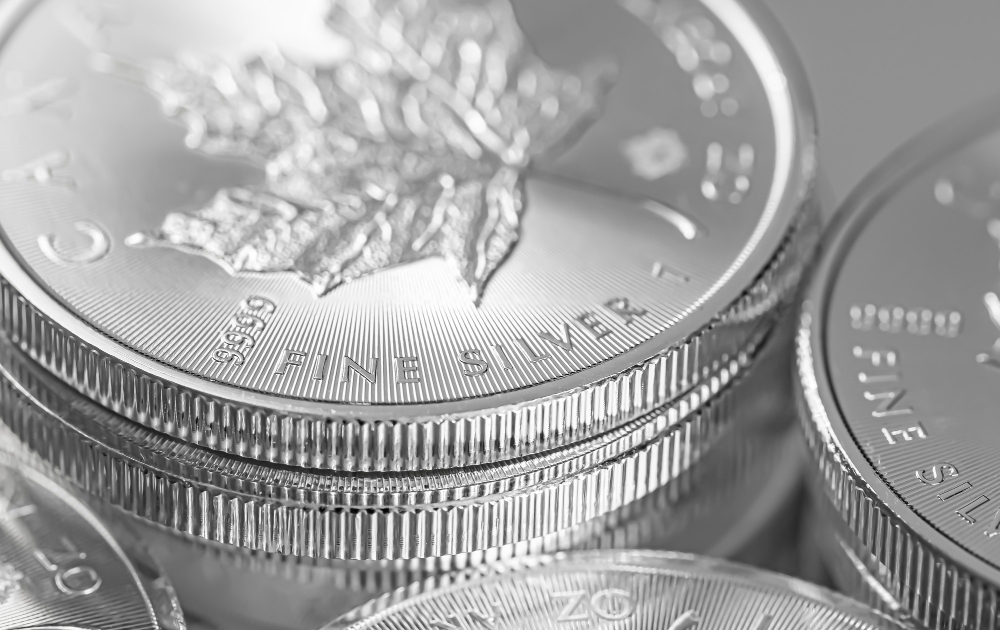
In India, silver has long held a place in homes, as payals, thalis, coins gifted on Diwali or in wedding rituals, but hardly a place in an investment portfolio.
But that’s not true anymore.
Over the past year, silver prices in India have increased significantly, outpacing those of other asset classes.
Generally, there is an investor base that has traditionally regarded silver more as a household item than as a financial asset.
For them, this is the perfect time to understand what is driving the force of silver investment.
Additionally, you will learn whether it deserves a proper place in your portfolio rather than just in your locker.
Why Silver Investment Has Been Overlooked?
When people think about precious metals, gold is usually the first name that comes to mind.
Gold is traditionally seen as a safe haven during times of financial turbulence such as inflation, market volatility, and economic uncertainty.
Silver, on the other hand, has often been seen as a cheaper alternative to gold. For many years, this perception led investors to overlook silver.
Another reason is that silver prices today tend to fluctuate more than gold's, making it a riskier investment.
However, very few people are aware that silver is more than just a precious metal.
Several rapidly growing sectors use silver as a vital raw material, giving it a special advantage.
Silver Investment Is Back In The Spotlight
In January 2026, the price of silver in India reached an unprecedented high of nearly ₹4.1 lakhs per kilogram before declining to approximately ₹2.6 lakhs per kilogram by June.
This fluctuation reflects a broader context of limited global silver supply in relation to sustained demand.
Factors contributing to this demand include the rising production of solar panels, the growth of electric vehicles, and advancements in semiconductor technology.
Additionally, the weakening of the Indian rupee and expectations of potential global interest rate cuts have led both retail and institutional investors in India to regard silver as an attractive investment opportunity.
All these impact the silver rate today.
Four Reasons Silver Investment Could Be A Smarter Buy Today
Here are four reasons why silver is gaining attention as an investment:
1. Industrial Demand
Silver is widely used in solar panels, electric vehicles, semiconductors and electronics.
As India aims to increase local production of solar panels and EVs, investors can expect domestic demand to rise as well.
2. Investment Has Become Easier
There are silver ETFs that you can buy in denominations of 1 gram or less.
Additionally, these are the ones that you can trade on the NSE and BSE.
Therefore, this enables people to invest small amounts without worrying about:
- Storage
- Authenticity
- Insurance
Also, investors can easily track silver rates in Surat and other cities to invest in silver.
3. Rupee Depreciation
When the rupee falls, it pushes domestic silver prices higher even if international prices do not change.
This is because silver is priced in US dollars and converted to rupees.
This gives Indian investors a partial hedge against currency depreciation, in addition to the metal's price movements.
4. Higher Price Sensitivity Than Gold
Historically, silver tends to outpace gold by a factor of 2-3 in percentage terms during rallies in precious metals.
This characteristic presents investors with the opportunity for significantly higher returns when market trends are favorable for these assets.
The enhanced volatility of silver can lead to more pronounced gains.
Therefore, this makes it an attractive option for those looking to maximize their investments in precious metals.
Moreover, you must understand that this dynamic can help investors capitalize on favorable market conditions.
Ultimately, this will enhance their portfolios when the trends in gold and silver align positively.
Risks And Things Investors Should Know Before Buying Silver
Before considering an investment in silver, it is crucial to thoroughly understand the various risks associated with this commodity.
1. Volatile Pricing Structure
Silver prices can experience significant volatility, leading to sharp increases and decreases in value.
This inherent instability can pose a risk to investors who are unprepared for potential dramatic price swings.
2. Unpredictable Additional Costs
When purchasing physical silver, such as coins, bars, or jewelry, it’s important to note that additional costs apply.
Buyers are required to pay Goods and Services Tax (GST) along with making charges, particularly for jewelry.
These making charges are rarely recouped when you decide to sell, which can reduce the overall profitability of such an investment.
The demand for silver is closely tied to global industries, particularly the solar energy and electronics sectors.
Therefore, any downturn in manufacturing or shifts toward alternative materials could significantly impact long-term demand for silver, potentially leading to price declines.
3. Storage Issues
Furthermore, owning physical silver entails practical considerations such as safe storage.
Investors must ensure their silver is securely stored, which may involve additional costs for safe deposit boxes or home safes.
Moreover, there may be a need for insurance to protect against theft or damage, which would compound the overall investment cost.
In addition, should you choose to sell your silver, resale costs can also diminish your returns.
4. Taxation Conflicts
In terms of taxation, current regulations dictate that any profits earned from silver exchange-traded funds (ETFs) held for longer than one year are subject to a flat tax rate of 12.5%.
Additionally, this does not incorporate any indexation benefits that could potentially mitigate the tax burden.
Now, if you have ETFs that you are holding for less than a year, you can consider those profits as short-term capital gains.
In addition, you can add those to your overall income. These will be subsequently taxed at your applicable slab rate.
Furthermore, this tax structure reinforces the need for investors to carefully consider the timing of their investments and potential profit withdrawals.
The Dynamics Of Silver Investment Explained
Silver has evolved beyond being just an alternative to gold in the investment landscape.
With heightened industrial demand and growing investor interest, silver now occupies a more prominent position in today’s market.
Despite price fluctuations, incorporating a strategic allocation of silver into your long-term investment portfolio can enhance diversification and potentially improve overall returns.