











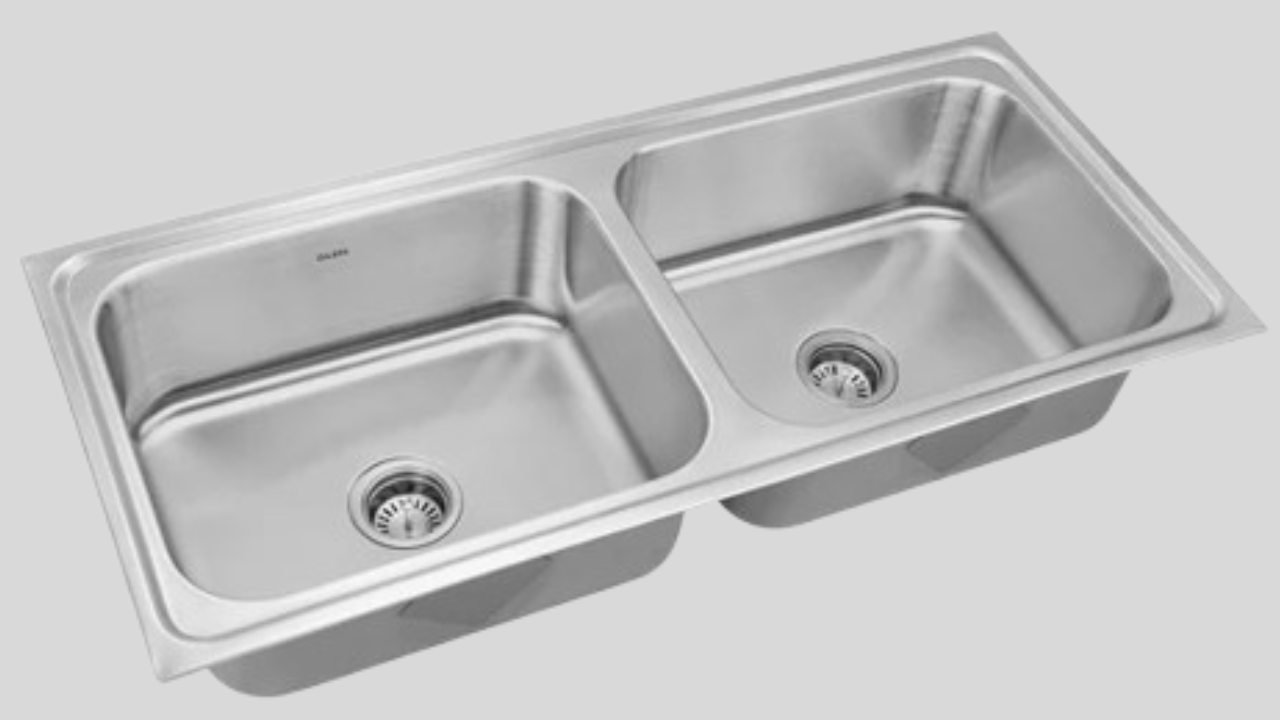
Stainless steel is also very compatible with any type of design for a kitchen. If you want the best stainless kitchen sinks to have a long life while looking good as new, there are several techniques that you must learn about how to clean and maintain your sink correctly.
I believe the first step of the how to Clean a Stainless Steel Kitchen Sink guidebook is to develop the right day-by-day habits.
Additionally, I would suggest that you employ the right cleaning techniques. Then you will be able to effectively take care of the best quality stainless steel kitchen sink.
Additionally, this will also help you to protect that shine.
In the following article, I will try to give you information on how to effectively take care of your kitchen sink.
Also, I will include methods for day-by-day maintenance and stain removal. In fact, I will also give you some neat tips and tricks for long-term maintenance.
Why Stainless Steel Kitchen Sinks Need Proper Care?
Before I tell you how to clean a stainless steel kitchen sink, I would like you to know why they need a separate and more delicate care.
Stainless Steel may be extremely sturdy. Also, it might be a resistant material against corrosion. But there is still some maintenance required.
Frequent use of stainless steel for cooking exposes it to many daily elements. These include:
- Water
- Food Particles
- Oils
- Soaps
- Minerals
All of these contribute to dulling the material’s surface finish over time.
With proper maintenance, you will not see things like:
- Water spots and streaks
- Scratches and scuff marks
- Mineral buildup
- Loss of shine
You can keep your stainless steel looking like new with regular cleaning and simple maintenance.
How To Clean A Stainless Steel Kitchen Sink Daily?
I always suggest that you keep your sink clean. And the best way to do it is by cleaning it a little bit every day.
This way, it will go a long way in keeping its look sparkling.
Step 1: Rinse After Every Use
Once you have washed your plates in the sink or prepared your food, remember that the sink itself also needs to be well rinsed with warm water.
Guess what? This could be one way to avoid further drying of the food. Additionally, you will also prevent the accumulation of soap and grease on its surface.
Step 2: Use A Mild Cleaner
A small amount of soft dish soap is required to be applied to a soft cloth or a soft sponge. The scrub is required to be done following the grain.
Yes, the grain is visible on stainless steel surfaces. Scratches do not even appear when scrubbing is carried out following the grain.
Step 3: Rinse And Dry
Drying the sink not only keeps it free of water spots, but it also makes it shiny-looking. Drying the sink only requires a couple of minutes.
However, it extends the life of the sink’s finish. Apply the wax thickly; then, remove it with a soft cloth for an excellent, long-lasting shine.
Removing Common Stains And Marks
One of the most important sections in the how to Clean a Stainless Steel Kitchen Sink is how to remove marks from it.
So, let’s check these out:
- Water Spots And Mineral Deposits
Hard water may cause white chalk spots. A combination of vinegar and water, as well as a cleaner safe for use in stainless steel, may lift these off.
- Rust-Colored Stains
Stainless steel is not prone to rust; iron particles may be present in cookware or in the water that may cause discoloration. Baking soda or a stainless steel cleaner is used for cleaning.
- Scratches And Scuffs
Scratches are expected when using it. Cleaning in the direction of the strands minimizes their appearance. Avoid using steel wool or scrubbers, as this could cause permanent damage.
What To Avoid When Cleaning Stainless Steel Sinks?
To maintain the finish on the best stainless steel kitchen sink, avoid:
- Chlorine Bleach: Can damage the protective layer
- Steel Wool or Wire Brush: Causes deep scratches
- Harsh Abrasive Powders: Dulls the finish
- Leaving wet sponges or cloths can cause stains
Gentle tools and cleaners ensure both appearance and longevity are maintained.
Long-Term Maintenance Tips For Stainless Steel Kitchen Sinks
Of course, daily cleaning is important. But, these are some extra cleaning tips that will be a part of the longer maintenance process:
- Dry The Sink Regularly
Drying after use may be the easiest solution against spots and the formation of mineral deposits.
- Use Sink Grids Or Mats
The grids also protect the sink from scratching due to heavy utensils.
- Polish Occasionally
Apply a polish, such as a polish for stainless steel, or a little olive oil with a cloth to give the metal a shine.
- Be Mindful Of Harsh Substances
Food items such as acidic products, salt, and cleaning products should not be left in the bathroom sink.
Hygiene And Odor Control
A clean sink is not just about looks; it’s also about hygiene.
- Cleaning the drain every week with baking soda and vinegar
- Flush with hot water to remove odors
- Prompt removal of food debris
This keeps your kitchen fresh and bacteria-free.
Why Proper Maintenance Extends Sink Life?
Consistent care helps:
- Maintain the original sink finish
- Prevent permanent stains and scratches
- Improve hygiene and food safety
- Extend the lifespan of your investment
A well-maintained kitchen sink made of stainless steel can last decades while looking good.
How To Clean A Stainless Steel Kitchen Sink Explained
Cleaning and maintaining a stainless steel sink do not require the commonly used expensive cleaning materials and procedures.
Your stainless steel sink will surely be clean and sparkling. Additionally, it will also function efficiently through the use of gentle cleaning materials.
Also, you must use all the specified materials and cleaning procedures.
Whether you have a small or large kitchen, you must clean your stainless steel sink regularly.
It is a sure way to maximize the use of one of the most used parts of your kitchen.
When it comes to selecting one of the best in the line of best stainless kitchen sinks, it goes without saying that craftsmanship makes maintenance even easier. Glen Appliances provides top-notch quality stainless steel kitchen sinks that have been expertly crafted for easy maintenance, hygiene, and longevity to make maintenance simple yet effective.