








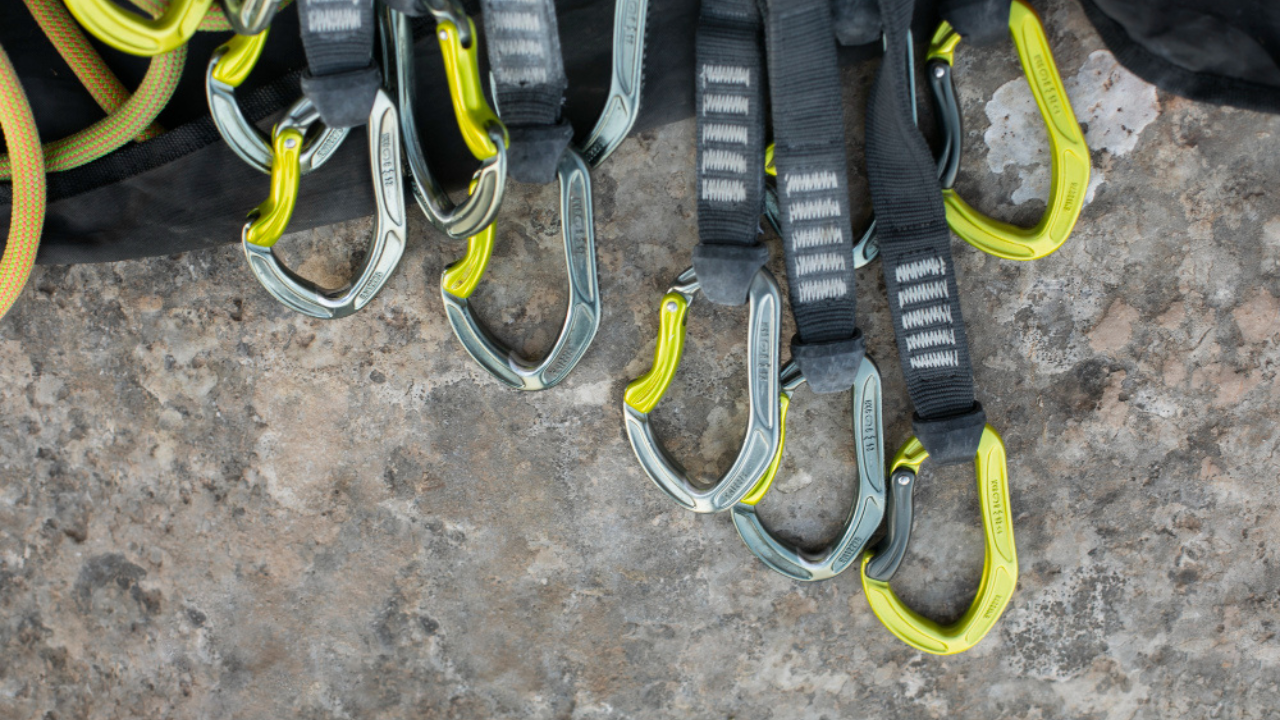
3 Top Tips To Help You Increase The Lifespan Of Your Ratchet Straps

by

21 January 2026

Blog

How To Increase Rachet Straps Lifespan

Tie-down straps are an invaluable part of any cargo hauler’s arsenal.

I can assure you that they are excellent for securing loads efficiently and safely.

Additionally, they’re also easy to use on just about anything.

That said, using your tie-downs every day usually means they face the toughest weather conditions.

You know, these can often lead to extensive wear and tear.

Now, some of you might buy your Ratchet straps online. Or, some of you, like me, have a local supplier.

No matter what, it’s essential to always invest in quality tie-downs and accessories. You must know how to increase rachet straps lifespan.

Additionally, you must ensure proper care practices. They are very important for ensuring that your straps function efficiently.

In fact, this will ensure that they last a long time.

This post takes a closer look at the most effective ways to keep your ratchet straps in mint condition.

What Are Ratchet Straps?

Okay so are you planning a move or a quick trip? If yes, I have got to tell you something.

If you are moving a few items around town, you may not be all that familiar with ratchet straps. In fact, I am expecting you not to know how they work.

Essentially, ratchet straps, or tie-downs if you prefer, are heavy-duty straps.

These are designed to restrain all types of loads during transport.

For the most part, the straps are designed using a strip of long, robust webbing material such as polyester or nylon.

Then, Ratchet mechanisms and end fittings complete the rest of the ratchet strap design, such as:

  • Loops
  • Hooks

If you’re a first-time ratchet strap user, here’s what you need to know:

  • Firstly, you have to place the loose end of the tie-down strap into the metal mandrel part of the ratchet.
  • Secondly, you need to gently pull the strap securely through the slot in the mandrel.
  • Thirdly, you ned to tighten the strap. You can do this by pulling the slack out.
  • Then, you need to gently crank the ratchet. This important for you to reach the desired tightening.
  • Also, you must keep the strap in line with the other one. This one step will ensure avoiding locking or tangling.
  • In addition, you need to tighten the strap to secure it. Additionally, you have to lock the handles down.
  • At the end of the trip, reverse these steps. This will help you to avoid damaging or tearing the straps.
  • Finally, you must ensure your straps are dry. Also, you need to check if they are undamaged before you put them away for storage.

How To Increase Rachet Straps Lifespan: Some Real Tips

Now that you know what the product is, the next probable question will be: How to increase rachet straps lifespan? Well, I am here to tell you just that!

Quality ratchet straps will last a long time if you take proper care of them.

Fortunately, there’s no complex maintenance attached. Here are a few tips to help you care for your tie-down straps.

1. Always Inspect Your Ratchet Straps Before Each Use

The first tip to know is to inspect your ratchet straps before every use.

This is because little issues, such as damaged hardware or frayed webbing, can affect the integrity of the straps.

This can lead to them snapping or tearing loose during the trip.

The general rule of thumb is that if 10% or more is torn, the strap should be replaced. Check for damages in the following ways:

  • Hardware: Check the ratchet and hooks for bends, deformation, and rust. Hooks can be bought separately if they need to be replaced.
  • Webbing: Inspect the webbing material for tears, fraying, or signs of excessive wear.
  • Stitching: Run your hand over the stitching and check for broken threads.
  • Labels: Quality straps should have a Working Load Limit (WLL) tag. Check that this is legible and intact.

2. Straps Should Be Kept Clean

The frequency and types of cargo you’re loading can leave your straps dirty. In fact, it can even damage them.

This is because oil, dirt, and chemicals can seriously degrade webbing material over time.

So, not only does this reduce flexibility, but it also affects the strength of the straps.

You should aim to clean your tie-downs and all their accessories after each use.

Additionally, this rule applies especially if you’ve used them for loads containing chemicals.

Here’s what you need to know:

  • Always use a solution of warm water and mild soap to remove debris and dirt.
  • Additionally, you must avoid harsh solvents. Also, you cannot use any chemicals as these can weaken polyester fibres.
  • You need to gently scrub the webbing with a soft-bristled brush. This will effectively remove stubborn dirt.
  • Finally, you have to rinse thoroughly. Also, you must air-dry it completely before storing.

3. Proper Storage Is Crucial

If you are wondering how to increase rachet straps lifespan, this step is very important.

Once you’re done with your straps for the day, it’s essential to store them properly.

Improper storage exposes the webbing to UV rays and moisture, which can weaken or damage it. Here’s how you should do it:

  • Firstly, you need to roll the straps neatly. This step comes right after cleaning and drying. You have to roll the straps to prevent kinks and tangles.
  • Then, you need to store it in a dry and cool place. I suggest that you always avoid storage areas. This is where the straps will be exposed to dampness or direct sunlight.
  • Finally, I will suggest that you opt for storage containers or bags. You need to use good-quality air-tight storage containers.

Additionally, you can go for sealable bags to keep your straps safe and dry.

Also, I feel like it’s a good idea to place them in a cupboard.

How To Increase Rachet Straps Lifespan: Explained

No matter how often you’re using your ratchet straps, it’s always a good idea to use our care tips to keep them in mint condition.

This not only reduces the likelihood of having to buy new straps every time you need to use them, but it will also give you peace of mind that your straps will remain efficient every time you need to use them.

This will keep your cargo and everyone around your vehicle safe!

Read Also:
Nabamita Sinha loves to write about lifestyle and pop-culture. In her free time she loves to watch movies and TV series and experiment with food. Her favourite niche topics are fashion, lifestyle, travel and gossip content. Her style of writing is creative and quirky.

View all posts

Leave a Reply

Your email address will not be published. Required fields are marked *

Related

COVID-19 Coverage

Importance Of COVID-19 Coverage Under Group Health Insurance Policy

India has come a long way from fighting COVID-19 to rising above it. However, just after the lockdown was lifted and companies start urging employees to return to the workplace, a concern remains: who would protect employees against COVID-19 at the workplace? That is why COVID-19 coverage under group health insurance policy.  Before the pandemic, companies often purchased group health insurance without this coverage; however, COVID-19 changed everything. Thus, it becomes crucial to understand the exact benefits of this coverage for employees and organisations.  COVID-19 Coverage Under Insurance Policy COVID-19 is a communicable disease that spreads through air and human contact. Although the spread of COVID-19 is now containing and people are more aware of precautionary measures, the disease has not eradicating.  That is why, to safeguard the welfare of employees who are most exposed to COVID-19, the Insurance Regulatory and Development Authority of India (IRDAI) made it mandatory for every organisation to provide COVID-19 coverage under their group health insurance policy.  Benefits Of COVID-19 Coverage Under Insurance Policy Here are some of the benefits of COVID-19 coverage under the group health insurance that employees can take advantage of.  IRDAI Mandatory  As per the orders from the Insurance Regulatory and Development Authority of India (IRDAI), it has been made mandatory to provide COVID-19 coverage to every employee of an organisation. Without this coverage, companies are not allowed to start their in-office operations.  Medical Expense Coverage Under the group health insurance policy, employees are covered for medical expenses relating to COVID-19. It means that all financial expenses incurred, from diagnostics to treatment and medicines, will be covered by the policy.  Employee Dependent Coverage Several group health insurance policies extend their coverage to employees’ dependents; the same applies to COVID-19 coverage. The policy provides COVID-19 coverage to the employee's spouse, children, and dependent parents. Provides A Sense Of Security COVID-19 is a life-threatening disease, and providing coverage for this disease gives employees a sense of security. They feel safe and secure coming to the office premises to do their work.  Employee Loyalty When employers buy medical insurance for their employees, they establish a good rapport and loyalty in their minds. This loyalty reflects in the work of employees and the productivity of their outputs.  Inclusions And Exclusions Of Coverage When we refer to health insurance for COVID-19 coverage under insurance policy, we need to know what's covered and what's not.  It is always best to know this in advance to avoid unpleasant surprises at the time of a health emergency and ensure that you make the most of your policy benefits.  Just like any other medical insurance policy, the COVID-19 cover also has some inclusions (what is included) and exclusions (what is excluded).  Let me break these down to you in detail so that you have a crystal clear understanding well in advance, even before you make a claim.  Inclusions The inclusions detail all the medical expenses and services you'll cover for with your COVID-19 cover. The following is what you can generally expect:  Pre And Post-Hospitalisation Cover - The COVID-19 cover provides coverage for expenses incurred during pre- and post-hospitalisation treatment. It includes expenses such as diagnosis, doctor’s appointments, and medicines. Pre-Hospitalisation: The costs of medical examinations, specialist visits, COVID-19 tests, and medication before hospital admission are eligible. For example, if you had to undergo blood exams, a PCR exam, or a CT scan to confirm the infection, the cost would be eligible.  Post-Hospitalisation: You can be ill for a few days, and you will require follow-up consultations, medication, or physiotherapy. These are also covering for a few days after discharge (likely 30 to 60 days).  Second Opinion - The COVID-19 coverage under the group health insurance policy also provides coverage for expenses related to a second medical opinion. For example, if you are not satisfied with the diagnosis from your first doctor’s visit, you can always seek a second medical opinion without worrying about finances.  You may consult with another physician or specialist to confirm your treatment regimen.  The cost of this consultation, either face-to-face or by telemedicine, is paid for.  Daycare Treatment Cover - The group health insurance policy also provides coverage for expenses incurred during COVID-19 daycare procedures.  Even some antiviral drugs, oxygen therapy, or even other minor procedures associated with COVID can be done without overnight admission.  Your group health insurance cover for COVID-19 pays for these charges just the same way it would pay for inpatient care.  Ambulance Cover - In case you need ambulance services from your resident to the hospital or from one hospital to another recommended hospital, then the COVID-19 coverage will also cover its cost.  Exclusions While the cover is extensive, there are certain conditions and medical costs that are not included. Understanding these exclusions allows you to have realistic expectations and avoid claims rejection.  Pre-Existing Diseases - The COVID-19 coverage under the group health insurance policy is limited to treatment for coronavirus disease 2019 (COVID-19). If the insured is suffering from a pre-existing illness, there will be no coverage for treatment of that illness.  Maternity Or Newborn Cover - There is no coverage for maternity or newborn treatment under the COVID-19 cover of the group health insurance policy.  Waiting Period - Several health insurance policies have a waiting period; similarly, there is a 30-day waiting period for getting coverage under COVID-19. Thus, if you make any claim before the waiting period, you will not get a claim.  Summing Up The COVID-19 pandemic has changed the way the entire medical and insurance field operates.  Before the pandemic, group health insurance policies typically provided coverage for most medical emergencies; however, with the addition of COVID-19 coverage under insurance policies, the policies have become more comprehensive.  As employees, one must check for this coverage in their group health insurance policy. Employers have the responsibility to find a trusted insurer, such as TATA AIG, which includes this coverage in their group health insurance, to comply with the IRDAI orders.  Moreover, organisations can buy business insurance online, such as fire and burglary, marine, and workers' compensation, to safeguard their other assets.

READ MOREDetails
Daily Habits That Increase Anxiety

Small Daily Habits That Make Anxiety Worse Without You Knowing

Anxiety is a psychological issue that quietly steals our inner peace with no hype or warning. This condition robs many of us in our most private moments. Picture this: You are sitting in silence, maybe sipping your morning coffee, when, without warning, a thought hits you. Did I remember to lock the door? Did I turn off the stove? What if the interview tomorrow completely goes wrong? With every question you ask, you take part in small rituals that can, without your knowing, worsen your anxiety. These patterns appear to be nothing but are what we typically do when we're not feeling our best. But when we indulge in them, they make our already stressful emotional state even more stressful and threaten to completely disrupt it. Like these, many small daily habits make our  anxiety worse without us knowing are as follows: Constantly Checking Of Phone: Every time in the middle of our sleep, or whenever we feel bored, our hands and mind go towards the phone. This repetitive checking of our phones with thoughts like “Did I miss an important message? Is someone out there trying to reach me?” at every buzz and beep feeds our anxiety more. Being constantly alert is like living in a state of hyper-alertness, where even the slightest buzz of a notification can lead to provoke a very fragile peace of mind. Overthinking Every Interaction: You may rehearse talks held in the past, going over people's content in your mind, word for word, and possibly even intonation for intonation, while also going over and over any 'what-ifs' that seem to invite some bit of oracular thinking. Did I mis-speak? Did I come across incorrectly? Did they really mean what they said, or did they say it because they thought I would think they meant what they said? Procrastinating On Important Tasks: It may seem like a small rebellion, but procrastination is a habit of withdrawing from the demands of life. As the deadline approaches, we feel the weight of procrastination like a weight hanging on our neck. We worry about unfinished tasks (despite working on them) and let our imaginations run wild with unanswered questions like: What if I don't get it done on time? What if my work isn't up to mark? Why can't I just stop avoiding this and get on with it? Comparing Oneself To Others: In the modern digital world, comparing yourself with others via see on social media is common. You can't help but look at the pictures of success and pure bliss that fill your feed, and wonder if your life will ever be like that. You wonder what those people have that you don't, and if it's something you can or should try to achieve. Ignoring Your Body’s Warning Signals: Fatigue, stress, and anxiety can make us want to keep going and ignore our body's signals. Sometimes these signals are so easy to ignore that it's easy to associate them with skipping a meal or not getting enough sleep at night. But when we ignore our body's signals, when we pretend that everything is fine, and when we tell ourselves that we'll feel better once we've passed the next deadline, we're only making our anxiety worse. Don’t avoid it. Acknowledge your body's discomfort and give yourself a chance to mentally reset. Your body has natural signals that tell you when something is wrong. If you keep going, your mental health will suffer. Engaging In Negative Self-Talk: Our mental health can be profoundly affected by the way we converse with ourselves. If you are always telling yourself that you are not doing things right or you are doubting your capabilities, then you are really fueling your anxiety. This internal conversation can turn into an unending loop that makes you feel more and more inadequate and fearful. Avoiding Social Situations: Though it might come as a relief to avoid parties or any kind of social interaction, we know now that it can only lead to feeling more anxious and definitely more alone. The habit of ignoring social spaces feeds our fear of them and makes us think we're much more unique in our situation than is actually the case. And when we don't hang out in group settings, we tend to psych ourselves out about it even more. Consuming Negative Media: The content we absorb can mold our perceptions and emotions. When we are exposed repeatedly to negative news or troubling material, our baser instincts take over. We start feeling more and more anxious. What if the world is falling apart? What if something really, really bad happens to me or my loved ones? Thoughts like these can easily take over; after all, bad news is a powerful attention grabber, especially for an overthinker. But in the end, what do we gain from consuming so much negativity? Skipping Meals Or Eating Unhealthily: Our physical and mental health are inseparably connected. Poor nutrition and inconsistent eating habits can lead to energy highs and lows that intensify mood disorders. You could be mentally fine, but then something happens that upsets your diet. You could be in a good dietary condition, but then something happens that upsets your mood. Taken together, these two findings suggest that when you have a poor diet, you may be more vulnerable to psychosocial stress. Not Seeking Help: One of the most toxic habits is not asking for help. This can mean anything from confiding in a trusted friend to talking with a professional. The stigma surrounding mental health can keep you in an anxiety-end loop, wondering: What if they don’t get it? What if I’m mocked? What if they left me with addictive medication? The habit of not asking for help can have you double your already devastating state. You're already anxious, and now you're supposed to just eliminate your condition better. The Takeaway Think about some of your daily habits and acknowledge that they are not mere symptoms but are the emotional experiences that can feel all-consuming. They are the fears of the future, the worries about what lies ahead. If silence isn't peaceful for you, if your mind is filled with questions like, "What if I never find a job?" or "What if I fail my exam?" then you may be dealing with an emotional breakdown. During times of acute anxiety, it is essential to focus on breathing exercises or other positive activities. However, remember that anxiety is a psychological issues that need prompt intervention. If you are suffering from prolonged and chronic anxiety, please don’t suffer in silence if you are exhibiting all these habits. Anxiety is a treatable condition. Just try to add one more habit, a bit of professional care of mind, like we do for our physical condition (like a regular medical checkup), at the comfort of your home through a telehealth platform. Read Also: 10 Health Problems Eased by Yoga 10 healthy habits to improve your health 5 Protein Enriched Food To Improve Mental Health

READ MOREDetails
how to install metal roofing

How To Install Metal Roofing Over Shingles The Right Way?

Today’s topic: How to install metal roofing? If you’ve been thinking about upgrading your roof without tearing everything off first, you’re not alone. One of the most common questions I hear as a roofer is: “Can you put a metal roof over shingles?” The answer is yes—you can, and when it’s done right, it can save you time, money, and a whole lot of mess. I’ve spent years working on both residential and commercial roofing projects, and I can tell you there’s a right way and a wrong way to tackle this job. Let me guide you through the process step by step, with a few pro tips and common mistakes to avoid along the way. Why Should You Consider Installing Metal Roofing Over Shingles? Metal roofs have gained significant popularity over the past decade, and for good reason. They’re durable, energy-efficient, and they look sharp on just about any home or building. By installing metal roofing over shingles, you: Save on tear-off costs (no dumpster rentals or labor for removing shingles). Add an extra layer of insulation, which can help with energy efficiency. Reduce installation time, since you’re working over an existing roof deck. That said, this method isn’t right for every roof. Before you start, it’s essential to ensure that your roof structure can handle the added weight and that your local building codes permit this type of installation. Additionally, you may want to consider checking out Cleveland roofing companies, thanks to their reputation and expertise, especially if you are located in the United States.  How To Install Metal Roofing Over Shingles? So, without wasting time, let’s find out how you can install metal roofing over shingles.  Step 1: Inspect Your Roof Before Doing Anything Here’s the truth: the success of your metal roofing project depends on the prep work. Before laying down panels, conduct a thorough inspection. Inspect the decking for signs of rot or soft spots. If your roof sheathing is compromised, it needs to be replaced. Look for more than two layers of shingles. Most codes don’t allow more than two layers total. Check flashing, chimneys, and vents for proper installation. Any existing leaks must be repaired before the new roof is installed. Pro Tip: Walk the roof carefully. If you feel any spongy areas underfoot, you have decking issues that must be addressed first. Step 2: Lay Down A Moisture Barrier Although shingles already provide some protection, you’ll want to add a layer of underlayment before installing metal panels. This extra layer protects against condensation that can form under the metal. I usually recommend using a high-quality synthetic underlayment. It’s lightweight, tear-resistant, and holds up better in the long run compared to traditional felt paper. Step 3: As An Optional Step, Add Furring Strips This is one of those “pro versus DIY” differences. Many homeowners skip this step, but furring strips (also called purlins) create a flat, even surface for the metal panels to sit on. They also improve ventilation, which helps reduce moisture buildup under the roof. Install the strips vertically, spacing them every 2 feet or so. Make sure they’re fastened securely into the rafters, not just the shingles. Pro Tip: Furring strips are especially important if your shingles are uneven or curling. Without them, your new metal roof could end up looking wavy. Step 4: Choose The Right Metal Panels Not all metal roofing is created equal. The most common options are: Corrugated panels: Budget-friendly and great for sheds or garages. Standing seam panels: Sleek look, hidden fasteners, and very durable—perfect for homes and commercial buildings. Metal shingles or tiles: Designed to mimic traditional roofing but with the strength of metal. Your choice ultimately depends on your budget, style preferences, and the desired lifespan of the roof. Personally, I recommend standing seam if you’re planning to stay in your home for the long haul. Step 5: Install The Metal Roofing Panels Now comes the main event. Installing metal roofing over shingles isn’t overly complicated, but it does take precision. Start at the bottom edge (eaves) and work upward. Lay the first panel square with the edge of the roof. If your first panel is crooked, the entire roof will appear uneven. Overlap panels properly—follow the manufacturer’s guidelines for overlap distance. Fasten with the right screws. Use screws with rubber washers to seal holes, ensuring they penetrate solid decking or furring strips. Continue up the roof, checking alignment every few rows. Pro Tip: Don’t overtighten screws. If the rubber washer is squished too flat, it won’t seal properly and may crack over time. Step 6: Flashing And Trim Work This is where many DIY jobs go awry. Flashing around chimneys, skylights, and valleys is critical for keeping water out. Trim pieces at the ridges and edges give the roof a finished, professional look. If you’re unsure about flashing details, this is the step where you may want to consider hiring a professional. A metal roof is only as good as its weakest point, and improper flashing is the most common cause of leaks. What Are The Common Mistakes To Avoid? I’ve seen many metal roofs fail due to simple errors. Here are the top mistakes to watch out for: Skipping the underlayment. This leaves your roof vulnerable to condensation. Using the wrong fasteners. Nails or cheap screws won’t hold up—always use roofing screws with rubber washers. Poor alignment. Once panels are on, it’s tough to fix crooked lines. Take your time. Ignoring ventilation. Without proper airflow, you risk moisture damage and reduced lifespan of your roof. How To Maintain Metal Roofs? Tips Now that you know how to install metal roofing, the next issue is: how to maintain it? One of the perks of a metal roof is its low maintenance, but that doesn’t mean zero maintenance is required. Inspect screws and fasteners yearly. Tighten or replace any that have loosened. Keep gutters clean. This prevents water from backing up and damaging flashing. Trim overhanging branches. Metal roofs are tough, but falling limbs can still cause dents or scratches. Wash occasionally. A simple rinse with a hose keeps the roof looking sharp and removes debris. Know How To Install Metal Roofing In 2025! If you’re handy and comfortable working on a roof, installing metal over shingles is a doable task. But here’s my honest advice: it’s not for everyone. Working on a roof is inherently dangerous, and even a minor mistake can result in significant financial consequences down the road. As a roofer, I’ve fixed plenty of DIY jobs that started with good intentions but ended up leaking or looking crooked. If you’re unsure about any part of the process—especially flashing and sealing—don’t be afraid to call in an expert. Installing metal roofing over shingles can be a smart move if it’s done right. You’ll save money, boost curb appeal, and enjoy a roof that could last 40–50 years. If you’re ready to take the next step, don’t hesitate to reach out to a professional roofer. Whether you just need advice, an inspection, or a full installation, we’re here to help. After all, a roof isn’t something you want to gamble on—it’s what keeps your family, your business, and everything inside safe and dry. Read More: How Often Do You Need A Roof Inspection? Elevate Your Roof’s Health With Aerial Roof Inspections What Is The Average Life Span Of A Tile Roof in Albuquerque?

READ MOREDetails