













Care And Maintenance Of Men’s Vintage Rolex Watches

Published on: 30 September 2023 Last Updated on: 13 February 2024
Rolex Watches

There’s something timeless and captivating about owning a vintage Rolex watch.

These exquisite timepieces tell the time and carry with them a piece of history, a sense of heritage that transcends generations. If you’re fortunate enough to own one of these treasures, you’re probably aware that its maintenance requires more than just a glance.

Every vintage Rolex watch for men is more than gears and springs; it’s a story in metal and glass. As you wear it, you’re carrying the legacy of its previous owners, the places it has traveled, and the moments it has witnessed. Preserving this legacy demands dedication, understanding, and careful handling.

Storage and Handling

When you’re not wearing your vintage Rolex, provide it with a haven. Store it away from direct sunlight, extreme temperatures, and humidity. A watch box with individual compartments is ideal, ensuring that your timepiece doesn’t rub against others and risk scratches.

Gently wind the watch once every two weeks if it’s not an automatic model. The crown should be turned slowly and smoothly – no need to rush when dealing with a piece of history.

Cleaning Your Vintage Rolex

Cleaning Your Vintage Rolex

Just like anything precious, your vintage Rolex watch deserves a spa day now and then. However, this isn’t the time for a bubbly soak. Instead, use a soft, damp cloth to wipe away dirt and grime. A cotton swab dipped in soapy water can work wonders for stubborn spots.

Resist the urge to dip your watch into the water, as this could damage its delicate inner workings. When cleaning the bracelet, remove it from the case and clean it separately. A toothbrush with soft bristles can help you reach those tiny crevices.

Regular Servicing

Even though your vintage Rolex watch has weathered years, it still requires regular servicing to keep its heart beating smoothly. Find a trusted watchmaker who specializes in vintage timepieces. They understand the intricate mechanisms of these rolex watches and can provide the care and attention your Rolex deserves.

During servicing, the watchmaker will disassemble, clean, lubricate, and reassemble the watch, ensuring it functions as perfectly as it did in its heyday. Regular servicing extends the watch’s life and maintains its value.

Protecting the Crystal

The crystal is the window through which you gaze into history, so protecting it is paramount. Older Rolex models often feature acrylic crystals, which are prone to scratches. To maintain their clarity, keep your watch away from abrasive surfaces. If scratches appear, gently buff them with a polishing cloth or a specialized plastic polish.

Choosing the Right Strap
Choosing the Right Strap

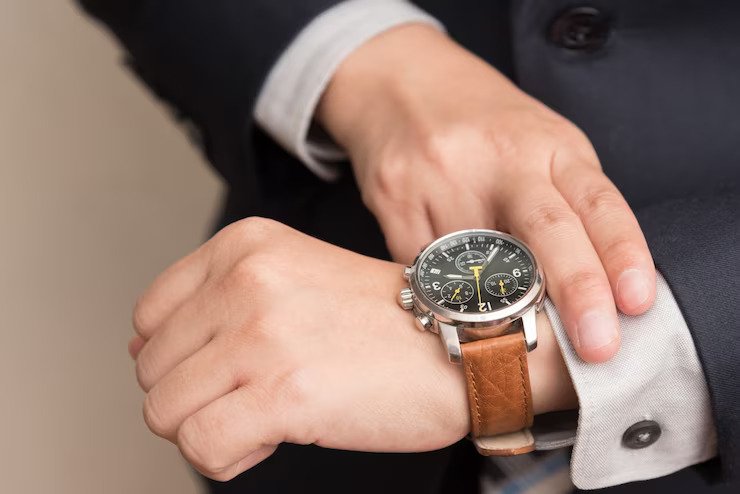
Picking the perfect strap for your vintage Rolex watch is like selecting the ideal suit tie–adding that final touch of elegance. The strap should match your watch’s character, enhancing its charm while offering comfort and style.

  • A leather strap conveys timeless sophistication. It’s like a well-fitted suit – it just works. Whether it’s a rich brown or a classic black, leather straps complement the vintage aura of your Rolex watch. Imagine the smooth touch of leather against your skin, resonating with the aged metal and history of the watch.
  • Stainless steel might be your go-to choice if your vintage Rolex has a sporty streak. The steel strap shows durability and sporty flair capturing the spirit of adventure. Its polished and brushed links add visual interest and blend seamlessly with the watch’s robust design.
  • The strap you choose should harmonize with your watch’s age and style. The strap becomes an extension of your watch’s personality. A leather strap might be the perfect partner if your Rolex exudes elegance. A stainless steel strap complements the watch’s boldness for a more rugged look.

Celebrating Aging

Patina is the mark of a vintage watch’s journey through time. Like the fine lines on a person’s face, patina adds character and depth to your Rolex watch for men. It’s a reminder that each scratch and discoloration has a story to tell.

  • Patina isn’t just fading – it’s a unique narrative of the watch’s history.The variations in hue showcase the watch’s exposure to different environments, making it more than a timekeeping tool.
  • While patina is cherished, striking a balance is essential. Too much patina can indicate excessive wear and affect the watch’s performance. However, a moderate amount adds charm without compromising functionality.
  • Caring for the Journey: Preserving the patina requires delicate care. Gently cleaning the dial with a mild solution maintains its charm. If needed, professionals specializing in vintage watch restoration can help preserve the patina, ensuring its beauty persists through time.

Conclusion

Caring for your men’s vintage Rolex watch is a testament to your appreciation for the artistry of timekeeping. From storage to regular servicing, every step contributes to preserving its legacy. You’re not just caring for a watch; you’re nurturing a piece of history that deserves to shine for years. So, be responsible, celebrate the patina, and let a trusted company be your partner on this journey. Let’s ensure the stories woven into your vintage Rolex watch continue to tick eloquently through time.

Read Also:

Ankita Tripathy loves to write about food and the Hallyu Wave in particular. During her free time, she enjoys looking at the sky or reading books while sipping a cup of hot coffee. Her favourite niches are food, music, lifestyle, travel, and Korean Pop music and drama.

View all posts

Leave a Reply

Your email address will not be published. Required fields are marked *

Related

Tattoo Shops Finding Your Perfect Ink Haven

The Ultimate Guide To Tattoo Shops Finding Your Perfect Ink Haven

Tattoos have come a long way from being associated with rebellion and counterculture. In today's world, they are celebrated as forms of self-expression, art, and storytelling. If you're considering getting inked, the first step is finding the perfect tattoo shop. In this comprehensive guide, we'll explore everything you need to know about tattoo shops near me, from choosing the right one to taking care of your new masterpiece. Tattoos are no longer just ink on skin; they're expressions of identity and artistry. Finding the right tattoo shop is crucial to ensuring a positive and safe tattooing experience. This guide will walk you through the process, from understanding different tattoo styles to selecting the ideal tattoo parlor. Understanding Tattoo Styles Understanding different tattoo styles is essential, but it's equally important to know that if your style preferences change over time, tattoo removal is effective, providing a way to evolve your body art along with your personal tastes. Before you step into a tattoo shop, it’s essential to know what style you want. There are various styles to choose from, including: Traditional Tattoos Traditional tattoos are characterized by bold outlines and a limited color palette. They often feature classic designs like anchors, roses, and hearts. Realism Tattoos Realism tattoos aim to replicate the appearance of a photograph or real-life object. These tattoos require an artist with exceptional attention to detail. Watercolor Tattoos Watercolor tattoos use vibrant colors and techniques that resemble watercolor paintings. They are known for their artistic and unique appearance. Researching Tattoo Shops Finding the right tattoo shop begins with thorough research. Here are some steps to consider: Word Of Mouth Recommendations Ask friends and acquaintances with tattoos about their experiences. Personal recommendations can provide valuable insights. Online Reviews Check online platforms like Yelp or Google for reviews of local tattoo shops. Pay attention to both positive and negative feedback. Visiting Tattoo Shops Don't hesitate to visit tattoo shops in person. Observe their cleanliness, the behavior of the staff, and the overall atmosphere. The Importance Of Cleanliness Cleanliness is non-negotiable when it comes to tattoo shops. Ensure that the shop you choose follows strict sterilization and hygiene practices. Sterilization And Hygiene Practices Tattoo equipment should be sterilized between uses, and artists must use disposable needles and gloves. Licensing And Certification Verify that the shop and artists are licensed and certified by relevant health authorities. Tattoo Artist's Portfolio The portfolio of a tattoo artist speaks volumes about their skills and style. Take time to review their previous work. Examining Their Previous Work Look for consistency in their art, attention to detail, and the ability to execute various styles. Matching Style And Vision Choose an artist whose style aligns with the vision you have for your tattoo. Communication Is Key Effective communication with your chosen artist is essential to get the tattoo you desire. Discussing Your Ideas Clearly convey your ideas, preferences, and any specific elements you want in your tattoo. Clarifying Pricing Discuss pricing upfront to avoid any surprises later in the process. The Tattooing Process Once you've chosen a tattoo shop and artist, you'll go through the tattooing process. Preparing For Your Tattoo Session Follow any pre-session instructions provided by the artist to ensure a smooth experience. The Tattooing Experience During the session, relax and trust your artist. They will guide you through the process. Aftercare And Healing Taking care of your tattoo after the session is crucial for its longevity and appearance. Proper Tattoo Aftercare Follow the aftercare instructions provided by your artist, including cleaning and moisturizing the tattoo. Avoiding Tattoo Infections Be vigilant for signs of infection and consult a healthcare professional if needed. Choosing The Right Tattoo Shop Consider location, personal comfort, and the overall atmosphere when selecting the perfect tattoo shop. Location And Convenience Choose a shop that is easily accessible and suits your schedule. Personal Comfort And Atmosphere You should feel comfortable in the shop, as you'll be spending a significant amount of time there. Selecting the right tattoo shop is a crucial step in your tattoo journey. With the right research and communication, you can ensure a safe and satisfying experience. Read Also: How Many Jobs Are Available In Real Estate Investment Trusts? How to Download Game Of Thrones Putlocker Online for Free? 0123Putlockers And Servers – Watch Movies Online

READ MOREDetails
Dress for Winter

Choosing a Dress for Winter 2021

The new fashion season lays down the rule. Although the cold weather sets in, designers tell women not to forget about elegance, sophistication, and brightness. Therefore, the wardrobe must-have beautiful and stylish dresses. Our friends from Joy-pup write about the fashionable dresses for winter 2020-2021, so you’ll get to know what style and prints a modern girl should choose to look gorgeous. We will also share some tips on how to choose an outfit. Winter dresses 2021- main trends In the season of falling leaves, you can be bright, bold, and interesting. Stylists recommend being open to experiments. But which dress to choose for the winter to look stylish and chic? Turn attention to the following models: Western-style dresses with fringe; Models with unusual cutouts; Dresses made of black lace, which look very seductive; Models with a turn-down collar, delicately pleated dresses. If you like a bright and unusual style, fringed models are a good option. Designers in their collections offer both mini and long dresses. They can be decorated with belts or asymmetries. When considering which dress is best to choose, look at warm and comfortable models. They will help you keep warm during the cold winter. These are wonderful knitted turtleneck models, dresses with belts, pockets, lace inserts. Leather dresses are also a good option. What dress to choose for winter - practical advice If you don't know what will suit you best, here are a few tips. Consider your body type. The dress should emphasize its benefits and hide its flaws. Don’t choose an immodest mini for everyday looks. Pay attention to the cut. Asymmetry, large cutouts, slits are in fashion. Dresses with prints are perfect for winter. Do not deny yourself the pleasure of wearing models with floral prints, checked or dotted. What dresses are fashionable in the winter of 2021   Stylists encourage girls to dress brightly and stylishly. Explore the fashion trends of winter and be stylish by choosing an interesting outfit. Visit the Joy-pup website where experts share the top fashion trends and give advice on what to wear this winter. We would like to note the most interesting clothing this season. Fashionable dresses for winter 2021 are fringe and lace models that look very pretty. Leather models remain popular - with sleeves or straps, with a flared or fitted skirt. Cozy knitted models are a good choice for cold winters. Also, dresses are sequins, cutouts at the waist and draperies are among the fashion trends for winter. Flounces, which give the image a romantic look, remain relevant. In terms of shades, yellow is the most beneficial, but you can also choose other interesting colors. Read Also: Choose The Latest Collection Of Women Clothing For a Stylish Look Men's can now have a comfortable winter season What Not to Wear (and What to Wear Instead) How To Wear A Denim Jacket To Any Occasion Ladies Formal Styling Tips for Winter

READ MOREDetails
Art Of Hair Regrowth

The Art Of Hair Regrowth: 3 Techniques For Restoring Your Crowning Glory

Thinning or balding hair can happen to anyone at any time. It can be triggered by genetics, stress, or a traumatic event. Regardless of its underlying cause, losing hair can be panicking. Whether your locks have thinned out all over or you have a noticeable receding hairline, you may feel compelled to action. Fortunately, there are a variety of hair regrowth options at your disposal. From taking medication to making lifestyle changes, here are three techniques for restoring your crowning glory. 1. Use Hair Growth Medication Hair loss has plagued humanity for many years, prompting researchers to come up with a solution. Unfortunately, there is still no instant cure for balding or thinning hair (beyond wearing a wig). However, there are medications that can help with hair regrowth over time. Two of the most popular are minoxidil and finasteride. Here’s what to know about these medications and how they can help you reach your hair restoration goals. Minoxidil Minoxidil is a vasodilator, which means it improves blood flow by relaxing the blood vessels. It is commonly used to treat high blood pressure, but it also shows great results for pattern hair loss. It works by stimulating the hair follicles and encouraging the regrowth of stronger, thicker strands. Topical 2% or 5% minoxidil solutions are FDA-approved for treating hair loss. Finasteride Like minoxidil, finasteride is approved by the FDA for treating hair loss. But it is only approved for use by males. Finasteride is not safe for females of child-bearing age because it can cause birth defects. Finasteride is a 5-alpha reductase inhibitor, meaning that it blocks dihydrotestosterone. DHT is one hormone responsible for male pattern baldness. By blocking it, finasteride may prevent further hair loss. 2. Try Hair Loss Surgery Hair loss medication may not provide satisfactory results for everyone who tries it. If you need another solution for your hair-thinning problem, surgery may be a viable option. There are several different hair restoration surgeries out there. It’s important to understand how they each work so you can select the right course of action for your situation. Here is a brief overview of the different hair surgeries available to you. Hair Transplantation If you want the most natural-looking results, consider getting a hair transplant. You can choose between follicular unit transplant and follicular unit extraction. FUT, also occasionally called strip surgery, involves taking a strip of hair-covered skin from a donor area (usually the back of the scalp). Then, the donor skin is separated into tiny units of several hair follicles each before being transplanted into the desired area. FUE is a similar procedure. But instead of taking a strip of skin from the donor area, a surgeon removes individual follicles. Then, the surgeon transplants those individual follicles to the desired treatment area. This technique results in less trauma and scarring to the donor area. When FUE is performed by a skilled surgeon, the end results can be exceptional. Scalp Reduction Scalp reduction is a surgical procedure for balding that involves removing areas of the scalp impacted by hair loss. Then, areas of the scalp with dense hair are stretched and sutured to replace the removed pieces of skin. Scalp reduction may provide good results for some people. However, the surgery can be intense and comes with a heightened risk of cosmetic complications. There is also an increased risk of blood flow disruption and hair regrowth in unnatural directions after this surgery. Flap Surgery Flap surgery for hair loss involves relocating a large flap of intact scalp from the side of the head to the front of the head. This surgery quickly covers up signs of balding and may be a viable solution for those with a receding hairline. However, it is a risky surgery that could result in unnatural hair regrowth, extensive scarring, and potential death of the flap tissue. Your surgeon may recommend safer procedures such as FUT or FUE over flap surgery. 3. Make Lifestyle Changes You may have more control over the health and thickness of your hair than you realize. Depending on the underlying cause of your thinning hair, certain lifestyle changes may aid your hair regrowth journey. Diet One of the most important lifestyle factors affecting hair health is diet. If your daily meals mostly consist of fried foods and takeout, consider making a switch. Eating a nutritious diet that’s rich in B vitamins, vitamin A, and zinc helps ensure your body has what it needs to produce hair. If you struggle with nutrient deficiencies, taking a multivitamin may also help boost hair growth. Stress Stress is another major factor contributing to hair loss. If you are dealing with chronic stress, finding ways to reduce it can benefit your hairline. Consider deep breathing exercises, trying a new hobby, or spending more time with loved ones. Hair Care Practices The way you treat your hair can also contribute to loss. Cutting back on hair colouring appointments and other harsh hair treatments can give your hair time to heal. Avoid tight hairstyles that pull at the follicles. Wearing tight ponytails, braids, or cornrows can lead to hair loss called traction alopecia. Wear your hair naturally every once in a while, if you can. Healing any part of your body takes time. Therefore, you shouldn’t expect any of the above changes to immediately reverse hair loss. But with patience and persistence, the above lifestyle choices may eventually help you get your gorgeous locks back. Get Your Hair Back Losing your hair can feel like a helpless and hopeless experience. But for many people, it doesn’t have to be permanent. Whether you’ve developed bald or thinning areas due to genetics or some type of traumatic event, prompt action can make all the difference. Try one or more of the techniques to stop hair loss in its tracks and restore your hair. Read Also: How To Spot Hair Loss Early How Can You Let Your Hair Regrow Naturally? 6 Proven Ways to Deal with Hair Loss for Women  

READ MOREDetails