












Use Organic Products To Prevent Gray Hair

Published on: 20 December 2018 Last Updated on: 29 January 2022
Organic Products

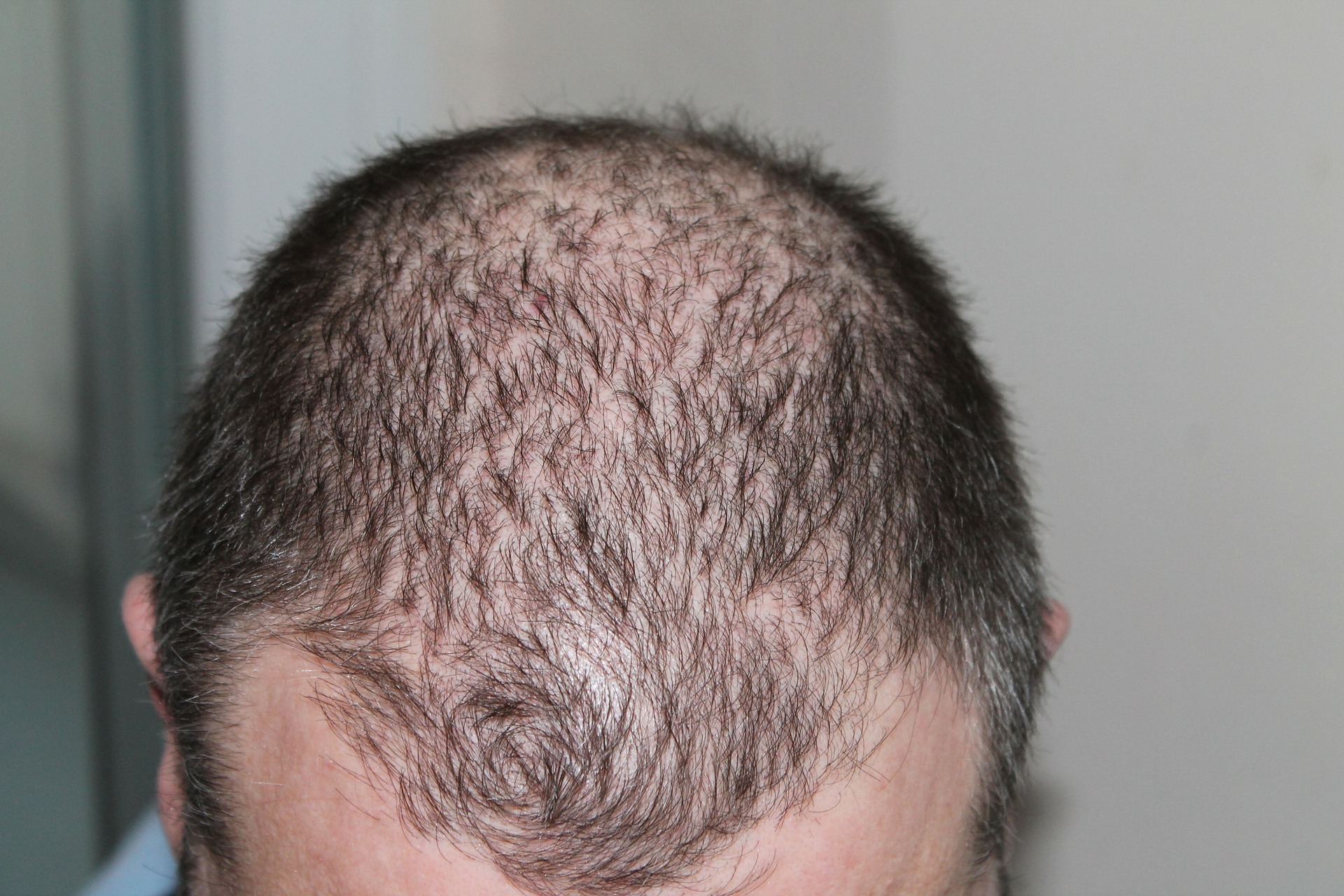
When it comes to beauty products, there is always so much more than what meets your eye. Numerous health companies have faced concerns about beauty products like makeup and the complaints are at an all-time high. When you realize that these products cause a health problem, it is important to make a well-informed buying decision. The cosmetic companies are not under any obligation to forward the complaints on their products to the food and drug administration in the US. These products which include hair products can be a harmful decision for a person which may result in Gray Hair or white.

Further, the beauty product manufacturers are also not under any obligation to get the market approval of their products before they enter a store. The effectiveness and the safety of the products are rarely tested by professionals. This is why it is time you consider using products that are organic and have only natural ingredients. You might have to pay slightly higher for the same but it will be safe for you to use.

What Are The Ways To Prevent Gray Hair

The Rise In Premature Graying:

Apart from the complaints about irritation and skin, there is an increase in cases of premature greying of the hair amongst young and middle-aged women. The most common reason for the same is the lack of nutrients that your hair needs in order to remain thick and full. Another important reason for greying hair is the ingredients that go into your beauty products. Keratin is an important protein that helps the growth and maintenance of strong and healthy hair. If you do not consume adequate protein in your diet, there will be a direct impact on the quality of your hair. In addition, if your body has a deficiency of vitamins like Vitamin B, Vitamin D, and minerals including zinc, iron, and calcium, your hair will not be able to retain health and strength.

This is why you need to pick beauty products that have natural ingredients and will ensure that the hair looks and grows strong and healthy in the long run. When you use products that contain natural ingredients, you combat premature whitening or greying of your hair. There is one more reason why you require these vitamins. Due to excessive stress, the body will use up Vitamin B and when you address the stress problems, you are taking the first step to reverse your gray hair.

Stay Away From Toxic Ingredients:

There are a number of toxic ingredients which have made their way into your beauty products despite the warnings given by the laws. You should opt for products that have the maximum amount of natural ingredients but if you are using other products, you need to ensure that it does not have toxic substances. It never hurts to know the ingredients which you should avoid in every product.

The topmost harmful ingredients are:

1. Coal Tar:

A carcinogen, coal tar is banned in the EU and is found in anti-dandruff shampoos and anti-lice products. It is also found in products that offer dry skin treatment.

2. DEA/MEA/TEA:

These products are used as foaming agents in soaps and shampoos and are carcinogens.

3. Mercury:

Typically found in mascara, mercury is linked with degenerative effects on the development of the brain.

4. Formaldehyde:

This ingredient is a carcinogen suspect and is found in shampoos, nail polishes, and hair color. It is also banned in the EU.

5. Hydroquinone:

Also banned in the UK, the ingredient is found in whitening solutions and can lead to reproductive anomalies.

Are Natural Products The Best Choice?

The answer is simple and straightforward, yes natural skin products are better and good for your body and skin. They are also environmentally friendly and do not contain any artificial ingredients. Made out of natural oils and plants, they do more good to your skin. It is not harmful to go fully organic but even organic skin products might contain some additives. Hence, it is best to check the ingredients and see if there are any additives present. Fully organic products are devoid of any additives and are slightly expensive but a good bet.

Natural products are derived from plants and minerals and then refined through biological processes. The process will use basic chemicals and technologies that are simple and harmless. There is nothing more important than your hair and skin and this is why you need to carefully choose products that are organic and do minimal harm to you. You will notice a significant change when you replace your chemical products with organic products that have minimal additives.

Read Also:
Content Rally wrapped around an online publication where you can publish your own intellectuals. It is a publishing platform designed to make great stories by content creators. This is your era, your place to be online. So come forward share your views, thoughts and ideas via Content Rally.

View all posts

Leave a Reply

Your email address will not be published. Required fields are marked *

Related

High Cholesterol

Health Tips For Managing High Cholesterol

High cholesterol levels can be caused by your hereditary makeup, a diet high in excess fat, and obesity. If you've lately been diagnosed with high cholesterol, discussed below are tips to combat the condition: Health Tips For Managing High Cholesterol: 1. Track the Cholesterol Level Frequently As stated by the American Heart Association, the risk of a heart attack with a total cholesterol level of 240 mg/dl is twice as high as for a person with a cholesterol level of 200 mg/dl. Most doctors want total cholesterol below 200 mg/dl, meaning that LDL (bad cholesterol) is less than 130, and HDL (good cholesterol) is above 40. Observing or monitoring your cholesterol level can help you achieve the right cholesterol balance. 2. Read Resources by Yourself Ensure you explore the topic of cholesterol and learn as much as you can. Remember that our body produces and makes use of cholesterol to help execute certain vital functions, such as building new cells and creating hormones. It appears that low HDL levels can intensify your risk of heart problems. Saturated fats in most foodstuffs are blamed for increasing cholesterol. It is important to identify treatment options that are accessible to both conventional medicine and substitute treatments so that you can make a good decision. The choice of traditional or alternative medicine is determined by your present cholesterol level, your overall health, and your way of life. Some people like to take statins to lower cholesterol, while others do all they can to evade them. Make sure you tell your doctor about all of the treatment methods you have chosen. 3. Lose Weight If you're carrying some excess weight, dropping part of it can lower cholesterol, as well as improve your overall health. Being overweight can interrupt normal fat metabolism. Do not start on an accelerated diet, but watch for a slow and stable loss of half to one pound per week. Combining this with regular exercise can lower your risk of high blood pressure and diabetes. 4. Exercise Regularly Spend 30 minutes a day walking briskly or doing moderate exercises such as cycling, aerobics, swimming, or running. Following the NHS exercise recommendations are useful for lowering dietary fat and the risk of heart disease. 5. Make a Distinction between Good and Bad Fats Research has revealed that a diet rich in monounsaturated fats lowers the risk of coronary heart disease by decreasing LDL cholesterol levels while increasing HDL. This kind of good fat is found in olive and peanut oils, avocados, and nuts (mainly walnuts and almonds). Also, the unsaturated cholesterol counteracts swelling in the arteries and prevent damage to the blood vessels. Limit your intake of saturated fats (mainly animal products such as cheese, butter, fatty meat, and whole milk) and trans-fats (salad dressing, margarine, cakes, pastries, and snacks) as these can increase cholesterol levels. Omega-3 fatty acids are an additional group of HDL. They are found in oily fish such as salmon, tuna, mackerel, and sardines. They can decrease LDL and triglycerides. However, to benefit from omega-3, you need to lower your total saturated fat intake. 6. Increase in Fiber Consumption Vegetarians are known to have lower fat levels and a lesser risk of heart disease than meat lovers. Plant products, such as fruits, whole grains, vegetables, and beans, are all high in fiber. There are two main types of fiber - soluble and insoluble, with the soluble form lowering cholesterol absorption in the arteries. 7. Eat Compound Starches Whole grain pasta, root vegetables, brown rice, barley, oats, and whole-grain dough are complex starches that are not just high in roughage, but also have many vitamins, minerals, phytochemicals, and Life essentials nutrition. They help lower cholesterol. Try to reduce your consumption of refined starches like cookies and white bread, as this can increase the risk of high cholesterol. 8. Drink Green Tea A good and healthy substitute for soft drinks and other sugary drinks is green tea. Studies have revealed that it aids in lowering LDL cholesterol. 9. Eliminate Stress Studies have found a link between job stress and disturbances in cholesterol levels. Stress and the associated emotions such as fear, tension, depression, and anger cause the discharge of hormones that tighten the arteries, reduce the flow of blood to the heart, and increase blood pressure and heart rate. These reactions, along with increased cholesterol, can significantly increase the likelihood of a heart attack. To get rid of stress, leave the situation by taking a short walk, taking a deep breath, meditating, stretching, or listening to soft music. This allows you to cool down and relax. 10. Stop Smoking Smoking not only lowers HDL, which is the good cholesterol, but it also comes with a whole host of adverse health effects, such as an increased risk of many cancers, stroke, and heart disease. Following these tips will go a long way to ensuring your cholesterol level returns to the normal range. Losing weight, exercising regularly, and improving your diet are also great for your health and general well-being, so there's no excuse for avoiding these positive changes. Read Also: 11 Effective Ways To Improve Testosterone Levels In Your Body 5 Natural Immune System Supplement Tips for Cold and Flu Season

READ MOREDetails
First Aid Tips

15 Must-Know First Aid Tips For Everyday Situations

Unexpected accidents and injuries might occur, leaving you feeling unprepared and powerless. Having a basic understanding of first-aid procedures might help you deal with emergencies much more effectively. Whether you’re at work, home, or in the wide outdoors, this useful first aid advice will help you act quickly and effectively, perhaps even saving a life. 1. Cuts And Scrapes Use soap and water to clean the wound carefully. After that, dab on an antibiotic cream and wrap it in a sterile bandage. Remember to watch out for any indications of an infection, such as growing discomfort, redness, or swelling. 2. Burns Apply cool water to the burned area for ten to twenty minutes if it’s minor. After that, dab on some aloe vera gel or sterile gauze. Severe burns should also be treated medically, as they may need to be handled by professionals. 3. Choking When someone chokes, the Heimlich maneuver may save their life. Standing by someone suffering in this circumstance is one thing you can do to support them. Then, to free the obstruction restricting their airway, put your arms around their waist and shove inward, right below the ribs. 4. Sprains And Strains Remember RICE, which stands for Rest, Ice, Compression, and Elevation, to treat sprains and strains immediately. These factors are essential for treating these wounds and avoiding more discomfort. It would be best to refrain from placing any weight on the injured area before using this procedure. To lessen swelling, apply cold packs, compress with a bandage, and keep the affected area elevated. 5. Fractures If you think you may have a fracture, get medical help right away and immobilize the affected area with a splint or sling. Moving the person should only be done when essential to prevent the injury from worsening. 6. Heart Attacks Understand the warning indications of a heart attack, which include upper body discomfort, shortness of breath, and chest pain. Make an instant call to emergency services if this occurs. Additionally, to help thin the blood, have the conscious person chew and take aspirin. 7. Strokes To determine whether someone is having a stroke already, remember the acronym FAST. Face drooping, arm weakness, speech impediment, and time to call emergency assistance are collectively referred to as FAST. In this kind of scenario, time is of the essence in reducing the possible harm that could result from a stroke. 8. Bleeding Using a clean cloth or bandage, apply direct pressure to the cut and raise the affected region. Seek emergency medical assistance if the bleeding is extreme or doesn't stop. 9. Allergic Reactions If an epinephrine auto-injector is available, use it if someone has a severe allergic reaction. In addition, make an emergency aid call and keep an eye on the person’s breathing and level of consciousness. 10. Poisoning If you suspect poisoning, contact the Poison Control Center right away. Additionally, you have to make an effort to identify the chemical you used and adhere to the advice of professionals. 11. Heat-Related Emergencies Learn the warning signs and symptoms of heat stroke and exhaustion, particularly in the sweltering summer months. Move the individual with a heatstroke as soon as possible to a cooler location, give them some water, and use a cool compress to bring down their body temperature. 12. Hypothermia And Frostbite Become familiar with the signs of frostbite and hypothermia, particularly during the winter. Preventing future difficulties can be achieved by learning how to treat frostbite properly or how to gradually warm and rehydrate a person suffering from hypothermia. 13. Seizure Response One can guarantee the safety of the person experiencing a seizure by knowing how to support them during the event. It would be best if you timed the length of the seizure, cleared the area around them, and cushioned their head as some of the first actions you do. 14. Animal Bites And Stings By being aware of the proper first aid protocols for various animal bites and stings, one can lessen the likelihood of infection and allergic reactions. It is imperative that wounds be cleaned properly and that medical treatment be sought if necessary. 15. Drowning Incidents Learn the fundamentals of being safe in the water and preventing drowning. Acquiring knowledge of water rescue techniques and fundamental life-saving measures can greatly increase the likelihood of a drowning victim’s successful resuscitation. Essential Life-Saving Skills To Learn For Emergencies These two approaches are regarded as the most important to master while learning first aid skills and techniques since they have the potential to save a lot of lives. CPR (Cardiopulmonary Resuscitation) When a person has a cardiac emergency, knowing CPR can be quite helpful in preserving their life. Until expert medical assistance arrives, proper chest compressions and rescue breaths can maintain the flow of oxygenated blood to crucial organs. AED (Automated External Defibrillator) Use Understanding how to use an AED can significantly increase the chances of survival for someone experiencing sudden cardiac arrest. Many public places, such as schools, airports, and shopping malls, are equipped with AEDs for immediate use. Important Aspects Of First Aids And Life-Saving Methods Aside from applying the necessary first aid for any physical injuries, there are also other important aspects to learn as you deal with first aid and various forms of life-saving methods. Emotional Support Recognize the significance of providing emotional support to people in distress. Being empathetic, reassuring, and calming can significantly aid the recovery process for those affected by an emergency. Emergency Preparedness Planning Encourage the creation of an emergency preparedness plan for households and workplaces. This plan should include vital information, such as emergency contacts, evacuation routes, and the location of first aid kits and AEDs, to ensure swift and organized responses during crises. Mental Health First Aid Acknowledge the importance of mental health first aid and the need to understand the signs and symptoms of mental health crises. Encouraging open communication and directing individuals to appropriate professional resources can provide crucial support for those struggling with mental health challenges during stressful situations. Learn Life-Saving Skills By having a basic understanding of these first aid tips, you can provide timely assistance during critical situations. Remember, remaining calm and focused is crucial in delivering effective aid. Regularly refreshing your first aid knowledge and attending a certified and cheap first aid course can further boost your confidence in handling emergencies. Make it a personal responsibility to equip yourself with these must-know first aid skills. Your swift action might be the beacon of hope for someone in distress. Additionally, stay informed, stay prepared, and be the difference when it matters the most. Read Also: Achieving Aesthetic Excellence: How Skin Clinics Deliver Beautiful Dermal Results Self-Care Deficit Nursing Theory In Adult Gerontology Nursing How to Use Practice Analytics to Improve Your Dental Practice

READ MOREDetails
baby sleeps

Things to do before bed for a perfect night’s sleep

Good sleep is usually described as how a baby sleeps. A baby is likely to enjoy quality sleep because they have no worries or anything that could hinder that perfect sleep. However, as you grow up, sleep quality tends to deteriorate because of different factors associated with adulthood. It is very important to have enough and good sleep as it has a significant effect on your body in terms of health and general activeness. You need to adopt the habit of sleeping early and having uninterrupted sleep time for about 7-9 hours every night. What should you do before bed to have a good night's sleep? Tidy your room. Study shows that people with clean and decluttered rooms tend to sleep better than those whose rooms are untidy and unkempt. Make your bed, fold your clothes and keep your room in order. Finish up your daily chores. Once the day is over, you should have finished everything you had planned for that day. Wash that blue cantilever umbrella you had planned to by the end of the day. By doing so, your mind will be able to relax when you get into bed. Eat dinner early. Most people will have their meals so late in the night that they end up sleeping late. It is better to eat early so that you can give the food time to digest. Doing that will actually help you sleep better. Make your bed comfortable. This includes changing your bedsheets into clean ones and getting the right sized pillow and mattress. You should also get s blanket that will shield you from the cold at night and is soft to your body as well. Take a warm bath. This helps to cool off your body and prepare it for sleep. Bathing with warm water will get your body temperature going down when you step into the cool bedroom from the shower. That helps induce sleep. Set the room temperature. You do not want a room that is too hot to sleep in or too cold that you cannot sleep. Regulate the temperature to what you feel is comfortable for you. Organize your thoughts. Going to bed with a lot of unorganized thoughts will keep you up for hours. Make sure you write down anything disturbing you and try to find a solution before you can sleep for better sleep quality. Switch off electronics. Things like phones, laptops, and TV should be switched off 2 hours to sleeping time. The blue light produced by these gadgets is not so good for your eyes when you want to sleep. Eat cherries. As I said, you should not eat right before bed. However, you can snack on some cherries as they are natural sources of melatonin which is a sleep-inducing hormone. Block any light from outside. You could switch off your electronics but there is still light coming from the outside. Total darkness is the recipe for sleep. Use dark and heavy curtains to block any light coming from the outside. Read a book. This is a good way to spend the last minutes before bed. Make sure the book does not require a lot of intellectual engagement and neither is it too exciting to take away your sleep. Listen to soothing music. There are people who cannot sleep in total silence. If you're one of these people, get some soothing music and play it in low tones right before you sleep. Spray some lavender scent into your room. Lavender is associated with having a calming and sedentary effect on you. It will help you sleep much faster and better. Conclusion : Don't deny yourself the opportunity to sleep better by ignoring some of these things that are necessary for a good night's sleep. In fact, these things are very easy to do and they can have a tremendously positive effect on your sleep life. Observe each one of them and make it a routine before you go to bed. Within a month or so, your body will have adapted to the change and you won't have to keep a reminder anymore. You'll be doing these things naturally. Invest in good sleep and your body will thank you for it. Make sure that everything is done to your preference for an easy time. Read Also : 5 Ways To Make A Big Statement In Small Bedroom 3 Tips On How To Plan The Best Cheap And Fabulous DIY Bedroom Makeover 5 Innovative Ideas To Lend Your Bedroom With More Space

READ MOREDetails