












5 Best Things To Know Before Renting A Property In Kings Cross
Published on: 10 May 2021
Last Updated on: 02 January 2025
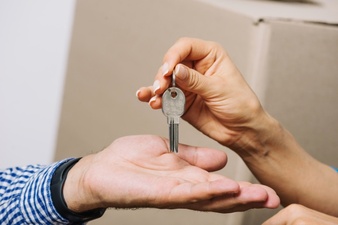
Kings Cross is located amid the boroughs of Islington and Camden in the heart of London city. It is one of the oldest districts and an important transport hub of the UK.
Kings Cross is well-linked with other parts of London and Europe that makes it a prominent region. Central London is a region which is in most demand despite the bustling streets and the crowded neighbourhoods. Learn about how to become a British Citizen by clicking here.
After numerous renovations in the last few years, the empty streets are now filled with a variety of households like studio apartments, modern flats, comfy penthouses, and more.
Many constructions emerged in Kings Cross with time, making it a potential place of business and commutation. The well-established line-up of markets, schools, shops and restaurants in this region makes it a perfect place to live.
Most of the residential households of Kings Cross are based on Victorian and Georgian architecture with thoughtfully built terraces.
Many people hunting for homes take the help of letting agents in Kings Cross, the local property experts. The demand for households in Kings Cross has always been high leading to the emergence of newly built chic flats and studio apartments.
Renting in Kings Cross is more feasible compared to buying a property in that region. However, being a significant industrial hub and the transport nerve centre in London, finding homes become a long and tiring process.



Popular

Technologies For Creating A Startup Idea
20 Feb 2023

How to Download Facebook Videos on Android?
07 Feb 2019

7 Rules of Effective Ecommerce Web Design
28 Jan 2021

Why Are Online Transactions Convenient?
07 Dec 2023

Recent
Related
What Is A Typical Radon Test Fee? Understanding Costs And Factors
When considering the safety of your home, radon testing is a crucial step. Radon is an odorless, colorless, radioactive gas that can pose serious health risks if present at high levels. To determine if your home is at risk, professional radon testing is advised. The cost for this service can vary based on several factors, including the size of your home and the complexity of the testing required. The fee for a radon test typically ranges from $146 to $716 for a professional inspection. This range factors in the methods used for testing, the size of the area being tested, and whether additional diagnostic tools are required. Understanding these costs is essential, especially considering the potential health implications of radon exposure. Keep in mind that while DIY test kits are a less expensive initial option, ranging from $10 to $50, they often include laboratory analysis fees. However, it is recommended to use professional test services as they include requirements about the placement of tests, analysis, and recording and including proper test conditions for a final risk assessment For those seeking the most accurate assessment of radon levels in their home, hiring a professional is generally the most reliable option. Understanding Radon Testing Radon testing plays a crucial role in maintaining a healthy indoor environment, as radon exposure is a known health risk. This section will detail the significance of radon testing and outline the typical process involved. The Importance of Radon Testing Testing for radon is essential because this odorless, colorless gas is the second leading cause of lung cancer after smoking. Radon naturally emanates from the decay of uranium in the soil, and without testing, there's no other way to determine if your home's levels are safe. Regular radon testing ensures that any dangerous concentration is identified and mitigated promptly, protecting you and your family from the associated health hazards. How Radon Testing Works To conduct radon testing, various devices are available, ranging from passive kits to sophisticated radon monitoring solutions. Passive devices, like charcoal canisters, collect radon samples over a specific period. In contrast, active devices like the Model 1028 XP: Professional Continuous Radon Monitor continuously measure levels, providing more dynamic data. These active monitors are preferred for their ability to deliver real-time measurements and create detailed reports, informing you about fluctuations in radon levels and allowing for a comprehensive understanding of your indoor air quality over an extended period. Factors Influencing Radon Test Fees When you're looking to test your home for radon, various factors will determine the cost. Understanding these can help you budget more effectively for a radon test. Test Duration The length of time a radon test takes can affect the price. Short-term tests may last from 2 to 90 days, while long-term tests exceed 90 days; the latter typically being more expensive due to the comprehensive data they provide. Type of Test You have options between DIY radon testing kits and professional radon testing services. While an at-home kit can cost between $10 and $75, professional service includes the necessary expertise and equipment, incurring higher fees. Test Location The price of a radon test can vary depending on your geographic location. For instance, tests conducted in regions with known radon prevalence may involve additional precautionary steps, potentially increasing the cost. Professional Expertise Opting for a certified radon inspector adds value as they bring specialized knowledge and accuracy. The complexity of your home's structure can also necessitate more time-consuming and thus, costlier, inspection methods. Average Cost of Radon Testing When exploring radon testing for your home, you'll find that prices can vary widely based on location and the type of test you select. Understanding these costs is essential for planning your budget effectively. By Region The cost of radon testing can differ depending on the region due to factors like demand, the prevalence of radon, and labor costs. In some areas, testing can be as affordable as $100, while in others it might reach up to $1,200. For example, homeowners can expect to pay an average of $420 for a radon inspection. By Test Type Radon testing varies not only by price but also by the methodology and duration of the test. Short-term tests may range from $10 to $30 for home test kits, whereas professional long-term testing or the use of a continuous radon monitor could cost significantly more. Tools like a continuous radon monitor might incur higher upfront costs but provide more detailed information over time. Additional Costs and Considerations When budgeting for radon testing, it's important to factor in not just the base cost but also potential additional expenses. These can vary depending on several factors, including whether you require a more thorough inspection or if follow-up testing is necessary. Mitigation System Inspection If your property already has a radon mitigation system in place, you'll need to include the cost of an inspection to ensure it's functioning correctly. This typically involves checking the system's components like the fan and the vent and can add to your overall expenses. Follow-Up Testing After the initial radon test, follow-up testing may be recommended, especially if levels are close to or above the EPA's action limit. You may need short-term follow-up tests for a quick verification, or long-term tests for a more accurate assessment, impacting your total testing costs. Home Size and Test Complexity The size of your home and the complexity of the test required can also affect the cost. Larger homes or those with multiple foundations may need several test kits or longer testing periods, potentially increasing expenses. Remember, these costs are on top of the typical radon inspection fee which can range from $146 to $716, with an average of around $420. Your specific costs will vary based on these additional factors and the options you choose. Choosing a Radon Testing Provider When faced with the task of selecting a professional to conduct your radon test, focusing on their expertise and the variety of services offered will ensure you receive a reliable and thorough assessment of radon levels in your home. Certifications and Qualifications Certifications: Make sure the provider you choose is certified to perform radon testing in your state. The National Radon Proficiency Program (NRPP) and the National Radon Safety Board (NRSB) are two leading certification bodies. A certified tester will have a sound understanding of radon testing protocols and state-specific requirements. Qualifications: Beyond certifications, assess the provider’s experience and training. Years in the field and specialized knowledge can greatly influence the accuracy of your radon test results. Experienced professionals will also be adept at using the most current and effective testing methodologies. Service Comparisons Range of Services: Compare different providers based on the scope of services they offer. Some may only conduct tests, while others provide comprehensive services including radon mitigation. It's crucial to understand whether follow-up services are available, should your test results show high radon levels. Test Types: Ensure they offer both short-term and long-term testing options to suit your specific needs. Equipment Used: High-quality, calibrated equipment yields more accurate results. Verify the type of devices used in testing. Pricing: Prices can vary, with professional radon inspection costs ranging between $146 to $716, with a common average being around $420. While cost is a factor, it shouldn't be the sole criterion. Lower prices may not always guarantee the same level of service as providers charging industry-standard fees. Interpreting Test Results Before you proceed with any steps following a radon test, it's crucial to accurately interpret the results. The test reveals the radon concentration levels in your home, allowing you to make informed decisions on necessary measures. Understanding Safe Levels Radon levels are commonly measured in picocuries per liter (pCi/L) in the United States. The Environmental Protection Agency (EPA) states that there is no completely safe level of radon exposure. However, levels less than 2 pCi/L are considered acceptable, while readings between 2 and 4 pCi/L suggest a moderate risk that warrants your attention. It's important to know that some organizations, like the World Health Organization (WHO), suggest more stringent action if levels surpass 2.7 pCi/L. Low radon levels: (<2 pCi/L) Moderate radon levels: (2-4 pCi/L) High radon levels: (>4 pCi/L) Conclusion Professional radon testing can vary in cost, generally ranging from $146 to $716 with a national average of around $420. Factors that can influence your radon inspection fee include the size of your home and the type of test conducted. For those preferring a more economical approach, DIY radon test kits are priced between $10 and $50 and include lab analysis. It's important to ensure accurate results, which might lead you to opt for a professional inspection over a DIY approach. Read Also: How Pests Control Maintains The Aesthetic Appeal Of Your Home Guide To Making Your Home Guest-Ready On Time Exploring Ideas For A Biophilic Home Design
READ MOREDetails
How To Secure Your Dream Home With A VA Loan
Purchasing a dream home often feels like a Herculean task. However, for veterans and service members, there's a silver lining in the form of a VA loan. While it's an enticing option with numerous benefits, how does one navigate its intricacies? Let's embark on a journey to understand the nuances of VA home loans and the steps to make your dream home a tangible reality. 1. A Glimpse into VA Home Loans: What Makes Them Unique? At its core, a VA loan is a mortgage option provided by private lenders but backed by the U.S. Department of Veterans Affairs. Think of this loan as a trusty steed, specifically bred for veterans, aiding them in their quest for homeownership. What sets it apart is the absence of a down payment. Stay updated on VA home loan rates to confidently explore the housing market and secure competitive terms when purchasing your dream home as a veteran. 2. Qualifying for the Loan: Meeting the Service Criteria The VA loan isn't a one-size-fits-all proposition. It's designed for a specific group: veterans, active-duty service members, National Guard members, and certain surviving spouses. Picture it as an exclusive club with specific entry criteria. To fulfill the eligibility criteria, one must meet service length requirements. It generally ranges from 90 continuous days during wartime to one hundred and eighty-one days during peacetime. Even a service length of six years in the Reserves or National Guard can be good. Knowing these prerequisites is the first step in the journey. SoFi experts say, “It is helping heroes find homes with VA home loans.” 3. The Financial Landscape: Navigating Credit Scores and Income While VA loans are known for their leniency, it doesn't imply a carte blanche approach. Lenders typically look for a credit score of 620 or higher, much like a filter ensuring the water (loan applicant) passing through is clean (financially sound). Furthermore, lenders scrutinize the debt-to-income ratio, ensuring borrowers aren't overextended. Envision it as a balance scale, weighing one's debts against one's income, aiming for equilibrium. Though each lender might have specific criteria, understanding these financial benchmarks ensures smoother sailing. Related: 10 Crucial Points To Master The Art Of Securing A Home Renovation Loan 4. House Hunting: Finding the Perfect Abode With the knowledge and potential loan assurance, the exciting phase begins: finding your dream home. VA loans are versatile, accommodating various property types, whether suburban houses, city condos, or rural homesteads. However, the chosen property must be the borrower's primary residence. Consider this as a quest, where you're not just seeking a house but a haven. Collaborate with real estate agents familiar with VA loans, as their expertise can be invaluable in locating properties that meet VA guidelines. 5. The Final Stretch: Securing the Loan and Closing the Deal Once the dream home is in sight, the culmination of the VA loan process begins. It starts with the property's appraisal to ensure its value aligns with the loan amount. Picture this as a final quality check, ensuring your chosen home is a worthy investment. Following this, all required documents are gathered, including income statements, service proof, and property details. The lender then reviews these details, and if all sails smoothly, loan approval is granted. The last step is closing the deal, where you officially secure your dream home, fulfilling the quest. Conclusion VA loans are more than just financial instruments; they're a token of gratitude, a bridge connecting veterans to their dream homes. As a part of the service, the members or veterans, when you envision the future, can you see your dream home on the horizon? If yes, perhaps the VA loan is the compass guiding you toward it. Happy house hunting! Read Also: Understanding Conforming Loan Limits In California: Unlocking Home Financing Opportunities Ways To Apply For A Personal Loan & The Reasons To Opt For This Loan. How A Business Loan Helps Business People In 2023
READ MOREDetails
Here’s How We Buy Houses Companies Work
In the dynamic world of real estate, "We Buy Houses" companies have become a notable trend. These businesses offer a quick, hassle-free alternative to traditional home-selling methods by buying homes for cash. Ideal for homeowners facing financial struggles, relocation, or foreclosure, or those who wish to avoid the usual complications of home sales, these companies provide a convenient solution. This blog article examines how these companies work, who can gain from their services, and important factors to remember when deciding to use them. Understanding "We Buy Houses" Companies "We Buy Houses" companies, also known as cash-for-home businesses, offer a unique alternative to traditional real estate selling methods. These companies make direct cash offers, allowing homeowners to sell their properties quickly and without the usual hassles of listing, staging, and waiting for a suitable buyer. This model is especially beneficial for homeowners needing to sell urgently, perhaps due to financial issues, relocation, or foreclosure avoidance. After purchasing, these companies refurbish the homes and sell them for a profit on the open market. While they typically offer below market value—accounting for repair costs and risk—their speed and convenience can make this a worthwhile option for many homeowners. Companies that purchase houses for cash function by acquiring properties regardless of condition. This way, homeowners are saved from the hassle of repairs or renovations. Following the acquisition, these companies invest in upgrades before reselling the property at a price. While this approach provides homeowners with a fast and convenient selling experience, these companies often offer less than the market value. This reduced price accounts for the expenses associated with repairs, the risks they undertake, and the expedited sale process. Despite receiving smaller returns, homeowners often find the speed and convenience appealing enough to consider it a valuable trade-off. The Operational Process Of Cash-For-Home Companies As mentioned earlier, "We Buy Houses" companies purchase homes in any condition, which means homeowners do not need to worry about repairs or renovations. After the purchase, they invest in necessary upgrades and resell the property for a profit. This strategy offers homeowners a quick and convenient selling process, but it's important to mention that these companies may offer less than the market value. However, this reduced price reflects the cost of repairs, the risk undertaken by the company, and the accelerated sale process. Despite the potentially lower returns, many homeowners appreciate the speed and convenience enough to consider it a worthy trade-off. Following the offer from the buyer, the homeowner can now accept or decline. If the offer is accepted, the sale can advance swiftly without being burdened by mortgage financing requirements. The company manages most sales process aspects, including closing costs and paperwork. The absence of mortgage approval speeds up the process, often enabling the completion of the sale in a relatively short period. Weighing The Pros And Cons Selling to a “We Buy Houses” company can be advantageous if you need to sell your North Carolina home for cash quickly, it lacks the resources for necessary repairs, or if your house isn’t attracting interest on the open market. However, it’s important to note that these companies can offer less than market value for homes because they account for the costs of renovations and the risk they take on by purchasing a house as is. Finding Reputable Companies To Buy Your Home For Cash To locate a reputable cash-for-home company, begin by conducting an online search for local companies. Seek out companies with informative websites that clearly outline their processes and services. Additionally, a well-established company will prominently display their contact details. Choosing a local company is advantageous as they possess a comprehensive understanding of the local real estate market, which can lead to more accurate offers. In addition to visiting the websites of various local businesses, consider multiple sources such as their website, customer reviews, testimonials, social media, and independent review sites. Positive feedback indicates reliability and good customer service. It's advisable to check if the company is accredited by recognized real estate organizations or business bureaus. Transparency is a hallmark of reputable companies. Wrap-Up: Selling Your Home For Cash Can Give You Quick Peace Of Mind When considering using the services of "We Buy Houses" companies, it is important to understand how they operate and their potential impact on certain homeowners. Such companies can provide a useful service for homeowners needing to sell quickly or those unable to afford repair or staging costs. However, due to their below-market rates, homeowners may not realize as much from their property as they would through a conventional real estate sale. Before committing to any choice of this magnitude, evaluating the advantages and disadvantages and exploring various options is a sensible approach. Read Also: 6 Expert Tips on How to Sell Your Own Home Fast Choosing a Mortgage Broker for Your Home Loan Application
READ MOREDetails