Published on: 05 July 2021
Last Updated on: 03 January 2025
There is an awe that greets the air when a classic car drives by, the sudden rush of excitement that propels your mind to wishing you had a classic car of your own. Car owners treat classic vehicles with a level of dignity not many have been accorded in their lives. If you have never had a classic car before, follow these guidelines, and you are good to go.
Choosing the Right Vehicle
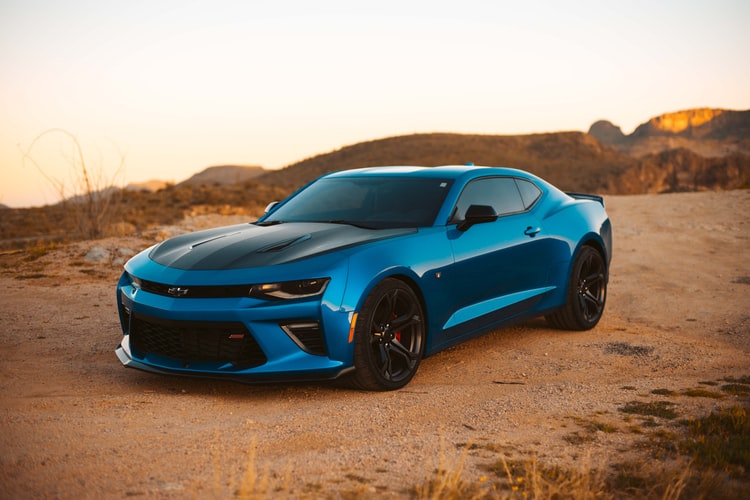
Looking for classic cars for sale can be very cumbersome, and certain aspects have to be followed so that you may have the vehicle that you desire.
a) Purpose of the vehicle
Buying a classic car requires the buyer to have a particular inclination towards what they intend to use the vehicle. This principle is applicable to all customers who are buying automobiles. A sports car is mainly bought by men and women who want to have fun, and those who purchase spacious vehicles have families. A car salesperson will also appeal to your needs so that they could find the best fit for you.
b) Condition of the car
Before buying a classic car, you need to look at its state before taking that leap. They are very costly vehicles, and purchasing one requires that you pay attention to detail. Is the car damaged? Does it need parts? Is it original? Is it new? These are some of the questions that any buyer should be asking themselves, and make sure you get answers for that.
c) Maintenance costs of the vehicle
Classic cars have to be monitored very well, and these may incur so many costs along the way. It is highly recommended that you know your way around one of these vehicles. Start with something that will not frustrate you while maintaining it unless you have money to burn.
Set Yourself a Budget
The moment you begin to search for a vehicle, have a specific budget in mind of how much you need to spend to get your classic car. Buying a vehicle is not as simple as going to the mall; certain aspects have to be followed.
a) Purchase price of the car
The most important part of your budget is how much the car really is. Look for a vehicle that suits your wallet and ensure you look for the best price available in order to save as much as you can. Once you have determined the price, you can make an informed offer.
b) Maintenance and spare parts
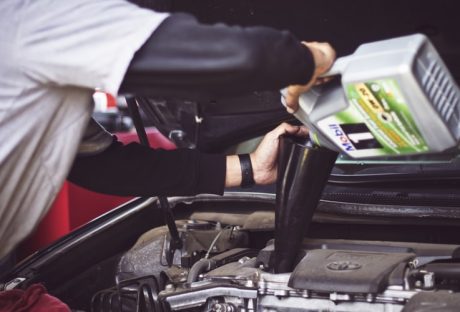
The budget should have this in mind before purchasing your vehicle; know how much you will need to use to maintain the vehicle. Have a reliable mechanic who can get you the right spare parts like lift kits, batteries, engine components, filters, exhaust, and fuel systems. If you fit your car with the wrong spare parts, you may as well end up without a car.
c) Insurance
In today’s economy, there are financial hindrances to driving around a classic car. It is paramount that you get the insurance for your vehicle in order to drive one around. No one would want to see you pulled over in a 1947 Chevrolet 3600 because you don’t have car insurance.
Have a test drive
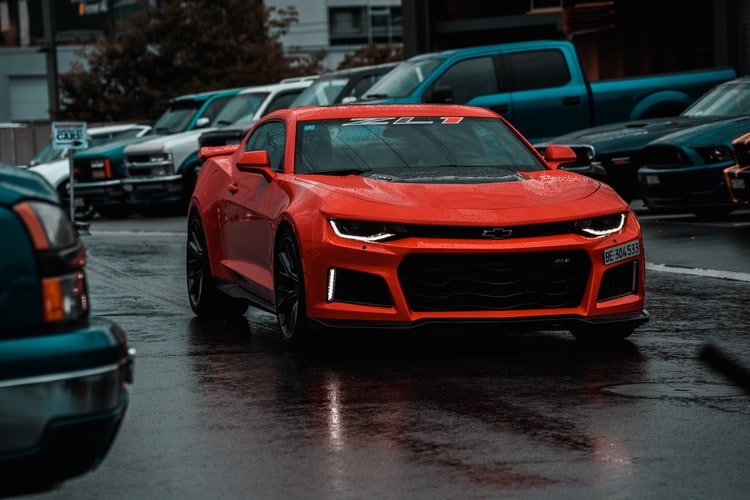
Drivers want to feel how it is behind the wheel before they purchase the vehicle and go home with it. The revving engine when you accelerate and change gears give any car enthusiast a racing heart and gushing face when driving a classic.
On the other hand, being taken on a drive can be equally rewarding. The vehicle may be on sale, but the experience of being in one may give you a sense of how owning one would be.
Final Thoughts
Classic cars have been the envy of many people, young and old. The pendulum swings both ways to those who wish they had such a beauty to drive around town. Owning a classic car requires sheer will and commitment because there will be hard times and good times.
Beginners out there will not have an easy time when looking for a classic car, but with a lot of research and commitment, you will get there. Begin your journey by exploring Dyler through their website https://dyler.com/cars for a wide range of classic cars.
Read Also:
Content Rally wrapped around an online publication where you can publish your own intellectuals. It is a publishing platform designed to make great stories by content creators. This is your era, your place to be online. So come forward share your views, thoughts and ideas via Content Rally.
Electric vehicles (EVs) are rapidly becoming more popular as the world shifts towards sustainable transportation. On top of that, brands like BYD Singapore are leading the charge.
This is what makes it way easier for everyone nearby to go electric!
Actually, it is not just about being trendy. You can say it is about making a real difference for our planet.
So, with more charging spots popping up everywhere, switching to an EV has truly never been simpler for any of us.
What is EV Fast Charging?
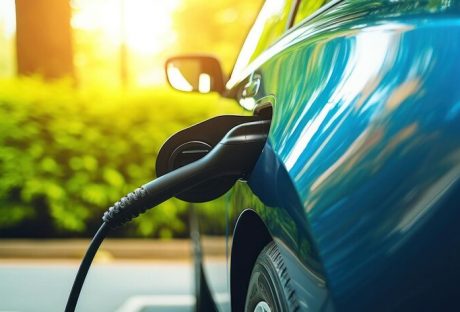
Fast charging for electric vehicles is a game-changer in the EV industry. Unlike standard chargers that can take several hours to charge an EV fully, fast chargers significantly reduce this time, enabling quick and efficient charging. This efficiency is particularly beneficial for those with busy lifestyles or for emergency charging situations.
Types of EV Chargers
There are three levels of EV chargers – Level 1, Level 2, and DC Fast Chargers. Level 1 chargers are your standard home outlets, while Level 2 chargers offer a faster charging speed. DC Fast Chargers, however, are the quickest, providing substantial charge in a fraction of the time. These are the chargers in which companies like Blink Charging UK specialize, offering a blend of speed and convenience.
Assessing Your Garage for EV Fast Charger Installation
Space Requirements
The first step in installing an EV charger is assessing the space in your garage. You'll need a designated area accessible for your vehicle and compliant with local safety regulations. This space should also be near an electrical source and free from potential hazards.
Electrical System Evaluation
Before installation, it's crucial to evaluate your home's electrical system. It must be able to support a fast charger, which may require an upgrade or a professional assessment. Ensuring your system can handle the load is critical for safety and efficiency.
Choosing the Right EV Fast Charger
Features to Consider
When selecting a fast charger, consider its power output, vehicle compatibility, and additional features like Wi-Fi connectivity or intelligent charging options. These features can enhance your charging experience, making it more efficient and user-friendly.
Cost and Incentives
Cost is a significant factor when installing an EV charger. However, various incentives and rebates can make the process more affordable. Researching local incentives can significantly reduce installation costs.
The Installation Process
DIY vs. Professional Installation
While some may opt for a DIY installation, professional installation is generally recommended. It ensures that the charger is installed safely and compliantly, reducing the risk of electrical issues.
Step-by-Step Installation Guide
Although each installation will vary, the process generally involves mounting the charger, connecting it to the power source, and configuring intelligent features. It's a process best handled by professionals to ensure safety and functionality.
Maximizing Your EV Fast Charger Experience
Maintenance and Care Tips
Regular maintenance of your EV charger is crucial. This includes routine checks and keeping the unit clean and free from obstructions. Regular maintenance ensures long-term efficiency and safety.
Integrating with Smart Home Systems
Many modern EV chargers can integrate with smart home systems, allowing remote monitoring and control. This integration can add convenience to your charging process, making it a seamless part of your daily routine.
Transform Your Garage into a Power Station: Easy and Efficient EV Charging Solutions
In conclusion, integrating an EV fast charger into your automotive garage is a forward-thinking move that aligns with the global shift toward sustainable transportation. It provides convenience and ensures that your vehicle is always ready for the road. While the process may seem daunting, following it can make it manageable and rewarding.
Remember, the key is to choose the suitable charger and install it correctly. And for those looking for top-notch solutions, a company like Blink Charging can offer the perfect blend of efficiency and reliability. Embrace the future of driving by setting up your home EV charging station today!
Read Also:
The Evolution Of Braking Systems In Modern Vehicles: A Leap Towards Preventing Rear-End Collisions
The Best Car Brands To Buy As An Investment
Used Car Buying – How To Do It Right.
Selecting the right car insurance company is a crucial decision that not only impacts one's financial health but also one's peace of mind. With an array of options in the market, it can be an overwhelming task to actually find the best car insurance company. Here are some systematic steps and tips to assist consumers in making an informed choice.
1. Determine Coverage Needs
Before diving into the search, one must define what they expect from an insurance policy. Factors to consider include:
Level of Coverage: Comprehensive, collision, liability, etc.
Desired policy limits and deductibles.
Any additional coverage like rental car, roadside assistance, or medical payments.
2. Research & Gather Recommendations
Ask friends and family: Personal experiences can provide insights into a company's customer service, claims handling, and overall reliability.
Online Reviews & Ratings: Websites that compile customer reviews or rate insurers can be invaluable. Look for consistent trends, both positive and negative.
3. Compare Quotes
Obtaining multiple quotes ensures that one doesn't overpay for coverage.
Ensure that quotes are for the same type and amount of coverage for an accurate comparison.
Remember, the cheapest option isn't always the best. Consider the value offered for the price.
4. Assess Financial Stability
An insurer's financial strength is indicative of its ability to meet its policy obligations.
Consider checking rating agencies such as A.M. Best or Standard & Poor's for an objective evaluation of a company's financial health.
5. Scrutinize Customer Service & Claims Handling
Timely and efficient claims processing and customer-friendly service are crucial.
Check online forums and reviews to gauge customer satisfaction.
Consider contacting state insurance departments to check if a particular company has received an excessive number of complaints.
6. Understand Discounts & Savings Opportunities
Many insurers offer discounts that can significantly reduce premiums.
Common discounts include multi-policy, good driver, and safety feature discounts.
Always inquire about available discounts when receiving a quote.
7. Review the Policy's Fine Print
Before committing, understand every term and condition.
Look for any exclusions or limitations.
Know the policy's effective dates and the process for cancellation or adjustments.
8. Periodically Reevaluate
Insurance needs and market offerings can change over time.
Consider reviewing policies annually or after major life events like buying a new car or relocating.
Regularly shop around to ensure one is still getting the best deal and the most suitable coverage.
Tips & Tricks
Leverage Online Comparison Tools: Many platforms allow consumers to compare quotes from various insurers simultaneously.
Bundle Policies: Many companies offer discounts if one buys multiple types of insurance (e.g., car and home) from them.
Consider Higher Deductibles: Opting for a higher deductible often lowers the premium, but ensure there are enough savings to cover it if a claim is necessary.
Maintain a Good Driving Record: Safe drivers often receive better rates.
Final Thoughts
Selecting the ideal car insurance company requires careful consideration of individual needs, thorough research, and proactive engagement with potential insurers. By following the above steps and utilizing the provided tips, consumers can confidently navigate the insurance landscape and secure a policy that offers both value and peace of mind.
Read Also:
The Average Price Of Car Insurance In New York – What You Can Expect To Spend!
Essential Reasons for Comparing Car Insurance Quotes Online
A Detailed Guide to Cashless Car Insurance Policy
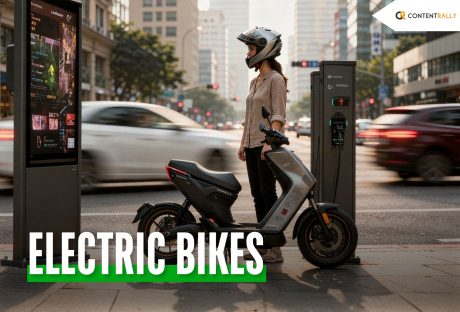
E-bikes, also known as electric bikes, have evolved as a game-changing force in city transportation, transforming how people traverse urban landscapes. By easily conquering hills and spanning longer distances, e-bikes have increasingly become the go-to option for commuters who desire a quicker, more effective, and environmentally friendly substitute to conventional transport methods. As cities struggle with overcrowding and ecological issues, e-bikes step up as an appealing answer to counter these metropolitan problems.
The Influence Of E-Bikes On Traffic Congestion
One of the key benefits Vélos électriques bring to urban mobility is their potential to reduce traffic congestion. In densely populated city areas, traffic jams are a commonplace nuisance, causing wasted time and increased pollution. E-bikes present a speedy and compact means of transportation, allowing riders to weave through traffic and bypass heavily congested zones. Integrating e-bikes into city transport systems can result in a notable reduction in traffic congestion, ensuring improved traffic circulation and shorter commute times for all.
Enhancing Accessibility And Inclusivity
The emergence of e-bikes has contributed to the widening of cycling's appeal to a more diverse audience. E-bikes present an equalizing opportunity for those who might perceive traditional cycling as physically demanding or strenuous. Individuals from different age groups, fitness levels, and physical capabilities can now consider cycling as a practical means of getting around. This promotes not only healthier living but also a strengthened sense of community as more people can actively engage in the urban cycling scene.
E-Bikes And Public Transportation Integration
E-bikes seamlessly complement existing public transportation networks, providing a solution to the first and last-mile challenge. Commuters can combine e-bike rides with buses, trains, or subways, extending the reach and convenience of public transit. This integration reduces reliance on personal cars, promoting a more sustainable and efficient urban transportation ecosystem. E-bikes serve as a versatile and eco-friendly link between various modes of public transportation, enhancing the overall connectivity of urban mobility systems.
Reducing Carbon Footprint
As cities worldwide grapple with the pressing need to reduce carbon emissions, e-bikes emerge as a green alternative for urban commuting. With electric assistance that lessens the physical strain on riders, more people are inclined to choose e-bikes over gas-guzzling vehicles. By promoting the adoption of e-bikes, cities can significantly decrease air pollution and contribute to their environmental sustainability goals. The quiet and emission-free nature of e-bikes aligns with the global push towards cleaner, greener transportation options.
Health And Well-Being
Contrary to concerns about sedentary lifestyles, e-bikes offer a unique blend of physical activity and convenience. Riders can choose the level of assistance they need, allowing for a customized and adaptable workout. E-bikes encourage individuals to be more active, providing health benefits without the perceived exertion associated with traditional biking. The increased physical activity associated with e-biking contributes to improved cardiovascular health, reduced stress levels, and a more active urban population.
The Impact Of Electric Bikes On Urban Mobility
E-bikes, also known as electric bikes, have evolved as a game-changing force in city transportation, transforming how people traverse urban landscapes. By easily conquering hills and spanning longer distances, e-bikes have increasingly become the go-to option for commuters who desire a quicker, more effective, and environmentally friendly substitute to conventional transport methods. As cities struggle with overcrowding and ecological issues, e-bikes step up as an appealing answer to counter these metropolitan problems.
The Influence Of E-Bikes On Traffic Congestion
One of the key benefits Vélos électriques bring to urban mobility is their potential to reduce traffic congestion. In densely populated city areas, traffic jams are a commonplace nuisance, causing wasted time and increased pollution. E-bikes present a speedy and compact means of transportation, allowing riders to weave through traffic and bypass heavily congested zones. Integrating e-bikes into city transport systems can result in a notable reduction in traffic congestion, ensuring improved traffic circulation and shorter commute times for all.
Enhancing Accessibility And Inclusivity
The emergence of e-bikes has contributed to the widening of cycling's appeal to a more diverse audience. E-bikes present an equalizing opportunity for those who might perceive traditional cycling as physically demanding or strenuous. Individuals from different age groups, fitness levels, and physical capabilities can now consider cycling as a practical means of getting around. This promotes not only healthier living but also a strengthened sense of community as more people can actively engage in the urban cycling scene.
Read Also: Tips About Mobile Car Detailing to Avoid Any Costly Maintenance
E-Bikes And Public Transportation Integration
E-bikes seamlessly complement existing public transportation networks, providing a solution to the first and last-mile challenge. Commuters can combine e-bike rides with buses, trains, or subways, extending the reach and convenience of public transit. This integration reduces reliance on personal cars, promoting a more sustainable and efficient urban transportation ecosystem. E-bikes serve as a versatile and eco-friendly link between various modes of public transportation, enhancing the overall connectivity of urban mobility systems.
Reducing Carbon Footprint
As cities worldwide grapple with the pressing need to reduce carbon emissions, e-bikes emerge as a green alternative for urban commuting. With electric assistance that lessens the physical strain on riders, more people are inclined to choose e-bikes over gas-guzzling vehicles. By promoting the adoption of e-bikes, cities can significantly decrease air pollution and contribute to their environmental sustainability goals. The quiet and emission-free nature of e-bikes aligns with the global push towards cleaner, greener transportation options.
Health And Well-Being
Contrary to concerns about sedentary lifestyles, e-bikes offer a unique blend of physical activity and convenience. Riders can choose the level of assistance they need, allowing for a customized and adaptable workout. E-bikes encourage individuals to be more active, providing health benefits without the perceived exertion associated with traditional biking. The increased physical activity associated with e-biking contributes to improved cardiovascular health, reduced stress levels, and a more active urban population.
Overcoming Urban Infrastructure Challenges
Urban infrastructure often poses challenges for cyclists, with insufficient bike lanes and storage facilities being common issues. E-bikes, with their compact design and flexibility, navigate these challenges more effectively. They require less parking space, making them a practical solution for crowded urban areas. Additionally, the rise of e-bikes encourages city planners to invest in better cycling infrastructure, including dedicated bike lanes and secure parking facilities, thereby enhancing the overall cycling experience in urban settings.
E-Bikes As A Lifestyle Choice
E-bikes offer more than just practical benefits; they're shaping a cultural transformation in urban mobility perceptions. As individuals increasingly adopt e-bikes for transport, they experience newfound delight during their commutes, interacting with their environment. E-bikes represent not just a mode of transit, but also a lifestyle that fosters sustainability, health, and urban community bonds.
Ultimately, electric bikes significantly transform urban mobility by addressing major city challenges. They alleviate traffic, promote inclusivity, foster greener environments, and encourage healthier lifestyles. As cities develop, incorporating e-bikes into their mobility plans may lead to sustainable, accessible, and dynamic urban spaces.
Read Also :
Washing Your Car: 7 Dos And Don’ts
Tips For Reducing Car Insurance Costs
5 Signs Your Car Needs A Tune Up













 Looking for classic cars for sale can be very cumbersome, and certain aspects have to be followed so that you may have the vehicle that you desire.
 The moment you begin to search for a vehicle, have a specific budget in mind of how much you need to spend to get your classic car. Buying a vehicle is not as simple as going to the mall; certain aspects have to be followed.
 Drivers want to feel how it is behind the wheel before they purchase the vehicle and go home with it. The revving engine when you accelerate and change gears give any car enthusiast a racing heart and gushing face when driving a classic.
On the other hand, being taken on a drive can be equally rewarding. The vehicle may be on sale, but the experience of being in one may give you a sense of how owning one would be.
Drivers want to feel how it is behind the wheel before they purchase the vehicle and go home with it. The revving engine when you accelerate and change gears give any car enthusiast a racing heart and gushing face when driving a classic.
On the other hand, being taken on a drive can be equally rewarding. The vehicle may be on sale, but the experience of being in one may give you a sense of how owning one would be.