









Published on: 03 August 2022
Last Updated on: 19 February 2025
Drivers everywhere today are concerned with the rising cost of fuel. But that shouldn’t mean that the answer is to avoid driving a pickup truck.
The best solution for any vehicle owner today is to find innovative ways to save on the cost of fuel.
The good news is that several exist, and don’t require much effort.
5 Major Ways Of Improving The Fuel Efficiency Of A Truck
1. Is it Still Worthwhile to Buy a Truck?
For some people, a truck is an essential tool they own for getting the job done when it comes to their means of earning a living. Others love the freedom they enjoy as truck owners who own a vehicle that can accomplish a versatile list of tasks.
Whether or not either one of these reasons motivates you to drive a truck properly, you shouldn’t have to compromise. Try out these tips for decreasing fuel consumption to find an excellent new truck at your Jeep Dodge Ram dealership next time you need one.
2. Ease Up on the Gas
You’ll burn less fuel if you drive in a more relaxed style. Aggressive driving causes you to accelerate even when you’re about to stop soon after. This means you’re burning much more fuel than is needed to drive to your destination. Ease up on your foot while driving to ensure you’re not using up fuel needlessly.
3. Don’t Sit Idling
Many people allow their vehicles to sit while idling for long periods when they could quickly turn off the ignition to save fuel. It might not seem like much time has passed or that much gas is burning away while you’re merely sitting, but the cost will accumulate over time.
Imagine burning a dollar bill every day because it is a small amount of money. This is what you’re doing every time you sit in your truck while it idles.
4. Haul Less Weight
Every extra pound you add to your truck increases the fuel required to run it. Try to remember to check the bed of your truck before you travel far to ensure you haven’t left anything heavy sitting there. If you’re hauling around a load of wood every time you drive, you’re spending a lot more on that load than you think.
5. Keep Your Tires Properly Aligned
When your tires go out of alignment, it causes more traction. Consequently, it takes more fuel to travel in your truck. Schedule a tire alignment regularly to avoid wasting more gas in this way.
Other Maintenance
Besides these issues, there could be a number of other unknown factors causing your truck to burn more fuel. The best way to avoid this is to take your truck to a mechanic for regular maintenance checks, so they can tell you if there are any problems.
Like any other vehicle, it is inevitable that your truck will burn some fuel. You can help to offset these costs by paying close attention to these five tips. You should also discuss this issue with your used truck dealer before you buy to find out the most fuel-efficient option you can buy. Talk to a used Dodge Ram dealer for more info.
Content Rally wrapped around an online publication where you can publish your own intellectuals. It is a publishing platform designed to make great stories by content creators. This is your era, your place to be online. So come forward share your views, thoughts and ideas via Content Rally.
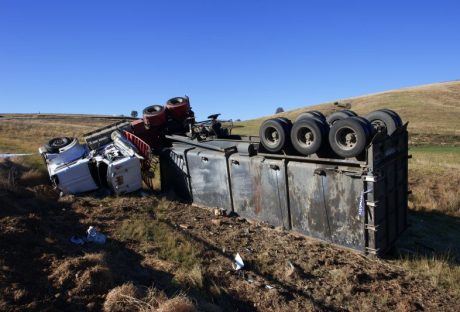
Big rigs, delivery, trucks or any kind of commercial trucks can present some serious threats to other vehicles and passengers present on the road. As per statistics, around five hundred thousand accidents from the total accidents are caused either directly or indirectly by commercial trucks. Out of these five hundred thousand, around five thousand have reported leading to deaths due to truck accidents.
In order to take efficient measures for the prevention of truck accidents, we first need to understand the main causes as well. In this article, we have listed some of the most common causes of truck accidents.
The Most Common Causes of Truck Accidents:
1.Cars Driving in the No-Zones areas
The area behind and beside a truck is known as the ‘No-Zone’ area. A passenger vehicle or car driving in this area automatically puts itself in a dangerous position because the area is not visible by the driver. An accident can occur due to zero visibility.
2. Not Training the Truck Drivers Properly
Driving a truck is entirely different from driving a car and requires an enhanced level of training. Drivers who are not properly trained may not be aware of the safety concerns and important techniques for driving trucks. These drivers, in turn, are more prone to cause accidents later on as well.
3. Speeding and Over Taking by the Truck Driver
Speeding by any kind of vehicle whether it is a truck or a passenger car or even a motorcycle can ultimately lead to an accident. Overtaking while driving especially at high speeds also contributes to a majority of accidents.
Most of the truck drivers tend to over-speed as a result of the unrealistic deadlines given by their companies to deliver goods in a lot of cases. Over-speeding, especially in poor weather conditions, poses a heightened level of danger for all the vehicles present on the road.
4. Poorly Maintained Trucks or Trucks with Faulty Systems
A truck or any kind of vehicle needs to be properly maintained so that it can function well on the road. If a commercial truck is poorly maintained or consists of faulty systems, then it can lead to critical accidents. Faulty brakes, for example, can lead to an accident if a truck driver is not able to stop the truck at point hence leading to a collision.
5. Distracted Driving and Fatigue
Drivers tend to become exhausted and even bored when they have been driving trucks from a long consistent period of time. As a result, they might be prone to falling asleep on the wheel or may look for distractions to keep them entertained. These distractions can include playing games on their cell phone or speaking on the cell phone while not focusing on the road.
Speak to a Truck Accident Lawyer Today!
These were some of the common causes in brief. In order to learn more in detail for filing a truck accident claim, you can choose to contact the Truck Accident Attorney Chicago for better understanding.
Read Also:
Why Texting Is Not A Good Idea When You Drive
Why Times Are Tough For Truckers and Why It Concerns You
E-bikes, also known as electric bikes, have evolved as a game-changing force in city transportation, transforming how people traverse urban landscapes. By easily conquering hills and spanning longer distances, e-bikes have increasingly become the go-to option for commuters who desire a quicker, more effective, and environmentally friendly substitute to conventional transport methods. As cities struggle with overcrowding and ecological issues, e-bikes step up as an appealing answer to counter these metropolitan problems.
The Influence Of E-Bikes On Traffic Congestion
One of the key benefits Vélos électriques bring to urban mobility is their potential to reduce traffic congestion. In densely populated city areas, traffic jams are a commonplace nuisance, causing wasted time and increased pollution. E-bikes present a speedy and compact means of transportation, allowing riders to weave through traffic and bypass heavily congested zones. Integrating e-bikes into city transport systems can result in a notable reduction in traffic congestion, ensuring improved traffic circulation and shorter commute times for all.
Enhancing Accessibility And Inclusivity
The emergence of e-bikes has contributed to the widening of cycling's appeal to a more diverse audience. E-bikes present an equalizing opportunity for those who might perceive traditional cycling as physically demanding or strenuous. Individuals from different age groups, fitness levels, and physical capabilities can now consider cycling as a practical means of getting around. This promotes not only healthier living but also a strengthened sense of community as more people can actively engage in the urban cycling scene.
E-Bikes And Public Transportation Integration
E-bikes seamlessly complement existing public transportation networks, providing a solution to the first and last-mile challenge. Commuters can combine e-bike rides with buses, trains, or subways, extending the reach and convenience of public transit. This integration reduces reliance on personal cars, promoting a more sustainable and efficient urban transportation ecosystem. E-bikes serve as a versatile and eco-friendly link between various modes of public transportation, enhancing the overall connectivity of urban mobility systems.
Reducing Carbon Footprint
As cities worldwide grapple with the pressing need to reduce carbon emissions, e-bikes emerge as a green alternative for urban commuting. With electric assistance that lessens the physical strain on riders, more people are inclined to choose e-bikes over gas-guzzling vehicles. By promoting the adoption of e-bikes, cities can significantly decrease air pollution and contribute to their environmental sustainability goals. The quiet and emission-free nature of e-bikes aligns with the global push towards cleaner, greener transportation options.
Health And Well-Being
Contrary to concerns about sedentary lifestyles, e-bikes offer a unique blend of physical activity and convenience. Riders can choose the level of assistance they need, allowing for a customized and adaptable workout. E-bikes encourage individuals to be more active, providing health benefits without the perceived exertion associated with traditional biking. The increased physical activity associated with e-biking contributes to improved cardiovascular health, reduced stress levels, and a more active urban population.
The Impact Of Electric Bikes On Urban Mobility
E-bikes, also known as electric bikes, have evolved as a game-changing force in city transportation, transforming how people traverse urban landscapes. By easily conquering hills and spanning longer distances, e-bikes have increasingly become the go-to option for commuters who desire a quicker, more effective, and environmentally friendly substitute to conventional transport methods. As cities struggle with overcrowding and ecological issues, e-bikes step up as an appealing answer to counter these metropolitan problems.
The Influence Of E-Bikes On Traffic Congestion
One of the key benefits Vélos électriques bring to urban mobility is their potential to reduce traffic congestion. In densely populated city areas, traffic jams are a commonplace nuisance, causing wasted time and increased pollution. E-bikes present a speedy and compact means of transportation, allowing riders to weave through traffic and bypass heavily congested zones. Integrating e-bikes into city transport systems can result in a notable reduction in traffic congestion, ensuring improved traffic circulation and shorter commute times for all.
Enhancing Accessibility And Inclusivity
The emergence of e-bikes has contributed to the widening of cycling's appeal to a more diverse audience. E-bikes present an equalizing opportunity for those who might perceive traditional cycling as physically demanding or strenuous. Individuals from different age groups, fitness levels, and physical capabilities can now consider cycling as a practical means of getting around. This promotes not only healthier living but also a strengthened sense of community as more people can actively engage in the urban cycling scene.
Read Also: Tips About Mobile Car Detailing to Avoid Any Costly Maintenance
E-Bikes And Public Transportation Integration
E-bikes seamlessly complement existing public transportation networks, providing a solution to the first and last-mile challenge. Commuters can combine e-bike rides with buses, trains, or subways, extending the reach and convenience of public transit. This integration reduces reliance on personal cars, promoting a more sustainable and efficient urban transportation ecosystem. E-bikes serve as a versatile and eco-friendly link between various modes of public transportation, enhancing the overall connectivity of urban mobility systems.
Reducing Carbon Footprint
As cities worldwide grapple with the pressing need to reduce carbon emissions, e-bikes emerge as a green alternative for urban commuting. With electric assistance that lessens the physical strain on riders, more people are inclined to choose e-bikes over gas-guzzling vehicles. By promoting the adoption of e-bikes, cities can significantly decrease air pollution and contribute to their environmental sustainability goals. The quiet and emission-free nature of e-bikes aligns with the global push towards cleaner, greener transportation options.
Health And Well-Being
Contrary to concerns about sedentary lifestyles, e-bikes offer a unique blend of physical activity and convenience. Riders can choose the level of assistance they need, allowing for a customized and adaptable workout. E-bikes encourage individuals to be more active, providing health benefits without the perceived exertion associated with traditional biking. The increased physical activity associated with e-biking contributes to improved cardiovascular health, reduced stress levels, and a more active urban population.
Overcoming Urban Infrastructure Challenges
Urban infrastructure often poses challenges for cyclists, with insufficient bike lanes and storage facilities being common issues. E-bikes, with their compact design and flexibility, navigate these challenges more effectively. They require less parking space, making them a practical solution for crowded urban areas. Additionally, the rise of e-bikes encourages city planners to invest in better cycling infrastructure, including dedicated bike lanes and secure parking facilities, thereby enhancing the overall cycling experience in urban settings.
E-Bikes As A Lifestyle Choice
E-bikes offer more than just practical benefits; they're shaping a cultural transformation in urban mobility perceptions. As individuals increasingly adopt e-bikes for transport, they experience newfound delight during their commutes, interacting with their environment. E-bikes represent not just a mode of transit, but also a lifestyle that fosters sustainability, health, and urban community bonds.
Ultimately, electric bikes significantly transform urban mobility by addressing major city challenges. They alleviate traffic, promote inclusivity, foster greener environments, and encourage healthier lifestyles. As cities develop, incorporating e-bikes into their mobility plans may lead to sustainable, accessible, and dynamic urban spaces.
Read Also :
Washing Your Car: 7 Dos And Don’ts
Tips For Reducing Car Insurance Costs
5 Signs Your Car Needs A Tune Up
There are certain luxury car marques that define an image as soon as the name is mentioned and Porsche is right up there as an iconic brand.If you are a Porsche Owners then you should know these beneficial tips for your car.
If you took the decision to join the Porsche club a while ago you will want to ensure that you get to know how to get the best out of your car from a performance and retentive value perspective.
Browsing a site such as webuyexotics.com will confirm the value and prestige that Porsche commands and you might even see a new model that might tempt you. In the meantime, you will obviously want to keep your car in the best possible shape and a great way to do that is to learn some useful maintenance tips.
Here are some maintenance tips that all Porsche owners should know.
Maintenance Tips for all Porsche Owners:
Look after your brakes:
You don’t need to be told how important it is to be proactive with the maintenance and repair of the braking system on any car but there are also some features and issues that are particularly relevant to Porsche models.
If you don’t use your Porsche or you are not Porsche owners on a regular basis there is a potential risk that the brake discs can suffer from corrosion.
If you are not using your car that frequently and it has been standing around for a while, even if that is in a garage, you should arrange to take a close look at your brakes to see how they are holding up.
The issue to be mindful of is that on Porsche’s it can often be the back of the disc that is most badly affected, which you can’t see without closer inspection of the vehicle.
You will probably notice if there is any pitting or corrosion as there will be a noticeable reduction in the efficiency of your brakes and you might feel vibration when you try to slow down.
Check and replenish fluid:
Another aspect of your braking system that is easy to overlook but could create a dangerous situation is the quality of your brake fluid.
It is a good idea to check the state of the fluid at least once a year or less.
You may not be aware that brake fluid diminishes with age and it also has the capacity to soak up moisture and suffer corrosion. Combined, those issues could cause your braking performance to suffer and that could be dangerous if your brakes can’t respond as you want.
A simple but effective maintenance tip is to check the brake fluid and consider changing it when you perform an annual service.
Don’t ignore steamy windows:
There are a couple of specific Porsche models that are known for suffering from water ingress issues, namely the 996 Cabriolet and Boxster.
A good clue to look for would be if your windows are steaming up.
It is wise to take notice of this warning sign as the electrical contact unit under the floor of the lefthand front seat could become damaged by the moisture. The way to help avoid this scenario is to regularly check the drains located just beneath the soft top and ensure they are kept clear.
If the problem persists, you should also check the membrane behind the door to see if it is working efficiently. Evidence of damp at the bottom of the door panels would suggest that it is not, which could be one reason why you are getting steamy windows.
Check your transmission fluid:
If you want to keep your car running smoothly and preserve the life of the engine a good maintenance tip would be to keep a close eye on the state of your transmission fluid.
It is easy to see how healthy your transmission fluid is by the color. If it is pink or red that means it is clean, but if the fluid is black it is dirty and definitely needs changing as soon as possible.
As a general guide, change your transmission fluid somewhere around 75,000 miles and don’t leave it any longer than 100,000 miles.
A good way to check the fluid would be to let your Porsche warm up before removing the dipstick and checking the levels and color.
Some models need an oil change quicker than others:
It is a good idea to find out the average lifespan of the engine oil relevant to the Porsche model you own and the intervals can vary.
A 993, for example, should get an oil change every 3,000 to 5,000 miles if you are going to enjoy a good performance and keep your Porsche on the road for as long as possible.
Read Also:
Best Carpet Maintenance Practices
Prepping Your Vehicle For Winter Weather Driving
Buying a Used Car? Few Negotiating tips, you can use
Honda Cars in Watertown NY: 8 Things to Check Before Buying a Second-Hand Car