











What Is The Most Expensive Richard Mille Of All Time?

by

02 August 2023

Fashion

Richard Mille

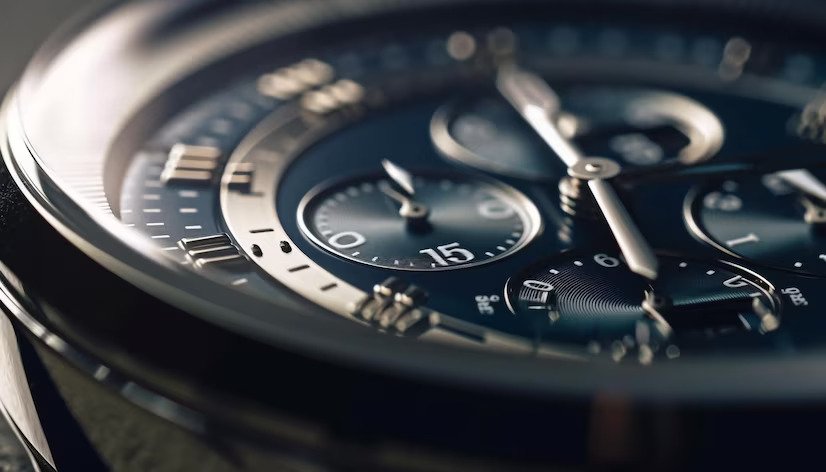
Richard Mille, a name that rolls off the tongue like the gentle hum of a finely tuned Swiss watch, is a brand synonymous with luxury and precision. Famed for their groundbreaking timepieces that fuse traditional Swiss watchmaking artistry with revolutionary techniques, Richard Mille watches are not for the faint-hearted or the light of pocket.

A Brief History of Richard Mille

Born in France in 1951, Richard Mille, before creating his eponymous brand, had already left a significant imprint on the watchmaking world through his work with prestigious houses like Finart SA and Mauboussin. However, it was in 2001 that the Richard Mille brand came to life, quickly becoming a beacon of innovative horology.

The brand’s success is largely attributable to its uncompromising commitment to using the most advanced materials, technologies, and craftsmanship, usually inspired by the worlds of Formula 1 and aerospace industries. This dedication has resulted in some of the world’s most intricate, robust, and, quite frankly, expensive wristwatches.

The Pinnacle of Luxury: Richard Mille Watches
Richard Mille Watches

The cost of a Richard Mille watch is a testament to the brand’s exclusivity. These are not mass-produced timepieces; they’re meticulously crafted works of art that are as rare as they are extravagant.

With the brand’s watches often sold in limited editions, their scarcity only increases their value. A typical Richard Mille watch ranges from £100,000 to £500,000, with many models far exceeding the latter mark. However, these figures pale in comparison to the most expensive Richard Mille timepiece ever sold.

Richard Mille RM 56-02 Tourbillon Sapphire: The Crown Jewel

The RM 56-02 Tourbillon Sapphire, launched in 2014, holds the title of the most expensive Richard Mille watch to date. Retailing at a staggering £1.6 million, it was swiftly snapped up by watch aficionados. However, when one occasionally appears on the pre-owned market, it commands prices significantly higher than its original retail value, testifying to its enduring appeal and rarity.

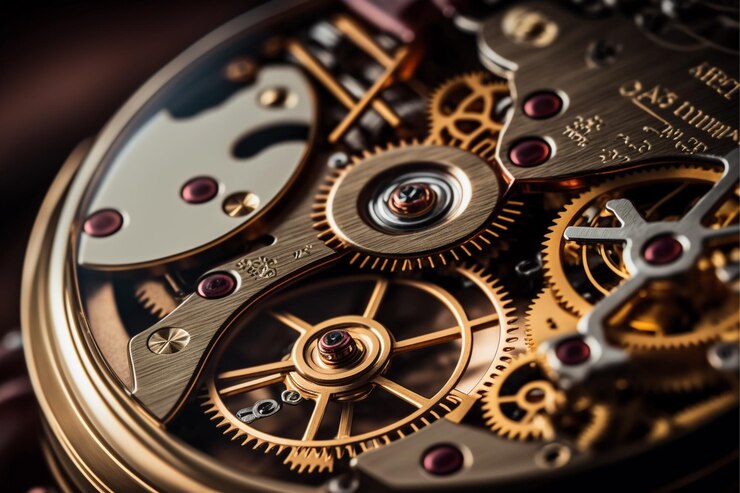
Its astronomical price tag can be largely attributed to the incredible sophistication of its design and the use of groundbreaking materials. Its case is milled from blocks of sapphire, a process that takes nearly 1000 hours of machining for each watch. The transparent case offers a panoramic view of the complex tourbillon movement within, a spectacle that is nothing short of captivating.

However, it’s not just about aesthetics; the RM 56-02 utilizes a groundbreaking cable and pulley system to suspend its movement within the sapphire case. This novel mechanism was inspired by the construction of suspension bridges and it brings a whole new dimension to the concept of shock resistance in watchmaking.

The mystique of the Richard Mille brand is undeniable. To fully appreciate the RM 56-02 Tourbillon Sapphire, or any other Richard Mille creation for that matter, one must find out more and delve deeper into the brand’s history, philosophy, and relentless pursuit of innovation.

Wrapping Up: The Unrivalled Exclusivity of Richard Mille

For many, owning a Richard Mille is the ultimate expression of success and a testament to a love for horological sophistication. And while the RM 56-02 Tourbillon Sapphire, the most expensive Richard Mille of all time, might be out of reach for most of us, it stands as an incredible testament to the boundary-pushing capabilities of one of the world’s premier watchmakers.

In conclusion, Richard Mille’s watches are more than just timekeeping instruments; they are a blend of art, science, and luxury that few brands can match. The RM 56-02 Tourbillon Sapphire, with its unparalleled design and exclusive materials, is the epitome of this blend and remains the most expensive Richard Mille watch ever crafted.

Read Also:

Arnab is a professional blogger, having an enormous interest in writing blogs and other jones of calligraphies. In terms of his professional commitments, He carries out sharing sentient blogs.

View all posts

Leave a Reply

Your email address will not be published. Required fields are marked *

Related

Bespoke Tailoring

Factors About Bespoke Tailoring

Bespoke tailoring is one of the best ways to ensure that you look good in anything you wear. It's important to understand exactly what bespoke tailoring entails, however, in order to ensure that you're getting the best quality suit for your money. What Is Bespoke Tailoring?  Bespoke tailoring is a traditional way of making clothes by hand on the basis of an individual pattern. A pattern is the construction plan for the different parts of a garment created with body measurements, which take into consideration the unsymmetrical shape of the human form. Bespoke garments are completely unique and created without the use of a pre-existing pattern, while made to measure uses a standard-sized pattern altered to fit the customer. Bespoke tailoring is the pinnacle of men's attire in terms of customization, time commitment, and cost. It can enhance the confidence and elegance of the wearer. To order a bespoke garment, the customer does a consultation with a tailor, who takes over 40 measurements and drafts a pattern from scratch. The tailor then cuts and sews the fabric by hand, and adjusts the fit during one or more fittings. The final product is a bespoke suit that fits the customer perfectly. What Are The Three Types Of Tailoring? There are three types of tailoring that every man should be aware of. Made-to-measure, bespoke, and ready-to-wear suits are all available at different price points, but each type of tailoring comes with its own advantages and disadvantages. 1. Ready to Wear Ready-to-wear suits are usually sold at the lowest price point of the three options. These are suits that are pre-made in a variety of pre-determined sizes. Some slight alterations can be made to these suits. 2. Made to Measure or Custom Made to measure are usually offered in a variety of styles, colors, and fabric options. Typically, a customer will choose the basic style that they want, go in for a fitting, then choose details and accessories to compliment the look. Made-to-measure suits are an ideal choice for men who want a suit that looks good, but they don't need to choose every detail. 3. Bespoke Tailoring Bespoke tailoring is a process in which a suit is built from the ground up. Customers can choose every detail in a bespoke suit; it is possible to customize every single seem. These are typically at the highest price point, but they are an ideal choice for anyone who wants to have intense attention to detail. What's The Difference Between Bespoke And Custom? Bespoke and custom tailoring can appear similar at first, but there are some distinct differences. 1. More details While made-to-order suits allow customers to choose some of the details, they're often based on a pattern. Essentially, the tailor is able to make several different styles of suits, and the customer has to pick out which style they would like. It's possible to change small details in many cases, but there will be a list of those details and the options that a customer has. With bespoke tailoring, the options are endless. A customer can choose anything from the length of the hem stitch at the cuff of the pants to the amount of padding in the shoulders. There is virtually no detail that cannot be modified when it comes to bespoke tailoring. 2. Extra Measurements Because so many details are considered with bespoke tailoring, there are a lot more measurements that need to be taken. Most clients should expect to come in for at least three measurement sessions, as opposed to the single session typically required for custom tailoring. 3. Cost and Timing Because there are so many more details to consider, bespoke tailored suits will typically cost more and take more time to create than custom-tailored suits. The exact cost will be highly dependent on the type of fabric that is chosen, the style, and the number and type of details will all factor into the cost. Customers should also expect a wait time of several weeks to several months. How Do You Become A Perfect Tailor? The tailors who create bespoke suits have years of training and experience. While anyone can learn to sew simple garments within a few weeks, bespoke tailors have gone through a rigorous training program. After completing training, they spend years working under a master tailor learning and honing the craft of bespoke tailoring. While many of the best tailors in San Francisco can create custom or made-to-order suits, only a select few will even offer bespoke tailoring. In fact, many tailors will spend years creating custom suits before they are even ready to start offering bespoke tailoring. It's not uncommon for a tailor's shop to offer both custom and bespoke tailoring, but usually, only the most experienced tailor in the shop will work on bespoke suits. How Much Should I Pay For A Bespoke Suit? The exact amount that a person can expect to pay for a bespoke suit can vary a lot based on a number of different factors. These factors can vary the cost of a bespoke suit by hundreds or even thousands of dollars. Fabric - Imported fabrics from Italy and France will tend to cost a lot more than similar fabrics made locally. Carefully consider the quality difference; many tailors will encourage their clients to invest in good fabric over decoration. Labor - The extra experience of a bespoke tailor means that these suits are going to have a higher labor price tag. Your tailor is a highly trained professional who likely has a steady supply of work; expect to pay accordingly. Details - Everything from longer cuffs to extra buttons will affect the price of a bespoke suit. While it's impossible to list out the cost of every detail, your tailor will know exactly how much each detail will cost. Be sure to listen to him or her when they offer recommendations; often, they can make suggestions that will improve the overall look and fit of the suit. A bespoke suit is a set of clothing that will last a lifetime. It's an investment into your wardrobe that will last for decades. Note: It's always possible to update or alter a bespoke suit, and many people pass these suits on to their family members. While there is a high upfront cost, in the long run, a single bespoke suit will last for decades longer than a dozen or more ready-to-wear suits. Additionals: Why Are Bogg Bags Sold Out So Quickly? Trendy Shoes For The Summer. 5 Suggestions How to Save Money on Your Maternity Wardrobe Top 10 Different Types Of Scarves Names And Its Benefits

READ MOREDetails
shapewear

Make Your Shapewear Last: A Guide To Caring For Your Shapewear

Shapewear from SheBird is a great way to enhance your curves and look your best in your favorite outfits. It can provide your outfit with a smooth, figure-hugging silhouette while also helping to sculpt and lift the body’s natural curves to create a sleek silhouette. To get the most out of your shapewear, it’s essential to take good care of it so it can last for a long time. Follow this guide for tips on how you can make sure your shapewear lasts as long as possible. Washing Your Shapewear When it comes to washing your shapewear, the key is to be gentle. You want to avoid damaging the fabric or stretching out the garment. Hand washing is the best option, but if you must use a washing machine, make sure to put your shapewear in a lingerie bag and use the delicate cycle. Use gentle detergents specifically designed for delicate fabrics. Avoid harsh chemicals like bleach or chlorine and fabric softeners that could damage the fibers of your garment and weaken the elastic, making them less effective over time. Drying Your Shapewear After washing, air-dry your piece until completely dry. It's important to let your shapewear air dry to avoid damaging the fabric or causing the elastic to lose its shape. Avoid putting your shapewear in the dryer, as the heat can cause shrinkage and damage the fabric. Storing Your Shapewear Storing your shapewear correctly is critical to making sure it lasts. The best way to store your shapewear is on a hanger or folded neatly in drawers that fit its size correctly. Never stuff it into small spaces where it may stretch out or become misshapen over time. Avoid hanging your shapewear in direct sunlight or a damp area, as this can damage the fabric and cause it to lose its shape. If you want to keep colors vibrant, avoid storing different colors next to one another, as colors can bleed onto each other during storage, which can cause permanent damage to the piece. Choosing The Right Size One of the most important things you can do to ensure your shapewear lasts is to choose the right size. If your shapewear is too small, it can stretch out the fabric and cause the elastic to lose its shape. It won't provide the necessary support if it's too big and may not stay in place. Check the sizing chart and measure yourself before purchasing shapewear. Rotating Your Shapewear Rotating your shapewear is a great way to make sure it lasts longer. Wearing different pieces on different days gives each piece a chance to rest and recover its shape. This rotation is especially important for shapewear designed to be very tight or compressive. Wrap Up Caring for your shapewear is essential to making it last as long as possible. Remember to be gentle when washing, air dry your shapewear, store it properly, choose the right size, and rotate it to prolong its life. By following these tips, you can keep your shapewear in great shape for longer than expected and continue to look and feel your best. Read Also: The Clever Consumer’s Guide to Shopping Online How to Plan Your Holiday Shopping to Actually Enjoy It 6 Benefits Of Buying Clothes Online – Why People trust online shopping

READ MOREDetails
Maharashtrian saree

Ethnic Wedding Attire: 3 Tips to Wear The Traditional Dhoti-Style Maharashtrian Saree 

A saree holds a special place in the hearts of any Indian woman. It becomes more auspicious around different festivities in Marathi culture. With a rich history and a grand legacy behind it, the Maharashtrian saree, unquestionably, is more than an ornament for any Maharashtrian woman. The most crucial day in a woman's life is arguably her marriage day. She thinks about the day and the outfit that she'll wear since her childhood. A Marathi bride traditionally wears a Paithani Maharashtrian saree, which is made up of two-toned silk fabric. This simple yet elegant saree comes alive the day it is adorned by a Marathi bride.  It takes multiple days and multiple artisans to weave it with their bare hands into a stunning piece of art. Why wait for the day to arrive when you meet your soulmate? Instead, download any Marathi Matrimony app from Google Play Store and start looking instantly. The Gorgeous Maharashtrian Sarees Symbolize Marathi Culture With a length of nine yards, the Nauvari saree holds a significant place in Marathi culture. The unique dhoti-style draping of a Maharashtrian saree has an intriguing history behind it. When Marathas were invaded by foreign forces, the Marathi women wanted to support their husbands and sons in any capacity. They wanted to accompany them to the war. To ensure that their saree doesn't become a hindrance, they would drape them like trousers. This would let them move freely without compromising on their traditional wear. Since then, this practice has continued and has become a ritual.  Thus, in a traditional Maharashtrian saree, a Marathi woman is a living, breathing story that exudes rich Marathi culture and a beautiful display of strong-willed Marathi women. If you're interested in looking for your future spouse, then don't wait anymore. Make your Marathi Matrimony profile today to look for a suitable profile for your future.  Here are some tips for you to try while wearing your Maharashtrian saree in the traditional dhoti style: Tip 1 - Draping Style Here's how the Maharashtrian bride can drape her saree in the famous traditional Maharashtrian saree in dhoti-style:  Firstly, the bride should wrap the saree around her waist in a way that brings the inner side of the saree out on her left side. There should at least be 1.5 meters of excess fabric on the same side.  After leaving the excess fabric, the bride will then overlap the material on the left and right sides and wrap it around her waist tightly to secure it into two knots.  Once the fabric gets secured on the waistline, she'll pick up the saree pallu on the right side from the top and wrap it around her right leg and bring out the rest of the fabric from under her right leg to the back. She will pick up the pallu on the back, leaving enough room for the cloth wrapped on the back to move quickly, and tuck the pallu in the center of her back. Then the bride should take half a meter of the remaining cloth from the pallu on the back and neatly make four small 3-inch wide pleats out of it and tuck it in the center as well, keeping the fabric on the outside. She can secure it with 1 or 2 safety pins on the back. The 1.5-meter remaining cloth on the front on the left side needs to be wrapped around the left leg and pulled out from the back. She'll then pick the fabric from the lower end, pleat the rest of the fabric 2-3 inches, and tuck it above the previous pleats. She can use safety pins to secure the pleats. The last step for the bride is to take the remaining pallu on the left side and drape it across her right shoulder. She will again pleat the cloth that's hanging over her arm into bigger sections. After gathering the pleats on her shoulder, the bride can secure it with a safety pin and even out the fall.  Tip 2 - Styling Tips Here are few styling tips for the Marathi Bride to keep in mind while wearing her dhoti-style traditional Maharashtrian saree: It'll be ideal for the bride to pick a soft yet firm fabric such as georgette or silk to allow the saree to flow yet still keep in place from where it's tucked. It's also recommended that the bride goes for a saree with a border on all four sides since that'll be the most prominent thing on display while tying the saree. The bride should also remember to skip any prints that could distract the rest of the look or draping for the dhoti-style saree. It'll be recommended for the bride to wear footwear with a bit of height as it will help her walk easily without the fear of tripping over the saree pallu.   If the bride wants to skip the hassles of draping, she should go with a readymade dhoti or pre-stitched dhoti-style saree for her Maharashtrian wedding to save time and energy on fixing it later on. The other advantage of a pre-stitched saree is that it looks neater without spoiling the appearance of a traditional saree and is lighter on the waist. The bride should look for a plain saree with contrasting borders that are not too wide. Otherwise, it'll mess with the draping of the saree. Also, to get a more beautiful and clean drape, the bride can wear leggings or skinny bottoms. Tip 3 - How To Personalize Your Look For the bride to style her dhoti-style Maharashtrian saree in a personal manner, she can try these different methods to pull off a contemporary style: The bride can drape her saree in the way mentioned above and add a belt to her waist, making her look slimmer and chicer. If she wants to keep her attire traditional, she can opt for a floral Kamarbandh, complimenting her gold jewelry and still looking enrapturing. Instead of choosing a matching blouse, the bride should go for a statement piece in a contrasting color with puffed sleeves, off-shoulders, heavy embroidery, or a beautiful cut in the back, elevating the rest of her outfit.  The bride should wear tight cigarette pants which fit her form well to make the dhoti-style of the saree look more extravagant. The fabric for the pants needs to be firm and should match with the saree drape, or else the whole outfit will look out of place. If the bride wants to display the pant style, she can opt for a heavy print for the lower to contrast with the simple-bordered saree. The bride can choose to accessorize her outfit. However she likes, a heavier pair of earrings with a smaller neckpiece will focus on the outfit and make it stand out. Conclusion: Marriage day is alltime the most special day in the life of women. Every girl dreams of looking ravishing on that day. For the Marathi women, the Maharashtrian saree is like a symbol of respect to the culture. The user-friendliness of the dhoti style saree is making the saree style unique, so if you are planning to wear something different on your wedding day. Tryon this style. Read Also: 7 Perfect Accessories to Match Your Wedding Dress How to Style- The Minimalistic way Salwar Kameez Styles an Indian Bride Know the things to get from Shahpur Jat

READ MOREDetails