












How Does Muscle Fit Suit Trousers Elevate Your Formal Look?

Published on: 01 September 2023 Last Updated on: 02 November 2023
Muscle Fit Suit Trousers Elevate Your Formal Look

When it comes to formal attire, every detail is essential. Every detail, from the fit of your jacket to your tie selection, contributes to your entire appearance. People sometimes ignore the fit of their suit trousers. While classic fits are appealing, the rise of muscle fit suit trousers has overtaken the formal fashion world. These trousers cater to people with a more athletic physique and provide several advantages that can take your standard style to new heights. This blog post looks into muscle-fit suit trousers and sees how they might improve your formal wardrobe.

Defining Muscle Fit Suit Trousers

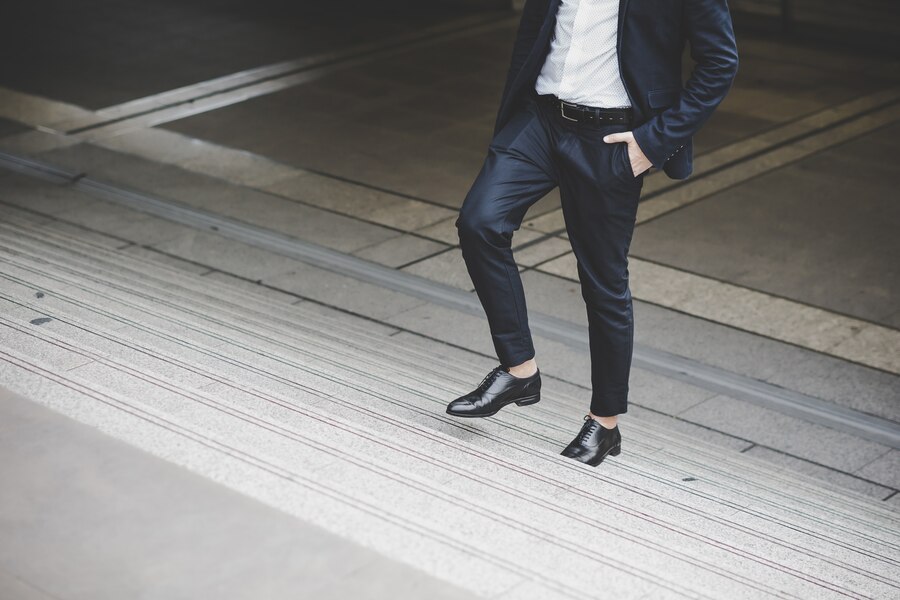
Muscle fit suit trousers are a modern style of formal pants developed explicitly for people with a more athletic or muscular physique. Muscle-fit trousers, as opposed to standard straight or normal-fit trousers, are fitted to give a streamlined and tapered silhouette that matches the natural contour of the wearer’s legs and thighs. This distinct cut improves the overall appearance and provides a comfortable and fashionable option for individuals who want a more form-fitting look.

Muscle-fit suit trousers include the following distinguishing features:

Tapered Leg

Tapered Leg

Muscle-fit trousers have a smaller leg than typical fits. Tapering begins at the thighs and gradually narrows towards the ankle. This slim design emphasises the contours of the legs, giving them a sleek and modern appearance.

Fitted Thighs

These trousers are intended for people with well-developed thigh muscles. The thigh fit is snug but not excessively tight, ensuring comfort and mobility while highlighting muscular definition.

Streamlined Silhouette

Muscle-fit trousers have a streamlined and fitted design. It gives a unified look that matches formal attire pieces such as suit jackets, shirts, and accessories.

Slight Stretch

The fabric structure of many muscle-fit trousers includes a tiny stretch. This stretch improves the wearer’s comfort and flexibility, allowing them to move freely without feeling confined.

Contemporary Appeal

Muscle-fit suit trousers have a modern and attractive look. Those who want a more contemporary style for formal occasions will appreciate the sleek shape and trendy design.

Waistband And Rise

Muscle-fit trousers’ waistbands often lie nicely on the waist, offering a secure fit without feeling overly tight. The rise, or the distance between the band and the crotch, is intended to accommodate the natural posture of the trousers while remaining fashionable.

The Advantages Of Muscle Fit Suit Trousers

The Advantages Of Muscle Fit Suit Trousers

Muscle-fit suit trousers have grown in popularity for a good reason: they provide several benefits that distinguish them from regular-fit trousers. Whether you’re going to a business meeting, a wedding, or any other formal occasion, here are some significant benefits of wearing muscle-fit suit trousers:

Flattering Silhouette

The attractive silhouette of muscle-fit suit trousers is one of their main features. The tapered cut embraces your legs without being overly tight, emphasising your muscles’ natural structure. This fitted fit creates the illusion of a well-proportioned body, instantly improving your confidence and presence.

Modern Aesthetics

Muscle-fit suit trousers add a contemporary flair to your formal attire. Their compact shape and clean lines offer a more streamlined and fashionable appearance. Whether going to a business meeting or a wedding event, these trousers will update your look.

Versatility

Contrary to popular belief, muscle-fit trousers do not have to be restrictive. Many styles contain a tiny elasticity in the fabric. This combination of design and comfort makes them suitable for various occasions. You can wear them confidently from the office to an evening function without feeling constricted.

Tailored Comfort

When it comes to formal dress, comfort is vital. Designers create muscle-fit suit trousers to combine comfort and style. The meticulous construction guarantees that the trousers flow with your body, allowing you to sit, stand, and walk comfortably. This personalised comfort is a substantial improvement over standard off-the-rack pants.

Elevated Confidence

Wearing clothes that fit correctly can considerably increase your confidence. Muscle-fit suit trousers intend to enhance your physique, potentially boosting your confidence. When you’re comfortable in your clothes, it shows in your posture, manner, and entire presentation.

Attention To Detail

The art of formal attire is in the attention to detail. Muscle-fit suit trousers help to draw attention to your outfit by emphasising it. Their outfit matches your suit jacket, shirt, and accessories, resulting in a unified and put-together impression.

Tailoring Options

While off-the-rack muscular fit suit trousers are available, custom tailoring elevates your formal clothing. A professional tailor can make custom trousers that fit your body shape and size. This tailored touch provides an ideal fit that complements your natural figure and draws attention to your most outstanding features.

Styling Muscle Fit Suit Trousers

Styling muscle-fit suit trousers requires a keen sense of balance and coordination. Here are some pointers to help you put together a stylish outfit:

Proportion Is Key

Combine muscular-fit trousers with a suit jacket that is similarly slim. It keeps your upper and lower bodies in proportion. A fitting coat completes the sleek and stylish look.

Monochromatic Elegance

To preserve a streamlined appearance, use a monochromatic colour scheme. It involves wearing a shirt, tie, and suit all the same colour. Monochromatic clothing makes you appear longer and more elegant.

Shirt Selection

To keep the overall silhouette consistent, choose a slim or tailored-fit shirt. Too-loose shirts can detract from the streamlined impression of muscle-fit trousers.

Footwear And Accessories

Complement your muscle-fit suit trousers with footwear appropriate for the occasion. A well-polished pair of dress shoes or loafers complete the look. To tie the suit together, match your belt, connect, and pocket square.

Occasion Consideration

While muscle-fit suit trousers are versatile, remember the occasion and dress code when arranging your ensemble. Darker and more traditional designs are appropriate for most formal occasions, while lighter colours can be used for daytime or less formal gatherings.

Takeaway

Muscle-fit suit trousers provide several advantages that can significantly boost your formal appearance. Their flattering silhouette, current aesthetics, and customised comfort make them a fashionable choice for people who want to show off their bodies while being elegant. You may create a sophisticated combination that communicates confidence and refinement by paying attention to proportion, colour coordination, and the proper accessories. So, the next time you’re getting ready for a formal event, consider including muscle-fit suit trousers into your ensemble for a noticeable improvement in your appearance.

Read Also:

Abdul Aziz Mondol is a professional blogger who is having a colossal interest in writing blogs and other jones of calligraphies. In terms of his professional commitments, he loves to share content related to business, finance, technology, and the gaming niche.

View all posts

Leave a Reply

Your email address will not be published. Required fields are marked *

Related

Maharashtrian saree

Ethnic Wedding Attire: 3 Tips to Wear The Traditional Dhoti-Style Maharashtrian Saree 

A saree holds a special place in the hearts of any Indian woman. It becomes more auspicious around different festivities in Marathi culture. With a rich history and a grand legacy behind it, the Maharashtrian saree, unquestionably, is more than an ornament for any Maharashtrian woman. The most crucial day in a woman's life is arguably her marriage day. She thinks about the day and the outfit that she'll wear since her childhood. A Marathi bride traditionally wears a Paithani Maharashtrian saree, which is made up of two-toned silk fabric. This simple yet elegant saree comes alive the day it is adorned by a Marathi bride.  It takes multiple days and multiple artisans to weave it with their bare hands into a stunning piece of art. Why wait for the day to arrive when you meet your soulmate? Instead, download any Marathi Matrimony app from Google Play Store and start looking instantly. The Gorgeous Maharashtrian Sarees Symbolize Marathi Culture With a length of nine yards, the Nauvari saree holds a significant place in Marathi culture. The unique dhoti-style draping of a Maharashtrian saree has an intriguing history behind it. When Marathas were invaded by foreign forces, the Marathi women wanted to support their husbands and sons in any capacity. They wanted to accompany them to the war. To ensure that their saree doesn't become a hindrance, they would drape them like trousers. This would let them move freely without compromising on their traditional wear. Since then, this practice has continued and has become a ritual.  Thus, in a traditional Maharashtrian saree, a Marathi woman is a living, breathing story that exudes rich Marathi culture and a beautiful display of strong-willed Marathi women. If you're interested in looking for your future spouse, then don't wait anymore. Make your Marathi Matrimony profile today to look for a suitable profile for your future.  Here are some tips for you to try while wearing your Maharashtrian saree in the traditional dhoti style: Tip 1 - Draping Style Here's how the Maharashtrian bride can drape her saree in the famous traditional Maharashtrian saree in dhoti-style:  Firstly, the bride should wrap the saree around her waist in a way that brings the inner side of the saree out on her left side. There should at least be 1.5 meters of excess fabric on the same side.  After leaving the excess fabric, the bride will then overlap the material on the left and right sides and wrap it around her waist tightly to secure it into two knots.  Once the fabric gets secured on the waistline, she'll pick up the saree pallu on the right side from the top and wrap it around her right leg and bring out the rest of the fabric from under her right leg to the back. She will pick up the pallu on the back, leaving enough room for the cloth wrapped on the back to move quickly, and tuck the pallu in the center of her back. Then the bride should take half a meter of the remaining cloth from the pallu on the back and neatly make four small 3-inch wide pleats out of it and tuck it in the center as well, keeping the fabric on the outside. She can secure it with 1 or 2 safety pins on the back. The 1.5-meter remaining cloth on the front on the left side needs to be wrapped around the left leg and pulled out from the back. She'll then pick the fabric from the lower end, pleat the rest of the fabric 2-3 inches, and tuck it above the previous pleats. She can use safety pins to secure the pleats. The last step for the bride is to take the remaining pallu on the left side and drape it across her right shoulder. She will again pleat the cloth that's hanging over her arm into bigger sections. After gathering the pleats on her shoulder, the bride can secure it with a safety pin and even out the fall.  Tip 2 - Styling Tips Here are few styling tips for the Marathi Bride to keep in mind while wearing her dhoti-style traditional Maharashtrian saree: It'll be ideal for the bride to pick a soft yet firm fabric such as georgette or silk to allow the saree to flow yet still keep in place from where it's tucked. It's also recommended that the bride goes for a saree with a border on all four sides since that'll be the most prominent thing on display while tying the saree. The bride should also remember to skip any prints that could distract the rest of the look or draping for the dhoti-style saree. It'll be recommended for the bride to wear footwear with a bit of height as it will help her walk easily without the fear of tripping over the saree pallu.   If the bride wants to skip the hassles of draping, she should go with a readymade dhoti or pre-stitched dhoti-style saree for her Maharashtrian wedding to save time and energy on fixing it later on. The other advantage of a pre-stitched saree is that it looks neater without spoiling the appearance of a traditional saree and is lighter on the waist. The bride should look for a plain saree with contrasting borders that are not too wide. Otherwise, it'll mess with the draping of the saree. Also, to get a more beautiful and clean drape, the bride can wear leggings or skinny bottoms. Tip 3 - How To Personalize Your Look For the bride to style her dhoti-style Maharashtrian saree in a personal manner, she can try these different methods to pull off a contemporary style: The bride can drape her saree in the way mentioned above and add a belt to her waist, making her look slimmer and chicer. If she wants to keep her attire traditional, she can opt for a floral Kamarbandh, complimenting her gold jewelry and still looking enrapturing. Instead of choosing a matching blouse, the bride should go for a statement piece in a contrasting color with puffed sleeves, off-shoulders, heavy embroidery, or a beautiful cut in the back, elevating the rest of her outfit.  The bride should wear tight cigarette pants which fit her form well to make the dhoti-style of the saree look more extravagant. The fabric for the pants needs to be firm and should match with the saree drape, or else the whole outfit will look out of place. If the bride wants to display the pant style, she can opt for a heavy print for the lower to contrast with the simple-bordered saree. The bride can choose to accessorize her outfit. However she likes, a heavier pair of earrings with a smaller neckpiece will focus on the outfit and make it stand out. Conclusion: Marriage day is alltime the most special day in the life of women. Every girl dreams of looking ravishing on that day. For the Marathi women, the Maharashtrian saree is like a symbol of respect to the culture. The user-friendliness of the dhoti style saree is making the saree style unique, so if you are planning to wear something different on your wedding day. Tryon this style. Read Also: 7 Perfect Accessories to Match Your Wedding Dress How to Style- The Minimalistic way Salwar Kameez Styles an Indian Bride Know the things to get from Shahpur Jat

READ MOREDetails
Jeans

A Guide To Jeans – Eight Types Of Jeans And How They Fit

A fresh season brings a wave of new trends, and once again, denim takes the spotlight with the return of the classic low-rise jeans. Alongside seven other trends, the resurgence of '90s fashion continues to influence our closets. People are curious to know about the popular types of jeans.  Whether you're aiming for a style makeover or seeking new denim, there's an abundance of fantastic options to explore. And the best thing is that you can find all of the following options on the official website of Krazy Larry Pants. So, be sure to check them out as well. 1: Skinny Jeans If you are into that fitted, sleek look, we're sure that the skinny jeans will be your best bet as they tend to hug your legs snuggly from your waist to the ankle. It, in turn, makes your body shape and curves look much more accentuated and create a rather streamlined silhouette. Skinny jeans look perfect with a flowy top or an oversized top. However, you can also use the same with a casual shirt to go for a chic and modernist style. 2: Straight Leg Jeans The straight-leg jeans are quite classic and timeless types of jeans, especially if we're considering how long they've been in the trend. They usually feature a consistent width from hip to hem.  Because of that, you can wear them with almost every type of clothing in your wardrobe. We can also assure you that they look perfect with any body shape or contour. 3: Bootcut Jeans Bootcut jeans feature a gentle widening at the bottom, designed to accommodate boots or other footwear. This subtle flare starts from the knee and extends to the ankle, allowing these jeans to fit comfortably over boots.  While they gained popularity in the '70s and '80s, their enduring appeal in fashion is thanks to their flattering shape. Unlike bell bottoms, bootcut jeans offer a balanced silhouette that suits different body shapes by providing a moderate flare without excessive wideness. 4: Bell-Bottom Jeans Bell-bottom jeans, an iconic fashion craze prevalent in the 1960s and 1970s, are characterized by their snug fit in the thigh area and a significant flare starting from the knee downwards.  This dramatic flare, resembling a bell shape, gives them a distinctive silhouette associated with retro, bohemian, or disco fashion. Bell bottoms hug the thighs and knees tightly before widening dramatically, making these types of jeans a symbol of specific cultural movements and times.  Loved for their unique style and statement-making design, they remain a hallmark of those eras. And, yes, if you want to showcase them in a classy manner, pair them with a tight tee. 5: Wide-Leg Jeans These jeans are known for their spacious fit along the leg, widening gradually from the hip or thigh area to create a broad leg opening. Unlike bell-bottom jeans, the flare in wide-leg jeans is more understated, resulting in a smooth and flowing silhouette.  They provide a comfortable and laid-back fit, offering greater flexibility compared to more tapered designs. Wide-leg jeans come in a range of styles, from slightly flared options to extremely oversized legs, catering to various fashion tastes.  This style is often linked to a classic, enduring look, in contrast to the bolder statement made by bell bottoms. So, yeah, it might not be for everyone, but they do look damn good if you're able to flaunt them in the right manner. 6: High-Rise Jeans High-rise jeans, characterized by their waistlines sitting at or above the natural waist, are praised for their flattering fit that emphasizes the waist and elongates the legs.  In contrast to mid-rise or low-rise styles, these types of jeans have a longer rise, creating a resurgence in modern fashion despite their former association with past decades.  Termed "mom jeans," this style has evolved beyond outdated perceptions and become a wardrobe essential appreciated for its polished, retro-inspired appearance.  They're favored for their versatility, effortlessly pairing with various tops such as crop tops or tucked-in shirts, enhancing the waistline and offering a chic and balanced silhouette. Related: Tips for Styling Straight Leg Jeans 7: Mid-Rise jeans Mid-rise jeans strike a balance by sitting between the waistline and hips, approximately one inch below the navel. It usually caters to different body shapes, accentuating curves without feeling too high or low on the torso.  This style offers both coverage and comfort, making it a popular choice. It allows freedom of movement while providing a secure fit, suitable for various activities.  Whether someone likes a timeless straight cut or a fashionable skinny fit, mid-rise jeans serve as a versatile choice for expressing personal style. 8: Low-Rise Jeans On the flip side, low-rise jeans sit a few inches below the belly button at the hips, a trend that soared in popularity during the 2000s for its bold and daring appeal, emphasizing the lower abdomen and hips. This style can visually elongate the legs and flatter individuals with shorter torsos. However, their lower position may offer less coverage compared to mid-rise jeans, potentially causing fitting challenges when sitting or bending.  Despite their association with a daring fashion sense, pairing low-rise jeans with tops requires thoughtful consideration to achieve a harmonious and stylish outfit. Which Types Of Jeans Would be Perfect for You? It's completely your call!  Feel free to rock any type of jeans you like—the key is finding the right fit for you. Whether it's about the rise, leg width, or length, it's all about what feels best for you personally.  Certain styles we've mentioned here might complement your body type more. But ultimately, there are no restrictions. Just be yourself and choose what works for you. In any case, if you are still looking for any additional suggestions, we would ask you to visit the Krazy Larry Pants website. They have an excellent collection of pants available in their shop and will probably have something that catches your eye. Read Also: All The Colors You Should Wear This Winter 5 Simple Tips for Men to Level up a Casual Look Best 15 Jackets for Men and Women in 2020

READ MOREDetails
Work Boot

Protecting Your Footwear: The Ultimate Work Boot Waterproofing Tips

When safeguarding your feet during demanding work, having a sturdy pair of work boots is crucial. Yet, merely owning top-quality boots is just the first step. To truly ensure the durability and functionality of your work boots, you need to take proactive measures to shield them from one of their most formidable adversaries: water.  In this blog post, we'll dive into the ultimate work boot waterproofing tips to help you keep your feet dry, comfortable, and secure while on the job. Why is Waterproofing Your Work Boots Essential? Whether you're looking for the best rain boots or prefer a classical logger fit, waterproofing them is essential. Here's why:  Prolonged Lifespan Waterproofing your work boots can significantly extend their lifespan. Continuous exposure to water can weaken the materials and stitching of your shoes, leading to premature wear and tear. By keeping your boots dry, you can maximize their durability and longevity. Enhanced Comfort There's nothing worse than having wet feet on the job. It can result in blisters, cold feet, and, in extreme cases, even trench foot. Waterproofing your boots helps maintain a dry and comfortable interior, allowing you to focus on your work instead of discomfort. Heightened Safety Wet boots can reduce traction and stability, increasing the risk of slips, trips, and falls in the workplace. Proper waterproofing can help maintain the grip of your boots, enhancing your safety while working in challenging conditions. Improved Health Prolonged exposure to moisture can lead to various foot problems, including fungal infections and skin irritations. But not with waterproofed boots! They reduce the risk of these health issues. Now that we've established the importance of waterproofing your work boots let's delve into the ultimate tips to safeguard your investment! 1. Select the Right Work Boot Material The first step in waterproofing your work boots starts with your chosen material. Different materials offer varying levels of water resistance. Here are some common work boot materials and their water-resistant characteristics: Full-Grain Leather: Full-grain leather is naturally water-resistant and can endure moderate exposure to moisture. However, it still requires proper waterproofing to maintain its integrity over time. Nubuck Leather: Nubuck leather is softer and more porous than full-grain leather, making it more susceptible to water damage. It necessitates thorough waterproofing and maintenance. Synthetic Materials: Many work boots are crafted from synthetic materials with good water resistance. Nevertheless, they may require more frequent waterproofing to sustain their effectiveness. Gore-Tex: Some work boots feature Gore-Tex membranes, which provide excellent waterproofing and breathability. Boots with Gore-Tex technology are often the top choice for wet conditions. 2. Regularly Clean Your Boots Proper maintenance is essential for keeping your work boots waterproof. Regularly clean your shoes to eliminate dirt, mud, and other contaminants that compromise water resistance. Follow these steps: Remove the laces: Take out the laces to access all areas of your boots. Brush off dirt and debris: Utilize a soft brush or cloth to eliminate surface dirt and dust. Wash the boots: Use mild soap and warm water to cleanse your boots. A soft cloth is great for gently scrubbing a boot, paying extra attention to seams and crevices.  Rinse and dry: Rinse the boots thoroughly to remove any soap residue. Room temperature is ideal for air drying. Also, keep them away from heat sources to avoid cracking the leather. 3. Apply Waterproofing Products You'll need to apply waterproofing products to transform your work boots into truly waterproof gear. Various options are available, each tailored to different boot materials. Here are some everyday waterproofing products and how to use them: Waterproofing Wax: Ideal for full-grain leather boots, waterproofing wax provides a protective layer that repels water. To apply, clean your boots as mentioned earlier, then rub the wax onto the leather using a clean cloth. You should dry it out before softly buffing it with a brush.  Spray-On Waterproofers: These are suitable for various materials, including leather and synthetics. Spray the product evenly onto your clean, dry boots, and let it dry thoroughly. Silicone-Based Waterproofers: Silicone-based products create a waterproof barrier suitable for leather and synthetic boots.  Nikwax: Nikwax is a famous brand that offers various waterproofing products, including wash-in treatments for Gore-Tex boots. Follow the product-specific instructions for best results. It's crucial to select a waterproofing product that matches your boot material and follow the manufacturer's instructions carefully. Regular reapplication may be necessary, depending on your work conditions and the product used. 4. Invest in Quality Boot Liners and Insoles In addition to treating the exterior of your work boots, consider investing in quality boot liners and insoles. These could add a layer of comfort and moisture defense. Here's how they can help: Boot Liners: Insulated boot liners can keep your feet warm and dry by wicking away moisture and providing insulation. Look for liners made from moisture-wicking materials like Merino wool or synthetic blends. Insoles: High-quality insoles with moisture-wicking properties can help keep your feet dry from the inside out. Replace insoles regularly to maintain their effectiveness. 5. Seam Sealing Seams are one of the most vulnerable areas for water penetration in your work boots. These are the points where different pieces of material are stitched together. Seam sealing involves applying a waterproof sealant along these seams to prevent water from seeping in. Here's how you can do it: Ensure your boots are clean and dry. Use a specialized seam sealer or waterproof adhesive designed for footwear. Apply the sealant evenly along the seams, paying extra attention to high-stress areas. Allow it to dry thoroughly before wearing your boots again. 6. Avoid Overexposure While waterproofing is essential, it's equally important not to unnecessarily overexpose your boots to harsh elements. Prolonged exposure to water, mud, or extreme conditions can eventually wear down even the best waterproofing treatments. When not at work, store your boots away from direct sunlight or extreme temperatures. Related: Starting A New Shoe Business: Here Are 5 Areas You Need To Concentrate On 7. Regular Inspection Frequent inspection of your work boots is vital to ensure they remain in good condition. Here's what to look for: Look for any evidence of wear, damage, or come-apart seams. Inspect the condition of the waterproofing treatment on your boots. Make sure your laces are in good shape and functioning correctly. 8. Repair and Resole as Needed As your work boots age, they may need repairs or resoling. Cracks, holes, or worn-out soles can significantly reduce the effectiveness of your waterproofing efforts. Consider sending your shoes to a professional cobbler for repair and resoling if your shoes show significant wear. It's an investment in the longevity of your boots. Wrapping Up By implementing these advanced tips and techniques, you can further fortify your work boots against water infiltration and ensure they serve you well for many seasons. Your feet will thank you for the dry and comfortable protection, and you'll be well-prepared to tackle any job, no matter how challenging the conditions may be. Good luck! Read Also: Trendy Shoes For The Summer. 5 Suggestions 6 Tips to Choosing the Best Running Shoes for Runners Is Clothing/Shoe/Accessory Stores A Good Career Path [2021 Updated]

READ MOREDetails