








Used Car Buying – How To Do It Right.

Published on: 15 December 2023 Last Updated on: 23 March 2026
Used Car buying

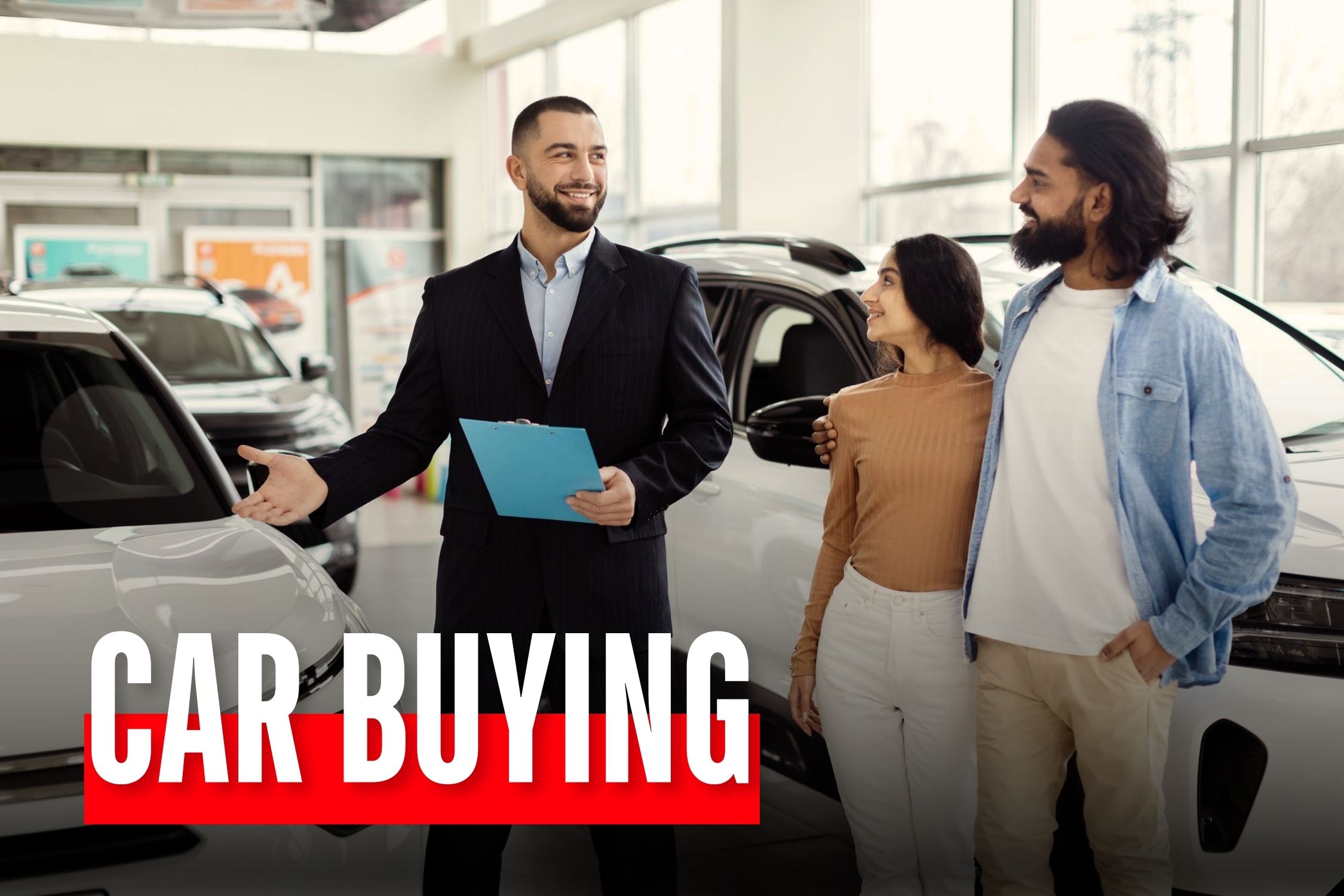
Used cars tend to be the most popular amongst UK drivers and it can be easy to see why. Second-hand cars have a lower purchase price, suffer from less depreciation and there is an endless amount of choice!

The main disadvantage of buying a used car is the lack of knowledge regarding its history. When you buy a new car, you will be the first owner and don’t have to second guess how the car’s been treated or if it’s been involved in an accident.

Reduce the risk of something going wrong with your next used car purchase by following these top tips below for safe car buying. 

Know your affordability. 

Before you make any large purchase, you should know how much you can afford to pay for it. This can speed up the buying process if you only shop for cars within your budget. Your budget may be one lump sum to pay for a car with cash or spread the cost into monthly payments with finance. Whichever way you choose to buy your next used car, you should try not to stray from your budget as you may get into a deal that you can’t afford to pay back.

Check the market value. 

Once you know how much you can spend on a used car, it’s time to see which cars you could buy. A quick internet search of local, trusted dealerships can help you to find used cars you can afford. It also gives you an idea of how much the cars you like would cost.

For example, if you’re striving for a used BMW on finance, knowing how much it would cost to buy one can give you an idea of how much your monthly budget could be. Knowing the market value of the cars you want to buy also helps if you’re buying with cash and wanting to negotiate the price. If there’s a similar model from a dealer down the road but with a lower price, you could use this as leverage or get a better deal. 

Check credit score for finance.

No matter if you’re looking for finance for a Volkswagen or a Porsche, the first thing you should do is to check your credit score. Your credit score can affect your ability to get approved for finance and not knowing where you fall on the credit scale can be costly.

A low credit score can make it harder to get approved if your low score is due to missed or late payments in the past or a lack of credit history. This is because you are seen as more of a risk to lenders and are more likely to default on future loans too. If you need to improve your credit score you should do so before applying for finance. 

Check insurance rates.

car-insurance

If you’re buying your first car, insurance rates can be some of the highest around. Newly qualified drivers are more likely to have a road accident in their first year of driving which bumps up the premium. Searching around for cheaper cars to insure and in your budget could help you save money. buying a used car isn’t just about the initial purchase price but also about being able to afford the running cost too. 

Use a reputable dealership. 

You can buy a second-hand car from a dealer or private seller, but to help protect your purchase, you should consider buying your car from a reputable and trusted dealer. Buying from a dealer gives you an added layer of protection and means you are covered by the Consumer Rights Act 2015.

This act means you are entitled to a full refund, repair, or replacement if the car is not as described or fit for purpose. Check the status of the dealer with the FCA and read verified reviews of other customers before committing to the sale. And if you are unsure where to begin, searching online using terms like “used cars for sale” can help you find reputable dealers in your area.

Check the history of the car.

Used cars run the risk of having a hidden history but you can check the history of a car you are interested in buying for free. You can check the tax and MOT status of a car and get more information by simply entering the registration number into the DVLA website. You can also make a one-off payment of around £10 with a trusted Car History Check website to see if the car has been stolen, previously written off or still has existing finance on it. 

Test drive and check the vehicle. 

Before you commit to buying a used car, you should always test drive it first to see how you like it. Take the car out for at least 30 minutes, drive it on different types of roads, and perform maneuvers to get a feel of how it drives. Also, take this opportunity to park up somewhere and check over the vehicle for any imperfections or damage. 

Read Also:

Nabamita Sinha loves to write about lifestyle and pop-culture. In her free time she loves to watch movies and TV series and experiment with food. Her favourite niche topics are fashion, lifestyle, travel and gossip content. Her style of writing is creative and quirky.

View all posts

Leave a Reply

Your email address will not be published. Required fields are marked *

Related

Tire Shopping

Tire Shopping Made Easy: A Comprehensive Buyer’s Guide

In the vast world of tire shopping, finding the perfect set can be a daunting task. With so many options available on the market today, it is crucial to have a comprehensive buyer's guide that simplifies and streamlines the process. This article aims to do just that – providing you with valuable insights, expert recommendations, and practical tips to make your tire shopping experience easy and effortless. Understanding Tire Types: A Breakdown of All-Season, Winter, and Performance Tires You may be in need of tires for all seasons. You may also think for your daily commute or high-performance ones for exhilarating drives. This definitive guide will equip you with the knowledge to navigate the myriad of options confidently and find exactly what you want. Say goodbye to hours spent researching different brands and specifications; our comprehensive buyer’s guide has got you covered every step of the way. also you can click to find out more. Understanding The Different Types Of Tires Understanding the different types of tires is essential for deciding when it comes to tire shopping. The regular-use tires (for all seasons),  are versatile and designed to provide satisfactory performance in diverse weather conditions. They typically balance a smooth, quiet ride and decent traction on dry, wet, or snowy roads. Winter tires are specifically crafted to excel in colder temperatures and harsh winter conditions. Their deep treads and softer rubber compounds ensure a superior grip on icy surfaces for enhanced safety during winter driving. Lastly, performance tires cater to those seeking exhilarating drives and optimum handling capabilities. These high-performance options prioritize grip, responsiveness, cornering ability, and maneuverability at higher speeds. Selecting The Appropriate Type Of Tire Depends Selecting the appropriate type of tire depends on your specific needs and preferences. If you want year-round reliability without needing frequent changes based on seasons, all-season tires would be suitable for your daily commute. However, if you frequently encounter heavy snow or low temperatures where winter conditions prevail for most of the year but still prefer not changing between summer/winter sets twice annually from both cost/time standpoints; investing in dedicated winter tires will significantly enhance safety during treacherous winters.For drivers more inclined towards acceleration response times or aggressive handling characteristics while enjoying sporty rides without compromising control & precision even at high speeds; performance-oriented options become necessary considerations with their optimized designs addressing such desires accordingly. Factors to Consider: Size, Tread, and Load Ratings for the Perfect Fit When it comes to finding the perfect set of tires, there are several factors that must be considered. Size is one of the most important aspects, as choosing the wrong size can have detrimental effects on your vehicle's performance and safety. It is essential to consult your vehicle's manual or consult a professional to determine the correct tire size for your specific make and model. Tread Tread is another crucial factor to consider when shopping for tires. The tread pattern affects traction and handling in various weather conditions, such as rain or snow. Tires with deep treads are better suited for wet or snowy roads, providing improved grip, while tires with shallower treads offer better performance in dry conditions but may struggle on slippery surfaces. Load Ratings Load ratings should also be taken into account when selecting the right tires. This rating indicates how much weight each tire can bear safely. Overloading your tires can result in reduced stability and increased risk of tire failure. Therefore, it is crucial to choose tires with load ratings suitable for your vehicle's weight requirements.By considering these key factors – size, tread, and load ratings - you can ensure that you find the perfect fit when shopping for new tires. Investing time in researching and understanding these elements will ultimately lead to improved performance, enhanced safety, and a more satisfying driving experience overall. Exploring Brands and Models: Top Recommendations for Every Budget Exploring Brands and Models: Top Recommendations for Every Budget is a comprehensive article that caters to tire shoppers looking to navigate the wide range of options available. With an aim to simplify the process, this professional guide provides valuable insights, expert recommendations, and practical tips. Whether you require all-season tires for daily commuting or high-performance ones for thrilling drives, this article equips you with the necessary knowledge and confidence.Titled "Tire Shopping Made Easy: A Comprehensive Buyer's Guide," this introduction acknowledges how overwhelming it can be when searching for the perfect set of tires in today's market. By offering a streamlined approach and valuable guidance, readers are empowered to make informed decisions based on their budgetary constraints. With a clear language targeted towards English-speaking individuals, exploring brands and models becomes more accessible than ever before. Tips for a Smooth Purchase: Where to Buy, Warranty Options, and Installation Services When it comes to buying tires, there are a few key factors to consider for a smooth purchase. Firstly, determining where to buy your tires is crucial. It is recommended to choose reputable and established tire retailers or authorized dealers who offer a wide selection of brands and models. This ensures that you have access to quality products with reliable warranties.Speaking of warranties, it's important to investigate the warranty options available when purchasing new tires. Look for manufacturers or sellers that provide comprehensive warranty coverage against defects or damages. This will give you peace of mind knowing that you are protected in case any issues arise after your purchase.Lastly, considering installation services can greatly simplify the tire shopping process. Many retailers offer professional installation services which include mounting, balancing, and alignment adjustments as needed. Opting for these additional services not only saves time but also guarantees proper and safe installation by trained technicians. Conclusion By using these tips - choosing where to buy from reputable sources, selecting appropriate warranty options, and taking advantage of convenient installation services - you can ensure a seamless tire shopping experience that meets all your needs. Read Also: Prepping Your Vehicle For Winter Weather Driving Knowing Your Vehicle: 5 Maintenance Tips for Porsche Owners Why You Should Choose Used Cars Canandaigua NY Over Brand New Vehicles

READ MOREDetails
Diesel Owners Could Receive Compensation

Money Expert Reveals Why Diesel Owners Could Receive Compensation

Economic professional Martin Lewis and his “Money Savings Expert” website listed a handful of car manufacturers recently. They were most likely to be included in the claim of diesel emissions. In this comprehensive guide, we provide a detailed law firm breakdown that enables assistance to affected car owners in both Wales and England. They can further claim legally against the carmakers. All the claims that have been listed in this comprehensive guide are linked to the Dieselgate scandal that happened in 2015. In September of that year, Volkswagen and Audi diesel vehicles, which are manufactured by German carmaker the Volkswagen Group, were discovered to have used cheat or defeat devices that artificially lowered emissions during testing conditions. The company received a notice of violation and adhered to regulatory action as mandated by US authorities. The vehicles were sold to American consumers. VW initially denied the accusations but company officials later on admitted they knew about the defeat devices. The California Air Resources Board and the Environmental Protection Agency (EPA) ordered the carmaker to recall the thousands of affected vehicles. VW also had to pay fines, fees, and compensation - something that they continue to do nowadays. The story doesn’t end with VW, though, as other carmakers entered the picture a few years later. Money Savings Expert has a list of the other brands possibly involved in the diesel emissions scandal.       BMW       Chrysler       Mercedes-Benz       Fiat       Land Rover       Kia       Citroën (now a part of Stellantis)       Nissan       Vauxhall       Hyundai       Peugeot       Renault       Mini       Skoda       Porsche       Volvo       Seat       Jaguar The financial website further stated that drivers who owned diesel vehicles of any of the abovementioned brands that were manufactured between the years 2007 and 2020 may be able to bring a legal claim. Whether the car or van was purchased outright or financed, drivers can pursue legal action or a diesel claim. Most of the legal firms helping out affected drivers offer a no-win-no-fee guarantee, which means claimants do not have to pay anything if they lose the case. Most drivers join a GLO or group litigation order. A successful diesel emissions claim gives drivers the compensation they deserve. Why Should Affected Drivers Be Compensated? According to Money Saving Expert, the following scenarios entitle affected drivers to receive compensation.       The driver or car owner wouldn’t have purchased the vehicle had they known about the defeat device used for cheating emissions.       The driver paid a premium amount for an environmentally friendly vehicle - brand new or pre-owned but got a vehicle that isn’t emissions-compliant instead.       The driver has had to bring the vehicle to the shop or manufacturer for a fix because of compromised performance and fuel efficiency, which in turn, lowered the vehicle’s value and resulted in extra costs. Additionally, defeat device-equipped vehicles release dangerous emissions with life-threatening health impacts. This is more than enough reason to file a legal claim. Defeat Devices And NOx Emissions A defeat device is programmed to sense when a vehicle is brought into the lab for regulatory testing. Once this happens, the device immediately lowers emissions to within the mandated levels of the World Health Organization. The vehicle appears safe and clean - but this is only true during testing conditions. As soon as the vehicle is taken out of the lab and driven on real-world roads, it emits excessively high amounts of nitrogen oxides. So, in reality, it doesn’t conform to emissions regulations. NOx is highly reactive and dangerous. It contains gases such as nitric oxide (NO) and nitrogen dioxide (NO2). It is responsible for the formation of smog and acid rain and produces ground-level ozone, a pollutant that harms vegetation. Exposure to nitrogen oxides can trigger mental health issues such as depression and anxiety. Additionally, regular exposure can affect your cognitive abilities, which can lead to dementia, specifically Alzheimer’s disease. If you were exposed to low levels of NOx emissions, you might notice the following health impacts:       Nausea       Vomiting       Shortness of breath       Pulmonary oedema or fluid build-up in your lungs       Asthma       Emphysema, bronchitis, and other respiratory diseases       Corroded teeth If you have been exposed to high levels of NOx emissions, your health impacts can be serious:       Reduction of lung function (chronic)       Laryngospasm (or vocal cords spasm)       Certain cancers       Asphyxiation       Cardiovascular diseases       Premature death In recent years, air pollution has become the leading cause of premature deaths worldwide. It has claimed hundreds of thousands of lives. Filing a diesel claim is the only way car owners can get back at carmakers that deceived them into buying high-polluting vehicles that exposed them to dangerous NOx emissions. Should I Start My Diesel Claim Now? The best time to start a diesel claim is now. However, before you can file a claim, you need to find out first if you are qualified to bring your carmaker to court. It’s simple; all you have to do is visit ClaimExperts.co.uk. All the information you need is there. Once you’ve verified your eligibility, you can start working with emissions experts who can help you with your emission claim. Click here to begin. Read Also: How To Shop For A Car With Your Teen Driver? Are You Thinking About Buying Quad Bike For Your Kid?

READ MOREDetails
Safest Motorcycle Equipment

The Safest Motorcycle Equipment: Gear For Every Rider

Riding a motorcycle offers a sense of freedom and adventure, but it also comes with inherent risks. As a motorcyclist, your safety should be a top priority every time you hit the road. While honing your riding skills and practicing defensive driving techniques are crucial, investing in the right motorcycle equipment can provide an additional layer of protection in the event of an accident. In this blog post, we'll explore the safest motorcycle equipment that every rider should consider wearing to stay safe on the road. Helmet A high-quality helmet is the single most important piece of safety equipment for any motorcyclist. In the event of a crash, a helmet can significantly reduce the risk of head injuries and traumatic brain injuries. When choosing a helmet, opt for one that meets or exceeds safety standards, such as the Department of Transportation (DOT) or Snell certification. Look for features such as a sturdy outer shell, impact-absorbing liner, comfortable padding, and a secure chin strap. Additionally, make sure the helmet fits snugly and securely on your head to provide maximum protection. Protective Riding Gear In addition to a helmet, wearing protective riding gear can help safeguard your body from injuries in the event of a crash or slide. Invest in a durable motorcycle jacket made from abrasion-resistant materials such as leather or textile, with built-in armor in critical areas like the shoulders, elbows, and spine. Pair the jacket with armored riding pants or jeans, which offer added protection for your legs and hips. Don't forget to wear sturdy motorcycle gloves to protect your hands and wrists from abrasion and impact injuries. Riding Boots Proper footwear is essential for maintaining control of your motorcycle and protecting your feet and ankles in the event of a crash. Choose motorcycle-specific riding boots with reinforced soles, ankle support, and impact protection. Look for boots made from durable materials such as leather or synthetic textiles, with non-slip soles for optimal grip on foot pegs and pavement. Avoid wearing sneakers or other casual shoes, which offer little to no protection in the event of an accident. Eye Protection Protecting your eyes from wind, debris, and insects is essential for maintaining visibility and safety while riding. Invest in a good pair of motorcycle goggles or a full-face helmet with a built-in visor or face shield. Look for eye protection with anti-fog and UV-resistant coatings for optimal clarity and comfort in various riding conditions. Additionally, consider carrying a spare visor or anti-fog treatment for long rides or inclement weather to ensure clear vision at all times. Reflective Gear The Cherry Hill motorcycle accident attorneys make it clear that visibility is crucial for staying safe on the road, especially when riding at night or in low-light conditions. Incorporating reflective gear into your riding ensemble can help increase your visibility to other motorists and reduce the risk of accidents. Wear a reflective vest or jacket with reflective strips, or add reflective tape to your helmet, jacket, and motorcycle to enhance visibility from all angles. Consider investing in reflective decals or accessories for your motorcycle, such as wheel stripes or side reflectors, to improve visibility even further. Motorcycle Armor For riders who engage in off-road or high-speed riding, motorcycle armor provides an extra layer of protection against impacts and abrasions. Motorcycle armor typically consists of hard plastic or composite panels strategically placed on key areas of the body, such as the chest, back, shoulders, elbows, and knees. Integrated into a compatible motorcycle jacket or pants, armor enhances protection without sacrificing comfort or mobility. Look for CE-certified armor for optimal impact resistance and shock absorption. Riding a motorcycle can be an exhilarating experience, but it's essential to prioritize safety every time you hit the road. Investing in the safest motorcycle equipment is crucial for protecting yourself from potential injuries in the event of an accident. By wearing the right gear and practicing safe riding habits, you can enjoy the thrill of motorcycling while minimizing the risks associated with this exhilarating mode of transportation. High Visibility Vest Reflective motorcycle vests with high visibility are extremely important in case you are riding during the night or in darker areas. They are cost-effective and provide the necessary safety for your adventure rides. Road crews and highway workers wear them for safety reasons. Similarly, you, too, must utilize this safety tool to maximize visibility. These vests are available in many different materials. They offer reflective and high-visibility colors to help alleviate safety concerns. So if you do not have one, you must get one. A high-visibility vest is a great option for riding in high-traffic as well as high-density population areas. These vests will save you from dangerous situations. You may want to stay comfortable, but safety is key. Protective and preventive motorcycle safety gears keep you safe while you take on the challenges on the road. They do not let safety become an obstacle in the path to your limitless thrill. Earplugs One of the most important items of safety gear for motorcycle riders is earplugs. You may not be riding a throaty cruiser with its V-twin engine. Bikes, however, are noisy. If you add traffic and wind noise to the already loud party, ear fatigue is not too far away. The excessive exposure to this high-decibel noise will start to set in for sure. In order to protect your hearing, use industrial use foam plugs to keep your ears safe. Some of them are inexpensive, but a higher-quality plug will offer a better fit as well as better attenuation. It will be a far better choice to invest in a set of custom-made plugs. Our ears are unique, similar to fingerprints. There are many motorcycle companies that offer earplugs that are designed especially for motorcycle riding. Even audiologists can make you a custom-fitted pair within a week or two. Wrapping Up It is crucial to wear safety gear amid the right clothing when riding a bike. You could be riding a moped or even a high-performance bike. As serious as crashing on a bike sounds, the right equipment will help keep you ready for all situations. There are safety helmets and eye protection to consider. Visors and goggles will keep your eyes from getting injured and increase on-road visibility. Safe riding is not just a personal choice, it is also a legal requirement to make sure that you get the right protection while on the road. If you have thoughts to share or questions to ask, please leave a comment below. We would love to hear from you! Read Also: Things to Consider Before Buying Your First Motorcycle Dos and Don’ts When You’re Involved in a Motorcycle Accident 8 Useful Tips to Help You Prepare For Your First Motorcycle Track Day

READ MOREDetails