












Five Ways to Help Your Trade Show Booth Stand Out From the Crowd

Published on: 20 December 2019 Last Updated on: 04 September 2024
Trade Show Booth

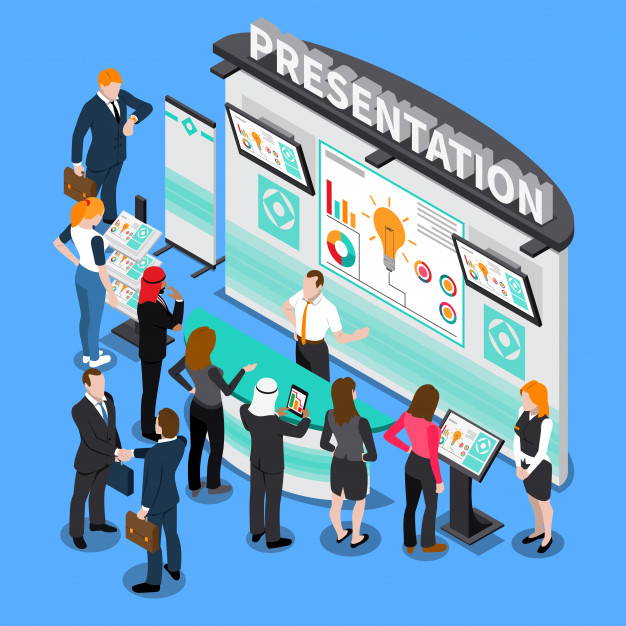
Have you ever attended a trade show with boring displays and unenthusiastic salespersons? You probably walked out uninspired and disappointed that you wasted your time. Don’t be a vendor that fails to make an impression on interested attendees with a dull trade show booth. Grab a visitor’s attention and get them excited about your brand and what it has to offer.

Here are five tips to help create a striking trade show booth that’ll stand out from the crowd:

Target Your Audience
Trade Show Booth

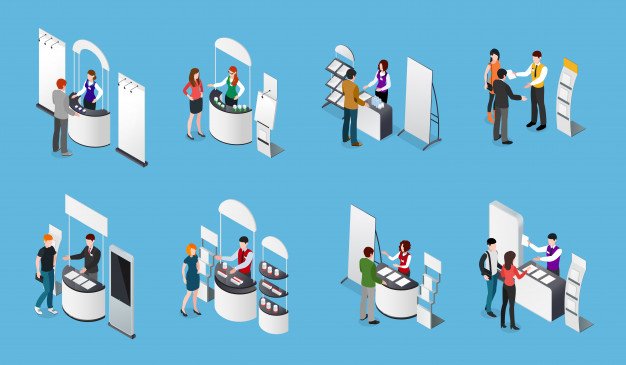
You’ll be most successful if you have a trade show booth that matches the trade show theme. Attending Comic-Con? You’ll want to be modern and edgy. A flower and garden show? You’ll want to show your softer side. You may want to rent a booth instead of owning one. When you own a booth, you are limited to one design, but with a rental, you can choose from multiple styles that allow creativity and flexibility for different trade shows.

Create a Crowd

People are attracted to trade show booths that have a crowd. Help create a group by staffing your booth with friendly and enthusiastic employees who can welcome people into your exhibit. Offer light snacks or coffee so people will linger and browse your products. Make sure your staff knows how to manage the booth so they can generate leads and connect with both new and old clients.

Create an Eye-Catching Display

You have one chance to make a first impression, so make it a good one. Create a presentation with your company name prominently displayed so everyone can see it. Use lights and multimedia—think videos or music—to get people’s attention, but don’t go overboard and deter visitors because your booth is too loud or distracting.

You should always look to invest in your trade show displays. This helps build credibility for your brand, attracts the right audiences, and improves chances for sales queries and conversions. Make sure you are setting up the displays to make it customer-friendly, informative and aesthetically pleasing.

Use short, simple headlines to convey a bold message that’ll pique visitors’ interests. Lastly, don’t forget to publicize your social media links so people can connect with your brand both during and after the event.

Turn It Into an Experience

Bring a product demo so event attendees can experience your product firsthand. If you can’t bring in a product demo, then create an experience for your attendees. For example, if your product helps eliminate odors in a workspace, create a space with perfumes, colognes, food, and other typical office smells. People can step into the enclosed space, try out your product, and have a sensory experience they won’t forget.

Use a Contest or Prize to Create a Buzz

Everyone loves to get something for free, so don’t hesitate to give away swag or have a raffle. Use brightly colored stickers, light-up bracelets, and other eye-catching trinkets to get your brand noticed on the event floor. Giving out swag with your brand name extends your reach beyond your booth. If your swag is good enough, people not only wear it on the event floor, but they also may bring it home with them. You can further your engagement by offering a door prize to those who wear your promotional items during the show or share them on social media.

Don’t just fill up space at a trade show—let your brand make an impression! Keep these tips in mind as you prepare your booth and staff for your next trade show.

Read Also:

Content Rally wrapped around an online publication where you can publish your own intellectuals. It is a publishing platform designed to make great stories by content creators. This is your era, your place to be online. So come forward share your views, thoughts and ideas via Content Rally.

View all posts

Leave a Reply

Your email address will not be published. Required fields are marked *

Related

Building Brand Awareness

From Zero To Hero: A Step-By-Step Guide To Building Brand Awareness

Imagine this scenario. You've launched a business. Your products or services are top-notch. Yet, customers don't seem to know you exist. This situation isn't uncommon. Today's market brims with choices. Brands compete fiercely, making it tough to grab the limelight. And with the digital age, there's an information deluge. Every day, consumers face a barrage of brand messages. Cutting through this noise feels daunting. However, there's hope. This article unveils strategies to skyrocket your brand's visibility. Soon, instead of being a face in the crowd, you'll become the talk of the town. With commitment and clarity, you can transition from obscurity to prominence. Understanding Your Brand’s Core Values Diving into brand building starts at the roots. First up, it's vital to grasp your brand’s essence. What do you represent? This involves defining your mission, vision, and values. These elements provide direction. They serve as a compass, guiding every business decision. Next, focus on standing out. In a sea of brands, uniqueness is gold. Here's where your unique selling proposition (USP) steps in. It’s not just about what you offer. It’s about why consumers should pick you over competitors. Think about what sets you apart. It could be superior quality, exceptional service, or an innovative feature. Lastly, weave a compelling brand story. People remember stories, not dry facts. Narratives evoke emotions. They create connections. Your story shouldn't be a sales pitch. It should be a genuine reflection of your journey and values. It’s about resonating with consumers on a human level. Sharing challenges, triumphs, and aspirations makes your brand more relatable. In essence, knowing your brand inside-out is the foundation. With a clear understanding, you position yourself for success in the brand-building journey. Leveraging Digital Platforms In today's digital age, online platforms are game-changers. They can propel your brand's recognition rapidly. Many businesses even turn to specialists like a marketing agency Bristol to help navigate the complex digital landscape. With expert guidance, you can maximize your online presence and ensure you're reaching your target audience effectively. Let's delve into how. Start with social media. It's more than just posting photos or updates. It’s about strategic engagement. Picking the right platforms is crucial. Not every channel suits every brand. Identify where your audience spends time. Then, maintain a consistent brand voice. Consistency reinforces recognition. Over time, your audience will identify with your messaging. Content marketing isn’t about churning out articles. It’s about delivering value. Craft content that addresses your audience’s needs. Make it relevant. Make it resonate. Consistency is key here too. Regularly updated content keeps your audience coming back for more. Lastly, there’s SEO, or search engine optimization. It might sound technical, but its impact is profound. Proper SEO ensures your brand appears when potential customers search online. It's not about stuffing keywords. It’s about crafting quality content that search engines deem worthy. The result is higher rankings and more visibility. In a nutshell, digital platforms offer vast potential. By harnessing them effectively, your brand can soar to new heights in awareness. Engaging With Your Community Building brand awareness isn't a solo endeavor. It's a collective effort. Engaging with your community amplifies your reach. Here's how to foster that connection. First, consider hosting brand-centric events. These could be webinars, workshops, or local meetups. Events provide face-to-face interactions. They help humanize your brand. Attendees gain firsthand experience. They see your passion, knowledge, and commitment. Such events also create buzz. When attendees share their experiences, word spreads. Next up, partnerships. Collaborate with influencers in your domain. They've already done the legwork. They have a dedicated audience that trusts them. By aligning with them, you tap into their follower base. You also borrow some of their credibility. Remember, authenticity is crucial. Choose influencers who genuinely resonate with your brand's values. Lastly, who doesn't love a good deal? Promotions and giveaways can work wonders. They not only boost short-term sales but also foster long-term loyalty. People love feeling valued. Offering exclusive deals makes them feel special. Plus, they're likely to spread the word. Community engagement provides the fuel for your brand's growth engine. By genuinely connecting, you lay the foundation for sustainable brand awareness. Monitoring And Adjusting Your Strategy In the brand-building journey, staying static isn't an option. The market shifts. Consumer preferences evolve. You must keep pace. So, how can you ensure your strategy stays fresh and effective? First, turn to analytics. Modern digital tools offer deep insights. They track metrics like brand engagement and reach. By monitoring these, you can assess your strategy's impact. It gives you a clear picture. You see what's working and what’s not. With real-time data, you can make informed decisions. Then, listen to your audience. Feedback is invaluable. Encourage customers to share their thoughts. Positive or negative, every piece of feedback is a learning opportunity. It sheds light on areas of improvement. With these insights, you can refine the brand experience. It ensures you always align with customer needs and desires. Lastly, flexibility is paramount. The market landscape is dynamic. Being rigid can leave you behind. Adaptability, on the other hand, keeps you ahead. Regularly review your strategies. As market dynamics change, tweak your approach. By staying nimble, you can navigate challenges and capitalize on opportunities. To wrap up, a successful brand awareness strategy isn't set in stone. It's a living entity, needing regular evaluation and adjustment. Conclusion Building brand awareness is a transformative process. It moves a brand from the shadows into the limelight. The path from obscurity to prominence demands three things: a solid strategy, unwavering effort, and adaptability. Engaging with customers isn't just beneficial; it's crucial. Genuine interactions build trust. They shape perceptions and solidify brand loyalty. So, never underestimate this power. Additionally, the branding world never sleeps. New trends emerge. Technologies evolve. By keeping a finger on the pulse, you ensure relevance. Stay updated. Embrace the new, while staying true to your core values. Lastly, invest in growth. Not just business growth, but personal and team growth. Continuous learning paves the way for sustainability. It fuels innovation, insights, and improvement. By embracing this methodical approach, any business can rise. You can transition from being a whisper in a crowded room to the main conversation. Remember, brand awareness isn’t a mere checkpoint. It's the opening act in the customer’s journey with you. Ensure it leaves an imprint, setting the stage for a lasting relationship. Make every moment of recognition count. Read Also : How Personal Branding Online Can Help Your Job Search Why Every Business Needs Digital Marketing Building A Brand For Your Small Business

READ MOREDetails
DOOH Advertising

Why DOOH Advertising Should Be A Part Of Your Multi-Channel Marketing Strategy

In today's hyper-connected world, consumers are constantly bombarded with advertisements across multiple channels. To effectively engage your target audience, it's essential to adopt a multi-channel marketing strategy that integrates various touchpoints. One channel that should not be overlooked in this approach is digital out-of-home (DOOH) advertising. With its unique ability to captivate consumers in public spaces, DOOH offers several compelling reasons why it should be an integral part of your multi-channel marketing strategy. Extended Reach and Increased Visibility: DOOH advertising provides an opportunity to expand your brand's reach beyond the confines of online and traditional media. By leveraging strategically placed digital displays in high-traffic areas such as shopping malls, airports, and transit stations, you can expose your brand to a larger audience. Unlike other advertising channels that are limited to specific devices or platforms, DOOH has the advantage of reaching consumers when they are outside their homes, making it an effective way to generate brand awareness and increase visibility. According to a study conducted by Nielsen, DOOH advertising has the potential to reach 90% of the population in some markets (1). By including DOOH in your multi-channel marketing strategy, you can tap into this vast audience and ensure that your brand message reaches a diverse range of consumers. Targeted and Contextual Messaging: DOOH advertising allows for highly targeted and contextual messaging, enabling you to deliver relevant content to specific audiences. DOOH networks often provide advanced targeting capabilities based on factors such as location, time of day, and audience demographics. This level of granularity allows you to tailor your messaging to resonate with the specific audience present at a given location, enhancing the relevance and effectiveness of your campaigns. For example, a sports apparel brand can display ads promoting its latest collection near gyms or sports facilities, targeting fitness enthusiasts. Similarly, a cosmetics brand can showcase its products in high-end shopping districts to attract its desired demographic. By leveraging the targeting capabilities of DOOH, you can ensure that your message reaches the right people at the right time and place. Seamless Integration with Digital Channels: DOOH advertising seamlessly complements your digital marketing efforts by bridging the gap between offline and online channels. With the rise of technologies like near-field communication (NFC), QR codes, and mobile integrations, DOOH campaigns can drive engagement by encouraging consumers to interact with your brand through their smartphones. For instance, a DOOH ad can display a QR code that leads consumers to a landing page or a mobile app where they can learn more about the product, make a purchase, or participate in a contest. By integrating DOOH with digital channels, you create a cohesive brand experience and increase the chances of converting offline interactions into online actions, ultimately driving customer engagement and conversions. Enhanced Creativity and Engagement: DOOH advertising offers unparalleled opportunities for creativity and audience engagement. With dynamic digital displays, you can deliver captivating and visually appealing content that captures attention and leaves a lasting impression. The ability to incorporate motion, animation, and high-resolution visuals enables you to tell compelling stories and convey your brand's message effectively. Moreover, DOOH campaigns can incorporate interactive elements such as touchscreens, motion sensors, and augmented reality (AR), enabling consumers to actively engage with your brand. These interactive experiences foster deeper connections, increase brand recall, and encourage social sharing, amplifying the impact of your marketing efforts. For example, an automotive brand can create an interactive DOOH display where passersby can virtually customize the features of a car and visualize it in real time. This hands-on experience not only generates excitement but also allows potential customers to interact with the brand in a memorable and engaging way. Measurable and Data-Driven Insights: Like other digital channels, DOOH advertising provides valuable data and insights that can inform your marketing strategies. Metrics such as impressions, dwell time, and interactions can be tracked and analyzed to gauge the effectiveness of your campaigns. By leveraging these insights, you can optimize your DOOH messaging, make data-driven decisions, and allocate resources more effectively. In addition to these basic metrics, DOOH can leverage advanced technologies for even more granular data. For instance, facial recognition technology can provide demographic information about the audience, allowing you to gauge the composition and characteristics of the viewers. This data-driven approach helps you understand your audience better, refine your targeting, and tailor your messaging to maximize engagement and conversions. Unique Brand Experiences: DOOH allows you to create unique and memorable brand experiences that are difficult to replicate through other channels. Whether it's a large-scale projection, a digital billboard takeover, or a stunning interactive display, DOOH enables you to captivate audiences and differentiate your brand from competitors. By providing immersive and innovative experiences, you can create a strong emotional connection with consumers, ultimately driving brand loyalty and advocacy. For example, a fashion brand can collaborate with an artist to create a mesmerizing digital art installation that showcases their latest collection. This visually striking display not only attracts attention but also associates the brand with creativity and innovation, leaving a lasting impression on viewers. In conclusion, digital out-of-home advertising should be an integral component of your multi-channel marketing strategy. By incorporating DOOH into your overall marketing mix, you can expand your brand's reach, deliver targeted messaging, seamlessly integrate with digital channels, foster engagement, gather valuable data, and create unique brand experiences. By leveraging the power of DOOH alongside other marketing channels, you can maximize the impact of your campaigns and effectively engage with your target audience in both offline and online environments. Read Also: What is a Digital Marketing Agency and What Can It Do For You? This Is Why Social Media Is Essential in the B2B Sales Process 5 Benefits of Digitalization in Marketing

READ MOREDetails
Best Ways To Market Your Small Business Online In 2024

The Best Ways To Market Your Small Business Online In 2024: A Guide

As we step into 2024, the digital landscape for marketing a small business continues to evolve at a rapid pace. Navigating this dynamic world can be daunting, yet small business owners need to stay ahead of the curve. In this comprehensive guide, we’ll explore the most effective online marketing strategies tailored for small businesses in 2024. From leveraging social media platforms to exploring emerging digital trends, we’ll provide you with actionable insights and tips to enhance your online presence and connect with your audience. Whether you’re a startup or an established business looking to expand your digital footprint, these strategies will help you maximize your online marketing potential and drive your business forward. Harnessing The Power Of Social Media: Beyond The Basics  Social media remains a powerhouse for small business marketing, but it’s no longer just about having a presence – it’s about strategic engagement. Businesses should focus on platforms where their target audience is most active and tailor content to suit each platform’s unique environment. Interactive and visually appealing content, such as live videos, stories, and AR filters, can significantly boost engagement. Additionally, leveraging social media analytics tools for insights into customer behavior and preferences is crucial. By creating a strong, authentic brand voice and engaging directly with customers through comments and messages, businesses can build a loyal community, turning followers into customers. WhatsApp Marketing: Connecting with Customers On A Personal Level  WhatsApp marketing continues to stand out as a highly effective tool for small businesses, especially when leveraging advanced WhatsApp marketing software. This software enables businesses to automate and streamline their communication, making it easier to manage large volumes of messages and maintain personal connections with customers. Features like automated responses, chatbots, and broadcast lists allow for efficient and personalized communication at scale. Businesses can use these tools to send timely updates, promotional messages, and personalized greetings, enhancing customer engagement. Additionally, WhatsApp marketing software often includes analytics capabilities, helping businesses to track engagement and refine their strategies. By utilizing this software, small businesses can maximize the impact of their WhatsApp marketing efforts, fostering stronger customer relationships and loyalty. Email Marketing: Personalized Way Of Marketing A Small Business  Email marketing continues to be a vital tool for small businesses, with personalization at its core. Crafting personalized emails that resonate with your audience can significantly increase open rates and conversions. Segmenting your email list based on customer behavior and preferences allows for more targeted and relevant messaging. Automation tools can help in sending timely and personalized emails triggered by specific actions, like welcoming new subscribers or following up on abandoned carts. Moreover, integrating interactive elements such as polls, surveys, and clickable CTAs can enhance user engagement. A well-executed email marketing strategy not only drives sales but also strengthens customer relationships. Leveraging SEO For Long-Term Success  Search Engine Optimization (SEO) remains a fundamental aspect of online marketing for small businesses. A strong SEO strategy ensures your business appears prominently in search results, driving organic traffic to your website. Focus on optimizing your website with relevant keywords, quality content, and a mobile-friendly design. Regularly updating your blog with informative and engaging content can establish your business as an industry authority. Local SEO is especially crucial for small businesses, so ensure your local listings are up-to-date and you’re leveraging location-based keywords. Remember, SEO is a long-term strategy; consistent efforts and staying updated with Google’s algorithm changes are key to success. Video Marketing: The Era Of Authentic Storytelling  Video marketing continues to dominate in 2023, with a shift towards authentic storytelling. Customers crave genuine, relatable content, making it essential for small businesses to create videos that resonate on a personal level. Focus on producing high-quality, informative, and entertaining videos that showcase your brand’s personality and values. Platforms like YouTube, Instagram, and TikTok offer vast audiences for diverse video content, from educational how-tos and product demos to behind-the-scenes glimpses and customer testimonials. Live streaming also presents an opportunity for real-time engagement. With the increasing accessibility of video production tools, businesses of any size can harness the power of video marketing to captivate and connect with their audience. Influencer Collaborations: Leveraging Credibility And Reach  In 2023, influencer marketing continues to thrive, offering small businesses a chance to leverage the credibility and reach of popular online personalities. Working alongside influencers who align with the values of your brand and resonate with your prospective audience can largely amplify your marketing message.  These collaborations can range from sponsored posts and product reviews to joint live streams and giveaways. It’s not just about the number of followers; micro-influencers with a highly engaged audience can often offer more value. The authenticity and trust that influencers have cultivated with their followers can lead to increased brand awareness and loyalty, driving both traffic and conversions for small businesses. It takes marketing a small business to another level.  Pay-Per-Click (PPC) Advertising: Maximizing ROI  Pay-per-click (PPC) advertising remains a vital part of online marketing strategies, especially for small businesses looking for measurable ROI. Platforms like Google Ads and social media ads offer targeted advertising options to reach potential customers based on demographics, interests, and behaviors. The key to successful PPC is creating compelling ad copy, choosing the right keywords, and continuously optimizing based on performance data. Utilize A/B testing to determine which ads perform best and adjust your strategy accordingly. PPC can drive immediate traffic and conversions, but it requires careful budget management and ongoing analysis to ensure you’re getting the most out of your investment. Mobile Optimization: Catering To The On-The-Go Consumer  Mobile optimization is no longer optional for small businesses – it’s essential. With the majority of online interactions occurring on mobile devices, ensuring your website and content are mobile-friendly is crucial. This includes responsive web design, fast loading times, and easy navigation. Mobile optimization extends to all aspects of your online presence, from emails being easily readable on mobile devices to ensure your social media content is engaging on smaller screens. Additionally, consider mobile-specific strategies like SMS marketing or mobile apps to further engage your mobile audience. Catering to the on-the-go consumer can significantly enhance user experience and increase engagement and conversions. Final Thoughts In the ever-evolving world of online marketing, making data-driven decisions is key to success in 2024. Utilizing analytics tools to track and analyze your marketing efforts is essential in understanding what works and what doesn’t. Regularly review metrics such as website traffic, conversion rates, engagement rates, and ROI across all your marketing channels. This data allows you to refine your strategies, allocate your budget more effectively, and personalize your marketing efforts. Staying agile and responsive to data trends can help you stay ahead of the competition. In a landscape inundated with information, the ability to decipher and utilize this data effectively can make a significant difference in the success of your small business’s online marketing efforts. Read Also: Optimize Your Small Business Revenue by Taking These Steps Basic Small Business Tips for Noobs Who Want to Start a Venture in 2020 How to Empower Your Small Business through Digital Marketing?

READ MOREDetails