











Getting a Return on Investment From Using a Trade Show Booth

Published on: 15 November 2019 Last Updated on: 08 August 2023
Trade Show Booth

It’s easy to find people who will swear that getting a massive ROI from a trade show booth is nearly impossible. That is not the case, by any means. Most likely, those people failed to use some of the tips in this article. Companies that have, however, have experienced massive success with their trade show booth. Here’s what they did.

1. Putting Branding First

For people who have never heard of your organization before, your booth is their first impression of your brand. If you can make it a positive one, that will result in them being more eager to do business with you. That’s why it’s crucial to make sure that your booth reflects the unique features of your brand.

Incorporating creativity into your branding can help, as it allows you to stand apart from other booths, encouraging more people to take an interest.

2. Having a Friendly Design

Branding of trade show

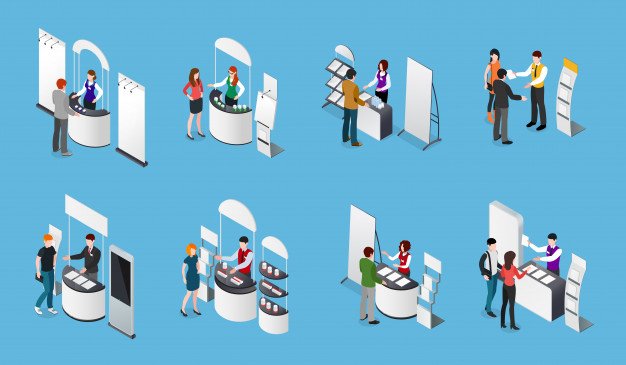
It’s almost certain that there will be other booths around, and attendees might not have enough time to have an in-depth interaction with all of them. That’s why having a design that not only showcases your brand but invites people is important. Brands that have worked with ExpoMarketing to create high-performing booths have been presented with unmatched designs.

It also helps to have staff surrounding the booth, so that people have someone to talk to and interact with when they decide to explore it. Attendees can also be treated to interactive such as touchscreens, through which they can learn more about your business while having fun.

3. Capitalizing on Word-of-Mouth Marketing

A successful trade show booth generates buzz long after the trade show itself. To do this, you need to have something that ensures that people keep talking about your business and the way you presented it. One of the most successful ways to achieve that is to hand out things like stickers and wearables. StickerYou has wide options of premium custom stickers for all your business printing and branding needs.

At the end of the event, you can give out prizes to people who wear your merch. It’s important to be strategic about the prizes and to make them things that people are likely to display in full view of others. That way, you’ll keep generating conversations about your brand and winning over new customers and clients.

4. Networking 
Networking

Meeting attendees before the trade show can have a profound effect on how your booth performs. You’ll also be able to gather contact information from people so you can stay in touch and have a chance to convert them later on. When meeting people before a booth, you can

On the day of the trade show, people will be more likely to visit your booth because they’ll feel a sense of familiarity with it, unlike others that will seem completely alien. When meeting them, however, it’s important to focus less on talking about your business and what it does. Rather, you can try to gather as much information about them and what they do.

When people do visit your booth, you’ll be able to start a conversation based on how you’re equipped to help them with the problems they mentioned to you earlier.

Combining all these tips will ensure that you have a booth that will have a huge positive ROI, resulting in more clients and customers. The sooner you start thinking about how you’re goese tips, the more success you’re likely to have with your trade show booth.

Read Also:

Content Rally wrapped around an online publication where you can publish your own intellectuals. It is a publishing platform designed to make great stories by content creators. This is your era, your place to be online. So come forward share your views, thoughts and ideas via Content Rally.

View all posts

Leave a Reply

Your email address will not be published. Required fields are marked *

Related

klaviyo email

How to Use Personalization Tags in Klaviyo Email Templates for Higher Click Rates

Email marketing is a field, truely competitive in nature. It seizes the interest of subscribers along with encouraging them to get up close and personal with your content. Let me tell you an effective way of achieving this- personalization. Klaviyo has recently gained momentum for being the leading email marketing platform. Not only does it provide robust tools that give life to your boring email templates, but it also uses tags. Some of these tags use the dynamic insertion of individual subscriber data. In this comprehensive guide, we are going to dive into multiple ways of using personalization tags in Klaviyo email templates. Stick to us till the end if you want to comprehend the basics of personalization tags. Get a detailed idea about how to implement advanced techniques and various other useful strategies. Let’s get started, then! Understand the Basics of Personalization Tags In general terms, personalization tags refer to placeholders in an email template that get replaced with some specific information related to your subscriber list. These tags usually include the subscriber’s name, recent purchase, and even the location. For instance, rather than beginning the email with a typical “Dear Customer” statement, use tags like “Dear [First Name]," which makes the email look more personal. Klaviyo uses personalization tags that are super easy to use. You can either insert them directly into your templates or in other email drafts. For example, typing “{{ first_name }}” in your template will automatically replace it with the subscriber’s first name when the email is sent. The change might look small, but it makes an enormous difference in the emails you receive, giving the impression of a more customized email. The correct use of these tags assists in building a positive connection with your audience. If subscribers see their personal name or details, they are more likely to open the email and even click on links.  Now, this is exactly why personalized emails are much more popular than custom emails. All in all, understanding and using personalization tags is the initial step in making your Klaviyo emails more engaging and effective.  With basic tags like the subscriber's name or location, you can start to see an improvement in your email open and click rates. This sets the foundation for more advanced personalization strategies. Personalize Subject Lines for Better Open Rates Subject lines are initial elements a subscribers see, so making them personal can greatly increase your open rates. In Klaviyo, you can use personalization tags to include the subscriber's name or other relevant information in the subject line. For instance, you can use "Hey {{ first_name }}, See What's New Just for You” instead of a common subject like "Check Out Our New Products.” Such an approach gives your email a more personal touch, and people are likely to open it. When people see their name in the subject line, they are more likely to open the email because it feels like it was written specifically for them. And that’s not all! There is a plethora of data that makes your subject line more engaging. All it takes it to look for all those data. For example, you can take subscriber’s location into account and pitch them with a more personalized email. Another example could be using recent activity data. In case the subscriber recently viewed some product on your website, you can create a subject line like "Still Interested in {{ product_name }}? Get It Before It's Gone, {{ first_name }}!" Amazing, right? This not only personalizes the email but also reminds them of something they are interested in, increasing the chances they will click through. By using personalization tags in your subject lines, you make your emails more appealing and increase the likelihood that subscribers will open them, setting the stage for higher engagement and click rates. Tailor Email Content to Individual Preferences After you grab the attention of your subscribers, it’s time to give it a much custom touch. Now, the next big thing is to make the content list of your email more engaging. Klaviyo lets you use personalization tags within the email body to create a more customized experience for each recipient. The third instance is to begin your email with a friendly greeting like, "Hi {{ first_name }}, we noticed you enjoyed browsing our selection of {{ category }} products!" This approach makes the reader feel acknowledged and valued. Using personalization tags effectively is important as it helps subscribers make an informed decision about further purchases.  For instance, "Since you loved {{ previous_product }}, we think you'll also like these new arrivals." This not only personalizes the email but also showcases products that the subscriber is more likely to be interested in, increasing the chances they will click on the links. Make extra effort to customize special offers and discounts. For example, "As a thank you for being a loyal customer, {{ first_name }}, here's a special 10% off on your next purchase of {{ favorite_category }} items!"  This type of customization makes the offer feel exclusive and tailored to the subscriber's preferences, encouraging them to take advantage of the deal. Customizing your email content to align with the preferences and actions of individual subscribers can cultivate a more captivating and pertinent experience, resulting in elevated click rates and enhanced overall email efficacy. Use Behavioral Data for Triggered Emails Employing behavioral data to deploy triggered emails represents a potent strategy for amplifying click rates. Klaviyo simplifies the process of setting up these emails; all you have to do is use its user-friendly interface and other features.  With Klaviyo's email templates tailored for such triggers, businesses can effortlessly configure automated emails triggered by specific subscriber actions, like browsing a product page, adding items to their cart, or completing a purchase.  Such automation ensures timely and personalized communication, thus leading to greater engagement and driving higher click rates. For example, if a subscriber explores a product page without completing a purchase, you can send a follow-up email containing a personalized message such as: "Hi {{ first_name }}, we noticed you were checking out our {{ product_name }}. Here’s a special discount just for you!" Including a discount code or highlighting product features can entice them to return and complete the purchase. Another scenario involves leveraging cart abandonment emails. In case a subscriber adds items to their cart but doesn't finalize the purchase, you can send a customized email prompting them to complete their order. Take, for example, a message that can send a reminder email: "Hi {{ first_name }}, you left something in your cart!  Don't miss out on {{ product_name }}." Including images of the abandoned products and a direct link to the cart makes it easy for them to pick up where they left off. Post-purchase emails are also effective. After a purchase, you can send a thank you email with product recommendations: "Thanks for your order, {{ first_name }}! Based on your recent purchase, you might also like these items." This keeps your brand top-of-mind and encourages further shopping. Utilizing behavioral data to deliver these precise and well-timed emails contributes to a heightened level of personalization, thereby increasing the likelihood of subscriber engagement with your content. Conclusion: Enhance Your Email Campaigns with Personalization Tags In conclusion, personalization tags in Klaviyo email templates are a game-changer for boosting click rates and overall engagement with your audience. By harnessing the potential of personalization, you can establish deeper connections with your subscribers and boost the probability of them engaging with your emails. Just envision receiving an email that greets you by your first name, suggests products aligned with your past browsing, and presents exclusive discounts tailored to your preferences. This exemplifies the impact of personalization tags in practice. With Klaviyo, you have the tools to implement personalization tags seamlessly into your email campaigns. Whether it’s using demographic data, past purchase behavior, or engagement history, there are countless ways to tailor your messages to each individual subscriber. Leveraging the goodness of personalization tags in your email template helps you send targeted and relevant content. It resonates with your audience on a deeper level.  This not only leads to higher click rates but also fosters stronger customer relationships and ultimately drives more conversions. So, don’t miss out on the opportunity to take your email marketing to the next level with personalization tags in Klaviyo. Explore various strategies, analyze outcomes, and consistently refine your campaigns to enhance their impact.  By adopting the appropriate methods, you'll witness a significant increase in click rates and witness your business flourish. Read Also: How to Integrate Email Marketing With SEO? Your Ultimate Guide To Creating SMS Marketing Campaigns Getting The Most Out Of Your Email Campaigns By Getting The Audit Right!

READ MOREDetails
B2B Digital

SEO’s Role in B2B Digital Marketing: Optimising Your Website

Imagine you're attending a business conference, networking with potential clients and industry experts. You strike up a conversation with a key decision-maker and they express interest in your product or service. Naturally, you exchange business cards and part ways.  Now, imagine that when they get back to their office; they type your company name into a search engine, hoping to learn more about your offerings. Will your website be among the top search results? The answer lies in the power of search engine optimization (SEO) and how the B2B digital marketing agency you hired is taking advantage of it. So, what’s the crucial role of SEO in driving organic traffic, generating leads, and boosting conversions for B2B companies? Understanding the Basics of B2B SEO To set the stage, let's start with the fundamentals of B2B SEO. Unlike B2C marketing, B2B SEO aims to capture the attention of businesses rather than individual consumers. It involves optimizing your website, content, and online presence to rank higher in search engine results pages (SERPs) when relevant keywords are searched. Driving Organic Traffic and Generating Leads Effective SEO techniques can help increase your website's visibility, driving organic traffic from potential B2B clients. By optimizing your site's structure, using relevant keywords, and creating high-quality content, you can attract qualified leads actively searching for the products or services you offer.  Remember, higher rankings in SERPs lead to increased visibility and, ultimately, more opportunities for conversions. Building Authority and Trust In the competitive B2B landscape, establishing authority and trust is paramount. SEO plays a crucial role in building credibility for your brand. When your website appears prominently in search results, it signals to potential clients that your company is reputable and trustworthy.  Backlinks from authoritative websites, social proof, and positive customer reviews all contribute to bolstering your brand's image in the eyes of potential B2B buyers. Optimising Content for B2B Audiences Content marketing is a powerful tool in B2B digital marketing, and SEO goes hand in hand with it. By conducting thorough keyword research and incorporating relevant keywords into your content, you can align your offerings with the search intent of your target audience.  Valuable and informative content that addresses their pain points will not only help your website rank higher but also establish your company as a thought leader in your industry. Staying Ahead of the Curve with Ongoing SEO Efforts The best B2B digital marketing agency knows that SEO calls for ongoing maintenance and adaptation. Regularly monitoring and analyzing your website's performance, keeping up with industry trends and adjusting your SEO strategy accordingly is crucial for sustained success. As search engine algorithms evolve, so must your optimization techniques to stay ahead of the competition. Final Word In today's digital era, B2B companies can’t afford to overlook the role of SEO in their marketing strategy. From driving organic traffic and generating leads to building authority and trust, optimizing your website for search engines has a direct impact on your business' success.  By leveraging SEO techniques effectively and staying up to date with the latest trends, you can position your company as a leader in your industry and achieve remarkable growth. So, embrace the power of SEO and watch your B2B digital marketing efforts flourish. Remember that the online landscape is constantly evolving, and adapting your SEO strategy accordingly is the key to unlocking new opportunities and truly staying ahead of the competition. Start optimizing your website today and embark on a journey toward B2B marketing success. Read Also: How To Make Your Online Business More Humble By Managing Your Reputation Why Is An SEO Services Company Better Than Others? Online Marketing : Selling Your Product And Services

READ MOREDetails
Search Engine Marketing

FIRST BUSINESS? Here Are SEM Tricks Which Actually Works

Despite being one of Southeast Asia's smallest countries, Singapore has a highly advanced economy.   The country is a consistent global business hub, with many multinational companies setting up headquarters there. One primary reason is its strong economy, but its strategic location also plays a key role. This location allows for a unique cultural mix of Asian, European, and American influences. This advantage makes Singapore a top international business community. Over the years, competition has intensified, making marketing more critical than ever. Working with an SEM agency in Singapore is now standard practice. Many businesses are trying to gain an edge over their competitors. Creating strong Search Engine Marketing campaigns is vital to your company’s success.   However, doing this is easier said than done. If you're new to SEM techniques, here are a few tips to help your small business stand out.  Tips on Doing Search Engine Marketing for Your Small Business Here are some basic tips to begin your SEM journey, whether for a new business or job.  Choose the Right Keywords Search engines use keywords to match web pages with user searches. So, choosing the right ones is crucial.   Doing so ensures your site reaches your target audience. When using pay-per-click (PPC) advertising, keyword optimization is vital to ranking high in search results.   Various tools can aid in keyword research. With them, you can analyze competition, search volume, and relevance. Doing this ensures that your investments are well spent.  Create Quality Content Content is king in any marketing strategy, and Search Engine Marketing is no exception. A visually appealing ad or website is important to catch attention.   But your content is what keeps users engaged and interested. Creating valuable, high-quality content shows your expertise and credibility.   As a result, users feel inclined to trust your brand. With this, you can generate more leads and boost conversions.  Know Your Competition Consider your business, audience, and objectives when creating a Search Engine Marketing plan.   But also look at the bigger picture and analyze your competition. Working with an SEM agency in Singapore can provide more insights with professional tools and expertise.   Competitive analysis shows you what others are doing. You can see what methods work and find ways to differentiate yourself.  Monitor Your Strategy A common misconception about Search Engine Marketing is that it’s over after executing your campaign.   However, like SEO, Search Engine Marketing is an ongoing process.   It’s not just a one-time strategy that you can leave alone. Consistently monitor your strategy to see if it’s generating the desired results.   Technology is constantly evolving, and new SEM practices are coming over time.   Staying updated ensures you don’t miss out on potential opportunities to boost returns.  Post March Update SEM for Beginners Now that we are done with the basics, here is how you can do SEM right with the current Google Update.  Search Engine Marketing (SEM), it’s time to step up your game. After Google updated in March this year, keeping up with the changing times and how things are done is crucial.   Here are seven tricks to help you do SEM with the new Google update.  First things first: Mind your keywords  Don’t forget that the recent update has made Google much smarter at understanding user intent. This means that you might need to change your old keyword strategy.   Go through your list of keywords and find those that match as closely as possible to what your target audience is looking for.   Lastly, long-tail keywords have become extremely important because they cater to potential customers typing in exactly what they want.  Ad Copy  Next, let’s discuss ad copy. Google is now favoring relevant and engaging ads. Your ad copy must be crisp and clear and speak your customers' language.   Don’t beat around the bush; be very specific with your messaging. Highlight what sets your product apart from the competition (if possible, use dynamic text in your ads for added personalization).  User Experience  Another factor you should remember is the landing page experience after this update. Google now considers how users engage with a website when they land on it after clicking on an ad.   A quick, mobile responsive site with easy navigation is critical to keep a tab on here. Check if your pages are optimized for mobile viewing (they should also load quickly across devices).   Also, ensure the context matches pre-click expectations and provides visitors with a seamless user experience through their conversion journey.   SEM Tools  Budgeting is another area you need to be strategic about. The update has more advanced bidding available now, so make sure you make the most of what you spend using those tools.   Consider Google’s automated bidding strategies, for example. They do all the heavy lifting and ensure you achieve your desired goal without constant manipulation.   Never Stop Researching!  Also, continue testing and trying new things. The digital marketing industry changes almost daily – get comfortable being uncomfortable, especially after this last update, as some things may remain unnoticed for longer than others.  Following these tactics and remaining flexible, you can use the March update to increase your SEM efforts and results. Keep testing and learning, and you’ll learn the most.  Read Also: 8 Key SEO Strategies for E-Commerce Websites Required Content Marketing for Your E-Commerce Curious About Search Engine Optimization? Let’s Get to Its Roots Online Marketing: Selling Your Product And Services

READ MOREDetails