












Common Types and Causes of Medical Malpractice
Published on: 07 February 2020
Last Updated on: 21 August 2021

Medical malpractice is when you sustain an injury because of an error made by the medical professional. It occurs when a professional does not follow the standard of care that needs to be provided to the patient. This carelessness can be caused by medical professionals in several ways as discussed below.
In recent years awareness around issues of medical malpractice has spread among communities. People know that institutions, pharma companies and doctors can on occasions prioritize economic and business interests. This is why a growing body of trained personal injury attorneys have come forward to help individuals and families with regards to medical malpractice claims and settlements. If you would like to get in touch with a medical malpractice attorney for your lawsuit, please follow this link.


Popular

Technologies For Creating A Startup Idea
20 Feb 2023

How to Download Facebook Videos on Android?
07 Feb 2019

7 Rules of Effective Ecommerce Web Design
28 Jan 2021

Why Are Online Transactions Convenient?
07 Dec 2023

Recent
Related

Is There Such Thing As A Functioning Alcoholic?
You might have heard the term “functioning alcoholic” and wondered what it even means. Then you might be searching the meaning of the term and what it means to be a functional alcoholic. Then let's throw some light on the meaning of functioning alcoholic for your better understanding. We often relate alcoholism with people who are addicted and unable to function properly in their lives. This stereotype of alcoholic individuals seems to be not accurate. This is because several individuals who are alcoholics seem to function properly and deal with their daily tasks properly. If this is the case then why are these individuals living a regular life while being alcoholic? While other groups of alcoholic people are addicted to alcohol but cannot function properly because of their addiction. Therefore in this article, we not only discuss what is a functioning alcoholic but also how they differ from those with more visible signs of alcohol dependency. Perception About Individuals Battling Addiction Your concept or perception of an alcoholic will change when you learn how a functioning alcoholic person works. They are capable of living or maintaining a normal life while battling alcohol addiction. At one glance you might not even know this person might be alcoholic as they are capable of doing all their daily duties smoothly. Therefore, why was this term created which means someone who is functioning even when dealing with addiction? This challenges the common stereotype of an alcoholic person who lives an undisciplined and disheveled life. The term “functioning alcoholic” could be used to describe a person’s condition but it is not officially recognized. In the field of psychiatry, the Diagnostic and Statistical Manual of Mental Disorders (DSM-5) doesn't recognize this term officially. However, several professionals use this term to describe a specific alcoholic person's condition. So understanding the phenomenon of the functioning alcoholic is important as it helps identify people who are going through this hardship. When you recognize a functional alcoholic you can help them get the right treatment which will get them better. More often than not, functioning alcoholics hide their struggles with addiction while maintaining a normal facade. So, it becomes harder for you to recognize them and get them correctly diagnosed. Therefore you must read this article to know how to identify a functioning alcoholic. So that you can help them get the right treatment for recovery. What Is A Functioning Alcoholic? A functioning alcoholic is someone who appears to live a normal life while dealing with alcohol addiction. These individuals you will observe can do all the regular tasks and maintain a lifestyle without alcohol overriding their lives. Even being addicted to alcohol they can hold down a job and fulfill family obligations. Not only that they can excel in some areas of their lives without alcohol overriding their entire life. Therefore, it becomes hard for you to identify these individuals who look perfectly normal from the outside while dealing with addiction. These individuals know how to keep their professional and social lives separate from their addiction. You see, functional alcoholics are aware of their alcoholic addiction which helps them hide it easily. They become skilled at hiding their shortcomings from the world. However, this addiction of a functioning alcoholic does not affect anyone other than themselves. It does affect their own lives if kept unchecked in the long run. As they continue to hide their struggle with alcohol it becomes much more troublesome as time goes on. Functioning Alcoholics Live In The Grey Area Of Addiction A functioning alcoholic lives in the grey area of addiction where addiction coexists with competence. While they are functioning like a regular individual they also hide their addiction from their friends, family, or colleagues. So, they operate much more separately than an alcoholic consumed with addiction and a normal non-alcoholic. So how will you recognize a functioning alcoholic when they are living just like any ordinary person? You see functioning alcoholics often rationalize their drinking habits as rewards for their accomplishments. So, if they can get their work done they reward themselves. Again if they do their duty towards their family they would reward themselves with a drink. Again their coping mechanism of dealing with the stress of daily responsibilities is through alcohol. So when they accomplish their responsibilities day-to-day they reward themselves with alcohol. But this facade of normalcy is fragile as they become more dependent on alcohol over time. As they start to deal with life problems with alcohol, this results in psychological issues. Maintaining a long-term facade of alcohol addiction is not the only problem a functional alcoholic faces but health problems too. High Functioning Alcoholism vs. Traditional Alcohol Use Disorder Traditionally you could identify an alcoholic person from their visible signs of dysfunctions. These dysfunctional problems were frequent performance issues, relationship problems, and deteriorating health. In contrast, high-functioning alcoholics may lead seemingly successful lives, masking their dependency behind a façade of competence. They may hold prestigious positions, maintain social connections, and even drink expensive wine without raising suspicion. Despite their ability to keep up appearances, high-functioning alcoholics often deal with a significant internal struggle. They might spend considerable effort hiding the extent of their drinking from others and themselves. This can involve elaborate routines to cover up the smell of alcohol and secret drinking sessions. Again a functional alcoholic persistently worries about being discovered because of their addiction. You will see that the stress of maintaining a double life can be extremely problematic in the long run. In the long-term, this coping mechanism with alcohol can only affect negatively both physically and mentally. Along with the stress of hiding addiction with alcohol and dealing with life’s problems a functioning alcoholic is bound to break down at some point. This will lead to their worst fear of revealing their true nature. It's this dual existence that differentiates high-functioning alcoholism from other overt alcohol use disorders. Other alcohol disorders are more visible due to their impact on an individual's life. Recognizing The Signs Of Alcohol Abuse There are significant risks to being a functional alcoholic despite its outward appearance. Because their pattern of drinking can be more than seven drinks per week. This leads to health risks in the long term. Again continuous dependence on alcohol to deal with life can have adverse effects on the person’s psychology. From binge drinking episodes to the inability to stop drinking despite its negative consequences can be some of the recognized risks of alcohol addiction. They may also experience withdrawal symptoms when trying to quit or cut back on alcohol consumption. Recognizing signs of a high-functioning alcoholic can be challenging as they are good at hiding their addiction. Therefore, it's essential to identify these individuals and get them diagnosed correctly and get these individuals treated. It's important to note that these behaviors can be subtle and easily overlooked, especially when the individual is still managing to fulfill their personal and professional obligations. Over time you will see that the consequences of high-functioning alcoholism become visible. Be it strained relationships, personality changes, mental health issues, and physical health problems related to alcohol abuse. You will start to see its effects on a functional alcoholic. Risk Factors And Consequences Certain factors can increase the likelihood of high-functioning alcoholism, including genetic predisposition, environmental influences, and untreated mental health issues. While they may avoid some of the immediate consequences associated with traditional alcoholism, such as job loss or legal troubles, high-functioning alcoholics are still at risk for severe health problems, including certain cancers and mental health issues. These health problems can include liver disease, heart disease, and neurological impairments that may not become evident until later in life. The psychological consequences are equally concerning, potentially leading to depression, anxiety, and other psychiatric disorders that can deteriorate the quality of life. Moreover, high-functioning alcoholics may face social consequences over time, such as eroded trust in relationships, marital strife, and a gradual withdrawal from social activities as they prioritize alcohol over personal connections. Despite maintaining a veneer of normalcy, the cumulative effect of these risk factors and consequences can lead to a tipping point where the individual's ability to function at a high level is compromised. It is crucial to recognize these long-term risks and understand that the lack of immediate, visible consequences does not diminish the urgency for intervention and treatment. Seeking Support And Treatment For The High Functioning Alcoholic Addressing high-functioning alcoholism requires a comprehensive approach involving medical professionals, support groups, and rehab centers in Los Angeles, specializing in addiction medicine. Loved ones play a crucial role in encouraging their family members or close relatives to seek help, but it's essential to approach the situation with empathy and understanding. Initiating this conversation can be delicate, as it often involves breaking through a wall of denial built up by the individual over time. Friends and family need to be informed about the nature of high-functioning alcoholism, to offer non-judgmental support, and to avoid enabling behaviors that can perpetuate the addiction. The process of seeking support often begins with an honest self-assessment or an intervention by concerned loved ones. This step is vital in helping the individual recognize the extent of their problem and the impact it has on their life and the lives of those around them. Professional interventionists can be instrumental in this phase, providing the guidance needed to navigate what can be a highly charged situation. Once the individual acknowledges the need for help, the next step involves finding the right treatment program. Treatment can range from outpatient therapy sessions that accommodate the individual's work schedule. Or a more intensive inpatient program where you will be required to take a temporary step back from daily responsibilities. The choice of treatment should be tailored to the individual's specific circumstances, taking into account their level of addiction, personal responsibilities, and the presence of any co-occurring mental health conditions. Throughout the recovery journey, ongoing support is essential for maintaining sobriety. Aftercare programs and sober living communities offer continued guidance and support, helping the individual to reintegrate into their daily life with new coping skills and a renewed focus on health and wellness. Support And Treatment Facilities Support groups like Alcoholics Anonymous provide a vital lifeline for individuals struggling with alcohol use disorders, offering a sense of community and understanding. These groups facilitate peer-to-peer support and shared experiences, creating a space where individuals can speak openly about their struggles without fear of judgment. Treatment facilities offer residential treatment or outpatient tailored programs designed to address the unique needs of high-functioning alcoholics, providing medical supervision during the withdrawal process and equipping them with coping strategies for maintaining sobriety. These facilities often employ a multidisciplinary approach, combining medical treatment, psychological counseling, and behavioral therapy to address the complex nature of addiction. The programs may include individual therapy sessions, group therapy, educational workshops on addiction, and relapse prevention planning. In addition to traditional treatment methods, some facilities offer holistic therapies such as meditation, yoga, and art therapy, recognizing the importance of treating the whole person. The Importance Of Mental Health Resources Recognizing that alcoholism is not solely a physical dependency but also a mental health problem is crucial. Access to more mental health resources, including therapy and counseling, can help individuals address underlying issues contributing to their alcohol use and develop healthier coping mechanisms. These resources are vital in treating the emotional and psychological aspects of alcoholism, which often include stress, anxiety, depression, and other mental health disorders that may co-occur with substance abuse. By providing a supportive environment for open discussion about mental health, individuals can gain insights into the emotional triggers that lead to drinking and learn new strategies for managing these triggers. Therapy can also assist in repairing relationships damaged by alcohol abuse, rebuilding trust, and improving communication skills. In addition, counseling can offer guidance on how to establish a balanced life. You can set achievable goals, and create a supportive network that fosters their long-term recovery. Treatment programs need to integrate mental health services as a core component of addiction recovery, called dual diagnosis treatment. This integration ensures that individuals receive a holistic approach to their treatment, addressing all facets of their well-being. As society continues to destigmatize mental health issues, the hope is that more people will feel empowered to seek the help they need without fear of judgment or stigma. Ultimately, enhancing the availability and accessibility of mental health resources is a critical step in supporting the recovery journey of functioning alcoholics. Their lasting sobriety helps improve their mental health issues. High Functioning Alcoholics: Is There Such A Thing? High-functioning alcoholics can often seem to have it all together, balancing significant responsibilities while battling their addiction in silence. They are typically individuals who, despite heavy drinking, seem to lead productive lives. They often excel in their careers, maintain social relationships, and uphold daily routines. This can make it difficult for others and sometimes even for the individuals themselves to recognize the problem. as their success often masks the underlying issues. We can help individuals struggling with high-functioning alcoholism by raising awareness and providing support. This will help them regain control of their lives and improve their overall life. Conclusion It's crucial to understand that high-functioning alcoholism is a real and serious condition. When you acknowledge its existence you take the first step towards addressing the unique challenges it presents. With the right resources and support systems, you can improve functioning alcoholic individuals to live a life free from alcohol. You can find them the help they need to recover from alcohol dependency. Therefore you need to know about functional alcoholism and identify functional alcoholic individuals. Read Also: 10 Reasons To Stop Drinking Alcohol Today Can Vaping Really Help You Kick Your Smoking Habit? The Advantages And Disadvantages Of Non-Alcoholic Spirits Famous Alcoholics And The Symptoms Of Their Addiction
READ MOREDetails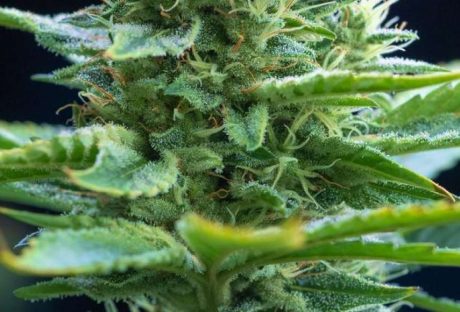
What Are Tarpenes? How Do They Work? – Cannabis Guide
If you smoke pot (marijuana) and proclaim yourself to be a Rastafarian stoner, you probably know what are tarpenes. In case you are not, it’s time for you to get high on some interesting facts about terpenes. To know more about this gum-like substance found in cannabis plants and many fruits as well, keep on reading. What Are Tarpenes? Terpenes are extremely fragrant substances that give many plants and herbs, including lavender and rosemary, as well as certain animals, their distinctive scents. Many commonplace goods, including meals, cosmetics, and personal care products, are flavored and scented with isolated terpenes. Terpenes are necessary to plants. Terpenes have different effects on different plants. In some, they encourage pollinators, while in others, they strongly repel predators like insects or gazing animals. Others function as a component of the plant's immune system to ward against contagious pathogens. Some terpenes perform a protective role in the plant, aiding the plant in recovering from harm. Also, erpenoids is a word that some people also use. Tarpenes and terpenoids, however, are not the same. When present in a living plant, these substances exist naturally as terpenes. Terpenes undergo oxidation and transform into terpenoids when a plant dries and cures—as in the case of cannabis manufacturing, for instance. Cannabinoids VS Tarpenes - What’s The Difference? Cannabis contains chemical substances called cannabinoids. Cannabinoids like tetrahydrocannabinol (THC) activate the body's endocannabinoid system. The "high" that cannabis users feel is brought on by this. Another cannabinoid that is gaining popularity for its therapeutic effects is cannabidiol (CBD). Although CBD interacts with some of the same receptors as THC, it does so in a different way and has no euphoric effects. Although THC and CBD are two of the most well-known cannabinoids, the cannabis plant contains over 100 other cannabinoids in total. Terpenes, which are among the most prevalent substances in the natural world, are also found in the cannabis plant. The majority of plant and certain animal molecules smell because of terpenes. However, some may also have comparable effects to cannabinoids in the body's endocannabinoid system. The primary distinction is how these substances are absorbed and used by the body. Effect Of Tarpenes Image Source: maggiesfarmmarijuana.com Since many terpenes are bioactive, they could have an impact on the body. Depending on the terpene concentration and the user, this impact will change. Terpenes are the primary component of many essential oils. In addition, they are crucial to many alternative therapies, including aromatherapy since they give off strong scents. A person's mood and stress levels may be affected by the aromas of particular plants and essential oils when inhaled. Some individuals think that terpenes will influence or improve the high that comes from cannabis use. Marijuana terpenes increase or modify the effects of THC and CBD in the body - known as the entourage effect. Types Of Tarpenes There are various types of terpenes. Here, I have given brief descriptions of some of the most popular ones. 1. Limonene Image Source: medicalterpenes.com Most individuals can identify the ubiquitous terpene limonene by its aroma. The zesty scent of the rinds of fruits like lemons and oranges is due to limonene, as its name indicates. Limonene appears to alter the behavior of some immune cells, which might shield the body from a variety of diseases. People can safely use limonene as a supplement. 2. Pinene Image Source: cannabisaficionado.com Another common terpene found in nature is pinene. A-pinene and b-pinene are the two varieties of pinene. Numerous plants, such as pine needles, rosemary, and basil, all contain pinene, which gives them their fresh, vibrant aroma. Additionally, pinene may have certain medicinal advantages. Shinrin-yoku, which translates to "forest bathing," is a Japanese treatment that entails taking slow strolls through the forest to take in the sights, sounds, and scents. There may be protective and healing benefits of Shinrin-yoku on the physiology and psychology of an individual. 3. Linalool Image Source: leafly-cms-production.imgix.net The lavender plant produces the most linalool, which gives the bloom its distinctive aroma. One of the most crucial elements in aromatherapy is linalool, which is what gives lavender or its essential oil a relaxing effect on many individuals. Although linalool does seem to have an effect on the body, further research is needed to determine how individuals might use it to improve their health. 4. Myrcene Image Source: chronictherapy.com Terpenes like myrcene are frequently found in plants including thyme, lemongrass, and hops. The cannabis plant's flowers also have Myrcene. A potent antioxidant, myrcene. According to one study conducted on mice, myrcene may aid in preventing brain oxidative damage after a stroke. Another mouse investigation has discovered a comparable protective effect of myrcene on heart tissue. Myrcene may be a helpful alternative therapy for ischemic stroke, according to the study. Myrcene appears to have an anti-inflammatory impact and may stop the destruction of certain cartilage cells in a cell model of osteoarthritis, it was reported. This could make it effective in treating osteoarthritis. 5. Beta-Caryophyllene Image Source: d1vo8zfysxy97v.cloudfront.net Many plants and vegetables, including cloves and black pepper, contain beta-caryophyllene. Beta-caryophyllene, like other terpenes, may have an anti-inflammatory impact on the body that may lessen discomfort in certain people. Beta-caryophyllene decreased discomfort from inflammation and nerve pain in animal research. Because the body didn't appear to be acquiring a tolerance to these effects, the researchers speculated that this analgesic and anti-inflammatory impact would be helpful for treating long-term chronic pain. 6. Humulene Image Source: 2fast4buds.com A vital component of the hop plant is humulene. We might also find it in other plants like ginger and clove. Terpenes, such as humulene, may have the ability to prevent allergic responses and asthma, according to one research. Humulene decreased allergic airway inflammation in animal models. This could make it a valuable substance for future all-natural asthma therapies. According to a different study, humulene might protect certain cells. This safeguarding function could prevent cancer. To support these assertions, further research on the effects of humulene is required as this is only early data. Frequently Asked Questions (FAQs): Many people (especially stoners) have various questions regarding the use of Tarpenes. Here are my answers to their queries. Q1. What Do Terpenes Do For You? Ans: The consumption of tarpenes has various medical and psychological effects on our bodies. Some of the most commonly observed properties are:Reduces growth of cancerous cellsIt has antihyperglycemic propertiesImproves the immunity system to fight against microbes like fungi and virusIt can act as an analgesicIt has several anti-inflammatory propertiesParasites are weak against terpenes Q2. Is Terpene A Steroid? Ans: A Tarpene is not exactly a steroid. However, many researchers have related them to steroids because of the similar chemicals present in both. These chemicals have proven to impact our metabolic system to an extent, similar to steroids. Q3. What Do Terpenes Taste Like? Ans: The taste of tarpenes differs from each strain to strain. While terpenes have the natural fragrance and taste of cannabis, the fruit it’s derived from also adds to the taste. Conclusion A tarpene is a substance or a compound that gives plants theory unique smells and flavors. Every plant has their own unique terpene. However, most people every day refer to terpenes being present in cannabis, giving it its “euphoric” properties, taste, and aroma. Read Also: Is Health Care A Good Career Path? How To Make Your Own Cannabis Topicals? 8 Awesome Health Benefits Of Dark Chocolate
READ MOREDetails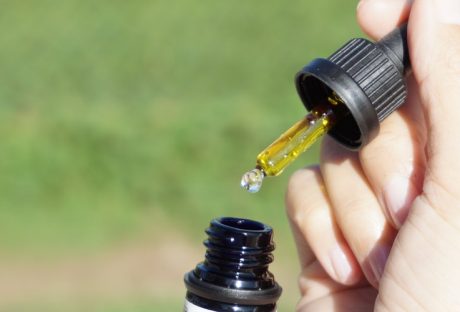
Where Can I Buy CBD Oral Drops?
Whether you need a solution for pain management, a sleeping issue, anxiety, or general health maintenance, there are a host of cannabidiol products that can serve as a treatment option. One of the most potent options is CBD oral drops, which can be infused into food and beverages or be used on their own. The best palace to source the tincture from are online pharmacy stores. These stores are made up of large pharmaceutical chains, smaller local pharmacies, and other lawful organizations that sell medication online. Although physical pharmacies and specialty stores stock cannabis-based products, the inconvenience of visiting these stores and following ques and filling forms is daunting. This is the main reason why most patients prefer online shopping. Online medication orders require no paperwork and usually take only 5-10 minutes to complete. Besides supplying medication to consumers at low prices, these platforms are accessible 24-7 which provide patients with the flexibility of ordering medication at any time. These platforms also give patients a complete look at the benefits of using products such as CBD oral drops and their effects on the physical and mental being. Mistakes to Avoid When Buying CBD Oral Tincture: In the old days, when people felt even an inkling of an illness, they would instinctively visit the local apothecary for a solution. These stores stocked naturally derived/based treatments that could manipulate both the body and mind into a state of wellness. Since then, a lot has changed as now we look to chemical or synthetic based treatments to heals what ails us. However, the prevalence of side effects has been soaring into the nerve-wracking territory, which deters patients from getting treatment. The discovery of the cannabidiol compound in cannabis plants came as a welcomed relief at the time as patients now had a naturally-based treatment solution that is both effective and safe. The cannabidiol compound was originally processed or transformed into a handful of products, one of them being cannabidiol tinctures. Tinctures are liquid substances that contain varying amounts of the cannabidiol compound along with other naturally derived products. The CBD drops gained traction in the industry quite quickly, which made way for counterfeit products. Thus, experts advise that the following guidelines be followed when buying cannabidiol tinctures: Do not buy the cheapest tincture available Do your homework, expand your knowledge on essential aspects of a product before purchase Make sure the tincture is non-GMO & organically sourced Do not assume all CBD drops are the same as some can be sourced from the hemp plant while others are sourced from the marijuana plant. This results in differing compound content Ensure that the tincture you choose to purchase has certification or verifiable proof of its compound's origin Our CBD Oil Drops and Tinctures Different? Most consumers assume that cannabidiol oil and tinctures are the same product because of their visual appearance however, this assumption is misguided. These products cannot be used interchangeably and should be used following each product's dosage and usage practice. Unlike cannabidiol oil, tinctures contain lower levels of the active CBD compound, making them ideal for beginners. Tinctures have a longer shelf life–between 14 and 24 months and have a higher bioavailability than CBD oil drops. This means that more significant amounts of the CBD compound are absorbed by the body rather than eliminated. The cannabinoid compound is essentially extracted from the cannabis plant and processed into a liquid form. Various substances such as glycerine, cinnamon, and peppermint oil are added to the liquid-based to create a tincture. The CBD oral tincture is suspended under a 60-70% ratio of distilled alcohol. The alcohol content in the tincture serves as a preservative and increases the rate at which the product is absorbed by the system as well. Other ingredients included in tinctures are: Essential vitamins like B12, D, C, etc Essential oils like basil, lavender, etc Water Herbs Melatonin Sweeteners Origins of the CBD Oral Tincture: Cannabidiol compounds can be administered in many ways, as shown by the several forms it is available. The cannabidiol compounds therapeutic benefits can be extracted by dabbing, eating, drinking, or applying it topically to the skin. Among the most popular administration practices are all methods that involve cannabidiol tinctures. Unlike other cannabidiol products primarily made from cannabis leaves and stems, tinctures are produced from cannabis flowers. It is made by steeping flowers or cannabidiol isolates in high-proof grain alcohol, then leaving the brew on low heat for an extended period of time. This procedure allows the active compounds in the cannabis flower to infuse with the neutral alcohol spirit, much of which is boiled off thereafter. The result is a potent liquid tincture that can deliver the effects of the cannabinoid molecules without using smoking or other forms of combustion as a delivery method. Tincture Dosing: When it comes to cannabidiol products, most consumers discard dosing guidelines due to the compound's natural origins. Although using the cannabidiol products acutely or chronically is relatively safe, adverse effects are still a possibility. These adverse effects are commonly induced by non-adherence to dosage or usage instructions. Cannabidiol-infused products such as tinctures should be used according to dosage guidelines as the agent is concentrated. Tinctures were designed to be taken in small doses thus, each bottle comes with a built-in dropper. This administration tool helps users take small, carefully measured doses. Since tincture doses are small, they can be administered in a variety of ways. The most popular being food or beverage incorporation. No matter which administration method you choose, the standard recommended starting dose is 1-2 drops a maximum of 3 times a day. Once ingested, the tincture is absorbed rapidly into the bloodstream, which means it produces effects pretty fast. According to experts, patients will experience effects just 15 minutes after consumption however some users may feel effects at a later stage, up to 45 minutes later. The delayed effects are often due to several factors such as body weight, age, underlying conditions, medication currently being used, and more. Read Also: CBD: The understanding of its benefits Are CBD Lotions Good For Your Skin? How CBD Oil Capsules Are Changing People’s Lives
READ MOREDetails