











How to Choose the Best Frame for Your Photo

Published on: 21 February 2020 Last Updated on: 04 September 2024
best frame

Everyone loves looking at photos. Whether it is an artwork, a particular location, or a memorable personal event, photographs will always take center place in any room. Choosing the best frame for your photo is imperative.

Technology makes it easier for anyone to capture these elusive memories. With smartphones, photos are shared immediately with friends through Facebook and Instagram feeds.

However, there will always be a select few photos that people want to display in their homes. And one way to highlight the beauty of these pictures is through the art of framing.

Framing today is as easy as uploading pictures, choosing the right and the best frames online, and having them delivered to your doorstep in a few days. The best frame can enhance the beauty of photos and even transform them into artwork.

With an abundance of frames to choose from, it should be easy to find one that complements your picture. However, if you’re not the artistic kind, here are some essential tips from framing experts.

How to Choose the Best Frame for Your Photo:

Choosing frame materials

Wood frames give pictures a warm and classic look. The colors can vary from light to dark, depending on the wood’s finishing.

Photos that contain warm tones (like red, brown, and orange) are an ideal match for dark frames like mahogany and walnut. However, pictures with cool hues (like blue, green, and lavender) pair well with light-colored wood, typically made of oak, ash, and pine.

You can find various frames online that are even black or white.

Black frames give off an elegant, formal look to pictures. Choosing a black frame will highlight the darker areas of the photo and will provide a nice contrast against the lighter ones. To achieve a balanced look, choose photos with some light and dark tones if you prefer a black frame.

White frames are best for casual and candid photos. The darkness in the picture will stand out while the lighter hues will blend into the background.

Metallic frames are the ideal choice for family pictures, landscapes, and wedding photos. They make the photo’s coloring more vibrant and exude an eye-catching, classy appearance.

Matching a frame to the room decor
Matching a frame to the room decor

Although home renovations are becoming more popular, the fastest way to enhance your home’s décor is by changing the display of photos.

The ideal frame should complement the room’s current décor, and frames can do just that if it has very intricate details.

Choosing a frame for an artwork

If you have beautiful artwork, the picture frame will depend on its kind.

Still-life

For clean and uncluttered still life photos, an ornate gold frame will dress up the look. Going for a double mat with gold edging is even better.

Another trick is to focus on the color that stands out and choose a metallic frame in a similar shade. Avoid the mat to have a better color impact. Choose narrow metal frames online for balance.

Nature

Seascape photos will go well with shimmery frames. Rustic wood is a natural fit for pictures of cottages.

For displaying rock mountains, a light neutral mat paired with a plain white frame is the ideal choice.

Deciding on the frame color

One essential tip is to select a color in the artwork or photo and get the best frame with the same color. Not only will that color be accentuated, but there will be a sense of continuity.

It can either be a dominant color or even a minuscule color in the picture. Highlighting even the smallest color will draw attention to the photo.

Another tip, if one prefers a neutral approach, is to choose white frames.

Including matting to frames

Matting is ideal for small pictures. The choice of mat color will complement the image and include space from the artwork to the frame, resulting in an overall clean look.

Conclusion

Framing is an art. It’s not just about hanging a picture on a wall. Knowing the techniques in choosing the right picture frame online(best frame) is the secret to enhancing the view.

Read Also:
Abdul Aziz Mondol is a professional blogger who is having a colossal interest in writing blogs and other jones of calligraphies. In terms of his professional commitments, he loves to share content related to business, finance, technology, and the gaming niche.

View all posts

Leave a Reply

Your email address will not be published. Required fields are marked *

Related

5 Industries That Can Benefit From Using Aerial And Drone Photography

5 Industries That Can Benefit From Using Aerial And Drone Photography

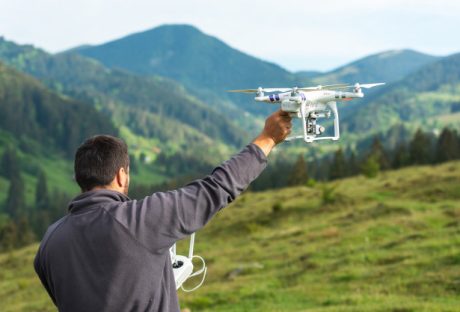
If you are a business owner, searching frantically for some new strategies to promote your business, improve sales and branding, then we have the perfect solution for you. In the past few years, using drones for both commercials as well as leisure purposes is on the rise. Using drones for aerial photography is quite the trend and businesses can benefit from this incredible new technology in multiple ways. No matter what the scale or size of your business, you can use drone photography to benefit it. In this article, we look at five industries or business niches, which can benefit significantly from using drone photography. However, before we proceed to the list of industries, let us briefly discuss everything you need to know about Drone Photography. Aerial and Drone Photography: What you should know Drones are technologically sophisticated machines, which can fly. They can also be fitted with a number of add-on devices, including cameras, satellites, data recorders, etc., and can be highly useful. Drone photography has taken off in recent years as one of the smartest ways to market and document your brand. It has been used in multiple sectors, ranging from agriculture to wedding photography. From a brand perspective, aerial photography using a drone can help in- Creating promotional marketing material to showcase the scale and size of the business. Give people a sense of how big or small the physical location is of the business. Create the appearance of a tech-first company not shy to use modern technology. Gather assets for website, social media, etc. (online and offline promotions). Communicate the progress of a real estate project or the scaling up of industrial spaces. List of 5 Industries that can benefit from using Drone Photography 1. Real Estate- Real Estate Developers and Promoters can look to use drone photography for showcasing their projects. This can be done for both projects which are ongoing, as well as for the ones, which have been completed. Showcasing the different complexes, amenities, gardens, artificial lakes, etc. can go a long way in making the project appear attractive in the eyes of potential buyers. 2. Manufacturing Businesses- Most manufacturing businesses, especially the ones which are B2B have a tough time marketing themselves. This is where drone photography can help them show the size and scale of their factories. It can act as a great confidence-boosting mechanism for other vendors who want to partner with credible manufacturing units. Drone photography helps boost business. 3. Holiday Parks and Resorts- The travel and tourism sector is all about visual appeal and attraction. Big holiday parks and resorts can use drone photography can show the major sights and sounds for potential consumers who are looking at options to plan their next holiday. This tech can help create a virtual experience for resort operators looking to woo new clientele. 4. Government Departments- Big governmental projects like the construction of dams, highways, etc. require the preparation of status reports periodically. Drones can be a great asset for government departments who want to show real-time progress and detailed status reports to ministers and other lawmakers. While private players are taking the lead, governments should seriously look at adopting drone photography. 5. Agricultural Production- Commercial farming is becoming one of the most lucrative businesses in the world. However, it also needs to market and advertise itself in front of governments, investors, and potential consumers. Using drones to capture the size and scale of such farms and their operations can help build a credible brand. It can allow boost confidence in the company and its products. The Final Word As a business owner or a high-ranking executive in any of the above stated five industries, you might want to look to the Melbourne skies for a local drone photographer near you. Not only will thins help take your business to the next level in terms of sales, but it will also sort your branding worries. Drone photography is still in its infancy and brands in the above-mentioned industries should look to benefit from the same before the competition increases. Can you think of some other industries, which can benefit from using aerial and drone photography? List them down in the comments section below. Read Also: 10 Must Haves for Travel Photography Handy Tools for Outdoor Photography Photography and Number of Techniques

READ MOREDetails
Differences between a Professional Headshot and a Standard Portrait

Key Differences Between a Professional Headshot and a Standard Portrait

Professional headshots and regular portraits may seem similar, as both are photography forms meant to capture an individual's likeness. However, the distinctions are crucial, particularly in a professional context. A professional headshot is tailored to convey a person's professional identity and is often required for corporate profiles, business websites, and LinkedIn pages. These headshots are designed to create a strong first impression, showcasing the subject in a polished and approachable manner. Conversely, a regular portrait captures a person in a more personal and artistic fashion, often reflecting their personality, lifestyle, or an artistic concept. Portraits are less rigid in styling, composition, and use of backgrounds, allowing for more creative freedom. Portraits might be full-body shots or tightly cropped images set in various environments and with varying lighting and mood, contrasting with a professional headshot's usually consistent illumination and composition. Key Takeaways Professional headshots are curated for professional branding. Portraits offer more freedom and are personal or artistic. Lighting and cropping are key differentiators between the two. Fundamentals of a Professional Headshot Before exploring the key components of a professional headshot, it's important to understand that they demand precise technical execution, thoughtful composition, and careful attention to the portrayal of the subject. Technical Aspects Professional headshots stand out due to their exceptional lighting and focus, which require a photographer to make meticulous adjustments. The right lighting is crucial; it should illuminate the subject's features without harsh shadows or overexposure. A high-resolution camera is also essential to capture the detail needed for a headshot, ensuring that the final image is crisp with a clean focus. Composition and Aesthetics The framing and cropping in a professional headshot are deliberate, typically adhering to industry standards—such as the top of the shoulders and head being visible, with the subject's eyes positioned at or just above the center line. Backgrounds are simple and unobtrusive, highlighting the subject's conversation with the camera. Subject Presentation In a professional headshot, the subject’s presentation is key. Professional attire is recommended, and personal grooming is crucial. The subject’s expression is approachable yet authoritative, portraying confidence. The outcome is a portrait showcasing professionalism and character, suitable for professional contexts such as professional networking. Impact of Headshots in Professional Settings A professional headshot can be a cornerstone of a person's online presence, significantly influencing first impressions and branding effectiveness. Online Professional Platforms LinkedIn has become the quintessential online platform for professionals. A polished headshot here enhances a LinkedIn profile, signaling credibility and competence. It is the first element that captures attention, laying the groundwork for potential connections. On resumes, a professional headshot can differentiate a candidate, especially in industries where appearance and personality are integral, like sales or public relations. A headshot is a critical tool for a casting director's selection process in entertainment. Actors and models must convey versatility and professionalism in a single image, often determining if they get considered for a role. Corporate Branding and Marketing In corporate contexts, professional headshots embody the ethos of the company. On corporate websites and business cards, they help build a personal connection with clients. Companies reinforce their brand and showcase their team's professionalism through consistent, high-quality headshots across various marketing materials. Entrepreneurs utilize headshots to establish a personal brand, an invaluable asset in attracting partnerships and customers. Reflecting confidence and professionalism, headshots are crucial for entrepreneurs presenting themselves on business platforms and online profiles. For businesses that want to ensure they portray high professionalism, partnering with a professional headshot studio is a strategic move. It presents a unified brand image that fosters trust and reliability. Feel And Mood Of Portrait And Headshot There is a massive difference between the mood and feel of portraits and headshots. When a headshot is taken professionally for business purposes, it will exude a jolly vibe. The aim of a headshot is to communicate a particular message to the viewers.  In other words, when a headshot of a particular person is captured, they communicate friendliness, trustworthiness, reliability, and many other good things. Usually, these types of headshots are used for LinkedIn profiles and business websites. The use of a headshot also depends on the field you are trying to achieve.  However, professional headshots do not have to be about bonhomie always. They can be shot in different ways to express toughness, concentration, and knowledge.  When it comes to a professional portrait, the outcome usually is very straightforward. The shot is taken craftily to complement a story or article. So, for a portrait shot, there is always a proper theme.  A professionally captured portrait expresses a lot of mood, and there is a lot of drama in those photographs. In a portrait, a subject does not look straight into the camera. The subject remains busy with some activities while the photographer captures them.  To cut a long story short, a portrait is about weaving a story and conveying that to others. A headshot, on the other hand, is about introducing yourself to others. A headshot is also suitable for communicating a message quickly.  The Lighting Setup Of A Portrait And A Headshot  Lighting plays a very crucial role in determining how a photograph will look. I have already discussed how the mood and feel of headshots and portraits differ.  When a photographer captures a headshot, they will use big light modifiers. In the case of outdoor photoshoots, the photographer will use concrete or building pavements to get the headshots right.  Further, when a headshot is captured, the subject has less shadow. There is an absence of shadow to keep the overall look of the headshot pleasant. Once again, no drama is expected or required in a professionally captured headshot.  On the other hand, professionally captured portraits have a more dramatic lighting setup. The photographer has to create drama through the lighting setup. Also, keeping in mind the aesthetic appeal of a portrait, using conventional modifiers is often avoided in professional portraits. Here are some other modifiers that are used in capturing professional portraits. Color gels Mirrors Glass To reiterate, lighting decides the mood and expression of a particular photograph. So, use the lights and modifiers according to the type of photograph you want to click and what you want to communicate.  The Use Of Lenses In Headshot And Portraits When a professional headshot is captured, a photographer will usually use an 85mm or above long focal lens. Thanks to the use of a long-focus lens, there is hardly any facial distortion in headshots.   Lenses with a shorter focal length are used in clicking professional portraits. A photographer will use 24mm to 50mm lenses to depict the surrounding.  Conclusion Professional headshots are distinct in both purpose and execution. They employ meticulous post-processing to ensure a polished yet natural look, incorporating adjustments like color correction and skin retouching. The subject's engagement with the camera is direct, generally from the shoulders up, differentiating them from the broader scope of a portrait. Headshots provide a professional representation, focusing on clarity and simplicity, while portraits offer a more expansive narrative. Read Also: 5 Corporate Video Production Styles Photography and Number of Techniques How to Best Photograph a Corporate Event

READ MOREDetails
Wedding Photography

Importance of Hiring Pros for Wedding Photography & Videography

Planning a wedding is no small feat. From choosing the perfect venue to finding the dress of your dreams, there are countless decisions to make. One of the most crucial aspects of your big day is capturing those precious moments you'll cherish for a lifetime: your wedding photos and videos.  While it might be tempting to save a few bucks by asking a friend or a family member to take care of this task, there are compelling reasons why you should trust only professionals and skilled experts such as Phenomena Photography & Cinematic for your wedding photography and videography. Experience Matters Your wedding day is an intricate tapestry of moments, emotions, and details that must be captured flawlessly. Professional wedding photographers and videographers are seasoned experts who have honed their craft through years of experience. They've encountered diverse venues, weather conditions, and lighting challenges, making them adept at adapting to any situation. Professionals understand the rhythm of a wedding day. They know when to anticipate those candid, heartwarming moments, such as the exchange of vows, the first dance, or the joyous reactions during toasts. Their expertise ensures they capture these fleeting moments, preserving them in timeless images and videos. Quality Equipment You've invested considerable time and effort into creating the perfect wedding day, and you deserve nothing less than top-notch quality in your visual memories. Professional wedding photographers and videographers use high-end cameras, lenses, and accessories designed to produce stunning imagery. These experts also have backup equipment, ready to step in for any technical issues. Your wedding is a live event with no do-overs, and professionals understand the importance of being prepared for unexpected circumstances. Their gear ensures that your photos and videos will be sharp, vibrant, and able to withstand the test of time. Creative Vision Your wedding is a unique story of love; professionals bring an artistic eye and creative vision to tell that story beautifully. They don't just capture images; they craft narratives that reflect your personality and the essence of your relationship. These skilled photographers and videographers have an innate ability to compose shots that convey the emotions and atmosphere of your day. From intimate moments shared between the couple to the venue's grandeur, they see the beauty in every detail and frame it artfully. Reliability And Consistency When you hire professionals, you're committing to reliability and consistency. They understand the gravity of their role and your trust in them. Professionals arrive punctually, fully prepared to capture your wedding day as promised. You won't have to worry about last-minute cancellations or subpar work. These experts have built their reputations on delivering consistent quality, ensuring that your wedding photography and videography meet the highest standards from start to finish. Editing And Post-Production The true magic of professional wedding photography and videography often happens after the wedding day itself. Professionals dedicate countless hours to editing and post-processing your images and videos meticulously. Their goal is to enhance your visual memories' beauty and emotional impact. Through skillful editing, they refine colors, contrast, and exposure to create images that are nothing short of breathtaking. Video professionals use their expertise to weave together a compelling narrative, selecting the best moments and adding cinematic touches to produce a video that feels like a work of art. The attention to detail in post-production sets professionals apart from amateur photographers and videographers, resulting in visuals that transcend ordinary documentation. Peace Of Mind Your wedding day should be a time of joy and celebration, not one filled with stress and worry about photography and videography. When you trust professionals, you can relax, knowing that every significant moment will be captured skillfully and precisely. You won't need to ask friends or family to take on the role of photographer or videographer, potentially detracting from their enjoyment of your special day. Instead, you can be fully present, savoring each moment without concern about missing any action. Legal And Ethical Considerations Professional wedding photographers and videographers understand the legal and ethical considerations involved in capturing and using images and videos of individuals. They comply with privacy laws and obtain any necessary permissions, ensuring that you and your guests are protected from potential legal issues in the future. This diligence guarantees that your wedding photography and videography are beautiful and conducted ethically and within the bounds of the law. Investment In Memories Wedding photos and videos are not just visual records but tangible investments in your most cherished memories. Professionals grasp the significance of this investment and approach it with the utmost dedication and care. When you choose professionals, you are making a long-term investment in memories that will be passed down through generations. Their commitment to excellence ensures that your visual treasures will remain as vibrant and meaningful decades from now as they are on your wedding day. Conclusion While it might be tempting to cut costs by entrusting your wedding photography and videography to an amateur, there are compelling reasons to trust only professionals and skilled experts for this important task. So, when capturing your love story, make a wise choice and invest in professionals who will make your memories unforgettable. Read Also: Wedding Photographer Capturing Moments That Last A Lifetime One List, Two Celebrations: How To Combine Your Wedding Registry And Housewarming Gifts Popular Styles For Punjabi Salwar Suits At Weddings

READ MOREDetails