Published on: 19 June 2021
Last Updated on: 03 January 2025
Everyone knows that oxygen is essential for life. It supports all living things on the planet, and humans are no different, however, while the lungs play a significant role in the acquisition of oxygen by our body. It's the true hero’s blood since it helps with oxygen circulation all across the body. Now, if you do not have a sufficient amount of blood circulation, PEMF therapy is here to sort out the problem.Blood is the main source of carrying essential nutrients and oxygen all across our body at a cellular level. The cells require these vital components for ensuring the smooth functioning of all our body processes. However, insufficient oxygen supply across the body can lead to severe health complications. But PEMF therapy is the latest technique for boosting oxygen supply all across the body.
The Signs Of Oxygen Depletion In Your Body
The shortage of oxygen in the body is also known as hypoxemia. This condition is identified by coughing, shortness of breath, dizziness, fatigue, and it also makes your nails and skin turn blue. You could also end up experiencing headaches, loss of focus, and confusion. Oxygen depletion usually occurs due to the poor circulation of blood, leading to inadequate supply and uptake of oxygen by the body cells. Many reasons can be the cause of poor oxygen circulation of the body.Take a look and understand how PEMF therapy is working.
How Does PEMF Therapy Increase The Oxygen Levels In Your Cells?
Since it’s been established that poor oxygen supply usually results from the poor circulation of blood, you’ll be pleased to know that PEMF treatment can help to improve your overall blood circulation that in return helps with increases the oxygen levels in your cells.Poor circulation is often caused by narrowing blood vessels that don't leave enough room for the blood to flow freely. Therefore, if you want to improve blood flow through the vessels, it's essential to make them wider to make ample room for the blood to pass through them.Normal or healthy blood vessels are naturally dilated enough due to optimal production of nitric oxide. Nitric oxide is a compound that helps with the relaxation of the endothelium, also known as the innermost part of the blood vessels. Therefore, when the endothelium is relaxed with the help of nitric oxide, the vessels become more comprehensive.
How Does PEMF Work In Your Body?
PEMF is making extra room for optimal blood flow. Hence, the PEMF mat generates electromagnetic waves penetrating deep into the blood vessels and increasing nitric oxide production. Hence it is improving the flow of oxygen to the body cells. It's also been discovered that the viscosity of the blood can also hinder optimal blood flow and inflammation is a lead cause of blood thickness.Therefore, the PEMF therapy can help reduce inflammation which curbs the production of the blood-clotting protein, also known as C-reactive protein. This helps to make the blood thin enough to pass through the vessels easily for an ideal supply of oxygen to all the cells in the body.The PEMF mat radiates electromagnetic waves that penetrate into the body and heal it at a cellular level. Therefore, accomplishing intricate yet complex health issues is an easy task for the PEMF device. For instance, increasing oxygen supply to the cells is a piece of cake for this treatment as it improves the overall blood circulation. Since the blood is the carrier of oxygen to our cells, it also increases the supply of oxygen all the body.
Conclusion:
PEMF therapy has taken the medical world by storm, and for a good reason. This latest technology is a non-invasive procedure that can reach into the deep nooks and crannies of the human body to heal and deal with various internal health complications. The present air pollution and other health issues are causing less oxygen circulation in the body. And when you want to improve your oxygen supply, this is the best therapy you can apply because oxygen is the main key ingredient that keeps us fit and healthy.Read Also:
Content Rally wrapped around an online publication where you can publish your own intellectuals. It is a publishing platform designed to make great stories by content creators. This is your era, your place to be online. So come forward share your views, thoughts and ideas via Content Rally.
Bhringaraj is an ayurvedic plant that has been in use for ages due to its immense health benefits. Bhringraj is also known as Eclipta alba or Eclipta prostrata and comes in four different species.
The plant can be found bearing beautiful and colorful flowers. The plants bearing yellow and white flowers are used extensively to make ayurvedic medicines and supplements. The products formed using this herbal plant contain various bioactive compounds like ursolic acid, luteolin, etc. which are extremely beneficial for our health and beauty.
Most of us know bhringraj as a herb that is only good for your hair, but apart from being a beauty enhancer, this plant can also help the body in numerous ways. You can use bhringraj supplements to make your skin beautiful, avoid respiratory problems and more.
There are a lot of fitness myths and many believe that supplements aren’t good for your health when used for a long time. However, if you choose the right product that is clinically proven and have them in the right dosage, then these supplements can do wonders for your body.
Here are some of the benefits of using bhringraj that you should never miss out on:
1. It is excellent for your hair:
It is a known fact that bhringraj is amazing for your hair as this hair-vitalizing herb can deal with hair loss and prevent greying of hair. It is also known to speed up the process of hair growth.
2. It is amazing for your skin:
The usage of bhringraj powder can help to fight fungal infections that can otherwise affect your skin very badly. Bhrigraj leaves and powders can help to deal with skin problems like eczema and skin boils.
3. It is great for your liver:
Dimethyl-wedelolactone and wedelolactone compounds present in bhringraj supplements can perform like antitoxin agents that can help in the process of liver cell regeneration. Regular usage of this herb can protect your liver from harmful chemicals that are responsible for damaging it.
4. It can deal with dysentery:
Dysentery can cause stomach cramps, diarrhea, vomiting, nausea, and high fever. Usage of bhringraj supplements can help to fight the bacteria which is responsible for causing dysentery. One can also have the juice of bhringraj leaves with honey to ease dysentery symptoms.
5. It can help to relieve pain:
Yes, you read that right! Having fresh extracts of bhringraj leaves or supplements can be used to relieve pain, reduce swelling and inflammation.
6. It can help to deal with gastric ulcers:
Stomach ulcers can lead to nausea, burning sensation in the heart, and pain. Bhringraj supplements can help to deal with stomach ulcers which are usually caused because of regular consumption of aspirins and anti-inflammatory drugs. The extract of bhringraj can help to reduce gastric ulcers induced that are caused due to aspirins and alcohol.
Conclusion:
Bhringraj is a blessing that mother nature gave us to nurture ourselves.
However, while using supplements make sure you do not overdose with any herb. Talk to an ayurvedic practitioner before using the edible form of any herbal supplement. You must know the right dosage amount that your body needs and have supplements according to your body’s requirements to avoid any problem.
Read Also:
CBD for Pain Relief: Dosage Guidelines and Safety
Hair Loss Causes, Symptoms, and Treatment
Treating Open Wounds – Types, Treatments, and Complications
Finding time for regular exercise can be a real challenge in our fast-paced world. Between work, family, and other commitments, it's easy for fitness to take a back seat. But what if I told you that buying a treadmill could profoundly impact your life beyond just helping you break a sweat?
This blog explores how it can positively impact your overall well-being, spanning health and fitness, time and convenience, family and social life, and even financial savings when you buy a treadmill.
Health And Fitness
Let's start with the most apparent aspect: a treadmill is a fantastic tool for improving physical health. The benefits are manifold, and they extend beyond mere calorie burning:
Caloric Expenditure
Treadmills offer a versatile platform for calorie expenditure. Whether you prefer a brisk walk, a steady jog, or a full-on sprint, you can adjust your workout to match your fitness level and goals. This versatility enables you to tailor your exercise regimen to your specific needs, whether you want to lose weight, maintain fitness, or build endurance.
Cardiovascular Health
The heart is a muscle; like any other muscle, it benefits from exercise. Regular treadmill workouts increase your heart rate and improve circulation, helping to prevent cardiovascular diseases. Reduced blood pressure and healthier cholesterol levels are additional perks of consistent treadmill use.
Endurance Enhancement
Your body adapts to the challenges you present, and a treadmill is an excellent tool for gradually increasing your stamina and endurance. Over time, you'll find yourself capable of going longer and faster, whether training for a marathon or just aiming to keep up with your kids during a game of tag.
Stress Management
Exercise is a proven stress reliever. The release of endorphins during and after a workout can leave you feeling more relaxed, positive, and equipped to handle the challenges of daily life. With a treadmill, you can quickly de-stress and regain mental equilibrium whenever needed.
Time And Convenience
One of the most significant benefits of owning a treadmill is its unparalleled convenience. No more commuting to the gym or worrying about unfavorable weather conditions. Here's how this newfound convenience can impact your life:
Time Efficiency
With a treadmill in your home, you can exercise whenever it suits your schedule. Say goodbye to the time wasted in traffic or waiting for your favorite machine at the gym. A quick 20-minute treadmill session before work or during your lunch break can be a game-changer for busy individuals.
Weather-Proof Workout
Rain, snow, or scorching heat will keep you from achieving your fitness goals. A treadmill provides a consistent, climate-controlled environment for your workouts. This eliminates excuses for inclement weather and ensures your fitness journey remains uninterrupted.
Privacy And Comfort
Some people may feel self-conscious or uncomfortable working out in front of others. With a treadmill at home, you can exercise in complete privacy, wearing whatever makes you feel most comfortable—no judgment, no distractions—just you and your fitness goals.
Family And Social Life
The impact of owning a treadmill extends beyond your health and well-being; it can positively influence your family and social life as well:
Family Fitness
Encourage your family members to join in on the fitness journey. A treadmill can be a fun and inclusive way to spend time together while staying active. Imagine family challenges to see who can run the most miles in a month or weekend "fun runs" in the comfort of your home. These shared experiences can strengthen family bonds and create lasting memories.
Social Connection
Many modern treadmills come equipped with built-in screens and connectivity features. You can take virtual running classes, compete with friends and family online, or watch your favorite TV shows or movies while working out. This makes exercise more engaging and social, allowing you to stay connected with loved ones or indulge in some much-needed entertainment while staying active.
Financial Savings
Beyond the numerous health and lifestyle benefits, owning a treadmill can lead to significant financial savings in the long run:
Gym Membership Costs
Over time, the cost of a gym membership can add up substantially. Investing in a treadmill will eliminate these recurring expenses, saving hundreds or even thousands of dollars each year. Your treadmill will pay for itself in the long run.
Healthcare Costs
Regular exercise is a proven way to reduce the risk of chronic diseases such as diabetes, obesity, and heart disease. Investing in your health through regular treadmill workouts may lower your long-term healthcare expenses, avoiding costly treatments and medications associated with preventable health issues.
Conclusion
Buying a treadmill can have a profound and far-reaching impact on your life. Invest, and watch how it transforms your life. Your health, well-being, and overall quality of life will thank you for it. So, take that first step and embark on a journey toward a healthier, more fulfilling life with a treadmill by your side.
Read Also:
6 Effective Ways to Improve Your Mental Health
Psychedelic Therapy for Mental Health Conditions
The Future Of Healthcare: Adapting To An Aging Society
If you've ever found yourself scrambling to put together a meal or settling for that oh-so-tempting takeout after a long day, trust us, you're not alone. But what if we told you that with a dash of planning, a sprinkle of effort, and our trusted tips, you could sail smoothly into a week of nutritious eating? Buckle up, folks; it's time to dive into the wondrous world of meal prep!
7 Meal Prep Tips You Should Know
Healthy eating is the key to healthy living. And in order to eat mindfully, we need to follow this life-saving meal preparations tips. Not only are they super easy, but they also have ingredients readily available in your kitchen. Let's have a deeper look:
#1 Let's Get Organized: The Meal Plan Blueprint 📝
Every culinary adventure begins with a well-constructed plan. Start by sketching out a weekly meal plan. Consider:
How many meals do you need each day? If you're aiming for three full meals and two snacks, jot that down.
Dietary restrictions or goals: Whether you're vegan, low-carb, or trying to incorporate more fiber, these guidelines will shape your choices.
Ingredients already in the pantry: No need to buy another bag of quinoa if you've already got one.
Having a visual representation streamlines your grocery shopping, reduces waste, and discourages impulsive, unhealthy choices.
Tip: Use apps or printable templates to make this process even smoother!
#2 Quality Containers: Your Meal's Protective Shield 🛡️
The right containers can be the difference between a soggy salad and a crisp one. Good quality, airtight containers
Keep food fresher for longer
Prevent messy spills
Aid in portion control.
We're huge fans of glass containers. They're eco-friendly, microwave-safe, and honestly, your meal just looks more inviting in them!
Mistake to avoid: Using damaged containers. Even a small crack can let air in, compromising your food's freshness.
#3 Embrace the Batch Cooking Bonanza 🥘
Designate specific days as your cooking days — maybe Sundays and Wednesdays. Prepare large batches of versatile basics such as:
Grains: Quinoa, brown rice, or bulgur
Proteins: Grilled chicken, tofu, beans, or lentils
Veggies: A mix of steamed broccoli, roasted bell peppers, and blanched spinach.
These foundational elements can be repurposed into different meals throughout the week. For instance, that quinoa can become a stir-fry, a salad base, or even a breakfast porridge!
#4 Sauces & Dressings: The Flavor Magicians 🍶
A meal can be transformed with the right sauce or dressing. Imagine
A zesty lemon dressing for your salads
A spicy tomato sauce for those pasta nights
A rich pesto for that extra zing.
Having a variety ensures your meals remain exciting.
And here's a twist: ever tried a CBD-infused dressing? CBD edibles have gained popularity, and adding a few drops of CBD oil to your dressings can combine the potential calming effects with the vibrancy of your meal. So see more about their use and experiment!
#5 Go Raw Before the Big Thaw 🥦
Some produce shines best when cooked just before eating. Foods like snap peas, cherry tomatoes, or certain fruits are best stored raw. When mealtime comes, a quick sauté or a simple addition to your meal ensures they maintain their natural essence.
Tip: For berries, wash them only just before consumption. This prevents mold growth and keeps them fresher.
#6 Breakfast Boost: Overnight Success 🌙
The morning rush is real, but that doesn't mean you should skimp on the most important meal of the day. Overnight oats are a savior:
Combine rolled oats, milk (or a milk alternative), and a touch of sweetener
Add in flavors like vanilla or cinnamon
Leave in the fridge overnight.
Come morning, top with fruits, nuts, or even a sprinkle of cocoa nibs for a hearty, nutritious breakfast.
#7 Stay Hydrated with DIY Infused Waters 💧
While meals take center stage, hydration plays a crucial supporting role. Enhance your water with delightful infusions:
Cucumber-mint for a refreshing burst
Lemon-ginger for a touch of zing
Strawberry-basil for a fruity, herbaceous blend.
Apart from making your hydration game strong, these infused waters can offer gentle nutritional boosts. And remember, water isn't just about quenching thirst; it plays a vital role in digestion and nutrient absorption.
Bonus Bites: Trio of Nutritious Quick-Fixes for Hectic Weeks 🍽️
Life gets busy, and sometimes we need straightforward, nourishing recipes that won't eat up our time. These three dishes are designed with simplicity in mind, ensuring you fuel up without fuss. From breakfast to dinner, we've got your back!
Morning Kick-Starter: Chia Berry Parfait
Ingredients:
Chia seeds: 3 tbsp
Almond milk: 1 cup
Mixed berries (blueberries, raspberries): ½ cup
Honey or maple syrup: 1 tbsp
Granola: a handful
Instructions:
Mix chia seeds with almond milk and sweetener of choice. Let it sit in the fridge for at least an hour or overnight. In a glass, layer the chia pudding, berries, and granola. Repeat the layers, top with a few more berries, and enjoy!
Lunch on-the-go: Chickpea Spinach Salad
Ingredients:
Cooked chickpeas: 1 cup
Spinach leaves: 2 cups
Cherry tomatoes: ½ cup, halved
Feta cheese: 50 grams, crumbled
Lemon vinaigrette: to taste
Instructions:
In a large bowl, toss together chickpeas, spinach, and cherry tomatoes. Drizzle with lemon vinaigrette and give it a good mix. Top with crumbled feta, and it's ready to pack or eat!
Dinner Delight: Teriyaki Zucchini Noodles
Ingredients:
Zucchini: 2, spiralized into noodles
Teriyaki sauce: 3 tbsp
Tofu or grilled chicken: 100 grams, diced
Red bell pepper: 1, thinly sliced
Sesame seeds: for garnish
Instructions:
In a pan over medium heat, sauté tofu or chicken until slightly browned. Add bell peppers and stir for 2 minutes. Toss in zucchini noodles and teriyaki sauce. Cook for 3-4 minutes, ensuring the zucchini remains slightly crunchy. Serve hot, garnished with sesame seeds.
***
There you have it — three recipes that promise maximum flavor with minimal effort. Here's to nutritious, delicious, and efficient eating!
In Closing...
Remember, meal prepping is not about stringent rules; it's about making life simpler and eating healthier. The initial effort you put in pays off generously throughout the week. So, don your apron, channel that inner chef, and embark on a week of fuss-free, nutritious eating. And as always, we're here, cheering you on every bite of the way! 🍴🌱🎉














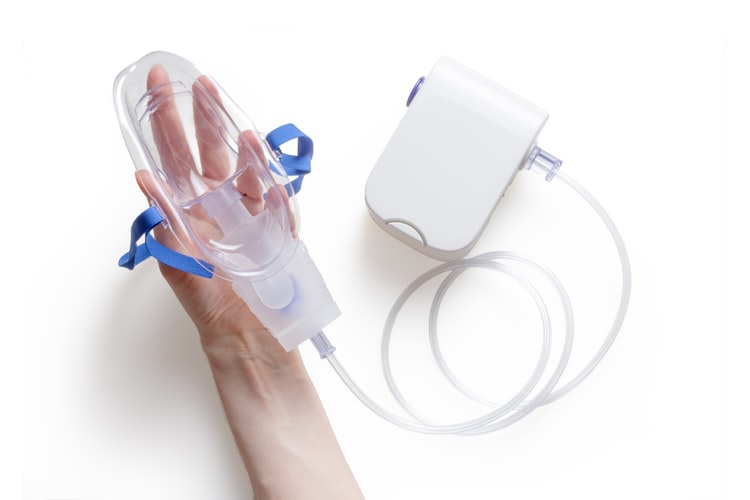 The shortage of oxygen in the body is also known as hypoxemia. This condition is identified by coughing, shortness of breath, dizziness, fatigue, and it also makes your nails and skin turn blue. You could also end up experiencing headaches, loss of focus, and confusion.
Oxygen depletion usually occurs due to the poor circulation of blood, leading to inadequate supply and uptake of oxygen by the body cells. Many reasons can be the cause of poor oxygen circulation of the body.
Take a look and understand how PEMF therapy is working.
The shortage of oxygen in the body is also known as hypoxemia. This condition is identified by coughing, shortness of breath, dizziness, fatigue, and it also makes your nails and skin turn blue. You could also end up experiencing headaches, loss of focus, and confusion.
Oxygen depletion usually occurs due to the poor circulation of blood, leading to inadequate supply and uptake of oxygen by the body cells. Many reasons can be the cause of poor oxygen circulation of the body.
Take a look and understand how PEMF therapy is working.
 Since it’s been established that poor oxygen supply usually results from the poor circulation of blood, you’ll be pleased to know that PEMF treatment can help to improve your overall blood circulation that in return helps with increases the oxygen levels in your cells.
Poor circulation is often caused by narrowing blood vessels that don't leave enough room for the blood to flow freely. Therefore, if you want to improve blood flow through the vessels, it's essential to make them wider to make ample room for the blood to pass through them.
Normal or healthy blood vessels are naturally dilated enough due to optimal production of nitric oxide. Nitric oxide is a compound that helps with the relaxation of the endothelium, also known as the innermost part of the blood vessels. Therefore, when the endothelium is relaxed with the help of nitric oxide, the vessels become more comprehensive.
Since it’s been established that poor oxygen supply usually results from the poor circulation of blood, you’ll be pleased to know that PEMF treatment can help to improve your overall blood circulation that in return helps with increases the oxygen levels in your cells.
Poor circulation is often caused by narrowing blood vessels that don't leave enough room for the blood to flow freely. Therefore, if you want to improve blood flow through the vessels, it's essential to make them wider to make ample room for the blood to pass through them.
Normal or healthy blood vessels are naturally dilated enough due to optimal production of nitric oxide. Nitric oxide is a compound that helps with the relaxation of the endothelium, also known as the innermost part of the blood vessels. Therefore, when the endothelium is relaxed with the help of nitric oxide, the vessels become more comprehensive.
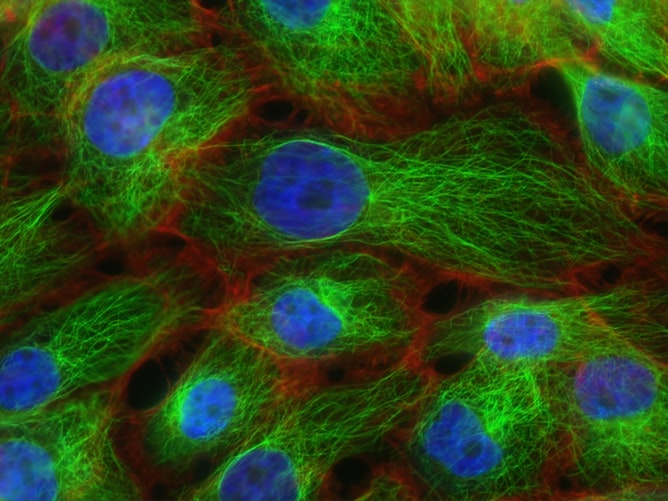 PEMF is making extra room for optimal blood flow. Hence, the PEMF mat generates electromagnetic waves penetrating deep into the blood vessels and increasing nitric oxide production. Hence it is improving the flow of oxygen to the body cells. It's also been discovered that the viscosity of the blood can also hinder optimal blood flow and inflammation is a lead cause of blood thickness.
Therefore, the PEMF therapy can help reduce inflammation which curbs the production of the blood-clotting protein, also known as C-reactive protein. This helps to make the blood thin enough to pass through the vessels easily for an ideal supply of oxygen to all the cells in the body.
The PEMF mat radiates electromagnetic waves that penetrate into the body and heal it at a cellular level. Therefore, accomplishing intricate yet complex health issues is an easy task for the PEMF device. For instance, increasing oxygen supply to the cells is a piece of cake for this treatment as it improves the overall blood circulation. Since the blood is the carrier of oxygen to our cells, it also increases the supply of oxygen all the body.
PEMF is making extra room for optimal blood flow. Hence, the PEMF mat generates electromagnetic waves penetrating deep into the blood vessels and increasing nitric oxide production. Hence it is improving the flow of oxygen to the body cells. It's also been discovered that the viscosity of the blood can also hinder optimal blood flow and inflammation is a lead cause of blood thickness.
Therefore, the PEMF therapy can help reduce inflammation which curbs the production of the blood-clotting protein, also known as C-reactive protein. This helps to make the blood thin enough to pass through the vessels easily for an ideal supply of oxygen to all the cells in the body.
The PEMF mat radiates electromagnetic waves that penetrate into the body and heal it at a cellular level. Therefore, accomplishing intricate yet complex health issues is an easy task for the PEMF device. For instance, increasing oxygen supply to the cells is a piece of cake for this treatment as it improves the overall blood circulation. Since the blood is the carrier of oxygen to our cells, it also increases the supply of oxygen all the body.