












Men’s Health Issues: What are the Biggest Concerns in 2021?

Published on: 18 June 2021 Last Updated on: 03 January 2025
Health Issues

If you are a man that loves taking care of their cars, gadgets, and hobbies more than you take care of yourself, you are not alone. According to leading medical professionals, the average man suffers from-

  • Lack of awareness, information, and education on health issues
  • Has unhealthy daily work habits that are long and arduous
  • Questionable personal lifestyle tastes and preferences

Doctors are also of the opinion that a man is more likely to smoke tobacco and drink alcohol. Additionally, they are far more prone to making dubious decisions and avoid the doctor as much as possible.

This is why most men tend to stare at a serious health complication the first time. They keep ignoring the signs and symptoms for a very long time before they seek medical consultation.

In this article, we are going to look at the top health concerns for men in 2021. Additionally, we will also shed light on some reasons why men avoid taking care of their health and seeing a medical professional. If you wish to know more, there are numerous great resources available, such as this article.

List of 5 Major Health Concerns and Issues for Men in 2021

1. Respiratory Illnesses including Lung Cancer-
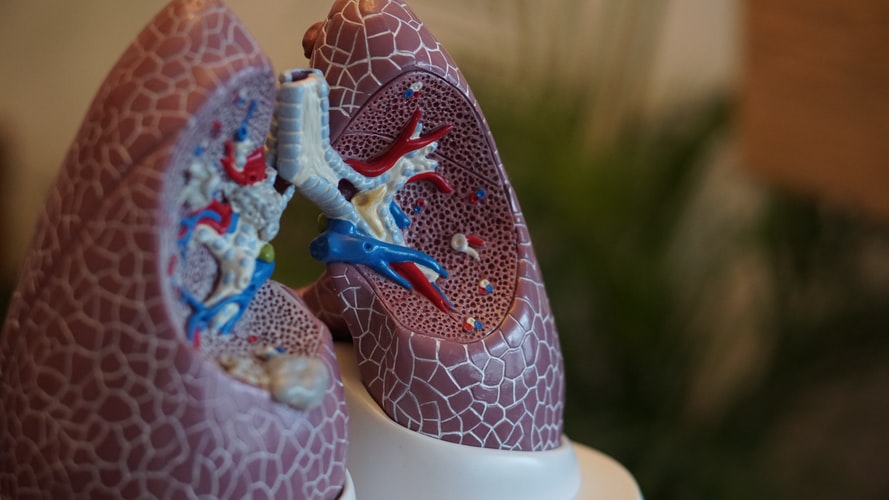
1. Respiratory Illnesses including Lung Cancer-

An innocent cough that starts getting more common, frequent, and repetitive can be your body telling you to stop smoking and see a doctor. What starts as an innocent respiratory concern can quickly spiral into COPD, Lung Cancers, and Bronchitis.

According to medical experts, everyone should try to give up smoking. People who have been smoking for more than a decade should get CT scans done once every six months. Smoking is bad for your health and affects your lungs in the worst manner possible.

2. Heart Diseases, Blockages, and Strokes-
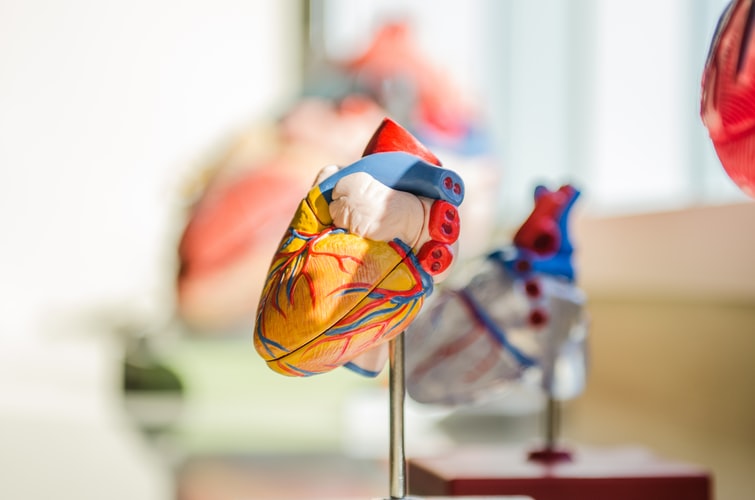
2. Heart Diseases, Blockages, and Strokes-

One of the major causes of heart illnesses in men is poor lifestyle choices. As men, we think that we are tough to live on fast food, drink every other night, and smoke a pack of cigarettes every day. All this can slowly start eating away at your heart health.

If data is to believe, one in three adult American males suffers from some form of heart disease. Many mistake pains emanating from the chest as being because of gas build-up or stretched muscles and ligaments in the shoulder.

If you are someone that has been asked by their cardiologist to take heart medications, you know that this is not the easiest thing to do. You need to keep taking the medicines throughout your life. Taking so many pills might be difficult especially as far as swallowing is concerned. You can take help from a medication swallowing gel that can help you take the prescribed medications as has been suggested by your doctor.

3. Mental Health Issues- Anxiety, Stresses, and Depression-

3. Mental Health Issues- Anxiety, Stresses, and Depression-

According to studies, six million American males over the age of 18 suffer from mental health problems. Within this six million, a sizable section also develops suicidal thoughts. Being taboo, men are less likely than women to come up and take help for their mental health.

They keep suppressing anxiety, stresses, and worries up until the point that it becomes so pent up that suicide starts looking like the only option. Most experts and help advocacy groups are running strong campaigns to help men with mental issues discuss and talk about it.

4. Development of Type 2 Diabetes-

Most doctors agree that diabetes is a lifestyle illness. They say that it is the cumulative result of several factors. This includes- smoking, drinking, less sleep, overthinking, an unhealthy reliance on junk food, and so on. All these together can lead to rising blood sugar levels.

Doctors say that rising sugar levels can cause damage to other organs of the body. For example, they can affect kidney functions, heart complications, lower sexual libido, etc. This is why maintaining blood sugar levels with regular monitoring, medicines, and insulin is recommended.

5. Sexual Diseases and Illnesses-

If data is to be believed, men account for 76% of all HIV-AIDS cases in America. A gay man who has sex with other men is less likely to use contraceptives as compared to gay women. Additionally, men also have a higher rate of contracting STDs than women.

In the last few years, reports also suggest that sexual illnesses like erectile dysfunction and low sperm count are affecting a lot of men. This is partly because of poor mental health and partly because of the fallout of a disease like Diabetes.

There is a growing demand for male enhancement supplements in the industry. A lot of men have been able to overcome emotional and psychological issues after they have been able to increase the size of their penises. This non-surgical procedure such as the use of Proextender has also prevented dangers that are routinely associated with such surgeries.

Why do most Men Avoid Taking Care of their Health and Seeing a Doctor?

In this section, we will try to list down some of the major reasons why men avoid seeing a doctor-

  • One of the major reasons men avoid going to the doctor is ‘fear’. They fear that if they check in with a doctor, they might hear some bad news or outcome. Women are better at hearing bad news and then taking constructive steps towards addressing it.
  • A lot of doctors have also pointed to something known as the ‘superhero syndrome’. Men want to always think of themselves as being the strongest. Illnesses and diseases are often termed as weaknesses and no one wants to appear weak.
  • Lastly, men do not like being vulnerable. When it comes to illnesses, they do not want to feel they need someone to take care of themselves, give them medicines and feed them throughout the day. Vulnerability is something that no man wants to feel.
  • Then there are taboo topics like poor sexual health or mental health complications. Men do not want to exhibit weakness that is truly termed as being patriarchal. This prohibits them from talking about these issues and ultimately leads to poor effects.

The Final Word

A lot of doctors have gone on record to say that even when men come in for a diagnosis, they are likely to hide or withhold crucial pieces of information. They always want to give the impression that everything is alright and that they do not need any extra medical attention.

All these faulty sentiments and feelings are responsible for illnesses breeding themselves in their body to dangerous levels. This leads to major crashes and life-threatening situations. In this article, we have tried to list down some of the major health issues men suffer from in 2021.

If you would want us to elaborate on any of the points in the article, let us know in the comments section below.

Read Also:

Content Rally wrapped around an online publication where you can publish your own intellectuals. It is a publishing platform designed to make great stories by content creators. This is your era, your place to be online. So come forward share your views, thoughts and ideas via Content Rally.

View all posts

Leave a Reply

Your email address will not be published. Required fields are marked *

Related

Gastrointestinal Conditions

How to Treat the Symptoms of 5 Common Gastrointestinal Conditions

Everyone experiences heartburn from time to time or has the occasional upset stomach. But for those who experience these symptoms more frequently, it could be a sign of long-term Gastrointestinal Conditions. According to the National Institute of Diabetes and Digestive and Kidney Diseases, 60 to 70 million people in the U.S. are affected by gastrointestinal issues. But what exactly is a" gastrointestinal issue," and what parts of your body can experience the impact? Gastrointestinal Health 101 The gastrointestinal system gives your body what it needs to function. The system breaks down food, extracts nutrients from it, and converts these nutrients into energy. It also protects your body against harmful substances by blocking them from your bloodstream. The gastrointestinal tract primarily consists of the following: Esophagus: A hollow tube running through the neck and chest that connects the mouth to the stomach. Muscles in the esophagus push food into the stomach. Stomach: A large organ that holds foods and breaks them down using enzymes and acids. Liver: The organ that filters toxins from the blood and produce bile, which further helps break down food into proteins, carbohydrates, and fats. Gallbladder: A sac-like organ that stores the bile the liver produces then releases it as necessary. Pancreas: An organ that produces enzymes like insulin, which aids in the breakdown of sugars. Small intestine: As the stomach passes along food, this organ starts breaking it down while absorbing the majority of its nutrients. Large intestine: This organ contains billions of bacteria that turn food into waste (feces). At this same time, the large intestines remove water and electrolytes from what is left of the food for your body's use. Rectum: A small space at the end of the large intestine provides temporary storage for waste. When you eat something, each of these organs plays a role. To kick off the process, saliva begins to break down food. With the help of other enzymes, food continues breaking down as your system propels it by muscular contractions through the digestive tract. This process is called peristalsis. Gastrointestinal organs and their fluids exist in a delicate balance. Diet, stress, and illness can upset this balance and cause pain or discomfort. Common Gastrointestinal Conditions and Disorders There are a variety of common gastrointestinal (GI) disorders like constipation, diarrhea, and acid reflux. Though some Gastrointestinal Conditions are genetic and outside of your control, you can still prevent many complications or subdue symptoms by eating a balanced diet, practicing healthy bowel habits, and following the CDC guidelines for cancer screening. Some common disorders—like celiac disease, gastroesophageal reflux disease, irritable bowel syndrome, lactose intolerance, and leaky gut syndrome—are generally manageable with proper care and direction from medical professionals. If you experience severe pain or think you may have a more serious condition, see your doctor as soon as possible. 1. Celiac Disease Celiac disease is an immune response to gluten, a protein found in wheat, rye, and barley. People with this problem cannot eat food made from these substances because it triggers a response in their small intestine, which over time becomes inflamed and unable to absorb nutrients. If you have celiac disease, you'll feel sick after eating something with gluten. Symptoms include bloating and gas, abdominal pain, fatigue, and nausea. Though there's presently no cure, most people who follow a strict gluten-free diet can reduce flare-ups and promote intestinal healing. 3. GERD Gastroesophageal reflux disease (or GERD) is a condition where your stomach acid flows back into your esophagus, irritating the esophagus's lining. It is essentially the same as acid reflux, except the symptoms are more intense and frequent. Common symptoms include a burning sensation in your chest after eating, having difficulty swallowing, and feeling like there's a lump in your throat. You may also regurgitate food or sour liquid. People with GERD often feel worse at night, which can cause other problems like a chronic cough, laryngitis, asthma, and disrupted sleep. There are over-the-counter remedies such as antacids and H2 blockers, but more intense symptoms may require prescription medication. Lifestyle factors such as smoking, eating large meals, or eating late at night can aggravate GERD. 3. Irritable Bowel Syndrome Irritable bowel syndrome (IBS) is a common GI disorder that affects the large intestine. If you have this chronic condition, you will feel abdominal pain, bloating, gas, diarrhea, and constipation. While the exact cause of IBS is unknown, certain factors play a role. Someone with IBS may have abnormalities in their digestive system or may have had a bacterial or viral infection that left an overgrowth of bacteria in the intestines. Changes in gut microbes can also lead to IBS. Though there is no cure for IBS, taking medications, and making lifestyle changes can alleviate the symptoms. For example, you can exercise regularly, eat smaller meals, and focus on minimizing stress. In terms of regulating your diet, you can try consuming more probiotics and limiting caffeine, dairy products, and spicy foods. Medicalprices.co.uk has a complete guide about IBS. 4. Lactose Intolerance Lactose intolerant individuals cannot break down lactose, the natural sugar in milk. If you're lactose intolerant, your small intestine doesn't produce enough lactase (the enzyme) to digest lactose (the milk sugar). Undigested lactose then moves into your large intestine, where it interacts with the bacteria, causing bloating, gas, and diarrhea. Aside from avoiding dairy products altogether, lactose intolerants can take over-the-counter lactase enzyme tablets that aid in dairy digestion. 5. Leaky Gut Syndrome As part of the digestive tract, the intestines allow water and nutrients to pass through their walls while blocking harmful substances. The ease with which substances pass through the intestinal wall is called intestinal permeability. When this permeability becomes compromised, toxins and bacteria may escape from the intestines into the bloodstream. This condition is called a leaky gut syndrome, and if left unchecked, it can cause inflammation throughout the body. Symptoms may include bloating, gas, food sensitivity, fatigue, and skin problems. Though more research needs to be conducted on this condition, a few probable causes include: Consuming too much sugar or alcohol Long term use of anti-inflammatory drugs like ibuprofen Deficiencies in vitamins A and D and zinc Chronic inflammation throughout the body Stress Bacterial imbalance in the intestines Yeast overgrowth in the digestive system To reduce symptoms, you can work on improving your overall gut health. First, you can limit your carb intake, as harmful bacteria thrive on sugar. You can also increase the number of beneficial bacteria in your body by eating foods with probiotics such as yogurt, kimchi, and sauerkraut. You may also want to consider powdered collagen protein supplements. Collagen is a naturally occurring protein that gives structure to connective tissues, ligaments, and skin. The protein also provides structure to blood vessels and may strengthen compromised intestinal walls. Avoiding a Pain in the Gut While some gastrointestinal conditions can be severe, other GI issues and symptoms are common and manageable with lifestyle changes. If you maintain a healthy diet with your unique gastrointestinal needs in mind, you can treat your symptoms and live free of gut pain. 6 Effective Ways to Improve Your Mental Health Why Water Filter is Important to Improve Your Health? Symptoms and Effects of Co-occurring Disorder on Human Health 10 healthy habits to improve your health

READ MOREDetails
Mesothelioma

Four things you need to know about Mesothelioma

Are you familiar with mesothelioma? You might be familiar with lung cancer and the devastating impact it can have on people and their families; however, mesothelioma is classed as asbestos-related cancer that primarily affects the lining of the lungs. This asbestos-related disease affects thousands of people every year and tragically, is considered incurable - find a local Mesothelioma lawyer via the link if you have been affected. Sadly, not many people know about this destructive disease, who is most susceptible to it, the symptoms, and how it’s diagnosed. So, with this in mind let’s explore four things that you need to know about mesothelioma. Four things you need to know about mesothelioma: 1. The symptoms So, how do you know that you have Mesothelioma lung cancer? Worryingly, the first signs of this asbestos-related disease start to manifest when the tumors in your lungs begin to grow and spread. It's this process that will trigger certain symptoms like the ones listed below. You have a dry, persistent cough You’re struggling to catch your breath You’re constantly battling chest infections and respiratory illnesses You have pain in your chest/abdomen (this is caused by tumors pressing against your chest wall) Fluid on your lungs Weakness and fatigue 2. Who is most at risk? As mesothelioma is an asbestos-related illness, it's those who are exposed to asbestos in their daily lives (and for extended periods) who are most at risk. Certain occupations mean some workers are far more likely to interact with or handle asbestos than others. It's also worth noting that second-hand exposure – such as amongst friends and family members – is also possible. The following occupations are renowned for the high-risk of mesothelioma. Navy Veterans (those who work in shipyards) Factory workers Firefighters Construction workers Powerplant workers 3. How is mesothelioma diagnosed? If you’re experiencing any of the above symptoms, then you should speak with your doctor, urgently. Having this dangerous illness diagnosed as soon as possible will increase your life expectancy and you may be able to have treatments that will extend your life. Your illness may be diagnosed with a series of imaging scans, which may start as a simple chest X-ray to look for abnormalities and fluid on the lungs. If needed, you could also have an MRI or CT scan. Blood tests are also likely, as they can help confirm and back up other results that may lean towards a diagnosis. If an abnormality is found, your doctor may take a sample of the tumor for a biopsy to confirm whether or not you're dealing with mesothelioma. 4. Your treatment options Depending on the severity of your illness or the growth of the cancerous cells, you might not be eligible for all types of treatment. However, the most common types of treatments are what you would expect - surgery, for removing tumors and limiting the spread of cancer, chemotherapy to help shrink the tumors, and radiation therapy. You may also be offered experimental medications in a clinical trial. Final thoughts… Speak with your doctor if you’re concerned about mesothelioma and speak with a lawyer if you’ve been recently diagnosed. Read Also: Symptoms and Treatments for Shingles 5 Types of Cancer Prominent in Women Early Symptoms and Signs of Breast Cancer How Talcum Powder & Ovarian Cancer Is Related?

READ MOREDetails
BMI Machine

Tricking Handheld BMI Machine Scores

One survey has returned the results that around half of Americans are trying to lose weight. This isn’t to say that half of the US population is heavily overweight, but it does point to many people taking a keen interest in their weight and body fat levels. There are many options for measuring BMI and body fat today, with calipers, handheld machines, and smart scales available. Some of these devices can help you to understand your BMI, and others go far deeper and measure a number of health metrics. However, are these devices accurate, or could you accidentally, or intentionally, trick them into giving false readings? What is BMI and what is the difference with body fat percentage? According to the Centers for Disease Control and Prevention, if someone had a BMI reading of 18.5 to 24.9 then they would be considered healthy. Of course, this doesn’t measure other metrics and doesn’t take into account any other health problems. BMI stands for Body Mass Index, and this is calculated by measuring a person’s height and weight, to give a rough idea of how much fat is being carried as a percentage. Body Fat Percentage, or BFP, refers to the total mass of fat, which is then divided by the total body mass. This is a more complex calculation than BMI. Can you trick a BMI machine? To understand how someone might fool a BMI machine, it is partly necessary to understand how they work. A BMI machine works by sending an electrical signal through the body. BMI is worked out by measuring the time it takes to get from one side to the other. This signal may travel from hand to leg, hand to hand, or leg to leg. As the signal travels through the body it will go through water, fat, muscle, and bone. It cuts through the water faster than muscle and bone. The signal travels at its slowest when moving through fat. This is how you can trick a BMI machine. Drink water to fool a BMI machine The electrical signal moves most slowly when hitting fat. If that fat area is represented as a percentage, then the less you have as part of your body, the lower your BMI will be. Drinking more water will fool the machine into believing you have a lower BMI score. Conversely, if you dehydrate yourself, it will see the fat reserves as a higher percentage. Just as you would stay away from certain foods to be healthy, you should stay away from too much water if you want a proper BMI result. Medical conditions, menstruation, and even skin temperature can also affect results. Can BMI machines help you to lose weight? Handheld machines are perhaps not the best way to get your BMI results. Machines that bring back the best results run from leg to leg, so a smart scale would be a better option. A BMI smart scale can offer a more accurate way to measure your fat percentage and help you to set fitness targets. The smart scale from FitTrack for instance, lets you measure 17 different health metrics including BFP, BMI, bone content, and basic metabolism. They are said to be as accurate as a DEXA scan. Understanding metabolism and fitness levels are also important when looking to lose weight and body fat. Exercise and diet are key to achieving these goals. Best ways to improve BMI Getting an accurate BMI test is important to see where you are before you set off towards your goals. Do not dehydrate yourself, and do not drink an excessive amount of fluids before you use your BMI scales. This way you will get accurate, and consistent scores each time. Smart scales can also measure metabolism and exercise, and the right foods can help improve this area. This is one reason why fitness is important for weight loss. Metabolism helps to burn calories and fat. Therefore, improving your general fitness will lead to weight loss. When it comes to exercise try to concentrate on activities that burn fat and do not build muscle. Jogging will help more than high octane sprinting. Half an hour of cardio every day will help you to start reducing your BMI. Proper diet is also important. According to Healthline, there are plenty of foods that can help you to burn fat. These include fatty fish with plenty of Omega 3, and green tea, which can help remove belly fat. Summary BMI machines can indeed be tricked, but it is unlikely anyone would want to do this intentionally if they were serious about fat reduction. However, by drinking too much, or too little fluids, you could do it by accident. If you do decide to improve your BMI scores and reduce body fat, then using smart scales, combined with a healthy diet, and a fitness routine is a good way to achieve your mission. Read Also: 10 Best Protein Shake Recipes for Weight Loss Best Weight Loss Program to Lose 20 Pounds Chili Peppers Boost The Weight Loss

READ MOREDetails