












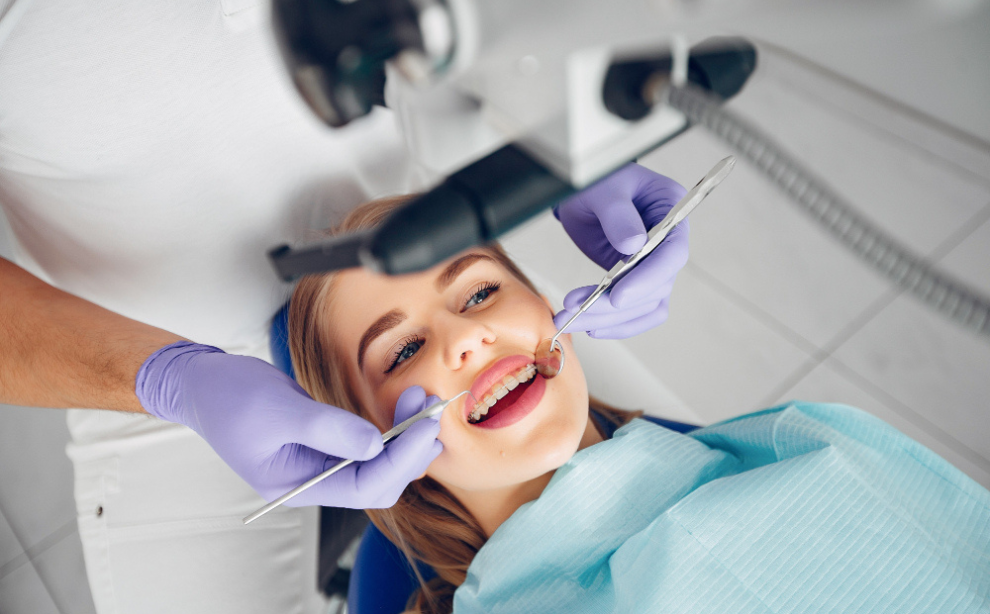
How Modern Technology is Transforming Dental Care Solutions

modern dental technology

Modern dental technology has fundamentally changed the execution of dental care, making procedures quicker, more accurate, and frequently painless.

As the years have passed, how we approach our dental care has changed.

We now have so many amazing products at our fingertips, from professional dental products for dentists to personal dental care solutions.

Additionally, we can order these products in our homes, making good oral health easier to come by than ever before.

Modern Dental Technology: How It Revolutionized Dental Care?
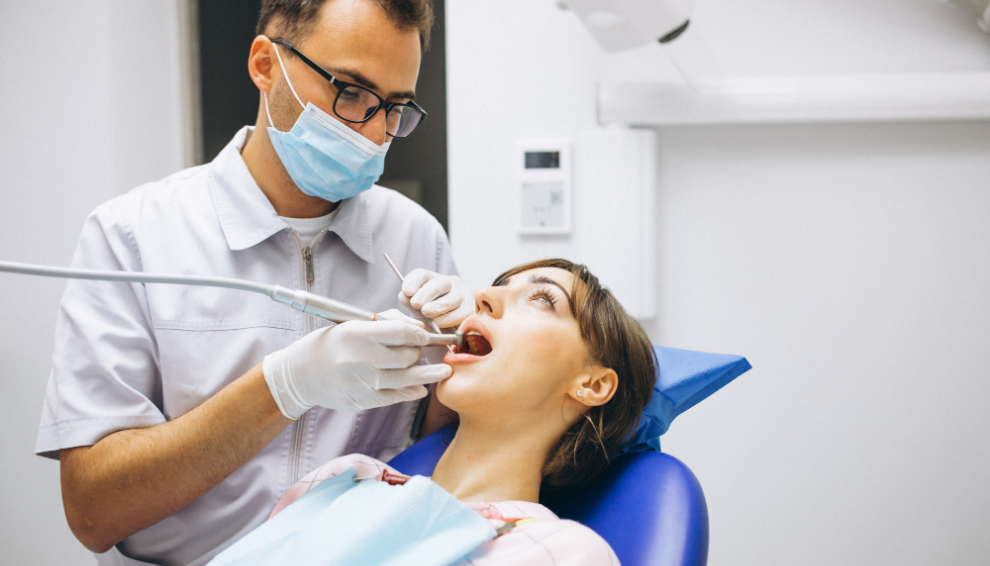
Dental Care and Dental Technology

Here are a few ways that modern technology has and is transforming dental care solutions: 

Better Toothbrushes

The toothbrush is one of the most basic yet necessary tools for optimal dental care. Simple toothbrushes that sell for a few dollars at your local grocery store can do the job. However, it’s even better when you get a toothbrush that gets down deep and ensures you’re brushing correctly.

For example, you can find your regular battery-powered toothbrush that helps you brush in a way that ensures better cleaning.

However, you could take technology in dental care a step further and find a high-tech toothbrush that can sync with an app on your phone for brushing feedback. How could you do anything but get really clean teeth with a toothbrush like this? 

Water Pik For Deeper Cleaning

You’ve been told to floss since you’ve had teeth. Unfortunately, not everyone is great at flossing. However, with options like the Water Pik, cleaning your teeth more efficiently becomes easier than ever. 

It can get deep between teeth and below your gumline, effectively removing plaque and food that may not be easy to get.

A lack of flossing often causes gum disease and decay, so a Water Pik can help to fix this problem. Water Piks can help you reverse gingivitis and care for your teeth better. 

Better Materials For Crowns And Implants

Beyond your home dental care, your dental labs also use modern technology that makes a world of difference in your oral health.

With better materials and technology for everything from simple crowns to dental implants, you can trust your dental work and care to be more effective and longer lasting for years.

It also means safer dental care and better overall health as dentists use materials designed for longevity and safe use for your body. 

Tracking Technology

Did you know that there are now options for tracking your oral health? This can help you prevent serious issues due to the ability to track things like bite changes and force and teeth grinding.

Additionally, it can even take care of your pH level so that you can be “warned” of ways to take care of your teeth and visit your dentist to get oral support. 

This can go hand in hand with going in for regular dental cleanings, so you can be sure to get the kind of cleaning and oral hygiene that will help you keep dental decay at bay.

Dental hygienists are trained to spot issues, helping you to get the dental care you need before your oral health is at risk. 

Robotic Support

While not quite there just yet, robotic systems in dentistry are being developed. It will help dentists have more precision in their surgeries and dental procedures than in years past.

While we’re not yet dependent on robots for our dental care, and maybe we won’t be entirely, the kind of precise support this technology can provide appeals to many people who want to ensure optimal dental care and reduce human error. 

How Has the Dental Industry Changed in the Past 10 Years?

The field has revolutionized in the past ten years due to advancements in 3D printing, laser dentistry, and digital photography.

For example, digital X-rays offer sharper images for precise diagnosis while reducing radiation exposure by up to 90% compared to conventional techniques.

Similarly, dentists may now build crowns on the same day, removing the need for numerous visits, thanks to innovations like CAD/CAM (computer-aided design and manufacturing) technology.

In addition to increasing patient comfort, this development has increased procedure accessibility and efficiency.

According to a report by Grand View Research, the global dental equipment market is expected to grow by 7% annually, driven by technological breakthroughs. These innovations are bridging gaps in preventive care and treatment, offering a brighter future for patients.

It’s safe to say that modern technology has redefined dental care for the better. It is making healthy smiles more achievable than ever.  

Benefits of Modern Dental Technology

Advancements in dental technology are reshaping the patient experience, making visits to the dentist more efficient and less daunting.

These innovations promise a smoother journey through dental care for busy families and individuals grappling with dental anxiety.

Enhanced Diagnostics and Treatment Planning  

Digital x-rays and 3D imaging allow dentists to capture detailed images of teeth and gums, leading to more accurate diagnoses.

This technology minimizes misdiagnoses and facilitates personalized treatment plans, enabling early detection of issues like cavities or gum disease. As a result, patients can avoid more invasive procedures down the line.

Less Invasive Procedures  

Gone are the days of painful dental experiences. Innovations such as laser dentistry and digital impressions have transformed procedures into less invasive ones, significantly reducing discomfort.

Faster Treatments for Busy Lives  

With CAD/CAM systems, same-day restorations are now a reality. Patients no longer have to wait weeks for crowns or other restorations, streamlining the entire process from diagnosis to treatment. This efficiency is particularly advantageous for families with tight schedules, It ensures that quality care does not come at the expense of time.

Empowering Patient Engagement  

Modern dental technology also enhances patient involvement in their care. Tools like intraoral cameras allow patients to see what their dentist sees, fostering transparency that reduces anxiety. This engagement empowers patients to make informed decisions about their treatments.

Keep Your Smiles On!

Dental care has only gotten better with modern technology. From the dental care you do at home to how dentists treat you, technology is improving our oral hygiene and care so that we can have better oral health more simply and effectively.

Read Also:

A passionate writer and an avid reader, Soumava is academically inclined and loves writing on topics requiring deep research. Having 3+ years of experience, Soumava also loves writing blogs in other domains, including digital marketing, business, technology, travel, and sports.

View all posts

Leave a Reply

Your email address will not be published. Required fields are marked *

Related

BMI Machine

Tricking Handheld BMI Machine Scores

One survey has returned the results that around half of Americans are trying to lose weight. This isn’t to say that half of the US population is heavily overweight, but it does point to many people taking a keen interest in their weight and body fat levels. There are many options for measuring BMI and body fat today, with calipers, handheld machines, and smart scales available. Some of these devices can help you to understand your BMI, and others go far deeper and measure a number of health metrics. However, are these devices accurate, or could you accidentally, or intentionally, trick them into giving false readings? What is BMI and what is the difference with body fat percentage? According to the Centers for Disease Control and Prevention, if someone had a BMI reading of 18.5 to 24.9 then they would be considered healthy. Of course, this doesn’t measure other metrics and doesn’t take into account any other health problems. BMI stands for Body Mass Index, and this is calculated by measuring a person’s height and weight, to give a rough idea of how much fat is being carried as a percentage. Body Fat Percentage, or BFP, refers to the total mass of fat, which is then divided by the total body mass. This is a more complex calculation than BMI. Can you trick a BMI machine? To understand how someone might fool a BMI machine, it is partly necessary to understand how they work. A BMI machine works by sending an electrical signal through the body. BMI is worked out by measuring the time it takes to get from one side to the other. This signal may travel from hand to leg, hand to hand, or leg to leg. As the signal travels through the body it will go through water, fat, muscle, and bone. It cuts through the water faster than muscle and bone. The signal travels at its slowest when moving through fat. This is how you can trick a BMI machine. Drink water to fool a BMI machine The electrical signal moves most slowly when hitting fat. If that fat area is represented as a percentage, then the less you have as part of your body, the lower your BMI will be. Drinking more water will fool the machine into believing you have a lower BMI score. Conversely, if you dehydrate yourself, it will see the fat reserves as a higher percentage. Just as you would stay away from certain foods to be healthy, you should stay away from too much water if you want a proper BMI result. Medical conditions, menstruation, and even skin temperature can also affect results. Can BMI machines help you to lose weight? Handheld machines are perhaps not the best way to get your BMI results. Machines that bring back the best results run from leg to leg, so a smart scale would be a better option. A BMI smart scale can offer a more accurate way to measure your fat percentage and help you to set fitness targets. The smart scale from FitTrack for instance, lets you measure 17 different health metrics including BFP, BMI, bone content, and basic metabolism. They are said to be as accurate as a DEXA scan. Understanding metabolism and fitness levels are also important when looking to lose weight and body fat. Exercise and diet are key to achieving these goals. Best ways to improve BMI Getting an accurate BMI test is important to see where you are before you set off towards your goals. Do not dehydrate yourself, and do not drink an excessive amount of fluids before you use your BMI scales. This way you will get accurate, and consistent scores each time. Smart scales can also measure metabolism and exercise, and the right foods can help improve this area. This is one reason why fitness is important for weight loss. Metabolism helps to burn calories and fat. Therefore, improving your general fitness will lead to weight loss. When it comes to exercise try to concentrate on activities that burn fat and do not build muscle. Jogging will help more than high octane sprinting. Half an hour of cardio every day will help you to start reducing your BMI. Proper diet is also important. According to Healthline, there are plenty of foods that can help you to burn fat. These include fatty fish with plenty of Omega 3, and green tea, which can help remove belly fat. Summary BMI machines can indeed be tricked, but it is unlikely anyone would want to do this intentionally if they were serious about fat reduction. However, by drinking too much, or too little fluids, you could do it by accident. If you do decide to improve your BMI scores and reduce body fat, then using smart scales, combined with a healthy diet, and a fitness routine is a good way to achieve your mission. Read Also: 10 Best Protein Shake Recipes for Weight Loss Best Weight Loss Program to Lose 20 Pounds Chili Peppers Boost The Weight Loss

READ MOREDetails
Peptide Therapy

Peptide Therapy: Types And Benefits

We’ve all heard about the healing properties of peptides, but what exactly are they? And how can they help you or your loved ones? In this article, we will discuss peptide therapy and the various peptide therapy benefits it can have on various parts of the body, from healing wounds to reversing aging and more. We’ll also go over some of the top peptide therapy options currently available to help you decide which peptide treatment may be right for you. Without further ado, let’s jump right in! What Is Peptide Therapy? Peptides are chains of amino acids that make up proteins. They can be divided into two different types; endogenous, which are produced naturally by our bodies, and exogenous, which are ingested from an outside source. Both endogenous and exogenous peptides have been shown to have positive benefits for human health. Peptide therapy was pioneered in 1986 by Dr. Hans Selye who observed that certain peptides reduced stress hormones in animals. He theorized that consuming similar peptides might help humans do the same thing, a theory that was proven correct when he treated patients suffering from burns with natural regulatory peptides extracted from their own blood serum. What Are The Different Types Of Peptides? There are many different types of peptides. The main categories include insulin, oxytocin, growth hormone (GH), somatostatin, and glucagon-like peptide 1 (GLP-1). Each has a specific role to play in our health. For example, GLP-1 promotes satiety by suppressing gastric emptying; GH stimulates the synthesis of IGF-1; while glucagon improves glucose homeostasis through its inhibitory effects on insulin secretion. Peptides are involved in many different pathways within your body, so they can be used to tackle a number of different issues. Depending on what you want to achieve – whether it’s fat loss or strength gain – you’ll likely use a combination of peptides that work synergistically together!  Combined with effective dieting and training, these are fantastic methods for achieving results. That said, some individuals respond better to one type than another. After all, peptides aren’t drugs like anabolic steroids or nonsteroidal agents like Clenbuterol; they don’t affect all people equally when administered at equal dosages. In bodybuilding, bodybuilders are interested in employing peptides for muscle growth, fat reduction, and even hunger stimulation when bulking. Growth hormone secretagogues, especially growth hormone-releasing peptides (GHRPs) and growth hormone-releasing hormone (GHRH) agonists are the most often utilized peptides for increasing muscle mass and improving body composition. Many athletes combine GH with IGF-1; a synergistic effect can be achieved by combining these two compounds as they have similar functions. While it’s believed that IGF-1 increases lean body mass and GH stimulates linear growth, more research is needed to confirm their effects on body composition. Hormone replacement therapy, or injecting low doses of synthetic GH, has been shown to increase body fat loss while preserving lean tissue through its insulin-like effects on glucose uptake. What Are The Benefits Of Peptide Therapy? In summary, peptide treatment would help the majority of people. Our daily lives can be excruciatingly painful. Peptides can help us live healthier lives by reducing knee pain, back pain, shoulder discomfort, and other aches and pains. Since peptides are administered externally rather than taken internally, they are less likely to induce negative effects. Peptide treatment benefits include: Improved sleep patterns Improved memory Balanced blood sugar levels Increased cardiovascular health and improved circulation Lower your blood pressure Encourage healthy immunological function Reduce the appearance of aging Body fat loss Are Peptides Harmful? Peptides are typically much safer than most other types of drugs. Unlike hormones, which increase levels of a single substance in your body, peptides mimic natural hormones by binding to receptors on cells throughout your body. Because they’re so small (less than 50 amino acids), they can’t be stored in large quantities like proteins and remain active for only minutes. As with any drug, you should always check with your doctor before starting a new treatment regimen. Plus, because peptides are applied externally rather than taken internally, they are less likely to cause side effects. How Are Peptides Administered? Peptides are administered in a variety of ways, depending on what is being targeted. Hormone Replacement Therapy (HRT) is commonly used to replace hormones lost during menopause; it is generally administered via topical creams or injections. Insulin Peptides are generally administered with an insulin pump for diabetics. Diabetes has been linked to low levels of peptides produced in pancreas cells called glucagon-like peptide 1 (GLP-1). GLP-1 helps keep blood sugar levels stable. Last, Dipeptidyl Peptidase IV (DPP4) Inhibitors and Glucagon Receptor Agonists can be administered via pills or injections. Before administering peptide therapy, make sure you consult with a doctor: https://www.vitalityhrt.com/treatments/sexual-health-enhancement/ and take into account any existing medical conditions. Read Also: HGH Therapy Clinic In California 8 Natural Ways To Balance Hormones

READ MOREDetails
https://www.forbes.com/sites/forbescoachescouncil/2019/08/30/nine-personal-development-techniques-worth-your-time/

How Supplements Complement Your Daily Routine

There was a time when humanity could ingest every nutrient the body and mind required to function with peak performance. Health supplements, like Phytage Nerve Control Supplement, can be beneficial for you or may just be an unnecessary additive. Unfortunately, as technological advances moved societies from "hunter/gatherers" to the complexities of modern civilization, "progress" came with a cost. As a result, today's "average" citizen does not receive optimal nutrition from the primarily processed foods consumed. Even fresh produce grown in mega-agricultural farms does not contain maximum nutrients as the soils become depleted after successive plantings. In addition, many of the traditional soil reconditioners and weed and insect control farmers use to maximize crop output can be harmful. The detrimental effects only became apparent when there were adverse findings in consumers far down the production trail. There are routine news alerts about "organic" vegetable recalls due to toxic chemicals or infective contaminants like DDT, E. coli, or other chemicals or pathogens. Creatures Of Habit From the time we are infants learning to potty train, the concept of routine becomes ingrained. Throughout the educational system, instructors teach and enforce a rigid routine. People then carry those routine structures into their professional and personal life. Those that fail to conform or develop healthy routines often end up in institutions that force stricter rules and regulations, jails and psychiatric units, for example. The good news is that as creatures of free will, we can choose to change our routines to maximize health and well-being. We can eliminate behaviors that are counter-productive in the long run and add things to our habits that can enhance life experiences. Transcendentalists There was a movement in the mid-twentieth century that sought to reconnect consciousness to living the moment. It was a meditative approach to changing the routine. One of the teachings involved "rewriting your script." It purported that most people kept replaying a "script" or narrative they had ingrained into their lives. The movement sought to "reprogram" the negative messages that led to recurrent, predictable, less-than-optimal outcomes. Instead, it gave the individual control over what the recurrent patterns of thought and emotions had established. It gave hope for a different path and different outcomes. The process worked for many of those who put proper effort into it. However, considering how long people had programmed the negative input, many did not realize how long it would take to reprogram. Modern generations have become accustomed to "immediate gratification." Adding supplements to an augmented diet is a much simpler and easier practice to incorporate into a daily routine, and the results are more quickly evident. Due Diligence Some common complaints about supplements may have their roots in an underlying medical condition. Therefore, if you are not getting the results you expected or are experiencing unforeseen side effects, you may wish to have a medical professional evaluate you. Thyroid dysfunction, for example, can influence how supplements affect your body. Hypothyroidism (low thyroid hormones) is a common condition that a medical professional can evaluate with a simple blood test. It can cause fatigue, weight gain, and depression. Therefore, screening for easily treated common conditions before adding supplements to your daily routine would be prudent. Another consideration is vitamin B12 deficiency. Most lay people do not realize that vitamin B12 requires an enzyme called intrinsic factor, produced by the gastrointestinal tract, to absorb B12. Often, B12 deficiency is not the last of B12 in the diet but a lack of intrinsic factor for absorption. Consequently, taking oral B12 will never improve serum B12 levels. Only B12 injections or sublingual (absorption through the blood vessels under the tongue) can resolve most cases of B12 deficiency. No One Pill Fixes All The first step in using supplements to complement your daily routine is deciding what you want to enhance or change. Of course, several things overlap, for example, energy and memory, but finding the correct supplements to address a specific issue is fundamental. The second step is understanding the dynamics behind a perceived deficiency. For example, excessive daytime sleepiness may be the result of inadequate rest during sleep. Taking natural stimulants to remain alert during the day may further interrupt healthy sleep patterns compounding the problem. A natural substance to enhance REM sleep may be the solution to obtaining more daytime alertness. Incorporating Supplements Into Your Daily Routine The easiest way to link a daily supplement to your daily routine is by attaching it to another daily habit, for example, when taking other prescribed medications. For example, adding a supplement to the morning medication is the easiest method to incorporate the supplement. If you do not currently take routine medications, attach the behavior to another everyday function, like brushing your teeth. Keep the supplement close to your toothbrush, and let the toothbrush serve as a visual cue. After several "reminders," the supplement use becomes ingrained. It becomes an automatic part of your new routine. Self  Reinforcement It has become commonplace for many to develop a sense of self-worth through external input. Unsolicited opinions from anyone in the environment subtly affects feelings of self-worth. And, many times there are hidden agendas in what views others offer. They may only sometimes be in your best interest. It is why a regular check-in with yourself is necessary to maintain emotional balance. When a self-preserving or reassuring behavior is applied routinely, it serves as a mental "pat on the back." It allows your internal compass a chance to realign. Fortifying a sense of self-worth through self-care is another means supplements complement your daily routine. The exact mechanism that reinforces your self-concept as combing your hair or wearing clean clothes that have become routine, adding supplements to feel your best, complements your daily routine. Be Your Best You How supplements complement your daily routine is multifaceted. It complements your health and well-being in addition to improving your self-esteem. Scientists have researched and well-documented the mind-body link. Feeling better physically and improving self-awareness and confidence are only a few of the benefits of supplementation. So, when is the best time to start supplements? Before you begin to exhibit symptoms that might necessitate them. Right now is the best time to consider supplements to complement your daily routine. Maintaining homeostasis is significantly preferable to treating the effects of stress, poor diet, and processed foods. Read Also: How To Stay Healthy And Fit Despite A Hectic Schedule A Little On The Side…Or Not? Your Guide To Supplemental Insurance What Are Virtual Reality Workouts And How Will They Affect Exercise?

READ MOREDetails