











What Is A Beauty Mark And Why Does It Matter?

by

31 December 2024

Beauty

What Is a Beauty Mark

Beauty marks are common in many women.

However, if you wonder what a beauty mark is, you are not alone. Generally, they are widespread and are a natural skin trait. In some cases, people will call it a mole. However, there is a slight difference. Hence, to know what is a beauty mark, read on to the end of the article.

In this article, you will learn what is a beauty mark and what it means for the female body. Apart from that, this article will also explain a variety of facts about beauty marks (spots). Moreover, you will also find out the significance of having beauty marks on your face and body.

Finally, the article will discuss cultural perspectives on beauty marks.

What Is A Beauty Mark?
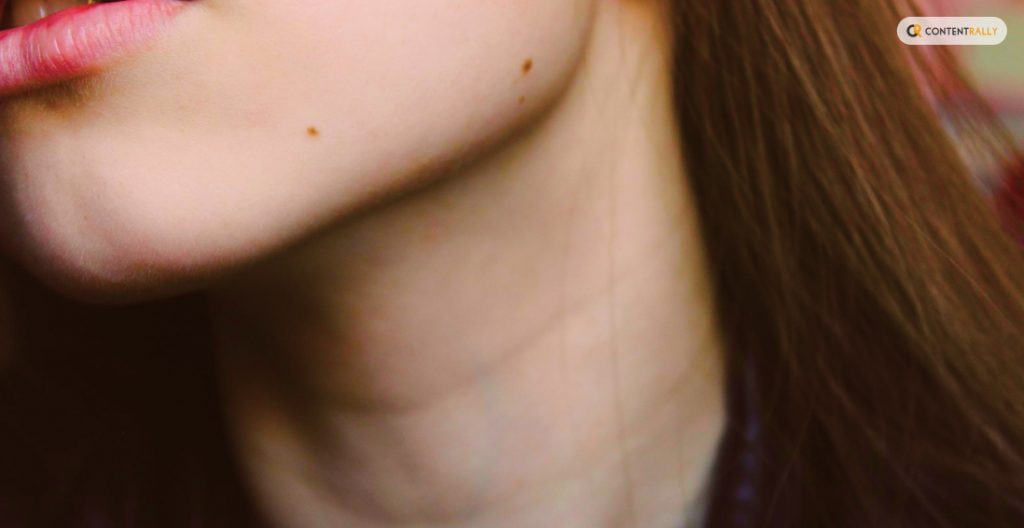
dark spot on the face

The phrase “beauty mark” is a cultural term that is basically a dark spot on the face or the body. In fact, many people find it attractive. Generally, people use it as a euphemism for a dark facial mark. Hence, it tends to be a term that people use broadly for any type of facial mole or freckle.

According to L’Oreal, “In truth, beauty mark is a term that was coined to describe a dark spot on your face that is considered attractive or beautiful. Most of the time, a beauty mark is a mole, freckle or spot on your skin that has been there since you were born (a birthmark).

In fact, you will find that more people are likely to have beauty marks on their faces without them knowing. Moreover, if there are a lot of beauty marks on your body, you must be concerned about it.

Understanding Beauty Marks
Understanding Beauty Marks

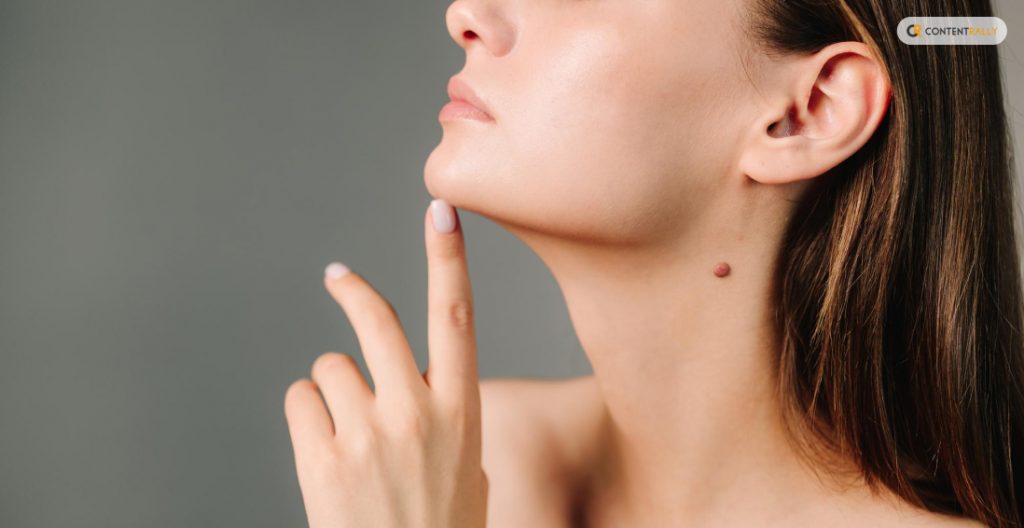
Generally, beauty marks are beauty spots on your body that are small, dark spots on the skin and are visually attractive. Basically, many people think them to be pleasant or attractive.

Apart from that, many think that it improves the appearance of the person. In addition to that, it can actually be a lovely feature for the face or the torso.

On the other hand, there are moles (also called nevi). These are skin growths that happen when you accumulate pigmented cells in your body. These cells are called melanocytes. Apart from that, it is interesting to note that moles are frequent in the female body and is usually an innocuous feature of the skin.

Who Has Beauty Spots?
Who has Beauty Spots

A beauty spot is possible in people of all skin tones. Generally, these are dark spots on your face that make you look attractive (that’s what most people think). In fact, beauty spots include birthmarks, moles, and freckles on the skin (especially the face and torso).

However, people with a lighter skin tone can have around 20 beauty spots. On the other hand, people with a darker skin tone have fewer beauty spots.

The reason for beauty spots is generally sun exposure. However, most beauty spots are harmless and non-cancerous in nature. Apart from that, some beauty spots are atypical and dysplastic. This means they have a higher risk of developing melanoma.

Moles or nevi are generally of these types:

1. Common Nevi: Actually, these are small moles that can be pink, brown, or tan in color. Also, they have a distinct shape.

2. Congenital Nevi: Generally, these include those moles that are present at birth. Also, there is a slight risk of developing skin cancer due to congenital nevi.

3. Dysplastic Nevi: Actually, these are very rare. In fact, these moles are larger than a pencil eraser. Also, they have an irregular shape. Furthermore, they have an uneven color. On the other hand, they also come with dark brown centers and lighter and uneven edges.

Interesting Facts About Beauty Spots
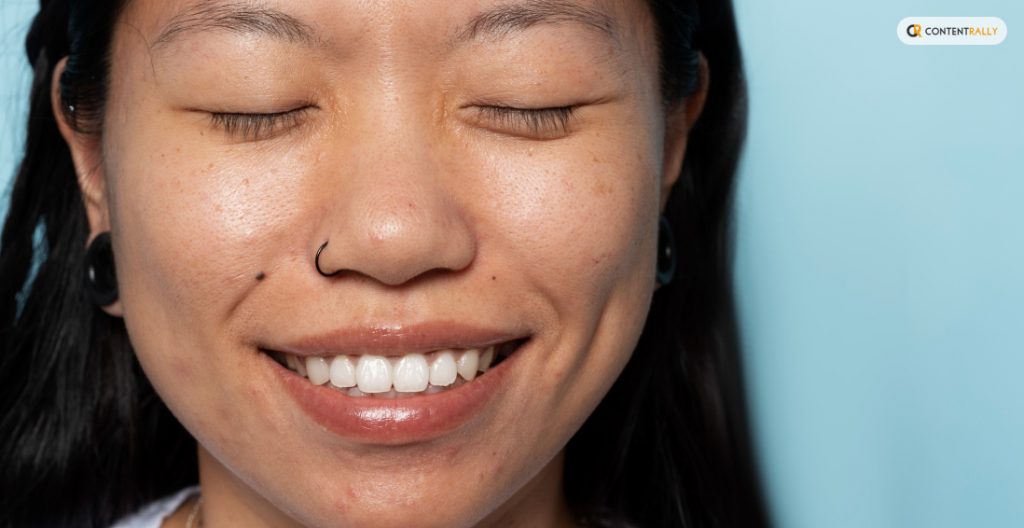
Interesting Facts about Beauty Spots

The following are some of the most interesting facts you need to know about beauty marks:

1. Many people do not recognize the fact that most beauty marks are moles. However, all beauty marks are not moles. For instance, if the mark is on your face, it is a beauty mark. On the other hand, if the mark is anywhere else in the body, it is a mole.

2. Only 1% of babies are born with beauty marks on their skin. Basically, beauty marks can appear in childhood, teenage years or even during adulthood.

3. In his play Cymbeline, Shakespeare gave the character Imogen beauty marks. This shows that he appreciated the beauty marks on the face.

4. In the 18th century, smallpox was common among women. Hence, they used to cover their smallpox scars with mouse fur. As a result, this turned those scars into beauty marks.

5. Marilyn Monroe was known for her beauty marks. However, its authenticity is still debatable. Moreover, it reshaped the meaning behind beauty marks on women’s faces. In fact, some sources say that she concealed her beauty marks in her early roles.

Can Beauty Spots Make You Sick?
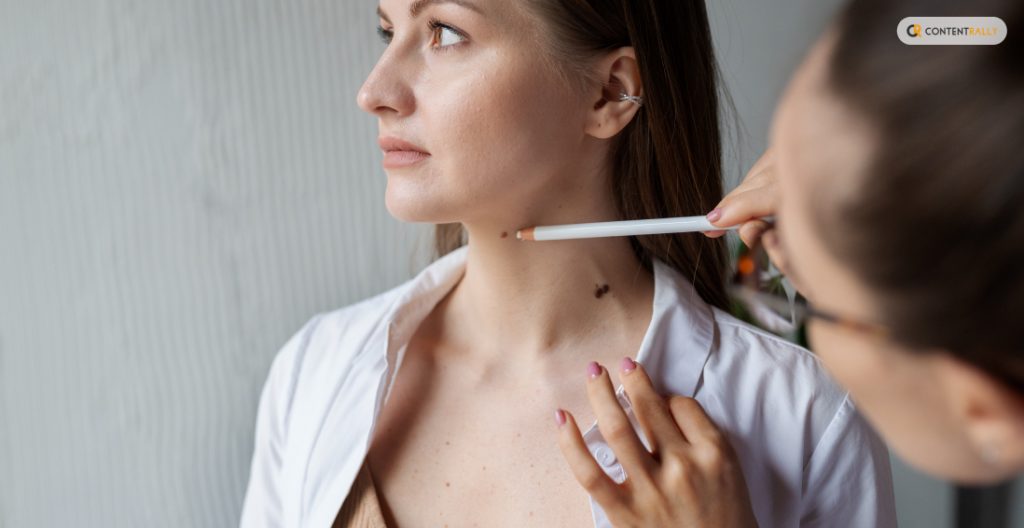
Can Beauty Spots Make You Sick

Generally, most beauty marks are harmless in nature. Also, they appear early on in life and are benign. Moreover, they are not contagious. Hence, they do not hurt, itch, or bleed. However, a mole can be cancerous in nature (but rarely). For instance, it can turn into skin cancer.

Hence, the following are some of the cases where you need to be concerned:

1. The mole appears to change in some way.

2. The mole shows up after the age of 20.

3. It becomes larger than 4-6 cm and keeps growing.

4. The mole itches and oozes continuously.

Wrapping Up

What is a beauty mark? Now you know the answer. Actually, these are small and dark spots on the face and in the torso. Apart from that, they can also come in other parts of the body.

However, if those marks appear on the face, they are called beauty marks. However, if they appear on other parts of the body, they are called moles.

Is it dangerous? It is only dangerous when it comes to 20 years of age and grows in size.

What is your experience with beauty marks? Please share your ideas and opinions in the comments section below.

Read Also:

A passionate writer and an avid reader, Soumava is academically inclined and loves writing on topics requiring deep research. Having 3+ years of experience, Soumava also loves writing blogs in other domains, including digital marketing, business, technology, travel, and sports.

View all posts

Leave a Reply

Your email address will not be published. Required fields are marked *

Related

Salon-Quality Haircare Products

Why Salon-Quality Haircare Products Essential for Fabulous Locks

Hey there, beautiful people! Let's chat about something we all love: great hair. We all want fabulous locks, but how do we get there without all the confusing beauty jargon and expensive treatments?  One of the secrets to achieving that hair nirvana is tapping into the Arkive of salon-quality haircare products. These unassuming bottles and tubes might just be your ticket to hair heaven, and today, we're going to tell you why they matter and why you should consider making them a part of your daily hair routine. The Good Stuff: Your Hair Deserves It Ever wonder what makes your hair feel so amazing after a salon visit? It's those salon-quality products! They're like a gourmet meal for your hair, packed with nourishing ingredients that your locks crave.  We're talking about vitamins, proteins, and oils that work together to make your hair happy, healthy, and oh-so-gorgeous. No more dull and lifeless locks – salon products bring the party back to your hair! No More Mystery Ingredients Have you ever tried deciphering the ingredients list on a cheap shampoo bottle? It's like reading a foreign language. Salon-quality products don't play that game.  They're all about quality, not quantity. You won't find harsh chemicals or weird fillers in these gems. Your hair deserves better than that, and salon products deliver the good stuff without the confusing extras. Tailored To Your Unique Hair One size fits all doesn't work for hair, and salon-quality products know it. They come in a variety of formulas specifically designed for different hair types.  Whether you've got fine and straight locks or thick and curly ones, there's a product that's tailor-made for you. No more guessing games at the drugstore aisle – it's time to give your hair exactly what it needs. Professional-Level Results At Home Remember how your hair looks and feels fantastic after a professional salon treatment? Well, salon-quality products bring a little piece of that magic into your daily routine.  They're formulated to give you those jaw-dropping professional results without the hefty salon price tag. Who doesn't want to feel like they just stepped out of a luxurious spa in their bathroom? Protection And Strength, All In One Let's face it: we put our hair through a lot. Heat styling, coloring, and environmental stressors can take a toll on your tresses. Salon-quality products often include ingredients that protect your hair from damage and strengthen it from the inside out. It's like a suit of armor for your precious locks! Smell Like A Dream We must remember the scent. Salon-quality haircare products often come in the most delicious fragrances. Using them is like a mini aromatherapy session in the shower. Plus, who doesn't want their hair to smell like a field of flowers or a tropical paradise? It's a little slice of luxury every time you wash your hair. An Investment In Your Hair And Wallet Sure, salon-quality products might seem a tad pricier upfront, but here's the kicker: they last longer!  You typically need less product to get the job done, meaning a bottle of shampoo or conditioner will stick around for a while. It's an investment in your hair's health and your wallet's happiness. Over time, you'll find they're cost-effective, keeping your hair looking its best. Conclusion So there you have it, folks. Salon-quality hair care products aren't just a luxury but a necessity for fabulous hair. Say goodbye to bad hair days and hello to luscious, healthy locks. Your hair will thank you, and you'll feel like a superstar daily. Go ahead, treat yourself and your hair to the best! Read Also: Understanding Certifications In Organic Haircare Products: Ensuring Transparency And Quality The Art Of Hair Regrowth: 3 Techniques For Restoring Your Crowning Glory 5 Essential Hair Care Products To Combat Frizz And Humidity

READ MOREDetails
Spot Hair Loss Early

How To Spot Hair Loss Early

It may seem inevitable. At some point when we get “old”, men’s hairlines will recede and may start balding on the crown, and women's hair will start thinning, usually starting at the crown or natural parting. But for many, this transition away from a full head of healthy-looking hair occurs earlier than expected, often to men as young as in their early twenties. In the society that we live in, hair loss holds such an important place, with hairstyles denoting your trendiness, and healthy, voluminous hair being applauded. In light of this, early hair loss (or any hair loss for that matter) can create feelings of worry, sadness, anxiety, and self-consciousness, as it’s perceived as a negative bodily change that is out of our control. However, as we’ll explore in this article, this is not true: halting hair loss and getting a fuller head of hair is actually within our control, even if we have a genetic predisposition to balding. Male baldness that occurs gradually and is caused by genetics or the male sex hormones is known as “pattern” baldness or alopecia androgenetica. It is more likely to affect you the older you are and occurs in approximately 67% of men over their lifetime. Usually, the marked changes occur gradually, although changes can occur rapidly depending on genes and other bodily or environmental factors. Male pattern baldness tends to occur because of the interaction with DHT and the hair follicles in the scalp. Some testosterone is converted to DHT (dihydrotestosterone) in the body, but this can cause the hair follicles in the head to shrink in diameter, meaning the hair strands are thinner and more brittle. Additionally, DHT has the effect of speeding up the hair growth cycle, meaning that hair sheds quicker. A common assumption is therefore that high levels of testosterone equate to high DHT, and this causes more hair loss, but instead, hair loss is determined by the sensitivity of the scalp to DHT. This can be down to individual differences, but it is more likely that it is passed down genetically. With hair loss, it’s important to acknowledge the early signs as soon as you can, as acting early will give you the best chance of preventing hair loss and regrowing hair to your liking. Appropriate treatment can help to block DHT or stimulate the hair follicles for regrowth. Likely causes of your hair loss: There are several possible factors that affect hair loss, some more than others. Here is the full list, below: Genes - Male baldness is also sometimes called hereditary baldness as genetics play a large role in determining the likelihood of your future hair loss. Pay close attention to the patterns in your family in terms of hair loss, as this will give you a good indication of whether you’ll likely experience symptoms. Age - The release of hormones changes throughout the course of your life, and hormones associated with aging slow hair production and may result in balding. Smoking - Smoking cigarettes may cause the blood to circulate less in the hair follicles, getting in the way of natural hair growth and causing damage to the scalp. Early research points to this as true, although more research is needed for this factor to be conclusively outlined as a key contributor. Stress - When you face stress, your body releases cortisol as a response. This is fine in moderation, but extended periods of stress, or periods of extremely intense stress, can cause cortisol levels to interfere with non-essential bodily functions, such as head hair growth. Therefore, stress can be a contributing factor to hair loss. In the event of a significantly stressful period, the body might experience a condition called telogen effluvium. This is characterized by sudden hair loss 3 to 6 months after the stressful event, caused by the body halting production of hair and transitioning all hair into the resting phase, meaning the strands will then fall out almost simultaneously. Depression - The association with depression and hair loss is twofold. Not only might the prolonged bouts of stress result in hair loss, but medication for depression may also cause hair loss as a side effect. Identifying Hair Loss Early: Common signs linked to hair loss: Receding hairline - An early indication of male pattern baldness is when the front of your hairline recedes. Typically, the center front of your hair will stay, with curved portions on either side receding back, forming a W sort of shape. Usually, men experience a receding hairline after they’re 25 years old, with it going back until eventually bald or mostly bald, but can also occur in younger men. It doesn’t tend to affect women. Thinning hair - A slightly more initially subtle form of hair loss, men might experience hair all over their head thinning, each strand reducing in diameter and perhaps revealing the scalp more visibly. Whilst receding hair tends to begin from the front of the head, thinning hair typically starts at the crown, before working its way outwards circularly. Because this eventuality is not in as noticeable a location to the individual sufferer, this type of hair loss might go untreated for longer than it should, reducing the chance of medication fully restoring the hair. Checking in the mirror periodically will help keep an eye on the hair health of your crown. For individuals noticing progressive thinning, exploring options such as Male Hair Replacement in Atlanta or elsewhere can provide solutions that can help restore the appearance of fuller hair through customized, natural looking systems designed for different stages of hair loss. There are a number of unrelated signs that are often mistaken as being indicative of early hair loss. These factors have no correlation with hair loss, and include the following: Hairs on the pillow - Healthy adults shed roughly 50 to 100 hairs per day, so seeing the odd hair on your pillow is to be expected. A white blob on the hair strand - This white dot can sometimes be seen on the root end of a fallen-out hair and means nothing other than the hair fell out during the resting phase. Widow’s peak hairline - This is a particular appearance of the hairline where it forms a point at the front of the head. It may be interpreted as an early sign of receding since the sections on either side of the hairline will be further back, but this is not the case. The widow’s peak hairline is not in any way a precursor to hair loss, but keep a close eye on whether the hairline remains in the same location or appears to be moving back, in which case this may be receding. Read Also: What To Know About Laser Hair Removal Utica NY Top 5 foods for healthier and thicker hair Best Hair Loss Treatment: 5 Questions to Ask Yourself Before Getting One

READ MOREDetails
Beauty Routine

Bedtime Beauty Routine: Secrets And Tips

Your beauty rest skincare routine is as important as the morning one so let’s learn together which are the secrets behind this daily practice. The list of benefits behind this routine is quite a long one. To begin with, you cleanse away impurities. Throughout the day, your skin accumulates dirt, oil, pollution as well as makeup. Cleansing your skin before bed removes these impurities and, as a consequence prevents clogged pores, breakouts, and dullness. A good beauty rest skincare routine supports skin repair and regeneration. While you sleep, your skin goes into repair mode, working to undo the damage from the day and regenerate new cells. A skincare routine before going to bed provides your skin with the necessary nutrients and hydration to support this process, allowing it to function optimally. Moreover, this can maximize the efficacy of skincare products. Many skincare products, such as serums, treatments, and moisturizers, work best when applied at night. This is because your skin is more receptive to active ingredients while you sleep, allowing them to penetrate deeply and deliver maximum benefits. During your bedtime skincare routine, you can address specific skin concerns. It is the perfect opportunity to target specific skin concerns, such as fine lines, wrinkles, hyperpigmentation, acne, or dryness. By using targeted treatments and products tailored to your skin's needs, you can focus on these concerns more effectively and achieve better results over time. Skincare routines at night boost relaxation and self-care. Any bedtime skincare routine can be a relaxing and comforting ritual that helps you unwind from the stresses of the day. Taking the time to care for your skin can also be a form of self-care, promoting feelings of well-being and enhancing your overall sense of self. Last but not least, this routine can prevent premature aging. If you follow it consistently, you can help prevent premature aging by providing your skin with the necessary hydration, nutrients, and protection it needs to stay healthy and resilient. This can help minimize the appearance of fine lines, wrinkles, and other signs of aging over time. What should NOT be done in a bedtime skincare routine Like in any other beauty routine, there are certain things you should avoid to ensure that your skin remains healthy and rejuvenated. Here is a list of the things you should consider in order to avoid common skincare mistakes in your bedtime routine that can help you ensure that your skin stays healthy, refreshed, and rejuvenated while you sleep. Do not sleep with makeup on: One of the most important things to avoid is going to bed with makeup still on your face. Makeup can clog pores, trap dirt and bacteria, and prevent the skin from breathing properly, leading to breakouts and lack of vividness. Always make sure to thoroughly remove all makeup before going to bed. Never skip cleansing: Even if you do not wear makeup, it is important to cleanse your skin before bedtime to remove impurities, excess oil, and environmental pollutants that have accumulated throughout the day.  Avoid using harsh or abrasive exfoliants: While exfoliation is beneficial for removing dead skin cells and promoting cell turnover, using harsh or abrasive exfoliants can damage the skin's barrier and cause irritation. Always use gentle exfoliants with mild ingredients, and limit exfoliation to 2-3 times per week. Do not apply active ingredients that increase photosensitivity: Some skincare ingredients, such as retinoids and alpha hydroxy acids (AHAs), can increase the skin's sensitivity to sunlight. It is advisable to use these ingredients in your bedtime routine to minimize the risk of sun damage. However, if you do use them at night, be sure to apply sunscreen during the day. Try not to overload the skin with too many products: It is always important to nourish and hydrate the skin before bedtime, however, using too many products can overwhelm the skin and potentially cause irritation or breakouts. Just follow a simple and effective skincare routine with a cleanser, moisturizer, and any targeted treatments or serums that address your specific skin concerns. Avoid products with strong fragrances: Fragrances in skincare products can be irritating, especially for sensitive skin, and may disrupt your sleep. Fragrance-free or lightly scented products are always advisable to minimize the risk of irritation and promote relaxation. My bedtime beauty routine step by step Makeup remover: Remove any makeup with a gentle makeup remover or cleansing oil. Cleanser: Follow up with a cleanser to thoroughly cleanse your skin and remove any remaining impurities. Exfoliator ( only 1-3 times a week): Use a gentle exfoliator to remove dead skin cells and promote cell turnover for a brighter complexion. Toner: Use a toner to rebalance the skin's pH and prepare it for the next steps. Serum: Use a serum containing ingredients like retinol or hyaluronic acid to target specific skin concerns such as fine lines, wrinkles, or hydration. Eye Cream: Gently pat on eye cream to hydrate the delicate skin around the eyes and reduce the appearance of dark circles or any other unwanted marks. Moisturizer: Apply a richer moisturizer or night cream to provide intense hydration and repair the skin overnight. Lip Treatment: Don't forget to apply a nourishing lip balm or treatment to keep your lips hydrated while you sleep. Read Also: Amazing Beauty Tips For Women Of All Ages Is the 10 Step Korean Skincare Routine Worth the Hype? 4 Must Have Ingredients for Homemade Beauty Products (Plus One to Skip)

READ MOREDetails