












Night vs. Day Moisturisers: What’s The Difference And Why It Matters

Published on: 22 July 2024 Last Updated on: 12 September 2024
Night And Day Moisturisers

We know that moisturizing our skin is very necessary. It helps to keep the skin healthy and radiant. However, there are many different moisturizers available on the market. So, choosing the one often makes you feel overwhelmed.

The night and day moisturisers are formulated differently. Each type has its purpose to serve. 

So, I know you often feel confused about which one to choose or why using different moisturizers at different times of the day is necessary.  

Thus, it is essential to understand their different purposes and their optimal results to maintain healthy and radiant skin. 

The Role Of Day Moisturisers

Role Of Day Moisturisers

The formulation of a day moisturizer aims to provide better hydration to your skin. It also provides a shield from the daily environmental aggressors.  

The day moisturizers generally contain SPF, which protects your skin from UV rays. Your bare skin is exposed to UV rays, which can cause massive damage to your skin. These UV rays can cause premature aging, and they can also increase the risk of skin cancer.  

Additionally, the day moisturizers are very lightweight. Its quick absorption nature ensures that your skin feels comfortable all day long. It blends into your skin so seamlessly that you can quickly wear your choice of makeup without any issues. 

Other than SPF components, your day moisturizer also contains powerful antioxidants such as Vitamin C and Vitamin E. These antioxidants help neutralize all kinds of free radicals generated from sunlight and pollution. 

Moreover, these antioxidants also prevent oxidative stress and damage to your skin. 

For example, a day moisturizer doesn’t only limit itself to hydrating your skin. It also helps to create a barrier on your skin, making it strong and resilient against all kinds of daily stressors. 

This dual action is necessary to provide youth with a better complexion and prevent all the early signs of aging. 

The Role Of Night Moisturisers
Role Of Night Moisturisers

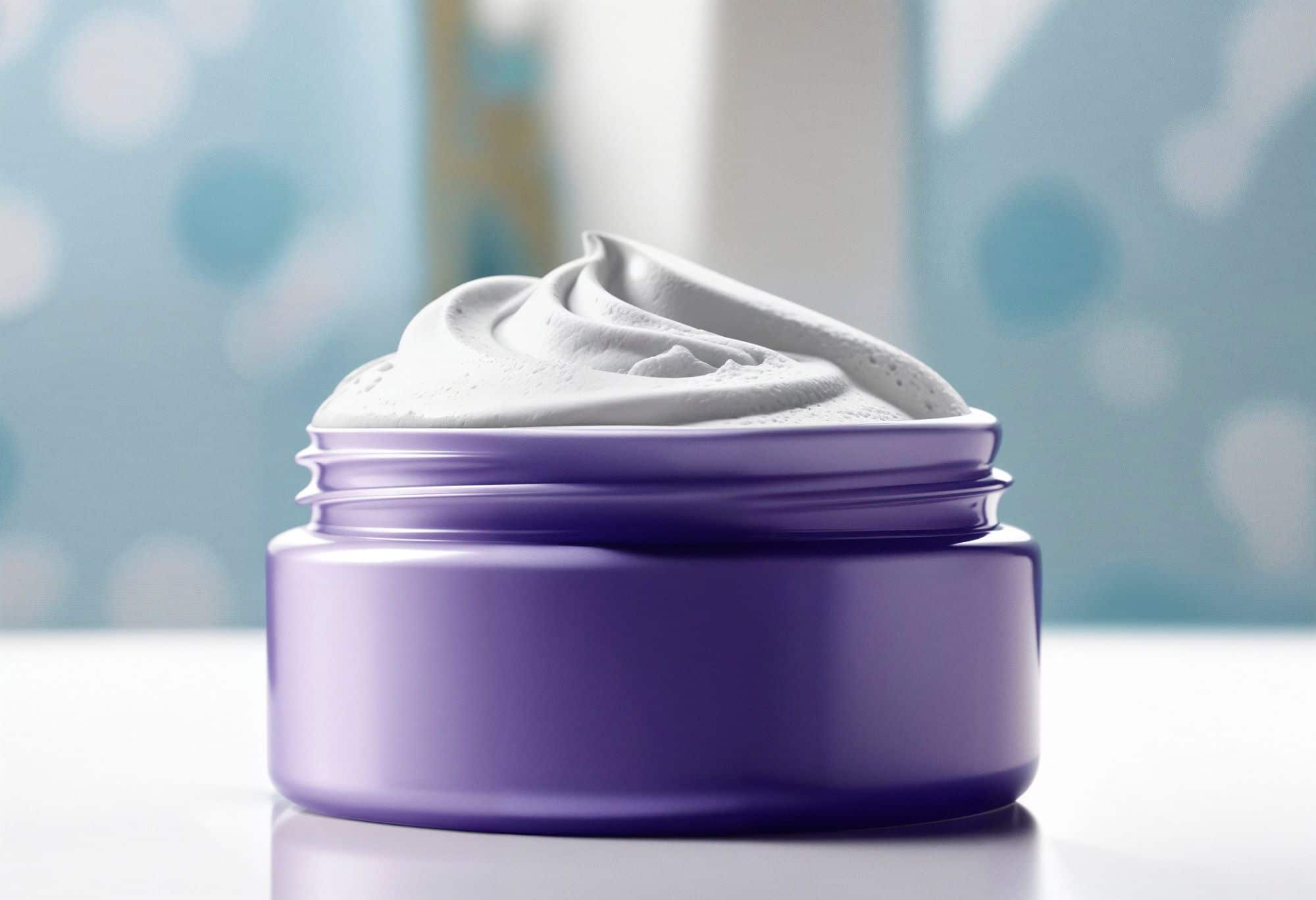
Nighttime is when your skin goes into repair mode. During sleep, the blood flow in your skin increases, and it starts to rebuild its collagen while repairing the damage from UV exposure. It also helps in reducing wrinkles and age spots. 

Night moisturizers are specifically designed to support this natural repair process.

These moisturizers are more expensive and thicker than the daytime moisturizers. Moreover, these also provide deep hydration that helps to rejuvenate your skin overnight.  

They often contain three active ingredients, such as 

  • Retinol, 
  • Peptides, and 
  • Hyaluronic acid. 

Retinol helps in cell turnover and collagen production; peptides strengthen the skin. On the other hand, hyaluronic acid draws moisture into the skin, ensuring you wake up with a plump and rejuvenated complexion.

Unlike day moisturizers, night creams do not contain SPF – this absence allows them to focus on repair and hydration without sun protection. 

The lack of SPF also means these products can deliver higher concentrations of active ingredients that might make the skin more sensitive to sunlight.

Day And Night Moisturizer-Why It Matters

Using the proper moisturizer at the right time is critical to maintaining healthy, balanced skin. 

A day moisturizer protects and prepares your skin for environmental challenges, while a night moisturizer aids in its natural repair processes. 

Neglecting to use these specialized products can lead to imbalances such as dryness, premature aging, and increased sensitivity to environmental damage.

Moreover, properly using these moisturizers can enhance the effectiveness of other skincare products. 

For example, using a night cream with retinol will prepare your skin to better absorb the benefits of your morning Vitamin C serum, creating a synergistic effect that boosts your overall skincare routine.

Incorporating day and night moisturizers into your skincare regimen is essential for achieving and maintaining optimal skin health.

By understanding and utilizing the distinct benefits of each, you can protect your skin during the day and support its natural repair processes at night. 

For those looking to elevate their skincare routine with high-quality products, consider exploring options from Solskin Beauty Labs – this range of expertly formulated day and night moisturizers can help you achieve radiant, healthy skin around the clock. 

Invest in your skin today and let the combined power of day and night moisturizer work their magic… your skin will thank you for it!

The Facts That You Should Know 

daytime and nighttime moisturizer

The concept of daytime moisturizer and nighttime moisturizer isn’t just some kind of gimmick. They contain different skincare products that can cause you different benefits. The day creams mainly focus on the following: 

  • Brightening your skin complexion, 
  • Maintaining the proper hydration of your skin, 
  • Protecting your skin from sunlight and other environmental damage.

On the other hand, nighttime creams are thicker in kind. They specifically help to:

  • Deliver more hydration to your skin, 
  • Reduce all kinds of damage, 
  • Soothes irritation if you are experiencing any. 

But how to understand which facial cream will suit you well? In that case, you have to understand your skin type. You can also consult with a dermatologist to understand your skin type. 

The general rule is that you must choose creams that are noncomedogenic in nature. But, if you have sensitive skin then you must select your cream carefully.

It is good to add these products to your skincare habits when you are in your mid to late 20s. That way, you get the full benefit of the antiaging properties, and your face will look much younger.  

Wrapping It Up! 

So, the question is, do you need two different types of creams in your skincare routine? It is unnecessary, but again, it comes down to your preferences and necessities. 

Firstly, you will have to learn what exactly your skin wants. What are your skin concerns? And how tight are you on your budget? 

Perhaps your skin is delicate when you apply the same cream twice daily. Once you understand that, deciding whether you need two different creams at different times becomes straightforward! 

As you get older, you tend to deal with more skin issues. Your skin can thrive with different ingredients, from the other ingredients of day and night moisturizer. 

Ultimately, it is all about meeting your skin needs without compromising your skin’s radiance and better health.

Read Also:
Content Rally wrapped around an online publication where you can publish your own intellectuals. It is a publishing platform designed to make great stories by content creators. This is your era, your place to be online. So come forward share your views, thoughts and ideas via Content Rally.

View all posts

Leave a Reply

Your email address will not be published. Required fields are marked *

Related

Spot Hair Loss Early

How To Spot Hair Loss Early

It may seem inevitable. At some point when we get “old”, men’s hairlines will recede and may start balding on the crown, and women's hair will start thinning, usually starting at the crown or natural parting. But for many, this transition away from a full head of healthy-looking hair occurs earlier than expected, often to men as young as in their early twenties. In the society that we live in, hair loss holds such an important place, with hairstyles denoting your trendiness, and healthy, voluminous hair being applauded. In light of this, early hair loss (or any hair loss for that matter) can create feelings of worry, sadness, anxiety, and self-consciousness, as it’s perceived as a negative bodily change that is out of our control. However, as we’ll explore in this article, this is not true: halting hair loss and getting a fuller head of hair is actually within our control, even if we have a genetic predisposition to balding. Male baldness that occurs gradually and is caused by genetics or the male sex hormones is known as “pattern” baldness or alopecia androgenetica. It is more likely to affect you the older you are and occurs in approximately 67% of men over their lifetime. Usually, the marked changes occur gradually, although changes can occur rapidly depending on genes and other bodily or environmental factors. Male pattern baldness tends to occur because of the interaction with DHT and the hair follicles in the scalp. Some testosterone is converted to DHT (dihydrotestosterone) in the body, but this can cause the hair follicles in the head to shrink in diameter, meaning the hair strands are thinner and more brittle. Additionally, DHT has the effect of speeding up the hair growth cycle, meaning that hair sheds quicker. A common assumption is therefore that high levels of testosterone equate to high DHT, and this causes more hair loss, but instead, hair loss is determined by the sensitivity of the scalp to DHT. This can be down to individual differences, but it is more likely that it is passed down genetically. With hair loss, it’s important to acknowledge the early signs as soon as you can, as acting early will give you the best chance of preventing hair loss and regrowing hair to your liking. Appropriate treatment can help to block DHT or stimulate the hair follicles for regrowth. Likely causes of your hair loss: There are several possible factors that affect hair loss, some more than others. Here is the full list, below: Genes - Male baldness is also sometimes called hereditary baldness as genetics play a large role in determining the likelihood of your future hair loss. Pay close attention to the patterns in your family in terms of hair loss, as this will give you a good indication of whether you’ll likely experience symptoms. Age - The release of hormones changes throughout the course of your life, and hormones associated with aging slow hair production and may result in balding. Smoking - Smoking cigarettes may cause the blood to circulate less in the hair follicles, getting in the way of natural hair growth and causing damage to the scalp. Early research points to this as true, although more research is needed for this factor to be conclusively outlined as a key contributor. Stress - When you face stress, your body releases cortisol as a response. This is fine in moderation, but extended periods of stress, or periods of extremely intense stress, can cause cortisol levels to interfere with non-essential bodily functions, such as head hair growth. Therefore, stress can be a contributing factor to hair loss. In the event of a significantly stressful period, the body might experience a condition called telogen effluvium. This is characterized by sudden hair loss 3 to 6 months after the stressful event, caused by the body halting production of hair and transitioning all hair into the resting phase, meaning the strands will then fall out almost simultaneously. Depression - The association with depression and hair loss is twofold. Not only might the prolonged bouts of stress result in hair loss, but medication for depression may also cause hair loss as a side effect. Identifying Hair Loss Early: Common signs linked to hair loss: Receding hairline - An early indication of male pattern baldness is when the front of your hairline recedes. Typically, the center front of your hair will stay, with curved portions on either side receding back, forming a W sort of shape. Usually, men experience a receding hairline after they’re 25 years old, with it going back until eventually bald or mostly bald, but can also occur in younger men. It doesn’t tend to affect women. Thinning hair - A slightly more initially subtle form of hair loss, men might experience hair all over their head thinning, each strand reducing in diameter and perhaps revealing the scalp more visibly. Whilst receding hair tends to begin from the front of the head, thinning hair typically starts at the crown, before working its way outwards circularly. Because this eventuality is not in as noticeable a location to the individual sufferer, this type of hair loss might go untreated for longer than it should, reducing the chance of medication fully restoring the hair. Checking in the mirror periodically will help keep an eye on the hair health of your crown. There are a number of unrelated signs that are often mistaken as being indicative of early hair loss. These factors have no correlation with hair loss, and include the following: Hairs on the pillow - Healthy adults shed roughly 50 to 100 hairs per day, so seeing the odd hair on your pillow is to be expected. A white blob on the hair strand - This white dot can sometimes be seen on the root end of a fallen-out hair and means nothing other than the hair fell out during the resting phase. Widow’s peak hairline - This is a particular appearance of the hairline where it forms a point at the front of the head. It may be interpreted as an early sign of receding since the sections on either side of the hairline will be further back, but this is not the case. The widow’s peak hairline is not in any way a precursor to hair loss, but keep a close eye on whether the hairline remains in the same location or appears to be moving back, in which case this may be receding. Read Also: What To Know About Laser Hair Removal Utica NY Top 5 foods for healthier and thicker hair Best Hair Loss Treatment: 5 Questions to Ask Yourself Before Getting One

READ MOREDetails
Laser Hair Removal

The Ultimate Guide To Choosing A Professional Laser Hair Removal Machine

In today's fast-paced world, the demand for professional laser hair removal services has surged. People are increasingly looking for a long-term solution to unwanted hair, and professional laser removal of hair has emerged as a popular choice. If you're considering entering the beauty industry or upgrading your salon's services, it's crucial to understand the ins and outs of professional laser hair removal machine canada. In this comprehensive guide, we'll walk you through everything you need to know about these devices, from how they work to choosing the right one for your business. What Is Professional Laser Hair Removal? Understanding the Basics The professional trick of hair removal with the use of a laser is a non-invasive cosmetic process. It makes use of concentrated beams of light that further target and eliminate undesired hair from the body. It offers a long-lasting solution to hair removal by targeting hair follicles without damaging the surrounding skin. How Does it Work? This section will delve into the science behind laser hair elimination, explaining the process of targeting melanin in hair follicles to inhibit hair growth. Advantages Of Professional Laser Removal Of Hair Why Choose Laser Hair Removal? Highlighting the benefits of laser removal of hair, including precision, reduced discomfort, and long-lasting results. Safety and Effectiveness Discussing the safety measures and the effectiveness of professional laser hair elimination when performed by trained technicians. Types of Professional Laser Hair Removal Machines Diode Laser Explaining the Diode laser technology, its advantages, and suitable candidates for this type of machine. Nd: YAG Laser Discussing the Nd: YAG laser and its suitability for various skin types and hair colors. Factors To Consider When Choosing A Laser Hair Eliminating Machine Budget Guidance on budget allocation and finding the right balance between cost and quality. Machine Specifications Explaining the importance of machine specifications, including wavelength and energy output. Certification and Training Emphasizing the need for proper certification and training for technicians. Setting Up A Professional Laser Hair Removal Business Legal Considerations Highlighting the legal requirements for operating a laser removal of hair business. Marketing Strategies Tips on marketing your laser hair removal services to attract clients. Maintenance And Safety Machine Maintenance Explaining the importance of regular maintenance to ensure optimal performance. Safety Measures Discussing safety protocols to protect both clients and technicians. In conclusion, professional laser hair removal machines are a valuable addition to any beauty business. They offer effective, long-lasting results, and with the right knowledge and equipment, you can provide top-notch services to your clients. Remember to choose your machine wisely, invest in training, and prioritize safety. Read Also: 6 stunning long hairstyles for oval faces A Brief Guide On Applications of Spray Dryers

READ MOREDetails
Beauty Routine

Bedtime Beauty Routine: Secrets And Tips

Your beauty rest skincare routine is as important as the morning one so let’s learn together which are the secrets behind this daily practice. The list of benefits behind this routine is quite a long one. To begin with, you cleanse away impurities. Throughout the day, your skin accumulates dirt, oil, pollution as well as makeup. Cleansing your skin before bed removes these impurities and, as a consequence prevents clogged pores, breakouts, and dullness. A good beauty rest skincare routine supports skin repair and regeneration. While you sleep, your skin goes into repair mode, working to undo the damage from the day and regenerate new cells. A skincare routine before going to bed provides your skin with the necessary nutrients and hydration to support this process, allowing it to function optimally. Moreover, this can maximize the efficacy of skincare products. Many skincare products, such as serums, treatments, and moisturizers, work best when applied at night. This is because your skin is more receptive to active ingredients while you sleep, allowing them to penetrate deeply and deliver maximum benefits. During your bedtime skincare routine, you can address specific skin concerns. It is the perfect opportunity to target specific skin concerns, such as fine lines, wrinkles, hyperpigmentation, acne, or dryness. By using targeted treatments and products tailored to your skin's needs, you can focus on these concerns more effectively and achieve better results over time. Skincare routines at night boost relaxation and self-care. Any bedtime skincare routine can be a relaxing and comforting ritual that helps you unwind from the stresses of the day. Taking the time to care for your skin can also be a form of self-care, promoting feelings of well-being and enhancing your overall sense of self. Last but not least, this routine can prevent premature aging. If you follow it consistently, you can help prevent premature aging by providing your skin with the necessary hydration, nutrients, and protection it needs to stay healthy and resilient. This can help minimize the appearance of fine lines, wrinkles, and other signs of aging over time. What should NOT be done in a bedtime skincare routine Like in any other beauty routine, there are certain things you should avoid to ensure that your skin remains healthy and rejuvenated. Here is a list of the things you should consider in order to avoid common skincare mistakes in your bedtime routine that can help you ensure that your skin stays healthy, refreshed, and rejuvenated while you sleep. Do not sleep with makeup on: One of the most important things to avoid is going to bed with makeup still on your face. Makeup can clog pores, trap dirt and bacteria, and prevent the skin from breathing properly, leading to breakouts and lack of vividness. Always make sure to thoroughly remove all makeup before going to bed. Never skip cleansing: Even if you do not wear makeup, it is important to cleanse your skin before bedtime to remove impurities, excess oil, and environmental pollutants that have accumulated throughout the day.  Avoid using harsh or abrasive exfoliants: While exfoliation is beneficial for removing dead skin cells and promoting cell turnover, using harsh or abrasive exfoliants can damage the skin's barrier and cause irritation. Always use gentle exfoliants with mild ingredients, and limit exfoliation to 2-3 times per week. Do not apply active ingredients that increase photosensitivity: Some skincare ingredients, such as retinoids and alpha hydroxy acids (AHAs), can increase the skin's sensitivity to sunlight. It is advisable to use these ingredients in your bedtime routine to minimize the risk of sun damage. However, if you do use them at night, be sure to apply sunscreen during the day. Try not to overload the skin with too many products: It is always important to nourish and hydrate the skin before bedtime, however, using too many products can overwhelm the skin and potentially cause irritation or breakouts. Just follow a simple and effective skincare routine with a cleanser, moisturizer, and any targeted treatments or serums that address your specific skin concerns. Avoid products with strong fragrances: Fragrances in skincare products can be irritating, especially for sensitive skin, and may disrupt your sleep. Fragrance-free or lightly scented products are always advisable to minimize the risk of irritation and promote relaxation. My bedtime beauty routine step by step Makeup remover: Remove any makeup with a gentle makeup remover or cleansing oil. Cleanser: Follow up with a cleanser to thoroughly cleanse your skin and remove any remaining impurities. Exfoliator ( only 1-3 times a week): Use a gentle exfoliator to remove dead skin cells and promote cell turnover for a brighter complexion. Toner: Use a toner to rebalance the skin's pH and prepare it for the next steps. Serum: Use a serum containing ingredients like retinol or hyaluronic acid to target specific skin concerns such as fine lines, wrinkles, or hydration. Eye Cream: Gently pat on eye cream to hydrate the delicate skin around the eyes and reduce the appearance of dark circles or any other unwanted marks. Moisturizer: Apply a richer moisturizer or night cream to provide intense hydration and repair the skin overnight. Lip Treatment: Don't forget to apply a nourishing lip balm or treatment to keep your lips hydrated while you sleep. Read Also: Amazing Beauty Tips For Women Of All Ages Is the 10 Step Korean Skincare Routine Worth the Hype? 4 Must Have Ingredients for Homemade Beauty Products (Plus One to Skip)

READ MOREDetails