Published on: 26 October 2023
Last Updated on: 07 February 2026
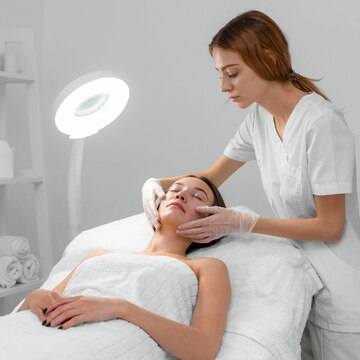
In seeking radiant, youthful-looking skin, aesthetic skin clinics have emerged as veritable sanctuaries. These clinics excel at delivering optimal results, enhancing natural beauty, and boosting self-confidence.
But what is the secret behind their consistent ability to produce stunning aesthetic outcomes? In this blog post, we'll delve into the world of aesthetic skin clinics to uncover the magic behind their success.
Expertise Matters
At the heart of every successful aesthetic skin clinic are highly trained professionals who possess an in-depth understanding of the intricacies of the skin. Dermatologists, nurses, and aestheticians are like skin wizards, armed with the knowledge and expertise to assess each individual's unique needs and provide tailored solutions.
These experts have dedicated years to their education and hands-on experience, allowing them to address common skin concerns and tackle complex issues. Whether it's acne scars, fine lines, pigmentation problems, or aging skin, the expertise of these professionals is the cornerstone of successful treatments.
Cutting-Edge Technology
Skin clinics invest in the latest technological advancements to stay ahead in aesthetics. From state-of-the-art laser treatments to minimally invasive procedures, these clinics have cutting-edge equipment that ensures the highest safety and precision.
One such innovation is the use of lasers in skin rejuvenation. Laser technology has evolved significantly in recent years, making it possible to treat many skin issues with minimal downtime and discomfort.
Personalized Treatment Plans
A fundamental principle that sets aesthetic skin clinics apart is their belief in personalized care. They recognize that one size does not fit all regarding skincare. Therefore, they consider numerous factors like skin type, age, lifestyle, and specific concerns to create a customized roadmap to optimal results.
The process begins with a thorough consultation, during which the clinician evaluates the patient's skin condition and listens to their goals and concerns. This dialogue forms the foundation of the treatment plan, ensuring that it is tailored to the patient's unique needs.
A Holistic Approach
Skin health isn't just about external treatments but overall wellness. Many aesthetic skin clinics adopt a holistic approach, emphasizing the importance of a healthy lifestyle, proper nutrition, and medical-grade skincare products. They believe that a holistic approach enhances the results of treatments and promotes long-term skin health.
This means that patients are educated on in-clinic procedures and the importance of a consistent at-home skincare regimen. These regimens often include medical-grade products that contain active ingredients like retinoids, antioxidants, and growth factors. Such products can complement in-office treatments and maintain the achieved results.
Continuous Learning
The field of aesthetics is dynamic, with new treatments and technologies emerging regularly. Aesthetic skin clinics understand the importance of keeping up with the latest trends and techniques. Clinicians often undergo additional training and certifications to ensure that their patients receive the best care possible.
This dedication to continuous learning ensures skin clinics can offer their patients the most effective and safest treatments. It also reflects their commitment to excellence and staying at the forefront of the industry.
Transparency And Education
Aesthetic skin clinics are committed to educating their patients. They provide clear and transparent information about treatment options, expected results, potential risks, and costs. This transparency allows patients to make informed decisions about their skincare journey.
Patients are encouraged to ask questions and seek clarification about their treatment plan. This open and educational approach fosters trust and empowers patients to participate in skincare decisions actively.
Patient-Centered Care
The most crucial aspect of delivering optimal results is patient-centered care. Aesthetic skin clinics prioritize their patient's needs and concerns above all else. They listen actively, address questions and concerns, and create a comfortable and supportive environment.
This personalized care extends beyond the treatment room. It includes post-treatment care and follow-up appointments to monitor progress and ensure that the patient is satisfied with the results. This commitment to patient-centered care fosters trust and ensures patients are actively involved in their treatment journey.
Stunning Results
With all these elements in place, the results speak for themselves. Patients leave aesthetic skin clinics looking beautiful and feeling more confident and empowered. The transformation is not just skin deep; it boosts one's self-esteem and overall well-being.
The beauty of aesthetic skin clinics lies in their ability to provide results beyond the physical. They help patients regain self-assurance and feel more comfortable in their skin. Whether addressing age-related concerns, skin imperfections, or simply enhancing one's natural beauty, aesthetic skin clinics deliver beautiful dermal and aesthetic outcomes.
Conclusion
Aesthetic skin clinics are aimed to deliver optimal results in the pursuit of beautiful dermal and aesthetic outcomes. Consider visiting a reputable aesthetic skin clinic to enhance your natural beauty and achieve radiant skin. Your journey to beauty and confidence begins there. The magic of these clinics lies in their unwavering dedication to making you look and feel your absolute best.
Ankita Tripathy loves to write about food and the Hallyu Wave in particular. During her free time, she enjoys looking at the sky or reading books while sipping a cup of hot coffee. Her favourite niches are food, music, lifestyle, travel, and Korean Pop music and drama.
Winnipeg, the vibrant heart of Canada's Manitoba province, is a city woven with diverse cultures, historical significance, and a youthful vibrancy.
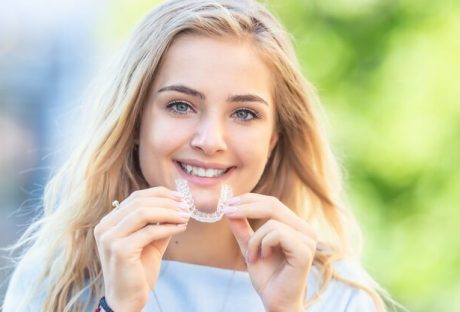
This bustling prairie city, home to the iconic intersection at Portage and Main, boasts sprawling urban parks and a community keen on embracing innovation. Among these trends is the rising preference for Invisalign Winnipeg, a clear aligner system that is gaining popularity, particularly among the teenage population.
The Appeal of Aesthetics
For teens in Winnipeg who live in a city that celebrates events like the Festival du Voyageur and the Winnipeg Folk Festival, maintaining a presentable image is often part of the social fabric. Clear aligners offer a discreet way to improve dental alignment without the visual impact of metal braces. These virtually invisible trays enable teens to smile confidently while attending school events, proms, and casual get-togethers.
Comfort and Convenience Factors
Another crucial aspect of clear aligners that resonates with this age group is the comfort and convenience they provide. The custom-fitted trays are designed to snugly cover the teeth without the discomfort of brackets and wires associated with traditional braces. This is particularly beneficial in a city known for its love of hearty foods and active lifestyles. Teens can easily remove their aligners to enjoy a plate of Winnipeg's famous pierogies or a social barbeque at The Forks without hassle.
Oral Health Benefits
When it comes to good oral hygiene, clear aligners simplify the process. The ability to remove the aligners allows for thorough cleaning of the teeth, leading to better overall oral health. This is an attractive feature for Winnipeg's health-conscious families who understand the importance of a solid dental care routine amidst their busy lives filled with schoolwork and extracurricular activities.
Tailored to Teen Lifestyles
Aligner treatment plans are tailored to individual needs, making them a suitable option for the varied lifestyles of Winnipeg's teens. Whether they are aspiring performers at the Royal Manitoba Theatre Centre or athletes on the hockey rink, clear aligners don't impose significant lifestyle restrictions. This customization and flexibility are aligned with the city's spirit of personal freedom and individual expression.
The Role of Technology in Adoption
The city's engagement with technological advancement also plays a role in the popularity of aligners. With the availability of Invisalign in Winnipeg, orthodontists provide a cutting-edge, digitally-driven approach to teeth straightening. This resonates deeply with a generation that is not only tech-savvy but also values precision and customization in their dental care solutions.
Social Perception and Peer Influence
Social perception plays a significant role in a teen's choice of clear aligners. In the social dynamics of high school, where peer influence is paramount, the discreet nature of clear aligners means teens can avoid the 'brace face' stigma and feel more comfortable in their social circles.
Supportive Dental Communities
Winnipeg's dental community is known for its supportive and informative approach. Dentists and orthodontists in the city are at the forefront of educating families about the benefits of clear aligners, contributing to their popularity. Regular seminars and school programs help demystify orthodontic options and reinforce the advantages of newer, less invasive methods.
Long-Term Investment and Future Smiles
Finally, Winnipeg families view clear aligners as a long-term investment in their teens' future. A straight, healthy smile can have significant psychological benefits, influencing confidence and social interactions. As Winnipeg teens look forward to future careers, be it in the local industries or beyond, they and their parents consider the boost in self-esteem and the positive impact of a winning smile on their prospects.
Know Some Important Things While Getting The Clear Aligners?
There is no doubt about the fact that the clear aligners make an increment in the overall aesthetics. They are in high demand, which is why people, mainly youngsters, prefer them.
1. Speed Might Get Impaired For Some Days
Most people experience trouble pronouncing certain words when initiating their clear aligners journey. It's, therefore, quite normal to possess the lisp during the period of adjustment. The best way to get past it is to slow down when talking. It is the best way out.
2. People Won’t See The Device
When you use a clear aligner, others can't gauge if or not an individual is wearing the clear aligner. It is the best way to keep yourself safe. People won’t be able to view the devices.
3. The Care Users Must Take Them Out For Meals
Taking out the clear braces while surrounded by friends at the lunch counter is indeed the best idea. The care users need to look out for a bathroom or some other private area where they can easily remove the device and insert it after meals. The patients must avoid eating with the clear braces at all costs.
4. The Clear Braces Are Indeed More Popular
Many people wear clear braces globally. But it is indeed hard since it is almost impossible to see them. The metal braces are indeed more popular compared to what you think they are. Therefore, if you are looking anxious and are wondering about whether or not to wear the braces, do not worry, as hundreds of people use them worldwide.
5. The Patients Must Wash Their Meals
If you are thinking of using them, you must unquestionably wear them after every meal.
6. The Treatments Are Likely To Take A Longer Time
Digital imaging makes it nearly impossible for dentists to make accurate projections on teeth, wearing clear braces for a particular amount of time. However, you can not hurry as this treatment methodology takes a substantial amount of time.
Conclusion
In conclusion, the popularity of clear aligners among Winnipeg's youth can be attributed to aesthetic preference, functionality, technological integration, and social factors. Aligners align with the city's identity – innovative, youth-oriented, and community-driven.
As Winnipeg continues to grow and embrace new technologies, clear aligners will likely remain a preferred choice for teen orthodontic care, supporting the next generation in achieving not just aligned teeth but also aligned goals for health and success.
Read Also:
Choosing The Best Dental Care In Gramercy
Best Paying Jobs In Medical/Dental Instruments
How Many Jobs Are Available In Medical/Dental Instruments?
Is Delta 10 the new revolution in cannabis products?
If you have been exploring online, you must have encountered these products floating around. These are among the most sought-after cannabis products in the market due to their distinctive characteristics. As more states legalize it for various uses, more people are looking to buy delta 10 flower for sale as an alternative to traditional forms of marijuana.
This product is becoming popular among many users with its purported more potent effects and smoother taste. In this blog post, we will look at the advantages of buying Delta 10 from the store sale versus other alternatives available today so you can make an informed decision when purchasing cannabis products.
Here Are Seven Reasons Why It Is A Good Idea To Buy Delta 10 Flowers On Sale:
1. High potency:
When buying Delta 10 flowers, looking for high potency is essential to maximize your experience. Fortunately, you can find just that when shopping for the sale. High power is crucial, allowing for a more potent and noticeable effect. That said, it is essential to note that potency levels can vary from product to product.
Thus, finding a trusted and reliable source can ensure quality and consistency. Whether you're a seasoned consumer or a newbie, purchasing these from the sale can guarantee a satisfying experience. So take advantage of the incredible deals and treat yourself to a high-quality product.
2. Unique effects:
Delta 10 flowers have been making waves in the cannabis industry for their unique effects, and rightfully so. They boast a well-rounded cannabinoid profile that offers a smoother experience than other strains. Delta 10 THC is regarded as an option over Delta 9 THC and is gaining popularity amongst users looking to experience a balanced high.
Buying these from a sale is an excellent idea because it lets you get your hands on these sought-after buds at a discounted price. With its complex cannabinoid profile, it is an intriguing strain worth trying if you want something new to add to your collection.
3. Versatility:
These are incredibly versatile, making them an excellent investment for anyone in the cannabis industry. These buds offer a well-rounded experience that can be enjoyed in numerous ways. Whether you prefer smoking, vaping, or even cooking with cannabis, Delta 10 flowers provide an exceptional taste and aroma that work perfectly in any application.
Buying them during a sale is a perfect idea because it saves you money while benefiting from their broad range of uses. From unwinding after a long day at work to getting creative in the kitchen, Delta 10 flowers are an excellent choice for anyone looking for a high-quality cannabis product. However, it is essential to know everything about cannabis before buying it.
4. Flavorful terpenes profile:
If you've been looking for a quality cannabis product, buying Delta 10 flowers from a sale may be the way to go. Its unique and diverse terpenes profile sets it apart from other compounds, lending itself wonderful flavor and aroma. Terpenes are a crucial component of cannabis, producing the distinctive scents and flavors we all know and love.
With Delta 10, you can expect a variety of terpenes that engage your senses, adding an extra level of enjoyment to your experience. Also, it is a relatively new compound on the market, making it an intriguing option. So why take advantage of a sale and explore the fascinating and flavorful world of Delta 10?
5. Consistency:
When it comes to purchasing Delta 10 flowers, consistency is critical. This is why taking advantage of sales and buying in bulk is a great idea, ensuring a steady supply of high-quality buds. Maintaining consistency in the potency and effects of these products is crucial for those seeking a reliable and enjoyable experience.
The flowers should be well-grown, properly cured, and free from contaminants. By purchasing during a sale, you can feel confident in the quality of your Delta 10 flowers at a price that won't break the bank.
6. Quality relaxation:
If you’re looking for a relaxing experience, Delta 10 flowers may be just what you need. These flowers are becoming increasingly popular due to their unique effects on the body. It is a form of THC found naturally in cannabis plants.
It might provide a gentle potent experience and deliver a sense of relaxation and calmness that users search for in their cannabis products. By purchasing these on sale, you can enjoy the benefits of this strain without breaking the bank. So why not indulge in some quality relaxation and give Delta 10 Flowers a try?
7. Price:
They have recently become popular with cannabis enthusiasts due to their ability to provide a unique experience. While their rising demand may have led to higher prices in certain places, the current sale of Delta 10 Flowers offers an opportunity for customers to obtain high-quality cannabis at a much more affordable cost. It is vital to understand the effects of cannabis on the body before purchasing it in bulk.
This sale proves the value of purchasing it and allows individuals to experience its unique effects cost-efficiently. Plus, with numerous strains available, customers can select the perfect one to meet their needs, whether for relaxation or energy. Ultimately, purchasing these in the sale will provide customers with a satisfying and cost-effective experience.
Conclusion:
It is up to you to decide if Delta 10 flowers are worth the purchase. They may offer unique benefits not available in other cannabis compounds, but more research needs to be done on this relatively new cannabinoid. Suppose you’re looking for a potentially safer, low-THC option while adding some kick to your cannabis experience.
In that case, it might be the right choice for you – check with your local dispensary or online store first to see what available products are. And remember, as with all marijuana use, it’s essential to practice safe consumption and follow applicable laws in your area. Do your research and talk with professionals if necessary to make an informed decision that creates a positive experience for yourself or your loved ones.
Read Also:
Things To Consider While Buying CBD Gummies Online
6 Things To Know About Delta 9 THC Before Trying It
Delta 8 Vs Delta 9: What’s The Difference?
Residential treatment centers for youth can be a boon to an afflicted teen and their entire family. Still, before choosing any rehabilitation or treatment option, it’s wise to understand what those options entail.
We’ll give you a thorough breakdown of what residential treatment centers do, how they operate, and why they’re so effective at treating various conditions, from anxiety and stress to drug abuse.
What Is A Residential Treatment Center?
A residential treatment center is a resource used by millions of Americans to help them cope with a variety of concerns. These can vary from the mild, such as higher stress levels, to the extreme, such as disorders, cognitive issues, or substance abuse. The goal of a residential treatment center is to create a healthy environment for the patient that allows them to focus on their own recovery, often blending a retreat-style getaway with therapy and personalized care.
What Services Do Residential Treatment Centers Provide?
Residential treatment centers offer a variety of services, including:
Therapy
Therapeutic treatment is at the heart of every residential treatment center. With licensed mental health experts and experts in various conditions that may affect a patient, residential treatment centers offer a combination of individual and group therapy approaches depending on the issues that the patient presents.
Approaches differ by treatment center, but the goal is to help the individual recognize the validity of their feelings, express those feelings in a safe space, and, over time, learn to cope with their emotions, impulses, or addictions. Treatment options vary greatly, some proving more effective at treating specific types of disorders, conditions, or predispositions:
Talk therapy – Often used with teens, talk therapy is a common approach wherein an individual can talk with a licensed mental health professional about anything and everything, walking through life experiences to process them effectively.
Group therapy – Individuals in a treatment center often participate in group therapy, which allows treatment center members to share their experiences, their struggles, and their growth. Knowing they’re not alone greatly benefits many who are struggling, and having someone with the same difficulties cheering them on creates an environment of positivity.
Alternative therapy treatments – From specialized treatments such as psychodynamic therapy to dialectical behavioral therapy, different schools of thought in therapeutic treatments can lead to different outcomes. Depending on the patient’s condition, a specialized type of therapy may be necessary or helpful.
Activity-based treatment – Research suggests that structured physical activity is beneficial in residential treatment centers. Some level of activity fosters overall wellness and may contribute to a better sense of well-being. These may include art therapy, yoga therapy, acupuncture, or massages.
Animal-assisted therapy – Lastly, animal-assisted therapy uses animals like dogs and horses, for which the center patients may care. These approaches reduce anxiety and can instill responsibility. Animal-assisted therapy is particularly helpful for patients with mental health disorders.
Retreat-Style Care
One of the underlying principles of a treatment center is the retreat style. In essence, it’s supposed to be a relaxing and calming environment that lets troubled individuals take their minds off the stressors of everyday life for a little while. In doing so, they can concentrate on the therapy provided, develop a sense of personal wellness, and, if applicable, dissociate themselves from harmful stimuli that could exacerbate their condition.
Such reasoning is particularly relevant for patients who are struggling with substance abuse. By living in a drug-free environment for a while, patients can learn to cope, recognize the way that substances affect their bodies, and restore their condition to a dependency-free state.
The goal of ‘retreating’ is to return to everyday life feeling rejuvenated, strengthened, and capable. From the distance of a retreat, individuals can focus on their own mental health needs without unhelpful outside input and identify circumstances or relationships that are contributing to their success. The increased focus on interpersonal issues in a private space allows the therapeutic method to be truly effective and long-lasting.
A Strong Support Network
Throughout the process, treatment centers provide a powerful network of providers that can help individuals with their needs. Often, people experiencing mental health concerns, cognitive development issues, or addictive/compulsive behavior feel incredibly isolated from their community, friends, and family.
A great benefit of residential treatment centers is that patients have constant support from medical professionals who offer both physical and mental health checks throughout the process. A strong support network places patients in a position to receive the best care they can during their stay, allowing them to return to their everyday life with a better toolkit for coping with their emotions, denying their compulsions, and reframing their thought patterns.
This support network also manifests through discipline; residential treatment center patients often stick to a tight schedule of brief yet intensive therapy. No illegal drugs or harmful behavior are allowed, giving residents the best start to kick unhealthy habits and start the recovery process through treatment.
Continued Support
Recovery doesn’t happen overnight; many patients need continued support as they transition back into regular living. Even after patients leave the residential treatment center, they often have the opportunity to keep in touch with their therapist and report their progress.
Doing so helps transition the teaching at the center to the real world since, in many cases, mental health issues and the temptation of substance abuse don’t just vanish at the retreat. It takes continued effort on the part of the individual to ward off those negative emotions or harmful tendencies, which is much easier with the ongoing support of a therapist.
The Bottom Line
From intensive, specialized therapeutic treatment to a strong support network of care providers, residential treatment offers a range of helpful services that give residents the best chance at recovery. It’s the best of both worlds.
People benefit from residential treatment centers by stepping away from their ordinary lives to focus clearly on recovery. The healing process can be complex and laborious, but a residential treatment center can significantly improve an individual’s quality of life through evidence-based therapy to help them experience long-term success.
Read Also:
B.Sc. Agriculture- An emerging career option in India
Finding Your Dream Career: 5 Useful Tips for you to Research about a Company Before You Apply
Tips to Explain with Your Web Designer for Starting the Job