In a world where there is an endless variety of yummy, unhealthy, and fatty foods, finding something healthy to eat to stay fit can be very challenging. For you, in daily life, there is so much temptation to resist. To stay healthy and in shape, you need to stop binging on the cookie in your pantry, quit getting a quick snack from the fast-food chain's drive-thru, and resisting the urge to have a tiny bite of the cake in your fridge.
This temptation happens when you just can't make enough time to cook a healthy meal for yourself. But don't worry, we have the perfect solution for you! Your blender can save your time by providing you with some healthy smoothies and soups that will replace your unhealthy and fatty meals.
Yes, you read that correctly. The best meal replacement shakes and soups contain all the nutrients and calories in a specific quantity needed by your body. There are many drinks, bars, and soups at stores considered as a substitute for a substantial meal taken two or three times per day. These drinks help you lose weight faster. How? When you replace your full meal with a glass of a shake, you intend to take in fewer calories but more nutrients, protein, minerals, and other critical healthful substances. Protein shakes also reduces the hunger cravings that result in unhealthy eating.
Best Meal replacement drinks are easy to make, and due to fewer calories, balanced carbs, proteins, and fats, they stabilize your blood sugar levels. You may be eating your perfect meal on time but can yet be lacking calcium, potassium, iron, and vitamins. Hence, taking the protein bars and shakes will help you to meet the daily requirement of essential vitamins and minerals for your body.
Most people ask if the replacements shakes or bars are healthy and safe to take in or not. As far as the product contains no harmful ingredient, it is safe to consume. There are several ways to lose weight through the best meal replacement products.
Following are the seven best meal replacement ideas for achieving a healthy weight loss:
1. Protein Bars
In the modern world, every other person is following some type of diet to lose weight. To aid the weight loss process, people supplement their regular meals with different low-calorie food items. For example, Protein bars have now become one of the most popular meal replacement choices. They are also known as nutritional bars and tend to contain a high amount of protein and healthy carbs. They carry five to ten grams of fat, fiber, and 25 to 30 grams of carbohydrates.
Protein bars help to fulfill different purposes of a human body. Some people intend to replace meals by protein bars to switch a variety of nutrients in a meal. Moreover, you have to eat protein bars in moderation between the meals to reduce weight. Overindulging in protein bars may lead to constipation and will slow down your weight loss.
When weight loss becomes your primary concern, you then know what products to take inside of your body. Protein can affect your metabolism and body weight. It reduces the level of ghrelin, also known as the hunger hormone in your body. Hence, choosing the right protein bar with optimal nutritional value and low sugar content will help you to lose weight.
2. Protein Shakes
Replacing your meal with a healthy shake is the quickest and convenient way to lose weight. When you are using the best meal replacement shake, you should acknowledge the amount of protein, carbs, fiber, calories, and other essential, healthy supplements you're taking in. Protein shakes provide at least one-third of your daily intake to make you stay healthier.
Not all shakes have healthy ingredients. Shakes that contain artificial flavors or preservatives are not the ones for your body if your goal is to lose weight. Protein shakes that contain more protein helps in better and faster weight loss.
In favor of losing weight, protein shake must contain 15-25 grams of protein, 10-15 healthy fat, and 18 vitamins and minerals. Getting enough of these nutrients can boost up your metabolism and help in losing extra fat.
3. Low-Calorie Soups
Meal replacements soups are high in protein and less in carbs/fats. Replacing your at least two meals with diet soups can reduce your overall calorie intake.
Not all soups you see are for the same purpose. Some contain vegetable oil and sugar in high amounts. Healthy vegetable-based soup can help in reducing the calories gained during the meal.
You can also add a source of protein to your soup, which by controlling your appetite, aids in weight loss. Sources of protein in your soup can be skinless chicken breast and beans that are low in fat.
4. Salads
Not all salads help you to lose weight. Most of the salads do contain more fats and calories than others. Replacing your meal is a common way to lose weight by most of the dieters. A high-calorie meal, when a healthy salad replaces it, washes away all the unwanted calories from the body.
Green leaves are the best friends of dieters. Using a diet-friendly salad can help you lose weight in no time. Beans can also be added to the salad as they are high in protein and fiber. Choose healthy fats for your salad, such as avocado, olives, almonds, pine nuts, and sunflower seeds are few sources of fat for your salad.
5. Oats
Who isn't familiar with oats? Oats contain several nutritional benefits. For people on a diet, oatmeal is the favorite breakfast to have. The oatmeal diet is usually for the winter season. They provide enough fiber to the human body to lose weight.
Replacing your meal with oatmeal can be beneficial to your health as just one-half cup of oats contains two grams of fiber, 3 grams of protein, and guess what? Zero grams of sugar. They are also a great source of calcium and iron and are low in calories and fat. It makes you feel full longer than other foods as it helps to boost your metabolism.
6. Smoothies
Smoothies are a great way to lose weight when you are in a rush. Meal replacement smoothies are a healthier alternative that contains 200-300 calories and helps reduce calorie intake.
Not just any smoothies, but you should select the one that is rich in protein for meal replacement. Two smoothies a day can be enough for you to get several protein and nutrients needed by the body. Make sure the smoothie you are taking in is lower in calories. Smoothies that focus on fruits, vegetables, and protein with healthy fats are essential and a great source of losing weight.
7. Granola Bars
When it's about diet and meal replacement, people immediately switch to eating breakfast bars and granola bars instead of taking proper meals. There are several other bars apart from protein bars, such as granola bars. You can eat granola bars or any other healthier breakfast bars in the morning. Your breakfast bars should contain at least 5 grams of protein and 35% of calories. Some healthy bars to consider are Clif bars, Odwalla bars, Luna bars, and crunchy Granola bars.
Conclusion
The best Meal replacement products, when taken in moderation, can help you reduce weight in no time. On the other hand, you should remember that not all shakes, drinks, bars, or salads are healthy for you. You should be very careful and selective of what you eat since a high amount of sugar and carbs can slow down your weight loss.
Read Also:
Content Rally wrapped around an online publication where you can publish your own intellectuals. It is a publishing platform designed to make great stories by content creators. This is your era, your place to be online. So come forward share your views, thoughts and ideas via Content Rally.
Alzheimer's disease, a progressive neurodegenerative disorder, is notorious for its impact on memory and cognitive functions. As the population ages, the prevalence of Alzheimer's is expected to rise, making its early detection and treatment increasingly important.
This article delves into the critical benefits of early intervention in Alzheimer's disease, emphasizing how early diagnosis and management can significantly improve the quality of life for those affected and their caregivers.
Early Detection: A Pathway to Better Outcomes
Early detection of Alzheimer's disease is pivotal for several reasons. Firstly, it allows for a more accurate diagnosis, distinguishing Alzheimer's from other forms of dementia and conditions with similar symptoms. Timely diagnosis is crucial for planning and managing the disease effectively. The Alzheimer's Association, alzinfo.org, offers comprehensive resources and support to individuals and families navigating an Alzheimer's diagnosis, emphasizing the importance of early detection.
Furthermore, early detection opens the door to treatment options that can slow the progression of the disease. While there is currently no cure for Alzheimer's, certain medications and therapies are more effective when administered early in the disease's course. These treatments can help manage symptoms, improve quality of life, and prolong independence.
The Role of Lifestyle and Support Systems
Upon early detection, individuals can also make lifestyle changes that may help slow the progression of Alzheimer's. Regular physical activity, a healthy diet, cognitive stimulation, and social engagement have been shown to have positive effects on brain health. Early intervention allows individuals more time to adopt these beneficial habits.
Moreover, early diagnosis provides an opportunity for patients and their families to build robust support systems. This includes connecting with healthcare professionals, joining support groups, and planning for future care needs. Early involvement in such networks can greatly reduce the emotional and financial strain often associated with later stages of the disease.
Advancements in Research and Treatment Options
The early detection of Alzheimer's is also crucial for research. Participants in the early stages of the disease are invaluable for clinical trials, helping scientists to understand the disease better and develop new treatments. This research not only benefits current patients but also has the potential to impact future generations.
In addition, early diagnosis allows healthcare providers to prescribe the most up-to-date treatments. As research progresses, new medications and therapies become available, offering hope and improved outcomes for those diagnosed in the early stages of Alzheimer's.
Planning for the Future with Early Detection
An early diagnosis of Alzheimer's disease enables individuals and their families to plan for the future. This includes legal and financial planning, discussing care preferences, and making arrangements for long-term care if needed. These preparations can be less overwhelming when done early, providing peace of mind for everyone involved.
This planning also allows for more meaningful engagement with loved ones. With an early diagnosis, families have more time to create lasting memories, communicate openly about the illness, and cherish their time together.
Embracing a Life with Dignity
Ultimately, the early detection and treatment of Alzheimer's disease are about preserving dignity and quality of life. With early intervention, individuals can maintain their independence for longer and engage in activities that bring them joy and fulfillment. It also provides a valuable opportunity for loved ones to understand the disease better and learn how to provide the most effective support.
In conclusion, the benefits of early detection and treatment of Alzheimer's disease cannot be overstated. It paves the way for better management of symptoms, slows disease progression, and allows for more meaningful engagement in life's activities. As we continue to understand Alzheimer's better, the importance of early intervention becomes ever clearer. It offers a beacon of hope, guiding patients and their families toward a path of empowerment and resilience in the face of this challenging disease.
Read Also:
Senior Friendly Exercise Routines: An Ultimate Guide To Enhance Quality Of Life
Discover The Transformative Power Of Treadmill Ownership: Beyond Exercise
Sunshine And Games: 5 Outdoor Activities For Family Fun
Introduction mes CBD (cannabidiol) has quickly become one of the hottest trends in wellness today. From tinctures and gummies to creams and capsules, its products have taken off, but what's behind all this buzz? In this article, we'll delve deep into CBD's science as we examine its therapeutic potential across a spectrum of health conditions. Let's embark on this adventure together as we uncover its rise to fame!
What Is CBD?
Before we dive deeper into its scientific components, let's start with the basics of what CBD is. CBD (cannabidiol) is a naturally occurring component found in cannabis plants; unlike its more renowned cousin THC (tetrahydrocannabinol), however, CBD doesn't cause intoxication as THC does and instead can provide potential health benefits without altering one's state of mind. CBD is available in various forms, with CBD edibles being a popular choice for those looking for a tasty and discreet way to incorporate it into their daily routine. These edibles come in the form of gummies, chocolates, and more, making it easy to enjoy the potential benefits of CBD without any psychoactive effects. If you want to explore a wide range of CBD edibles, you can check out the best options available at cbdamericanshaman.com.
The Endocannabinoid System (ECS)
To understand how CBD works its magic, we must become acquainted with our body's endocannabinoid system (ECS). This complex network exists within each human and plays an essential role in regulating various physiological functions; think of it as your body's command center, constantly working toward maintaining balance and harmony.
The Endocannabinoid System, or ECS, consists of three primary components: endocannabinoids produced naturally by your body; receptors; and enzymes. When something in your body goes out of balance, your ECS responds immediately - for instance if you're stressed your body produces more endocannabinoids to help relax; when an injury has occurred it works to reduce inflammation and promote healing through ECS stimulation.
Mechanism Of Action From CBD
At its core, CBD interacts with the endocannabinoid system by engaging its receptors: CB1 and CB2. Like having backstage passes to this intricate concert of biochemical reactions! But what goes on behind the scenes?
CBD's ability to modulate neurotransmitters and signaling pathways gives it immense therapeutic potential, potentially altering how our body communicates internally and creating profound physical impacts, including therapeutic outcomes for various processes within our bodies.
Potential Health Benefits
What exactly are these purported health benefits we keep hearing about? Well, scientific researchers have been hard at work researching CBD's capabilities. Here are a few areas in which it shows promise:
Chronic Pain Management: Living with chronic pain can be debilitating, but CBD may offer relief by engaging pain receptors and reducing inflammation. One study discovered that CBD significantly decreased pain while improving sleep in individuals suffering from chronic conditions.
Anxiety and Depression: With modern life's stressors at play, CBD's potential to alleviate anxiety and depression symptoms is particularly impressive. Multiple studies suggest it could have both anxiolytic (anxiety-reducing) and antidepressant properties similar to prescription medications by stimulating serotonin receptors in the brain and providing anti-stress benefits.
Epilepsy and Seizures: Some forms of epilepsy in children have shown great promise with treatment using CBD oil, including reduced seizure frequency. Indeed, the FDA approved Epidiolex to treat certain rare forms of epilepsy.
Inflammation and Autoimmune Disorders: CBD's anti-inflammatory properties hold great promise in treating arthritis and autoimmune diseases. Recent research indicates that CBD can suppress the immune system's response to inflammation, potentially decreasing tissue damage.
Sleep Disorders: For those experiencing difficulty sleeping, CBD could offer a natural solution by helping relax muscles and improving overall sleep quality. Studies have demonstrated this property of CBD can both increase total sleep time as well as enhance its quality.
Note that CBD research remains promising, yet is not a one-size-fits-all solution. Individual results will depend on various factors and therefore it's wise to consult with healthcare providers before including it in your wellness regime.
Safety And Side Effects
Of course, safety should always be of primary concern when purchasing wellness products. Thankfully, CBD has an impressive safety profile. Any adverse side effects are typically mild and infrequent, including dry mouth, diarrhea, and fluctuations in appetite or weight changes.
Legal And Regulatory Considerations
Before heading out to purchase CBD goodies from your nearest store, it's crucial to understand the legal and regulatory landscape. Legality varies by region; therefore it's vitally important that you become informed of your local rules regarding this substance. In the US for instance, CBD from hemp with less than 0.3% THC content is federally legal while state laws may differ accordingly.
Future Research And Conclusion
As CBD research progresses, so too does its potential. There's still much to discover about this compound and ongoing studies are investigating new avenues. CBD provides hope to those searching for natural ways to enhance their well-being.
At its core, CBD science is an engaging field with immense promise for multiple health conditions. While not a miracle cure, its potential therapeutic effects have been supported by scientific research. As you embark on your wellness journey, consult with healthcare professionals, select high-quality products, and approach CBD with an open mind - it may provide relief from chronic pain, and anxiety or improve sleep - making CBD an invaluable addition to your arsenal of well-being tools - it all starts by understanding its science, being informed and finding what works for you!
Read Also:
How Does CBD Affect Your Drug Tests?
How CBD Oil Capsules Are Changing People’s Lives
What is Cannabis Oil and how does CBD Oil Work?
The COVID-19 pandemic has made us more cognizant of our mortality. Many people are starting to become more aware of the importance of healthy living. Smoking are responsible for up to 90% of all lung cancer diagnoses, as well as many other types of cancer.
One of the most important steps towards a healthier lifestyle is identifying and breaking self-destructive habits. You almost certainly have at least one bad habit that is threatening your health and well-being. Your quality of life and life expectancy will drastically improve if you take the correct action.
Here are some highly unhealthy habits that you should avoid at all costs.
Smoking Tobacco
Cigarettes are probably the least healthy mainstream habit in the United States. They are responsible for more preventable deaths than anything else. Although the prevalence of smoking has dropped drastically since the 1970s, 480,000 people still die of cigarette use every year. Cigarettes are responsible for up to 90% of all lung cancer diagnoses, as well as many other types of cancer.
In addition to causing premature deaths, cigarettes also hurt your quality of life in numerous ways. They cause vision problems, depression, anxiety, impaired lung function, and many other serious issues.
If you are a regular smoker, your number one priority should be to quit. This is the single biggest change in your life that will benefit your health. You can try using tobacco free dip to move away from cigarettes.
Consuming Food Late In The Evening
You might be tempted to have late-night snacks. There might be a number of reasons for this. Perhaps you didn’t get enough protein with your dinner. You might have eaten dinner too early in the evening, which leaves you feeling hungry an hour or two before bedtime. You might simply feel like snacking to alleviate anxiety.
Regardless of the reason, eating snacks late at night creates multiple health risks. It is a precursor to weight gain because your body can’t process the food as efficiently as late at night. Late-night snacks also tend to disrupt your sleep patterns. You might have trouble falling asleep at all and struggle to reach deep REM sleep when you finally doze off.
Eating Too Much Meat
Hot dogs, hamburgers, and ham sandwiches are major staples in the western diet. Meat isn’t just tasty. It also is a rich source of protein.
Unfortunately, many people consume meat excessively. You may develop a number of health problems if you eat too much of it, especially red meat.
What health risks can it create? Regular consumption of processed and red meat increases the risk of heart disease, diabetes, and multiple types of cancer. A research team from the Harvard School of Public Health found that eating one serving of processed red meat every day increased the risk of death from cardiovascular disease or cancer by 20%.
You don’t need to become a vegan. However, you should minimize your consumption of meat and reserve red meat for special occasions.
Using Your Smartphone Too Often (Especially In The Evening)
Smartphones are the newest addition that is taking over our lives. Unfortunately, they are so widely accepted that most people refuse to acknowledge the toll that they are taking on our health.
Excessive smartphone use can be debilitating in a number of ways, such as:
People that use smartphones regularly are more likely to suffer from back and neck problems. Every time that you look down to use your mobile device, you are putting around 60 pounds of pressure on your spine.
You have a higher risk of developing vision problems. The light from your smartphone screen can cause long-term damage to your retina. Your eyes might also start to suffer from nearsightedness since you aren’t spending enough time looking out long distances.
Your mobile devices might also disrupt your sleep patterns. If you are using them late at night, then you might be throwing off your circadian rhythms. You will have a harder time falling asleep and get less restorative REM sleep as well.
You can’t be in denial about the problems that your smartphone is causing. You need to use it in moderation to prevent back, neck, and sleep problems.
Read Also:
Good Reasons to Stop Drinking in your 40’s














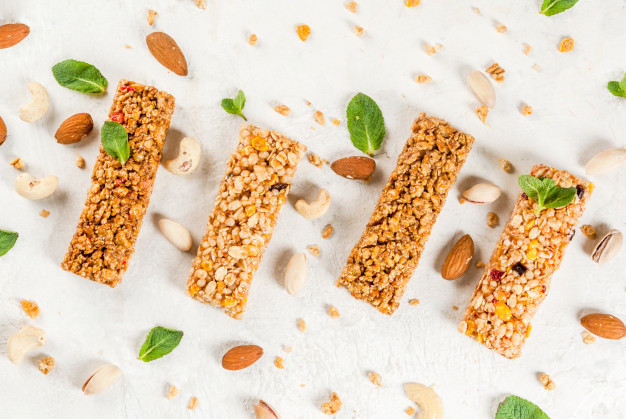 In the modern world, every other person is following some type of diet to lose weight. To aid the weight loss process, people supplement their regular meals with different low-calorie food items. For example, Protein bars have now become one of the most popular meal replacement choices. They are also known as nutritional bars and tend to contain a high amount of protein and healthy carbs. They carry five to ten grams of fat, fiber, and 25 to 30 grams of carbohydrates.
Protein bars help to fulfill different purposes of a human body. Some people intend to replace meals by protein bars to switch a variety of nutrients in a meal. Moreover, you have to eat protein bars in moderation between the meals to reduce weight. Overindulging in protein bars may lead to constipation and will slow down your weight loss.
When weight loss becomes your primary concern, you then know what products to take inside of your body. Protein can affect your metabolism and body weight. It reduces the level of ghrelin, also known as the hunger hormone in your body. Hence, choosing the right protein bar with optimal nutritional value and low sugar content will help you to lose weight.
In the modern world, every other person is following some type of diet to lose weight. To aid the weight loss process, people supplement their regular meals with different low-calorie food items. For example, Protein bars have now become one of the most popular meal replacement choices. They are also known as nutritional bars and tend to contain a high amount of protein and healthy carbs. They carry five to ten grams of fat, fiber, and 25 to 30 grams of carbohydrates.
Protein bars help to fulfill different purposes of a human body. Some people intend to replace meals by protein bars to switch a variety of nutrients in a meal. Moreover, you have to eat protein bars in moderation between the meals to reduce weight. Overindulging in protein bars may lead to constipation and will slow down your weight loss.
When weight loss becomes your primary concern, you then know what products to take inside of your body. Protein can affect your metabolism and body weight. It reduces the level of ghrelin, also known as the hunger hormone in your body. Hence, choosing the right protein bar with optimal nutritional value and low sugar content will help you to lose weight.
 Replacing your meal with a healthy shake is the quickest and convenient way to lose weight. When you are using the best meal replacement shake, you should acknowledge the amount of protein, carbs, fiber, calories, and other essential, healthy supplements you're taking in. Protein shakes provide at least one-third of your daily intake to make you stay healthier.
Not all shakes have healthy ingredients. Shakes that contain artificial flavors or preservatives are not the ones for your body if your goal is to lose weight. Protein shakes that contain more protein helps in better and faster weight loss.
In favor of losing weight, protein shake must contain 15-25 grams of protein, 10-15 healthy fat, and 18 vitamins and minerals. Getting enough of these nutrients can boost up your metabolism and help in losing extra fat.
Replacing your meal with a healthy shake is the quickest and convenient way to lose weight. When you are using the best meal replacement shake, you should acknowledge the amount of protein, carbs, fiber, calories, and other essential, healthy supplements you're taking in. Protein shakes provide at least one-third of your daily intake to make you stay healthier.
Not all shakes have healthy ingredients. Shakes that contain artificial flavors or preservatives are not the ones for your body if your goal is to lose weight. Protein shakes that contain more protein helps in better and faster weight loss.
In favor of losing weight, protein shake must contain 15-25 grams of protein, 10-15 healthy fat, and 18 vitamins and minerals. Getting enough of these nutrients can boost up your metabolism and help in losing extra fat.
 Not all salads help you to lose weight. Most of the salads do contain more fats and calories than others. Replacing your meal is a common way to lose weight by most of the dieters. A high-calorie meal, when a healthy salad replaces it, washes away all the unwanted calories from the body.
Green leaves are the best friends of dieters. Using a diet-friendly salad can help you lose weight in no time. Beans can also be added to the salad as they are high in protein and fiber. Choose healthy fats for your salad, such as avocado, olives, almonds, pine nuts, and sunflower seeds are few sources of fat for your salad.
Not all salads help you to lose weight. Most of the salads do contain more fats and calories than others. Replacing your meal is a common way to lose weight by most of the dieters. A high-calorie meal, when a healthy salad replaces it, washes away all the unwanted calories from the body.
Green leaves are the best friends of dieters. Using a diet-friendly salad can help you lose weight in no time. Beans can also be added to the salad as they are high in protein and fiber. Choose healthy fats for your salad, such as avocado, olives, almonds, pine nuts, and sunflower seeds are few sources of fat for your salad.
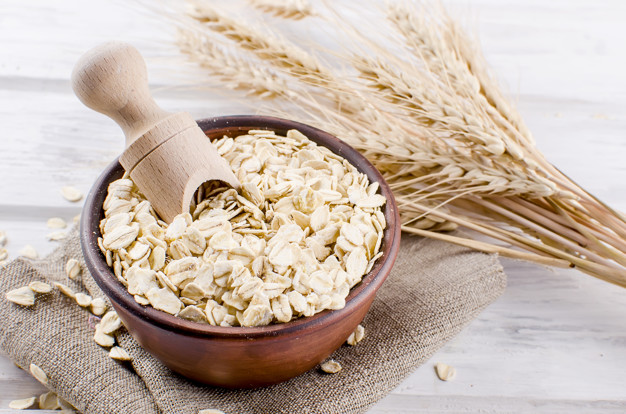 Who isn't familiar with oats? Oats contain several nutritional benefits. For people on a diet, oatmeal is the favorite breakfast to have. The oatmeal diet is usually for the winter season. They provide enough fiber to the human body to lose weight.
Replacing your meal with oatmeal can be beneficial to your health as just one-half cup of oats contains two grams of fiber, 3 grams of protein, and guess what? Zero grams of sugar. They are also a great source of calcium and iron and are low in calories and fat. It makes you feel full longer than other foods as it helps to boost your metabolism.
Who isn't familiar with oats? Oats contain several nutritional benefits. For people on a diet, oatmeal is the favorite breakfast to have. The oatmeal diet is usually for the winter season. They provide enough fiber to the human body to lose weight.
Replacing your meal with oatmeal can be beneficial to your health as just one-half cup of oats contains two grams of fiber, 3 grams of protein, and guess what? Zero grams of sugar. They are also a great source of calcium and iron and are low in calories and fat. It makes you feel full longer than other foods as it helps to boost your metabolism.