












10 Innovative Ways To Use Creative Rubber Stamps In Your DIY Project

Published on: 16 November 2023 Last Updated on: 14 December 2023
Rubber Stamps

The world of DIY crafting is ever-evolving, with creative individuals constantly seeking new ways to add a personal touch to their projects. One versatile tool that often gets overlooked is the rubber stamp.

Rubber stamps have been a staple in the crafting world for generations, providing a simple yet effective way to add intricate designs and personalized touches to various projects. While these stamps are commonly used for scrapbooking and card making, their versatility extends far beyond these traditional applications.

With this and many more other information, let’s get started with this. 

What Are Creative Rubber Stamps? 

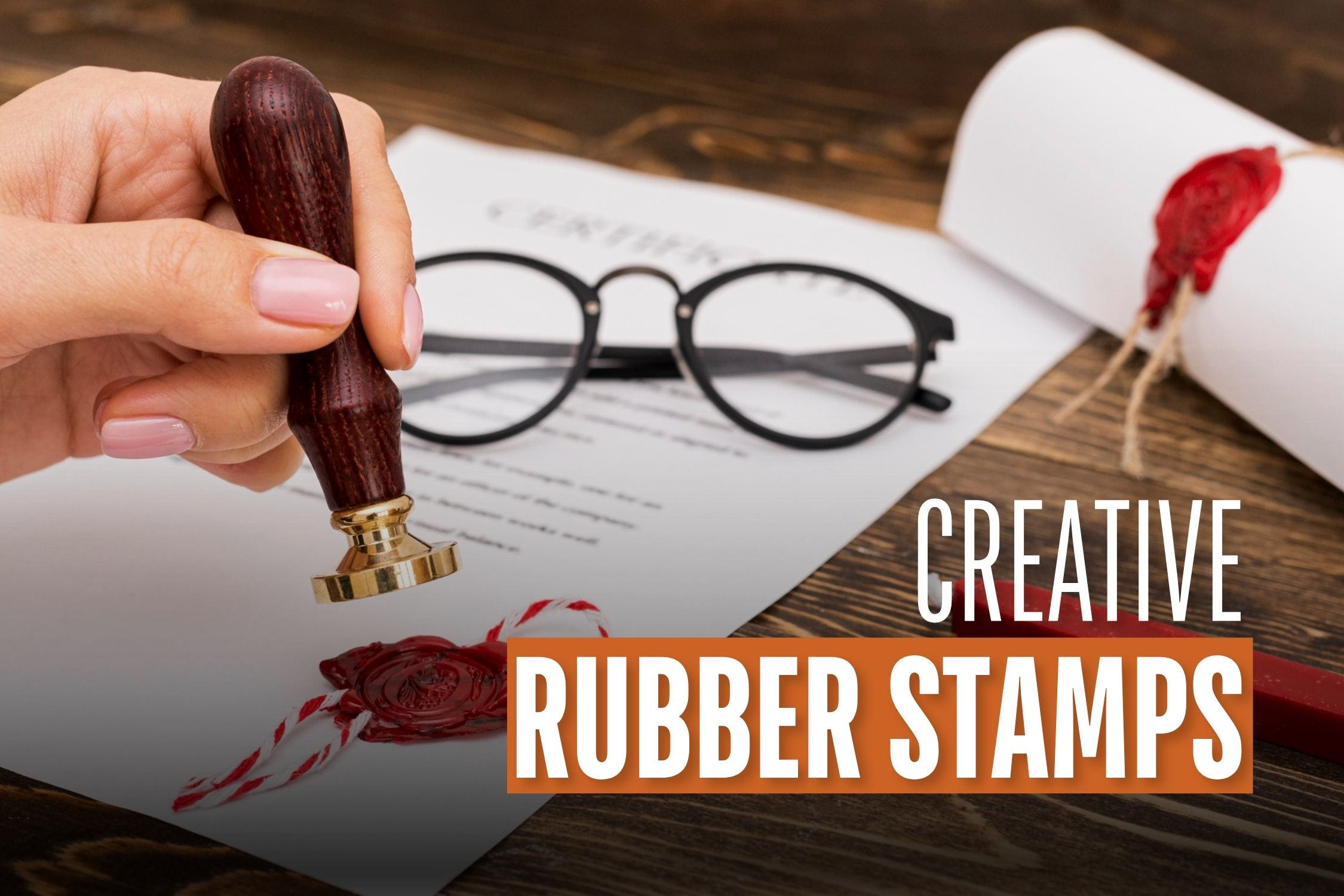
To put simply, rubber stamps refer to a small device having a name, symbol and date on it. One needs to press it tightly on an ink pad and then paste it on the document. Usually, big organizations use stamps for branding purposes, but it has other uses as well. They are not just communication facilitators but also carry relevant messages themselves. 

The design of a stamp varies, and there might be different uses for it, too. In the next section of the article, I have listed down 10 ways in which one can make use of creative rubber stamps. Make your DIY projects look good with these astounding stamps. 

Here Are Ten Prime Ways To Use Creative Rubber Stamps In Your DIY Project

Using rubber stamps for your own purposes varies significantly. While some do it for stationery purposes, others use them for decor uses. This article explores a few innovative ways to use Creative Rubber Stamps in your DIY projects, allowing you to unleash your creativity and add unique flair to your creations.

Use Creative Rubber Stamps

1. Custom Fabric Patterns:

It can be a game-changer for textile enthusiasts. Create custom fabric patterns by stamping them onto plain fabric with fabric ink. Whether making custom clothing, throw pillows, or home decor items, these stamps allow you to add intricate designs that reflect your style. Most custom fabric patterns need something to seal them properly. Thus, rubber stamps are the best solution here. 

2. Personalized Stationery:

Elevate your correspondence with personalized stationery. Use these stamps to add your monogram, a special design, or favorite quotes to notecards, envelopes, and letterhead. Your letters will stand out and leave a lasting impression on recipients. Who can forget to use stamps for personalized stationery items? They are literally the best when you want to make an impression before your peers. 

3. Decorative Wrapping Paper:

Tired of generic store-bought wrapping paper? Make your gifts extra special by creating custom wrapping paper with rubber stamps. Use festive designs for holidays or birthdays, or go for a minimalist look with subtle patterns. Your gifts will look like works of art. Additionally, they serve their true purpose- keeping everything together! So, what else do you need from a single stamp? 

4. DIY Home Decor:

Transform your living space with DIY home decor projects. Stamp intricate designs onto plain canvas to create unique wall art or add decorative accents to lampshades, curtains, or furniture. The potential is boundless, and it’s effortless to align your decor with your style. Moreover, the quest of constantly decorating our abode is completed with these stamps. Nothing else is required! 

5. Personalized Textiles:

Take your customization to the next level by stamping your name or initials on linens, towels, or napkins. It provides a quick and cost-effective way to personalize your home textiles, making your space your own. As already mentioned, custom textiles and fabrics can make the most out of these rubber stamps. You just need to use them in the best way possible. 

6. Garden Markers:

Gardening enthusiasts can use these stamps to create stylish garden markers. Label your plants and herbs with stamped designs on wooden stakes or stones. Not only will it help you keep track of your garden, but it also adds a decorative touch. And don’t worry because they come at affordable prices, too. Search for stamps that will assort your gardens perfectly. 

7. Unique Wedding Invitations:

For couples looking to add a personal touch to their wedding invitations, these stamps offer an elegant solution. Customize your wedding invitations with your initials, wedding date, or a romantic motif. It’s a budget-friendly way to create beautiful, one-of-a-kind invitations. Let your guests remember you for sending out the most assorted invitations!

8. Art Journals and Scrapbooks:

Artists and scrapbookers can take their creativity up a notch with these stamps. Use them to create intricate backgrounds, borders, and embellishments in your art journals or scrapbooks. The stamps add depth and character to your creations, making them unique. Just like it fulfills your stationery needs, stamps literally enhance your scrapbooks and art journals as well. 

9. Handmade Gift Tags:

When giving a thoughtful gift, remember to add a handmade touch with custom gift tags. Stamp designs, names, or special messages on plain tags to make your gifts extra special and memorable.

10. Personalized Clothing:

Whether you aim to breathe new life into a pair of worn-out jeans or infuse personality into a simple t-shirt, these stamps offer a helping hand in achieving a distinctive appearance. Craft your clothing designs by applying fabric ink to your garments through stamping. Feel free to explore various colors and patterns as you express your style.

Conclusion:

Creative Rubber Stamps are a versatile tool that can elevate your DIY projects to new heights. These innovative uses demonstrate the limitless possibilities that these stamps offer. Whether you’re a crafting enthusiast or just looking to add a personal touch to everyday items, consider incorporating these stamps into your creative repertoire.

With a bit of imagination, you can turn the ordinary into something extraordinary, all with the help of these handy tools. So, get stamping and watch your DIY projects come to life in unique and exciting ways.

And it’s a wrap on this comprehensive guide! I hope it imparted you valuable insights and you could find the best stamp for you. Also, don’t forget to comment below and share your thoughts into this. 

Read Also:
Ankita Tripathy loves to write about food and the Hallyu Wave in particular. During her free time, she enjoys looking at the sky or reading books while sipping a cup of hot coffee. Her favourite niches are food, music, lifestyle, travel, and Korean Pop music and drama.

View all posts

Leave a Reply

Your email address will not be published. Required fields are marked *

Related

artwork painting

How To Know If An Artwork Is Oil Or Acrylic Painting

Strolling through the expansive oasis of those art avenues feels like heaven to every art dearie where some of the Artwork of the chosen artists provide company. Those rich colors and beautiful shades make you imagine sweeping stories. However, there are times when you are observing various art pieces that all look splendid yet something is different about them. In recent years, the art industry is experiencing a profound evolution. While digital artworks have continued to rise in stature, the introduction of NFTs in the industry has given a much-needed boost. The introduction of technology, crypto, and digital mediums has made the art interesting a far more exciting and interesting ecosystem. Platforms like https://botto.com have come up that allow you to buy digital artwork in the form of NFTs. This happens when we come across artworks that are created using different paints like oil and acrylic. While many connoisseurs advocate oil-based paintings, there are aficionados who go all gaga about acrylic paintings. We understand that it’s a Herculean task to make out whether an artwork is created using oil or acrylic paints. So, let us help you out by explaining what oil and acrylic paintings are. Oil Painting Artwork Oil paintings represent the ever-so-liked classic medium of art and are considered to be timeless by many seasoned art collectors. These kinds of paintings are meticulously created by using only oil-based paints and are much loved in the art community.  Despite their gradual color-fading with years, oil paintings have earned a great reputation for their durability and textural depth. Acrylic Painting artwork Think about the modern art form and you cannot ignore the acrylic obsession that excited a coterie of artists. Did you know that acrylic paints are water-based and were formulated way back in the 1880s? You might have missed them because they got the limelight since the 1940s. Newbie artists and even some seasoned ones prefer creating masterpieces using acrylic paints because they dry very quickly and have the ability to produce soft watercolor effects. Now you know the basics of oil painting and even acrylic painting, let us guide you through 5 key differences to categorize if a painting is an oil or acrylic. 1. The Code of Colors Did you know that the clarity and the edges of any painting can make or break it? As it is majorly observed in an acrylic painting, its clarity is simply spot on and the edges are crisp. Moreover, the acrylic paints quickly dry and are more vibrant as well. On the other hand, as a reminiscent of the good old times, oil paintings have blurred edges to evoke a dreamy mood. Also, oil paints take their own sweet time to dry and then smoothly blend with the other colors on the canvas. 2. The Catch of Canvas Do you wish to straight away know if an artwork is an oil or acrylic painting? Then place your bet on the canvas as it spills all the beans. If you find that the paint is directly applied to the fabric of the canvas then it is an acrylic painting because there is no need to prime the canvas in this case. Conversely, for an oil painting, there is a layer of gesso or say white paint that is applied on the canvas before the application of other colors. Hence, an oil painting overall has a thicker looking-feeling canvas than the water-based acrylic paints. 3. The Answerable Age: Ever spotted some yellow or spider-like webs on a painting that you like? More often than not believe that those art pieces were oil paintings. The beauty of age grows on oil paintings and they do tend to develop minute cracks on their surface. However, in the case of acrylic paintings, the cracks are not very prominent. This is mainly because these artworks grant seamlessness to the canvas. 4. The Play of Flimsy Film of Paint: Casually or carefully, the film of a painting reveals many secrets about the beautiful creations. If a painting has a glossy finish and texture then it may be made with oil paints. Artworks with dry look and feel are often swept with the matte finish popularly associated with acrylic paintings. See you got it right even on the go! 5. The Test of Texture: The texture of paints is almost like poetry etched on a blank canvas. In case, you find that the paints are beautifully layered and have an incredible texture, then it is surely an oil painting. The converse is true for acrylic paintings as their finish is dry and mostly very smooth. So, unless some additive is used to give a thicker texture to acrylic paints, it will look stretched and give a rubber-like feel. What to choose? Oil paintings and acrylic paintings are great in their way. Depending upon your sensibilities, you can conclude which one interests you. Some of the greatest artists in the world, like Leonardo da Vinci, Piccaso, Matisse preferred making oil paintings. At the same time, Andy Warhol’s phenomenal pop art shows how acrylic paintings are here to stay as well. Whether you buy oil painting or make a bold choice of preferring acrylic painting, this art guide will assist you in and out to make the most of them! Read also: 6 Important Factors Related to Painting and Decorating How Different Artists Describe Inspiration Fancy Arts from Renowned Artists in Florida Art Galleries

READ MOREDetails
Sculptures

Safe Storage Of Sculptures And Installations

The task of storing sculptures and large-scale installations presents unique challenges, blending the need for space with the intricacies of art preservation. These artworks, often embodying significant cultural and monetary value, require more than just a place to reside; they demand an environment that respects and protects their integrity. This introduction explores the essential considerations when storing such art pieces. From selecting an appropriately sized and climate-controlled unit to understanding the nuances of packing and security, each aspect plays a pivotal role in safeguarding these treasures. The discussion aims to provide artists, collectors, and galleries with practical insights and strategies to ensure their sculptures and installations are preserved in pristine condition, ready to inspire awe and wonder for years to come. The goal is to transform the simple act of storage into a meticulous art preservation endeavor. Choosing the Right Storage Unit Selecting an appropriate storage unit for sculptures and installations is a critical step that goes beyond mere size considerations. The ideal unit must provide a safe, secure, and stable environment tailored to the unique needs of these art forms. Factors such as ceiling height, door width, and floor space must be carefully evaluated to accommodate the dimensions of large-scale artworks.  Moreover, the location of the unit plays a significant role in accessibility and convenience for artists and collectors. For instance, self storage units in Rancho Cucamonga, CA, might offer the perfect balance of climate control, security, and accessibility, crucial for preserving the integrity of delicate installations and sculptures. Additionally, the storage facility should have robust security features, including surveillance and controlled access, to protect valuable artworks from theft or vandalism.  By thoughtfully selecting the right storage unit, artists and collectors can ensure their cherished artworks are preserved in an environment that caters specifically to the demands of fine art storage. Packing Tips for Sculptures Packing sculptures for storage requires a meticulous approach to protect them from damage. The process begins with a thorough cleaning to remove any dust or debris that could scratch the surface over time.  For delicate or intricately detailed pieces, it’s crucial to use soft wrapping materials, like bubble wrap or foam padding, to cover each part of the sculpture. Sturdy, custom-sized crates are ideal for providing structural protection, especially for transportation. Inside the crate, it's important to secure the sculpture firmly to prevent any movement, using cushioning materials to fill gaps. For particularly fragile areas, consider additional padding or custom supports.  Remember, the goal is to immobilize the sculpture as much as possible. When packing large installations, dismantling them into smaller, manageable sections can be effective, provided each piece is individually wrapped and labeled. These careful steps ensure that your sculptures remain in pristine condition, and safeguarded against the risks of storage and transport. Climate Control for Art Preservation Maintaining the right climate is critical for the long-term preservation of sculptures and installations in storage. Here are vital aspects to consider: Stable Temperature: Fluctuations can cause materials to expand and contract, leading to damage. Controlled Humidity: Excess moisture can promote mold growth and material degradation. Air Quality: Clean, filtered air protects against pollutants and dust accumulation. Light Exposure: Limiting light, especially UV rays, helps prevent fading and deterioration. Regular Monitoring: Frequent checks ensure the environment stays within safe parameters. Adhering to these climate control guidelines, as detailed by conservation experts at The Smithsonian's Museum Conservation Institute, is essential for protecting artworks from environmental hazards. A consistent temperature and humidity level, coupled with good air quality and controlled light exposure, can significantly extend the lifespan of delicate sculptures and installations.  Regular monitoring of these conditions is also crucial, allowing for prompt adjustments to maintain an optimal preservation environment. By creating and maintaining such conditions, artists and collectors can ensure their artworks remain in their intended form for future generations to admire. Security for High-Value Installations Securing high-value art installations in storage is as much about protecting their physical integrity as it is about safeguarding their artistic value. Implementing robust security measures is crucial, starting with selecting a storage facility that offers advanced security features such as 24/7 surveillance cameras, motion detectors, and controlled access. It's also advisable to consider individual alarm systems for each storage unit, adding an extra layer of protection.  For artworks like installations, which often capture significant moments or emotions akin to those seen in photography, ensuring their safety is vital for preserving their intended impact and value. Additionally, maintaining a comprehensive insurance policy is essential for financial protection against potential damage or theft. These security measures not only provide peace of mind but also help maintain the integrity and value of the installations, ensuring that they can be returned to the public eye in their original, untouched condition. Accessing Artworks Safely Ensuring safe and convenient access to stored artworks is crucial for artists and collectors. Here are key steps to facilitate this: Clear and Spacious Pathways: Maintain wide aisles for easy maneuvering of large pieces. Organized Layout: Store artworks methodically, with frequently accessed pieces more accessible. Use of Handling Equipment: Employ carts or dollies for safe transport within the unit. These guidelines, as supported by the American Alliance of Museums, emphasize the importance of a well-planned storage layout and the use of appropriate tools for handling artworks. Clear and spacious pathways prevent accidental damage during movement, while an organized layout ensures that artwork can be retrieved without disturbing others.  The use of handling equipment is also crucial in avoiding physical strain and ensuring the safety of both the artwork and the handler. By following these practices, artists and collectors can access their stored artworks safely and efficiently, ensuring their preservation for future display and enjoyment. Ensuring Artwork Longevity The thoughtful storage of sculptures and installations in self-storage units is a testament to the commitment to preserving art's beauty and significance. By carefully selecting the right storage environment, employing precise packing techniques, maintaining optimal climate conditions, ensuring robust security, and facilitating safe access, artists and collectors can significantly prolong the life of their treasured artworks. This holistic approach to art storage not only protects these creations from physical damage but also preserves their cultural and aesthetic value for future generations. Read Also: A Guide To Process Painting And How It Benefits Women’s Mental Health 5 London Modern Art Galleries That Deserve More Attention

READ MOREDetails
Art Of Crafting The Perfect Proposal

Road To Forever: The Art Of Crafting The Perfect Proposal

Asking someone to marry you is one of life's major milestones. It's a special moment that'll last forever and lead to countless memories to come. These days, a proposal isn't just the act of asking someone to be your life partner, though. It has become an entire experience. People have started cherishing smaller moments and living in the present. And in between everything, the journey of you and your loved one begins with a proposal. The art of presenting a ring before your beloved can be a reflection of your personality. With that being the case, crafting the perfect proposal is crucial. Many people find that thought to be pretty intimidating, but with a few simple measures, you can create a proposal that paves the road forever. So, let’s get started with an article that has the right plan to surprise your partner. Get A Ring First of all, if you're going to propose, you need a ring. It's becoming more common for couples to meet with designers to create their own customized wedding sets. To do that, you need to already have a positive answer to the perfect proposal, though. It's important to have a ring in hand to slip onto your partner's finger during the actual proposal experience, even if it's a simple, basic one. You can always upgrade to a more elaborate, one-of-a-kind wedding set later on. Now, you know this particular person very well, which is why you are asking for their consent, right? Buy a ring that sparks their personality a lot. Focus on the cut, stone-colour and other features. If you are perplexed about these, just ask your partner casually what kind of a ring he/she likes and then buy a similar one! Choose The Perfect Location From there, you'll need to choose the perfect location to pop the question. The location creates a certain amount of ambiance and sets the stage for the experience. You could choose a secluded beach, a lovely field of wildflowers, a cliff with a breathtaking view of the world below, or just about any other locale. Ideally, it should be a place that holds special meaning for you and your future partner, even if it's simply one you've both talked about visiting. Some partners also want their dream location to be the exact place where either of them proposed for the first time. Or their first date spot. Since these places hold a special memory in the hearts of both, proposing here would be the most special thing. Your partner will appreciate the thoughtfulness that you will put here, and they would love to hit the spot with you. Plan A Personalized Experience We see so many proposals on TV and in movies. But you do not have to copy everything. This moment is special for two unique individuals. Aside from the ring and the location, consider adding an array of personalized details surrounding the event and create the perfect proposal. You could bring up special memories you've already created together or bring along the first gift your partner ever gave you. Maybe you've saved a napkin from the first meal you ate together. Perhaps you have a picture of a special occasion the two of you shared. Bringing along mementos of your relationship up to this point will strike a cord and set a nice mood for the proposal. Creating a custom experience that your partner will never forget is truly something thoughtful. Let your proposal be one of a kind! Practice Your Proposal It's also a good idea to plan for what you'll say and just how you'll ask your partner to marry you. Once you have the details in place, practice your speech as much as possible. That'll help keep your nerves calm during the proposal. That being said, nothing ever goes exactly according to plan. If you're like most people, you may still get nervous and lose what you're trying to say. Still, the thought will be there regardless, and all your heartfelt words will eventually come back together. Also, be prepared for the worst. So many times, we get the wrong signal from a person. Thus, if a “no” comes as an answer, make sure not to be driven by that. And if it’s a “yes,” you are likely to call yourself the luckiest person on Earth, isn’t it? Follow Your Heart Above all else, follow your heart. You know your partner's likes and dislikes. You know which moments stand out in your relationship, and you know your feelings. Trust your instincts and let your love guide you through the proposal. Things may not go exactly according to your plan; there are bound to be unexpected hiccups along the way. What truly counts is the love behind the proposal and the thought and effort you put into it. If you want a lavish proposal, go for it. On the other hand, if your heart says to keep it minimal, arrange a simple setting. Let love surround both of you in a way that nothing else should truly matter. Whether a hot-air balloon proposal or one in the jungles of Safari, everything will be truly worthwhile. Starting Your Journey To Forever The perfect proposal for marriage is just the beginnings of wonderful, loving lives together for couples. They're celebrations of love and promises of commitment. They're the gateway to countless memories together. It's important to create an experience to fit the occasion. No matter where you decide to ask for your partner's hand in marriage or how you ask, it's sure to be an incredible moment. Find a ring, develop a plan, and let your heart be your guide. Allow me to wrap up this article with that. Thank you for showing undue attention till the end. I hope you like the details I’ve included. Make sure to share your thoughts on this by commenting below. See you soon! Read Also: How To Get Copy Of A Divorce Decree 3 Tips For An Amazing Wedding Reception 5 Reasons Why Girls Should Propose To Boys

READ MOREDetails