Published on: 24 June 2021
Last Updated on: 16 January 2024
For new homeowners, there is nothing more exciting than the prospect of owning your first home. This is a place that you can share with your family and make memories in. Of course, for your home to truly feel special you need to do the work to make it look as stunning as it possibly can, so not only do you get to impress your neighbors, but you will be able to give your family a feeling of warmth and belonging by manipulating the aesthetics to suit their tastes.
If you don't want to spend money by hiring a professional interior designer at the moment, here are some quick ways for you to decorate your home!
1. It All Starts At the Facade
The facade is the first thing that your guests see when they enter your home. It is fair to say that the facade will create a more lasting first impression compared to the other parts of your home.
One thing that you can do to make your home feel inviting is by giving your front door a nice playful hue, perhaps one of the primary colors of red, blue, or yellow. This gives your house a very impressive aesthetic, which many of your guests will surely appreciate.
In fact, it is actually a very popular tradition to paint the front door red as a sign of welcome, which is something that started in the early days of the United States but is something that is still practiced today.
2. Keep Everything Light and Subtle
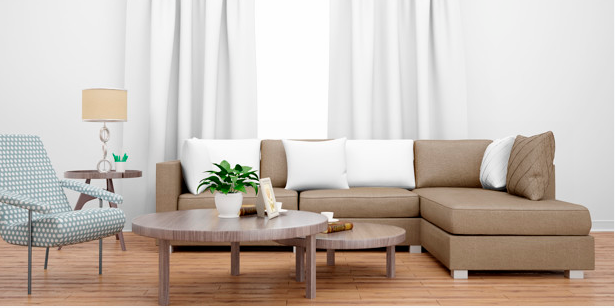
So this approach is a little different from your front door, but you should keep the colors of the interior of your home very light and very subtle. Remember, you want to tickle the senses with the color of your front door, but you want to calm them down with the color of your walls and furniture.
The reason why is simple: the colors of the interior surround you and your guests, from all sides. That is why having a very profound color indoors has the potential of absolutely overwhelming your guests. Light-colored walls of white or gray particularly go well with natural light.
3. You Can’t Get Enough Natural Light
Speaking of natural light, you should make sure that you maximize it within your home by removing any obstructions from the outside or from within that could obstruct it. Natural light is beautiful and it can easily improve the aesthetic of your home.
4. Mirrors, A Must Have For Every Room
Of course, if your home is not situated in an area that permits too much natural light, there is a little secret that you can so that you can recreate the effect of having tons of natural light in your home. That is, of course, with the careful and creative use of mirrors. You should have a mirror hung in every room because it can bounce light around to give your home better brightness and artificially create the feeling of having tons of light from coming from the outside.
5. Make Good Use Of Art
The oldest trick in the book when it comes to making your home look fancier and more luxurious is to buy art and carefully choose the right areas of your home to feature them in. You have to remember that art is very subjective, so you shouldn’t feel the need to buy pieces that are too expensive to enhance the aura of your living room.
It is purely visual, there are tons of paintings out there that you can buy for under $50 that would look great on your wall. To the untrained eye, which accounts for most eyes, the difference between those pieces of art and the most expensive ones will be completely negligible. If it looks good and fits the color scheme of your home, buys it!
6. Add An Electric Fireplace
Earlier we talked about the home being the perfect place to make your loved ones feel nice, loved, and warm. There is no better way to recreate this warmth in your home than to feature an electric fireplace with mantle. Not only are electric fireplaces very practical for people who live in colder states, but they are very symbolic and traditional as well; an ideal setting for having deep conversations and telling fun stories in the presence of the people you care about.
Not only are electric fireplaces very practical for people who live in colder states, but they are very symbolic and traditional as well; an ideal setting for having deep conversations and telling fun stories in the presence of the people you care about. You can also consider in using bio ethanol burners, powered by clean and renewable bioethanol fuel, offer an eco-friendly and versatile solution for adding warmth and ambiance to any space without the need for a chimney or vent.
7. Lighting that Matches the Room
This tip is a little bit more technical but it can be very powerful if you use it correctly. You should have different types of lighting in your home and you should match with the room it is in. There is ambient lighting that exists purely for the purpose of illumination, which would work great in the living room.
There is also such a thing as accent lighting, which provides very decorative and very pleasing highlights. These types of lights are perfect for places where you entertain like the dining room.
8. Don’t Forget to Declutter
This is probably something that you hear time and time again from people that are interested in home decorating, less is definitely more. Having that said, you have to constantly look at the parts of your home that you feel may look a little overwhelming and find ways to declutter. Maybe your bookshelf has too many books, or maybe your furniture is too closely packed together.
9. Low Ceiling? No Problem
One of the first things that realtors talk about when they are trying to sell an expensive home is high ceilings, they are just magnificent to behold and they can give the home a very grandiose appearance.
Of course, if these types of homes are not exactly within your budget, there are some visual tricks that you can try to artificially reproduce this look. Using custom drapes, using large mirrors, and using design elements that feature vertical stripes will all make your ceiling look higher.
Styling a Stunning Home
So those are some of the simple ways you can make your home look great in a way that does not break the bank. Always remember, however, that design may give you a beautiful looking house, but it is the people in it that truly turn it into a home.
Read Also:
Content Rally wrapped around an online publication where you can publish your own intellectuals. It is a publishing platform designed to make great stories by content creators. This is your era, your place to be online. So come forward share your views, thoughts and ideas via Content Rally.
Furniture is something that is bought for the maximum comfort and beauty of your home. If you are possessing your own home, then you must have some good set of furniture which can define comfort and ease. If you are looking for such furniture, then you can visit the urban ladder to buy a beautiful set of furniture. There is no need to copy the style of others as you can have something unique when you will visit this online furniture store. Some of the furniture that is there which causes trouble and people suffer some of the health issues. They consult medicos, where they recommend changing the furniture that the house because they are not comfortable.
How to choose comfortable furniture?
When you are going to buy furniture for your house, then you should keep in mind that they should be comfortable and relaxing. If these qualities are not there in the furniture, then you are going to waste your money by buying a worthless sofa. Here are some of the qualities of comfortable furniture.
Design of the furniture
The design of the furniture should be not much complex and it should be of the normal type. Complex and heavily designed furniture looks good, but they are really hard to handle.
The material used in the furniture
Materials used in the furniture should be of good quality. Cheap and bad materials can cause severe health problems like back, neck, and leg pain. Buy a piece of good furniture which is made up of quality material for maximum comfort.
Shape and size of the furniture
Some of the people buy furniture which fills their room and there is hardly any space in the room for any other activity. So, buyers are advised to buy according to the size of their room otherwise this can cause mental discomfort.
These are some of the points which should be considered while you are going to buy a piece of furniture for your comfort and ease.
Which furniture you should buy for your comfort?
If you are going to buy a piece of furniture for your comfort, then you should be a little critical as there are many of them. You can buy a sofa, rocking chair, study chair, etc. for your comfort. Some of the users feel comfortable when they buy drawers, tv showcases and other furniture items for their home. Some of them buy racks for their kitchen. Everybody has their ways of being comfortable in terms of furniture. Some of the furniture which one can buy are defined here. The urban ladder also offers a wide collection of teapots, coffee tables, and tea tables.
Sofas
The best furniture item which one can buy is a sofa. The sofa is one of the most favorite items for the majority of users when they are going to buy a piece of furniture. For maximum comfort and ease, buy a super glossy sofa and place it in your drawing room.
Rocking chair
The rocking chair can be placed in the living room and can be used by those who are fond of reading before sleeping. While rocking on the chair, you can get ready for your bed. This furniture item is possessed by almost all people.
Sleeper sofa
One can buy sleeper sofas for their maximum comfort as these sofas can be converted into beds at the time of night. A sleeper sofa is available in different sizes and qualities. One can buy according to their need.
Buy any of these sofas for the best results. You can buy them from any of the online stores at the best rate. You can also check for some other furniture item which suits you as there are many of them available at the furniture store.
Why one should not use irregular and uncomfortable furniture?
Generally, it is not advised to use furniture which is uncomfortable and has been disfigured. Such a furniture set causes the problem to those who are using it for a long period. Health problems can also occur to the users like severe aches in backs, joints, legs, hands and neck joints. If you have detected that your furniture is no more comfortable, then you should replace it immediately, as one should not stake their health with such minor things. When an individual uses a sofa or chair to sit or sleep, then the posture of their body should be natural and balanced. Irregular sofas didn’t allow you to sit or sleep comfortably, and as a result, aches would happen. That’s why one should stop using uncomfortable and irregular furniture if they are using it.
Comfortable furniture should be bought if you are planning to have a new one. Investing money in something good is smartness. Some of the users pay a heavy price only for show-off. Such things would not serve the purpose. So, if you are fed up with your old furniture and planning to buy a piece of new furniture, then you must buy something comfortable and cozy.
Read Also:
Top Secrets That Slash Your Kitchen Remodeling Bill in Half
We Buy Houses Companies Saving Homeowners From Foreclosure
Today, the technology has so evolved that we are now talking about mini splits. If you do not know what mini splits are, then you are in luck as we will be discussing this innovation in this article. Our focus shall be on the pros and cons of using it. For those who may wish to know more about the history of ACs, you can read this article.
What Are Mini Splits?
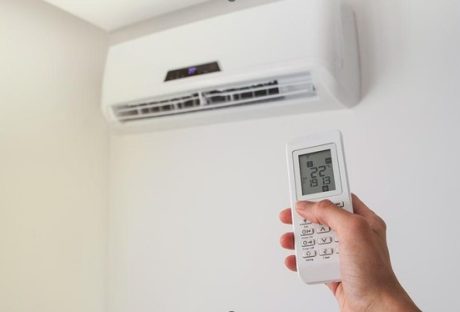
Mini-splits are the ductless evolution of air-conditioners. They are called "splits" because they are designed into two different parts, an indoor unit and an outdoor unit. These two split the traditional cooling process of window units into two.
What the outdoor unit comprises of are condenser coil, compressor and fan and while the indoor unit consists of a fan and an evaporator coil. These two units are linked by electrical wiring and a thin copper tubing to carry the refrigerant.
For the system to work, the compressor located in the outdoor unit pushes the refrigerant through the copper tube to the indoor unit. Here, the cold copper tube exchanges the heat in the indoor space with cooler air which the fan blows into the space. Through this exchange, the refrigerant heats up and changes to a gaseous state and is then cycled back to the outdoor unit where it is cooled back to a liquid form. This cooling process takes place as the coil in the outdoor unit removes the heat absorbed from the indoor unit. Having been cooled, the compressor pushes it back inside and the cycle repeats over and over again.
The Pros And Cons Of Mini-Splits
Having described how these ACs work, we want to look at some pros and cons associated with their use. Like most things in life, regardless of how good they may be, it’s almost impossible not to have a few cons.
Let’s start by looking at some of the Pros
Pros
There are obviously a lot of positives to using mini-splits for cooling your space. Some of the more common ones include the following:
Ease Of Installation
The design of this system makes its installation pretty easy. All you need is a small hole through which to pass the wiring and refrigerant tube. You then need to mount the indoor unit where you need it to be and do same with the outdoor unit. This is something that air conditioning services can send a single technician to install with ease, unlike the central cooling type that will require a lot of work and ducts.
Quiet Operation
Another benefit that you can enjoy with these ACs is their quiet operation. With the compressor and main fan located outdoors, its operational noise is drastically reduced. All you will hear indoors is the soft humming of the indoor fan spinning as it circulates the cooled air.
Effective And Precise Cooling
With the positioning of these mini splits, their cooling function is precise which is why it is usually positioned in strategic positions across the space. This allows different sections of a space to be cooled effectively.
Energy Efficiency
The power consumption of these units is far lower than what traditional HVAC units will consume. The savings you make from this can in the long run offset the initial high installation cost, giving you a great ROI.
Health Benefits
Every indoor unit has a filter installed. This filters the air, making it cleaner than it was. In addition to this, modern units come with ionization function that removes bacteria from the air, making it purer and healthier.
Cons
Now that we’ve looked at the benefits that these ACs offer, let’s also look at some of the cons that may come with their use. These include:
Installation Cost
The first con that you may come across is the initial installation cost. Unlike central systems, you will need to install these mini units in every space where you need the air cooled. The cost can add up, but like we noted above, the savings you will make from energy savings can make up for this initial cost over time.
Aesthetic Value
While these units are not necessarily unsightly, they have to be mounted where they are visible unlike the central variations that can be more discrete. There are however different designs that are marketed to make up for this. In fact, some have a frontal space where artwork can be mounted, making it look like a piece of artwork rather than an indoor cooling unit.
Conclusion
We’ve taken some time to explain what mini splits are and how they operate. We’ve also looked at some of the pros and cons that they offer. With this information, you can now decide if this is something you will love to install in your home or office space.
Read Also :
Know Why Content Marketing Is Important For SEO
4 Points To Consider When Creating A Great Content Marketing Strategy Today
How To Deal With Debt By Doing Business Marketing Smartly?
Today, clothing sizes often lead people to believe they are smaller than their actual size. This is called “vanity sizing”. For instance, "a size 8 dress today is nearly the equivalent of a size 16 dress in 1958," according to a report.
Because clothing can create the illusion of a slimmer appearance, many people now desire larger bathrooms as well. The trend of vanity sizing is influencing the design and functionality of bathrooms. From wider toilet stalls to more spacious showers, bathrooms are being changed to match people's distorted self-image.
What is Vanity Sizing For Bathrooms?
Vanity sizing is when something is made bigger than normal to make people feel better about themselves. Just like size 6 jeans that actually fit someone who usually wears size 8 jeans.
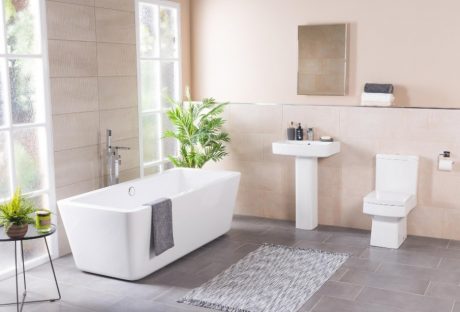
In bathrooms, vanity sizing means making the room and fixtures bigger than what works for real bodies. Such as extra-wide shower stalls, two-person bathtubs, or oversized sinks. They make us feel skinnier, but take up a lot of space!
Factors To Consider When Choosing Vanity Size
The main thing you should consider when choosing your vanity is the size of your bathroom which is a major factor in changing the look and feel of your bathroom. So, carefully review common bathroom vanity sizes and measurements before selecting. Look at the data below that shows the common vanity width that fits the bathroom sizes:
Data Source: Forbes
1. Consider Floor Space
Will counters, cabinets, and toilets still squeeze in if you supersize your bathroom? Make sure giant fixtures don't crowd out other necessary stuff!
2. Watch Door Openings Too
That cool two-person tub won't do you any good if it gets stuck trying to fit through the bathroom doorway! Double-check entrances.
3. Check Plumbing Locations
Expanding your bathroom means dealing with pipes inside walls too. Make sure water lines still reach sinks or toilets when they move.
4. Price For Extreme Upgrades
Going big in bathrooms means spending big bucks too! Make sure your wallet can handle all that bonus tile, lighting, high-tech toilets, and other swanky stuff before pulling the trigger.
5. Future Homeowners Too
What seems huge and perfect for your family now may scare off buyers down the road. Keep future practicality for the next folks in mind.
6. Consider Resale Value
Even if you adore your 47 jet massaging tub, will someone else want to pay big money for your over-the-top bathroom later when you sell?
7. Extra Cleaning Responsibilities
The bigger the bathroom, the longer the cleaning day takes! Make sure you want to put in elbow grease for giant showers and his ‘and her everything.
8. Watch Wet Floor Safety
Oversized sinks and tubs mean leaks or splashes cover larger areas. Pay attention to slip-proof surfaces so no one goes crashing down.
9. Visiting Guest Comfort
Even if space permits, older relatives may feel uneasy navigating a huge bathroom with their walkers or canes. Consider all who will use it.
10. Separate Private Toilet Room
Rather than one giant open space, smaller vanity bathrooms with a separate water closet for the toilet allow privacy.
Choosing The Right Vanity Size For Your Bathroom’s Look
The dimensions of your bathroom vanity change how open, crowded, or balanced your space appears. An overgrown vanity makes small rooms feel stuffed. But one too tiny turns your bathroom into a messy pile-up of products without enough organizer drawers or counter area.
Here’s how to get vanity sizing just right for your ideal bathroom design style:
In Itsy Bitsy Bathrooms
When dealing with snug powder rooms or half baths, keep your vanity narrow in the 24 to 30-inch range so it doesn’t hog up the entire floor. Any wider starts making moving around impossible! Select wall-mounted styles instead of boxy cabinets to save precious inches. Or opt for floating vanities that have air rather than chunky boxes below to give the illusion you have more breathing room.
Another decorating trick for a petite bathroom is going big with mirrors or using reflective tiles and chrome finishes. When tiny rooms sparkle and shine, they seem to double in size instantly! Just avoid dark paint shades, clutter, and heavy fabrics that make small salons feel even more closed in.
For Middle-of-the-Road Bathroom Sizes
If your washroom dimensions fall somewhere in that just-right not-too-big, not-too-small middle zone, standard vanity widths from 30 to 48 inches tend to fit nicely without limiting movement. This gives your average family plenty of surface space to spread out self-care must-haves each morning and store all those lotions and potions in handy drawers below.
When organizing your cabinet and counter goods, be sure to keep at least 9 to 12 inches of space around the vanity perimeter. You’ll still need elbow room to get in there for clean-ups without bonking walls, doorway frames, or light switches! Beyond functional inches, defining your vanity area with cool lighting designs or eye-catching tile shapes helps contain the space in a neat square for a balanced, soothing aesthetic.
When You’ve Got Room to Spare
Lucky enough to be working with a big old bathroom complete with soaring ceilings and a giant footprint? Then you’ve got options to install his and her double-wide vanities ranging from 60 to a whopping 72 inches. This creates the dramatic appearance of dual stations without the need for significant construction to physically divide your spacious room into two separate spaces.
FAQs:-
Q1. What is the standard width of a bathroom vanity? Ans: The standard width for a single-sink bathroom vanity is 24 to 48 inches. For a double sink vanity, it’s 60 to 72 inches. Q2. How do I choose the right vanity size for my bathroom? Ans: Consider your existing bathroom size, number of users, and required storage space when selecting the ideal vanity. Allow proper clearance between the vanity and walls. 3. What are some common mistakes to avoid when choosing a bathroom vanity size? Ans: Avoid sizing too small and creating limited functionality or choosing an oversized vanity that makes the bathroom feel confined. Failing to measure properly and allowing adequate wall clearance are also common mistakes.
Conclusion
Vanity dimensions significantly influence the visual enhancement and practical use of any bathroom. By factoring in room size, user needs, and required storage, you can achieve an optimally designed and functional space that suits your lifestyle beautifully. By paying attention to critical measurements and clearances, you can avoid common mistakes. With some planning and foresight, you’ll love your new bathroom for years to come.
Additional Reading:
3 Best Indoor Plants For The Dining Room
Stunning Bathroom Vanities For An Instant Makeover
Storage Units Your Ultimate Guide To Organized Living













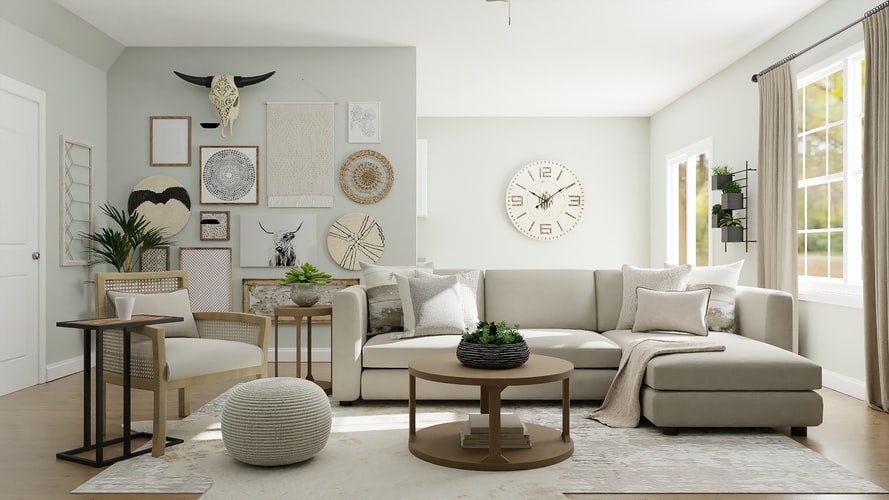
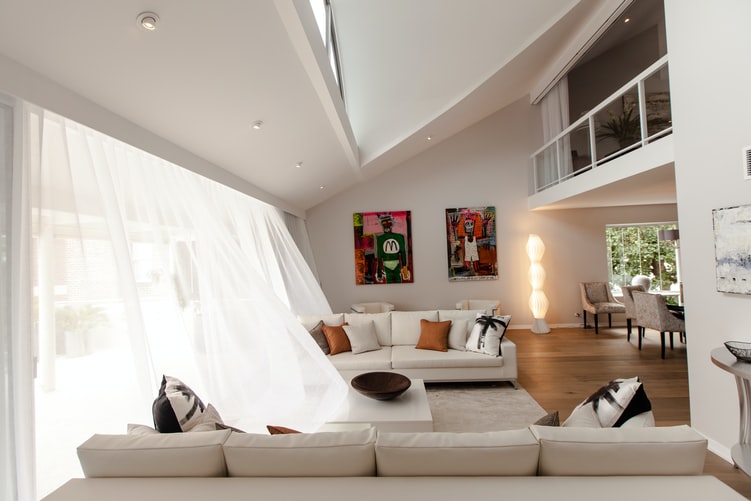 So this approach is a little different from your front door, but you should keep the colors of the interior of your home very light and very subtle. Remember, you want to tickle the senses with the color of your front door, but you want to calm them down with the color of your walls and furniture.
The reason why is simple: the colors of the interior surround you and your guests, from all sides. That is why having a very profound color indoors has the potential of absolutely overwhelming your guests. Light-colored walls of white or gray particularly go well with natural light.
So this approach is a little different from your front door, but you should keep the colors of the interior of your home very light and very subtle. Remember, you want to tickle the senses with the color of your front door, but you want to calm them down with the color of your walls and furniture.
The reason why is simple: the colors of the interior surround you and your guests, from all sides. That is why having a very profound color indoors has the potential of absolutely overwhelming your guests. Light-colored walls of white or gray particularly go well with natural light.
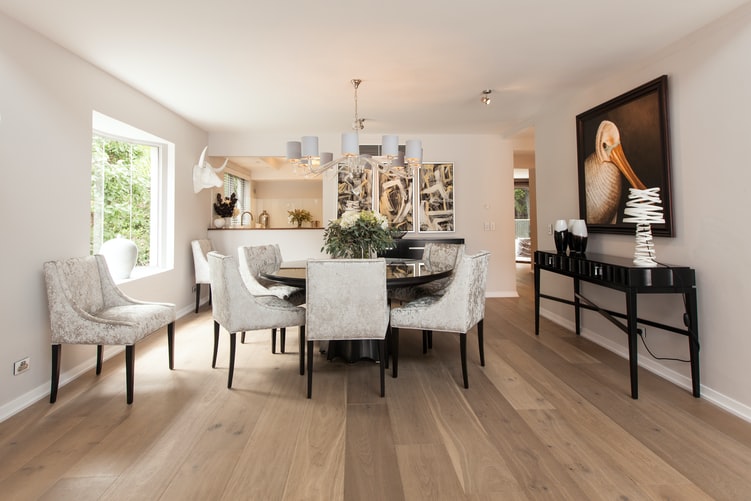 Speaking of natural light, you should make sure that you maximize it within your home by removing any obstructions from the outside or from within that could obstruct it. Natural light is beautiful and it can easily improve the aesthetic of your home.
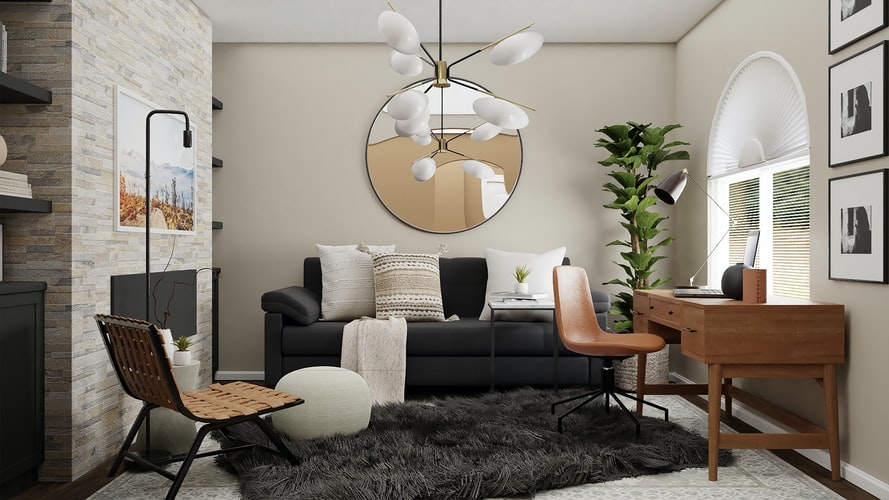 Of course, if your home is not situated in an area that permits too much natural light, there is a little secret that you can so that you can recreate the effect of having tons of natural light in your home. That is, of course, with the careful and creative use of mirrors. You should have a mirror hung in every room because it can bounce light around to give your home better brightness and artificially create the feeling of having tons of light from coming from the outside.