












A Deep Dive Into The Body’s Antioxidant Repair Processes

Published on: 18 March 2026 Last Updated on: 27 March 2026
Antioxidant Repair In Body

Have you ever felt curious about your own body? Or maybe, the human body?

I think about the magic human body holds, all the time. It amazes me how our body is a powerhouse in itself. 

Today, I want to talk about a part of this: the antioxidant repair in body. 

I want you to think of your body’s antioxidant system like a well-trained neighborhood crew. 

When you imagine it this way, what can you expect? Some team members spot trouble, and some clean it up.

Then, we will have others fix what was damaged. In fact, there are also a few that make sure everyone is ready for the next call. 

This teamwork keeps everyday wear and tear from getting out of hand. Additionally, it also helps your cells to stay healthy.

How Does Antioxidant Repair In Body Work?

We all know that every cell makes energy, right? Now, that process can create small amounts of reactive byproducts. 

In small doses, these byproducts can act like helpful signals. In larger amounts, they can irritate tissues and slow recovery. 

Therefore, antioxidants help keep that balance. 

In addition, they notice when those byproducts rise. Then, they neutralize what is extra.

Also, they repair small dents in fats and proteins. Finally, they then reset the system so it is ready again. 

The idea is not to block everything. The idea is to keep activity in a healthy range.

Basically, we just have to create a situation where the cells can do their jobs, from immunity to healing.

Glutathione: Your Cell’s Reusable Shield

Glutathione is one of the body’s most important antioxidants. You can picture it as a reusable sponge. 

Firstly, it soaks up the extra oxidants. But it doesn’t just stay there. Then gets squeezed out and refreshed so it can go right back to work. 

That squeeze and refresh step happens thousands of times a day. Additionally, it keeps the overall system stable. 

Glutathione also helps your body recycle other antioxidants. I am talking about the famous ones, like vitamins C and E.

Then, these again support detox work in the liver. 

Also, I must remind you all that the liver shares resources with the rest of the body. Therefore, this one system can support many organs at once.

Getting The Parts You Need

Glutathione is made from three building blocks. The hardest one to keep available is often cysteine. 

Your body has a few ways to make or recycle it, but sometimes supply can fall behind demand. 

That is why some people look to a nac supplement as a simple source of cysteine that the body can use to refill glutathione levels.

First Responders, Repair, And The Control Switch

Your body uses several enzyme teams to respond quickly when oxidants spike. 

One group changes a fast-moving byproduct into a slower, easier-to-handle form. 

Another group then turns that into water. Then, we get to assess a separate crew.

It is called the thioredoxin and peroxiredoxin system. And let me tell you, these work like precision tools. 

Firstly, it cleans up small pockets of oxidants right where they appear. Additionally, it also helps pass along helpful signals.

Therefore, it does everything to ensure that the cells respond with the right intensity. 

When those tools get temporarily overworked, a helper enzyme steps in to reset them so they work like new again.

There is also a built-in control switch called Nrf2. When stress rises, this switch tells your cells to make more of the parts that handle cleanup and repair. 

It can increase the enzymes that build glutathione, improve detox capacity, and support the systems that generate the energy needed for all this work. 

Short, timely bursts from this switch help you adapt. Keeping the switch on all the time is not the goal, so your body turns it up and down as needed.

Mitochondria And The Balance of Stress

Mitochondria are the power plants of your cells. 

They can create small signals that nudge your system to grow stronger, much like how light exercise makes muscles adapt. 

If those signals become too strong or last too long, the body boosts its defenses, repairs worn parts, and clears out units that are not performing well. 

This healthy give and take is one reason habits like good sleep, regular movement, and steady nutrition pay off. 

They help the system stay in the zone where signals build resilience rather than cause strain.

A Few Tips For An Efficient Antioxidant Repair In Body

I would seriously suggest that you follow these steps for better antioxidant repair in body and therefore, a happier system. Let's check these out:

  1. Eat a proper diet every day. Research all about the rainbow diet, where your plate will be colourful and vibrant. 
  2. Additionally, you just ensure regular consumption. This ensures absorption of the nutrients you are consuming.
  3. Habits like having a strict sleep schedule, drinking a minimum of 4 litres of water, always enhance the repair process. 
  4. Finally, I would like to emphasise the importance of a regulated nervous system. 

Try to incorporate activities such as meditation, quiet walks in nature, or any other healing activity that soothes your nervous system.

I believe that it's high time to accept that mental health is related to our physical health, and therefore, we must take care of both, together. 

The Function Of Antioxidant Repair In Body Explained

Your antioxidant defenses are not a single wall. 

They are a flexible network that sees problems early and cleans them up.

Additionally, I think we must give them credit for fixing all the small issues. Then, it even prepares for the next day’s work. 

As I have mentioned just before, Glutathione provides a steady base. Then, the quick response enzymes handle surges.

In addition, it also repairs crews and resets the tools. Finally, the Nrf2 switch raises capacity when needed. 

Therefore, all we need to give it is everyday support from smart nutrition and routine habits.

Then, this system helps keep your cells productive, calm, and ready.

Barsha is a seasoned digital marketing writer with a focus on SEO, content marketing, and conversion-driven copy. With 8+ years of experience in crafting high-performing content for startups, agencies, and established brands, Barsha brings strategic insight and storytelling together to drive online growth. When not writing, Barsha spends time obsessing over conspiracy theories, the latest Google algorithm changes, and content trends.

View all posts

Leave a Reply

Your email address will not be published. Required fields are marked *

Related

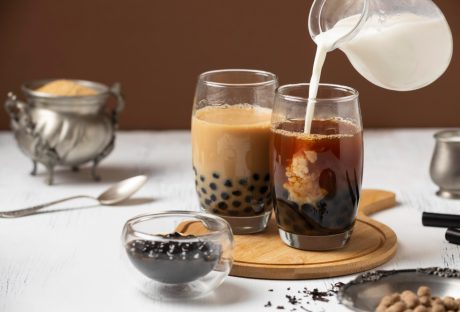
Boba tea recipe

From Tapioca To Toppings: How Boba Tea Is Made And Why It’s So Addictive?

There’s a certain charm to every Boba tea recipe out there.  Since I was a child, I have wanted to see how boba is made. I was so curious about the way the tea turns out.  It looks playful, with those pearls sitting at the bottom and tea layered above.  But the appeal runs deeper than its appearance.  Now, every single cafe is trying to use this hype to their advantage. In fact, I have seen so many Boba tea stalls and small cafes.  Honestly, this business module is blooming! And for good reasons. Boba tea tastes quite amazing.  Additionally, I think every cup carries a delectable mix of craft and chemistry. This is something that will feel both indulgent and oddly comforting to you. To understand why boba has become such a fixture in global food culture, let’s start from the very beginning. I will take you through the recipe, starting from right where the pearls take shape.  What Are The Different Parameters Of A Boba Tea Recipe? The boba tea recipe only has three major layers. Once you crack the code, maybe you will start your own boba tea business! 1. It All Starts With Tapioca, Not Tea The heart of how you make boba isn’t the tea at all. Rather, it’s the pearls.  So, you have to make boba pearls from tapioca starch. You derive this starch from cassava root. These small spheres surprisingly begin as a simple dough. The process feels almost old-fashioned: Firstly, you mix the starch with hot water.  Secondly, sometimes you fold in brown sugar into the mixture.  Then, it forms into a pliable mixture that’s soft to the touch.  From there, you roll the dough into long strands. Then, you can cut it into small pieces. Lastly, you shape the dough into balls.  They aren’t always perfectly uniform. But that slight irregularity gives them some character that they really need.  Plus, cooking changes everything. Here’s how: You boil the pearls until they soften and turn translucent. As this helps them develop that signature chew. Once you’ve drained them, they don’t go straight into the drink.  Instead, they rest in a sugar syrup (often brown sugar), which deepens their flavor and keeps them from sticking together. That final soak is what gives boba its rich, almost caramel-like note before it even meets your tea.  2. Bringing The Drink Together: Layer By Layer Once the pearls are ready, the rest of the drink comes together with careful balance: Tea Base It begins with a strong tea base (commonly black). Though green and oolong teas also feature prominently. Strength Plus, you have to brew the tea with enough intensity. This will help it hold its own against the sweetness and milk. Cooling It Down After you have completely brewed the tea, it is time for the cooling process. You have to cool it down using ice.  A Splash Of Milk Then, you have to add the milk. You can add either dairy or plant-based. It entirely depends on your preference. Adding Some Sweetness At last, sweeteners follow. Additionally, they range from simple syrup to richer sugar blends.  Hence, you are creating a drink that leans more towards a dessert than a traditional tea. 3. The Final Assembly For the assembly, the pearls will settle at the bottom of the cup. Then, you have to put it in the ice. After that, you have to pour the tea mixture over the top.  Then, you will get such a result that is so perfectly layered. In fact, it will be both visually beautiful and amazing in taste. Also, the wide straw isn’t just an accessory. Rather, it’s essential.  It’s basically designed to carry both liquid and the pearls into your mouth in just one sip. This entire method keeps the drink interactive and never static.  Boba Tea Recipe Experimentation With Toppings: Turning One Drink Into Many How boba is made now invites a decent bit of variation.  Additionally, I would like to mention that this variation happens largely through its toppings.  These modern versions often include additions that may shift your tea drinking experience entirely: Firstly, they use popping boba. This one is filled with fruit juice that bursts on contact. Additionally, they mix some jelly-based toppings, such as coconut or grass jelly Also, they mix in certain alternative textures, like aloe or taro-based inclusions.  What Is The Secret Behind The Addiction To A Boba Tea Recipe? Amongst the various reasons behind boba tea’s appeal, here are the notable ones: Texture:  The pearls, often described as having a “QQ” consistency, create a gentle resistance when you chew them.  That combination of drinking and chewing at once makes the experience feel more engaging. Sweetness:  Many boba drinks contain notable amounts of sugar, which can lead to a pleasurable response in the brain.  That’s why we often go for repeat consumption. Customisation:  You literally have options to adjust sugar levels, swap milk types, or experiment with toppings.  That way, no two drinks need to be identical. Overall, these additions and unique flavors try to introduce some contrast, be it soft, chewy, or crisp.  It is this variety that allows boba to adapt to your unique taste buds, whether you prefer something traditional or slightly experimental. The Boba Tea Recipe Is Getting A Huge Hype, Thanks To The Drink’s Popularity In 2026, you will find almost everyone asking for the Boba tea recipe. Some are asking to start a business. Also, some of them are asking to make an addition to their cafe menu.  Additionally, there are a lot of people who are asking for the recipe so that they can make this at home.  The rise in the popularity of Boba tea signals how much food and culture are an intricate part of the market.  In fact, they affect how customers view a product. This means that when you are buying Boba, you are not just buying it because it tastes good.  Rather, you are also buying this for the cultural significance.

READ MOREDetails
Compound Butters

Elevate Your Meal With The Secret Weapon In The Kitchen

Compound butter might sound fancy at first. You might be like, “Is it something used by chef’s in restaurants?” but it's actually one of the easiest kitchen tricks you can learn. Believe me, it's not NASA science; it's just butter mixed with seasonings, herbs, or other ingredients.  The reason it works so well is surprisingly simple: fat carries flavor in a way that nothing else does.  You grab a bowl and melt a pat of unsalted butter, season it with any type of herbs, spices, or oil you like, and voila! Your compound butter is ready to be explored. It eventually becomes a ritual for you every time you serve a dish. Most of us instinctively reach for just salt and pepper to finish seasoning. But a tablespoon of compound butter can be a game-changer! All About Compound Butters Most of us use butter by tossing it into the pan and completely forget its existence once the food is served.  Honestly, thats where the magic is missed. I used to think butter was only there for the food not to stick to the pan, or to add the aroma.  But once I started finishing dishes with compound butter instead, it was the day I knew I'd be using this often. Think about it, a grilled chicken breast. It is good on its own. Now, place a slice of garlic and herb butter on top of it and watch it slowly melt into every corner.  That will make you feel this is the exact grilled chicken you’d order in a restaurant. Similarly, apply the same method to boring vegetables and watch yourself go! The real secret is that cowboy butter seasoning and thoughtfully composed spice blends transform butter from an invisible background into the star of the show.  How Compound Butter Works: The Fat Factor Guess what - even masterchefs like Gordon Ramsey (yes, the one who is known to use cuss word in his kitchen when things go wrong) can’t do without compound butter. From what I have seen, he often finishes his signature steaks, fish, and roasted meats with a simple pat of compound butter. Beautifully on top of the main course - umami! As it melts over the hot food, it creates a delicious, glossy finish that adds richness to the food and a layer of flavor without making the dish complicated. But here’s the fun fact: he doesn’t do it just for the aesthetic, even though it looks extremely mouthwatering. Butter is basically the VIP pass for flavors. The moment spices, herbs, and garlic meet the butter, they get carried into every single bite.  And then you’ll wonder why compound butter feels so different than sprinkling dry herbs over the top. Dry seasoning can land in random places, either making you feel extremely spicy or leaving you with nothing at all. Compound butter just melts with the heat of your food and wraps itself around the dish like a cozy little blanket, and all of a sudden, every mouthful tastes balanced instead of random. Building Spice Composition Into Butter Not all compound butters are created equal.  I’ve noticed one mistake that almost everyone makes: throwing random herbs and spices into the butter and hoping for the best. Well, you just have to balance the ingredients that go along with the butter. The difference between a good one and a forgettable one comes down to spice selection and balance.  I like to think that making a compound butter is basically having three building blocks: base flavors that ground the blend,  aromatic notes that add brightness or depth,  textural components that make the butter interesting to eat. Base flavors are your anchors.  Salt  Peppers  Smoked Paprika,  Garlic Powder, Or  Onion Powder.  These create a foundation that makes other flavors pop rather than compete. Aromatic notes are where personality enters the butter.  Fresh herbs like  Thyme,  Rosemary,  Chives add herbaceous depth.  Citrus or lemon zest brings brightness.  A touch of cayenne or black pepper adds heat and complexity.  You don’t need to overuse this secret weapon. Let the vegetables and meat have their own room too! Textural components make people notice.  Finely minced fresh garlic,  shallots,  crushed peppercorns  add small bursts of flavor and a slight graininess that makes the butter feel less one-dimensional. The Technique: Making Compound Butter That Actually Works Actually, when I tried this for the first time, I found it surprisingly simple, like applying my lip gloss. Use softened butter (pulled from the fridge 30 minutes before you start), mix it with your seasonings using a fork until everything is evenly distributed, Roll it into parchment paper, and refrigerate. One thing I learned pretty quickly is not to rush while mixing the butter. If all the seasoning ends up on one side, you will notice it immediately while serving.  Spending an extra minute mixing everything properly makes a surprisingly big difference. One pro move I've found useful: make your compound butter in larger batches and slice it into pats before freezing.  That said, you're not digging a spoon into a cold log of butter every time you want to use it. Precut pats thaw in seconds and sit perfectly atop hot food. When To Use Compound Butter (And When Not To) Personally, I think Compound butter tastes best on top of food that is piping hot, shines on proteins that come off the heat just before serving, and gets evenly distributed Grilled steaks,  roasted chicken,  seared fish,  pan-seared scallops  Shrimp Corn on the cob Warm bread A small pat melting on top of roasted vegetables transforms a side into something people actually want to eat.  A pat on warm bread before it cools is a simple luxury. Now, when not to use compound butter: That said, it isn't perfect in everything. It's less useful on cold salads or in situations where the butter needs to stay solid (like on a charcuterie board).  And it shouldn't replace actual cooking technique.  So, you cannot save a poorly cooked steak with compound butter. However, a well-cooked steak will become unforgettable with it.  A Practical Example: Steak Dinner With Compound Butters Picture this: you make two steaks on a Wednesday night, both the same cut and cooked identically.  One finishes with fleur de sel and cracked pepper. Absolutely fine, but would you go “hmm Voila!” Now imagine the other one finishes with a pat of compound butter made with smoked paprika, fresh garlic, thyme, and a touch of cayenne, slowly melting over the top. A completely different experience if you ask me. Mouthwatering, right? As it melts over the hot meat, those spices perfume the steak and deliver waves of flavor with every bite. It tastes like you spent time thinking about what should go on that plate. It simply tastes as if someone cared about the final touch. That's the gulf between competent home cooking and cooking that people talk about, “wait, what did you put on that!” Compound butter closes that gap faster than any other single technique. Make Your Dinner Unforgettable! If there is one cooking trick I’d happily recommend to anyone, it's learning how to make compound butter at home! After all, it isn’t complicated, expensive, or time-consuming.  In fact, it just takes a couple of minutes and completely changes the game. What I love about this recipe is how versatile it is.  One batch can transform: Grilled meat Seafood Veggies Potatoes Simple slice of bread Once you start keeping a batch of compound butter in your fridge, you’ll wonder why you didn’t make it sooner. Also, if you have watched MasterChef, you’ll notice that the smallest finishing touch can change the entire impression of the dish!

READ MOREDetails
slider-img

The Rise of Smart Study Platforms: Inside Lecturio’s COMLEX Level 2 Ecosystem

The medical library, once a hallowed hall of hushed whispers and towering stacks of textbooks, is changing. Today’s aspiring physicians are just as likely to be found with earbuds in, watching a complex physiological process unfold on a tablet. This generation seeks integrated, efficient solutions to conquer the most daunting exams of their lives. For osteopathic students, this means finding a smart partner for COMLEX Level 2 preparation, and platforms like Lecturio are building comprehensive ecosystems designed for exactly that. The modern approach is about consolidation. This resonates perfectly with the Gen-Z med student, a digital native who values efficiency and integrated ecosystems. These platforms are appealing for the right reasons: they replace overwhelming clutter with a streamlined, on-demand experience that fits a hectic clinical schedule. The ability to switch seamlessly from a high-yield video to targeted questions on a single platform isn’t just convenient; it’s a smarter, more sustainable way to learn, aligning with a generation that demands both technological sophistication and proven results from their tools. Lecturio’s ecosystem functions as an all-in-one digital medical school, transforming how students approach their studies. A Foundation of Expert-Led Video Lectures Its foundation is a vast library of high-yield video lectures by expert physicians. These are engaging, visual explanations that break down intricate topics like OMM techniques into digestible segments, allowing students to learn at their own pace and revisit complex concepts with ease. Mastering Application With A COMLEX-Style Qbank But knowledge is only half the battle. Application is key for an exam like COMLEX Level 2 with its emphasis on clinical skills. Lecturio’s bank of thousands of COMLEX-style practice questions, complete with detailed explanations for every answer choice, allows students to test their understanding in a low-stakes environment. The integrated Qbank mimics the actual exam format, building critical stamina and familiarity. The Smart Study Advantage: Spaced Repetition Perhaps the most powerful feature is Lecturio’s “Spaced-Repetition” functionality. The platform intelligently tracks performance and identifies weaknesses. It then surfaces challenging concepts at optimal intervals, ensuring information moves from short-term to long-term memory. This is studying backed by cognitive science, not just guesswork. Targeted Prep For The Osteopathic Distinction For an exam that specifically tests Osteopathic Manipulative Treatment (OMT), Lecturio provides targeted content that other generic platforms miss. Dedicated video lessons and questions ensure students are thoroughly prepared for the distinct philosophy and practical applications that define osteopathic medicine. Assessing Readiness With Precision Furthermore, comprehensive self-assessments provide a realistic prediction of readiness, helping students pinpoint exactly where to focus their final review efforts before exam day. Conclusion: In essence, the journey has been digitally remastered. Preparing for the COMLEX Level 2 preparation no longer has to be an overwhelming grind. Through a smart ecosystem of videos, Qbanks, and spaced-repetition technology, platforms like Lecturio make the process more efficient and manageable. It’s about working smarter, not just harder, making the monumental task of board prep feel a little less daunting and a lot more achievable. More Resources: A Student’s Guide For Effectively Utilizing Online Study Materials Study Abroad Programs That Offer Strong Academic and Industry Exposure Common Study Problems And How To Deal With Them

READ MOREDetails