


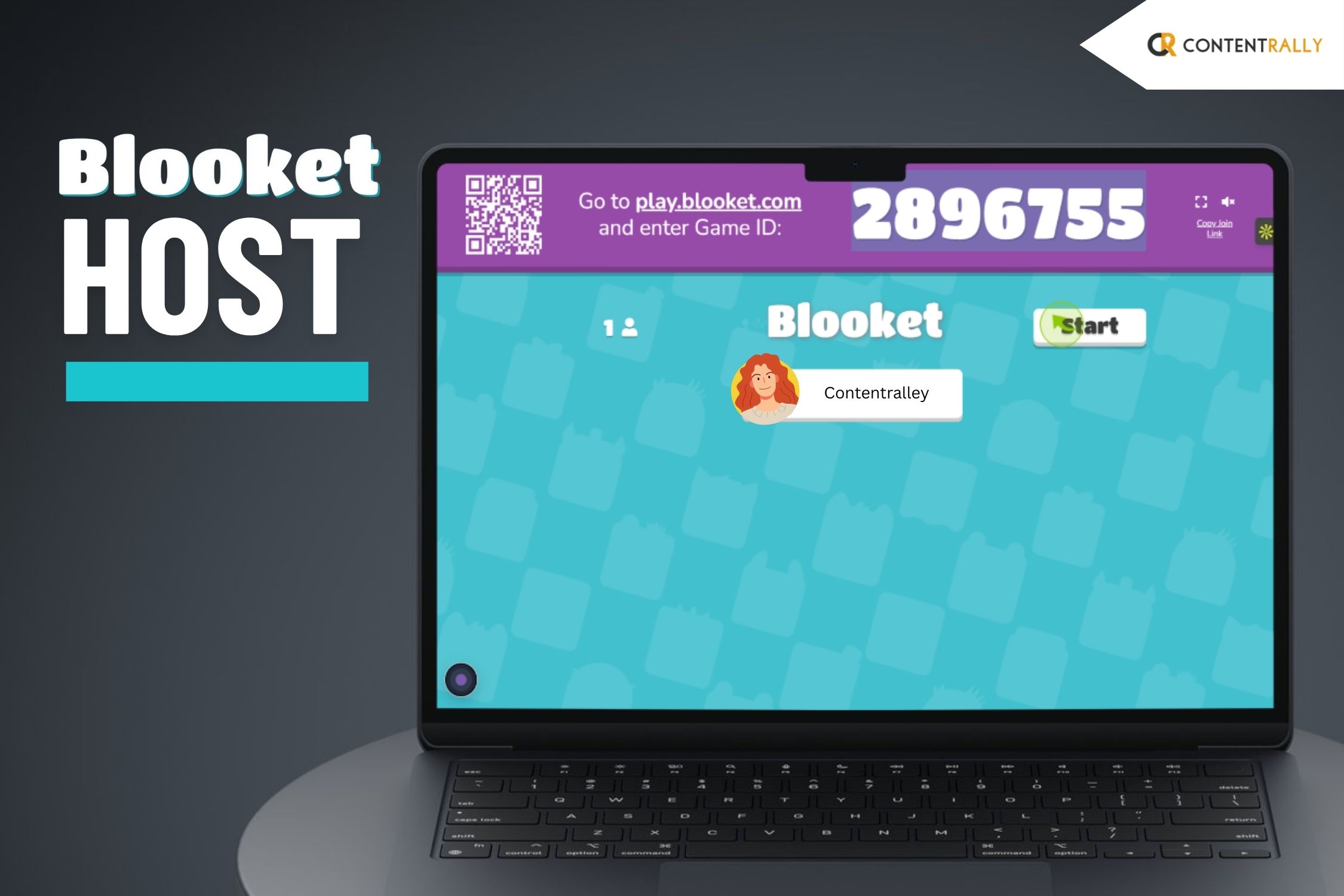
What Is The Role Of The Blooket Host In The Learning Journey? Read This Blog And Get The Answer, As Well As Many Tips!!!

by

06 January 2026

Education

Blooket Host

Hey there! Remember I mentioned about Blooket? Well, I am here to talk about a very important segment of it.  

In today’s digital classroom, you need to keep students engaged. This is more important than ever. That’s where Blooket Host comes in.  

Blooket is an exciting educational game platform. It allows teachers to transform quizzes into interactive sessions. 

Additionally, it creates unique and competitive learning experiences that students actually enjoy. 

As a Blooket Host, the teacher or organizer creates or selects a quiz. Then, he/she launches it for students to participate in live.  

Whether you’re teaching in person or online, Blooket is a great way to enhance participation. Also, you will be able to keep students engaged.  

It’s especially effective in U.S. classrooms, where digital learning tools are becoming more popular. 

What Does The Blooket Host Actually Need To Do? 

In Blooket, the "host" is the person who sets up and runs the game, and that’s usually a teacher.  

However, sometimes students can take on this role too! As the host, you get to pick the questions, choose the game mode, and help everyone play through the game.  

Blooket is perfect for classroom settings. This is because it encourages active learning through:  

  • Fun quizzes 
  • Games  

Plus, it’s super flexible with different game styles. This makes it easy to align with various teaching goals. 

How To Become A Blooket Host: A Step By Step Guide 

Now, in order to host a game carefully and efficiently, you must pay good attention to these steps. Let’s check these out: 

1. Pick Your Questions 

The first thing you need to do when hosting a game on Blooket is to choose a set of questions.  

You have the option to create your own set. Additionally, you can also browse the platform’s extensive collection. It has over 20 million sets!  

These cover a wide range of topics. So you’re sure to find something that fits your needs.  

Just head over to “My Sets” or “Discover” on the dashboard to get started. 

2. Choose a Game Mode 

Blooket offers a variety of fun game modes like:  

  • Monster Brawl 
  • Gold Quest  
  • Crypto Hack 

And the best part? You will find out that each with its own twist on gameplay.  

For example, in Gold Quest, students earn gold by answering questions. Additionally, in Tower Defense, they defend against challenges by answering correctly.  

Each mode provides a unique way for students to engage with the material. 

3. Launch the Game Session

Once you’ve picked a game mode, hit the “Host” button. Here, you can set the rules. 

Also, you can set the time limits based on what you want to achieve. Additionally, you have to keep in mind what your students can handle.  

When you’re ready, click “Host Now”. This will generate a game code. Share this code with your students so they can join in on their devices. 

4. Invite Students to Join 

Students can jump into the game right away. They just have to enter the game code at play.blooket.com.  

They don’t need to create an account to play. But signing up gives them the chance to track their progress. Additionally, this will help them to access more features.  

For online classes, they can also join by scanning a QR code. Alo, they can use a shared link. 

This makes it super easy for everyone to get involved. 

5. Start the Game

I suppose by now, all your students have joined. Now, you simply click “Start” to kick off the game.  

During the session, students will answer questions. Additionally, they will compete based on the game mode you've chosen.  

You can monitor their performance in real-time. This helps you see how each student is doing. 

Also, you will be able to identify where they might need a little extra support.  

How Can You Create And Use Question Sets In Blooket? 

As a host, you will have complete control over what you wish to present to your students.  

1. Customize Questions:  

You have the freedom to create your own question sets from the ground up.  

This customization helps you tailor questions to align with your students' learning goals.  

Whether you're teaching math, history, or science, you can design fun and engaging questions that reinforce key concepts. 

2. Importing Question Sets:  

If you're already using Quizlet for quizzes, Blooket makes it easy to bring those question sets over.  

Additionally, you can do this with just a few clicks. Then you can import your existing questions into Blooket. 

After that, you can turn them into interactive games for your students in no time. 

3. Blooket’s Library:  

If you’re pressed for time or just need some fresh ideas, check out Blooket's library of pre-made question sets.  

It’s a great resource for inspiration and can give you new ways to approach topics in class. 

How Can A Blooket Host Games On The Platform? 

Blooket is a great tool for making learning fun and engaging in the classroom through exciting games. 

1. Choose a Game Mode:

Blooket offers different game modes to suit various learning styles. You can pick from fun options like Gold Quest. 

This is where students race to collect gold. You can also check out Tower Defense. This one challenges them to protect their towers while learning.  

There’s also Cafe Mode. It's my favorite. Here, students run a virtual cafe. They answer questions to serve customers.  

For those who enjoy competition, Battle Royale is an excellent choice. Blooket keeps students entertained and allows them to change the game based on the topic. 

2. Set Up a Live Game:  

It’s easy to host a live game. Just select the game mode and your question set. 

Then create a Game ID. Share this ID with your students, and they can join the game on their devices by entering the code on the Blooket website.  

This setup encourages active participation as students compete with each other in real-time. 

3. Assign Homework:  

Blooket isn’t just for live play; you can also use it for homework. You can assign a game for students to play at their own pace, making it a fun way to review class concepts outside of school hours.  

This approach allows for flexible learning and makes studying enjoyable for students. 

What Are The Additional Features Available for The Blooket Host? 

You thought that’s it? Well, seems like you're wrong! There are many more features that you will enjoy as a host. Let’s check these out: 

1. Personalizing Your Games:  

You have the flexibility to adjust the number of questions. Additionally, you can decide on how long the game lasts. 

In addition, you can also fix the difficulty level to match what your class needs. 

2. Insights and Feedback:  

Once the game wraps up, you’ll get in-depth reports. It will detail each student's performance.  

This includes what answers they got right. Also, it also shows you how long they spent on each question. 

Additionally, it will also include the overall results. So, this will help you fine-tune your future lessons. 

3. Homework Feature:  

Blooket is also great for homework! You can set up games for students to tackle outside of class. 

Additionally, you can also give them a chance to review material or practice extra. 

What Are The Benefits Of Using Blooket Host Across Grade Levels? 

Blooket is a fun learning tool for students of all ages. Additionally, it helps teachers engage students across different grade levels. 

1. Elementary School Students   

Blooket works well for young learners. It turns basic concepts into fun games.  

Game modes like Cafe Mode and Gold Quest are popular among this age group.  

These games help students practice basic math skills. In addition, they also work on other skills like reading and general knowledge.   

2. Middle School Students   

For middle school students who like competition, Blooket offers exciting game modes like Tower Defense and Battle Royale.  

These strategic games promote critical thinking and problem-solving. They motivate students to explore content and learn effectively.   

3. High School Students   

High school students need advanced thinking skills. So, Blooket supports their learning by providing games on complex topics in:  

  • Math 
  • Science  
  • History  
  • Literature  

High school teachers can even use Blooket for SAT lessons. Additionally, this adds fun to important study material.   

The Dynamics And Importance Of The Blooket Host Explained 

So, if you are an educator, I strongly suggest that you use Blooket in your classroom. 

Trust me, it can change how students learn. Additionally, Blooket helps teachers make lessons fun and memorable.  

You can use Blooket to create a learning engaging and motivating.  

In addition, you can also create an effective learning environment that your students will enjoy. 

The role of the Blooket host is even more important because the host is the one organizing and conducting the tests.
Barsha is a seasoned digital marketing writer with a focus on SEO, content marketing, and conversion-driven copy. With 8+ years of experience in crafting high-performing content for startups, agencies, and established brands, Barsha brings strategic insight and storytelling together to drive online growth. When not writing, Barsha spends time obsessing over conspiracy theories, the latest Google algorithm changes, and content trends.

View all posts

Leave a Reply

Your email address will not be published. Required fields are marked *

Related

Korean Verbs List

Learn How to Express Action with This Korean Verbs List

Verbs are words that describe actions. They're also used to convey an occurrence or state of being. In the Korean language, it is usually listed with the symbol -다. A Korean verb is considered the most vital part of the sentence. It's so crucial that you can use it on its own. So if you're looking to polish your grammar and vocabulary, you should refer to this complete Korean verbs list. List of Regular Korean Verbs These 규칙동사 or regular verbs only need to follow simple conjugation. This will help it 'agree' with the other words in the sentence. To do so, you need to get rid of the 다 from the word's verb stem or dictionary form. As for the pattern, it varies according to tense. Here are some common Korean verbs that have been conjugated. Make sure to practice speaking them: 가요 = 가다 - to go 봐요 = 보다 - to see 먹어요 = 먹다 - to eat 만나요 = 만나다 - to meet 배워요 = 배우다 - to learn 공부해요 =공부하다 - to study List of Irregular Korean Verbs Compared to the former, these irregular verbs—otherwise known as 불규칙 동사—get modified following conjugation. They follow special rules, such as the ones you need to do when using adjectives. These words have 받침 or batchim, which is used to classify the word. Despite this feature, not all irregular verbs have batchims in them. Here are some of the words you should exercise speaking: 1. Korean Words With ㄷ Batchim 걷다 - geotda - to walk 싣다 - sitda - to load 듣다 - deutda - to listen 묻다- mutda - to ask 깨닫다- kkaedatda - to realize 2. Korean Verbs Withㄹ Batchim 만들다- mandeulda - to make 알다 - alda - to know 살다 - salda - to live 들다 - deulda - to carry 놀다 - nolda - to play 울다 - ulda - to cry 팔다 - palda - to sell 3. Korean Words With ㅂ Batchim 돕다 - dopda - to help 밉다 - mipda - to hate 부럽다 - bureopda - to envy 4. Korean Verbs With 르 Batchim 고르다 - goreuda - to choose 기르다 - gireuda - to bring up 나르다 - nareuda - to carry 자르다 - jareuda - to cut 서두르다 - seodureuda - to hurry 부르다 - bureuda - to call 바르다 - bareuda - to put on or apply 5. Korean Words With ㅅ Batchim 낫다 - natda- to recover 짓다 - jitda - to build/construct 긋다 - geutda - to rule 잇다 - itda- - to join or connect something 6. Korean Words With 으 Batchim 애쓰다 - aesseuda - to try 끄다 - kkeuda - to close 뜨다 - tteuda - to rise 모으다 - moeuda - to gather 7. Korean Verbs With ㅎ Batchim 그렇다 - geureota - to be that way 어떻다 - eotteota - to be a certain way Passive Verbs When you learn Korean, another verb you'll encounter is the passive verb or 피동사. It makes use of suffixes 되/돼, 이, 히, 리, or 기. 되/돼 are added to words ending with 하다 to make them passive. As you see, the passive version of 사용하다 (to use) is 사용되다 (to be used). The passive word for 비교하다 (to compare) is 비교되다 (to be compared). 이, 히, 리, and 기, on the other hand, are used with non-하다 words. For example, instead of writing 열다 (to open), you can write 열다 – 열리다 (to be opened). Get in touch with: Never Forget French: 7 Ways To Memorize Vocabulary Quickly! List of 하다 Korean Words 하다 (hada) is a regular verb that means 'to do' in the Korean language. It is added to nouns to create a verb. For example, the word 걱정 (worry) - with 하다 becomes geokjeonghada or 걱정하다 (to worry). Other examples include: 대답하다 - daedapada - to answer 말하다 - malhada - to speak 사랑하다 - saranghada - to love 공부하다 - gongbuhada - to study Korean Adjectives Adjectives or 형용사 are also known as descriptive verbs. These words originate from verbs, though they can never be used as action verbs. 기쁘다 - gippeuda - to be glad, happy 화나다 - hwanada - to be angry 슬프다 - seulpeuda - to be sad 아프다 - apeuda - to be sick Learning Korean Tenses Just like the English language, the Korean language has three basic tenses: Past Tense: 과거 시제 or gwageo sije Present Tense: 현재 시제 or hyeonjae sije Future Tense: 미래 시제 or mirae sije Here are two more tenses used in the Korean vocabulary: Progressive: 진행 시제 or jinhaeng sije Perfect: 완료 시제 or wallyo sije As with most verbs, these categories are formed through conjugation. More Korean Words to Practice If you want to perfect the way you talk Korean, then you need to use these verbs in your sentences: 고르다 - goreuda - to choose or select 닫다 - datda - to close 오다 - oda - to come 결정하다 - gyeoljeonghada - to decide 들어오다 - deureooda - to enter 경험하다 - gyeongheomhada - to experience 끝나다 - keutnada - to finish 주다 - juda - to give 가다 - gada - to go 가지다 - gajida - to have 공부하다 - gongbuhada - to study 기다리다 - gidarida - to wait 걷다 - geotda - to walk As you see in this list, you need to learn these Korean words to improve your grammar. So whenever you find yourself in a rut, all you need to do is search this comprehensive Korean verbs list. Read Also: 5 Golden Rules of Children Language Learning 6 Creative Skills You Can Use During Your Essay Writing Process

READ MOREDetails
What Is The Difference Between Scrum And Agile?

What Is The Difference Between Scrum And Agile?

Every industry and every career has unique jargon and terminology that any outsider would need help understanding. Scrum and Agile are two terms that a project manager or someone who works closely with one will understand easily. So if you are planning on starting a career as a project manager, you must know about these standard terms and the difference between them. Many individuals just beginning their careers in project management need to avoid mixing up Scrum and Agile. A huge part of becoming a competent project manager is understanding the terminology and the process of working with various tools, systems, and methodologies. Creating a thorough project plan and implementing the right tools and techniques is essential for anyone in a project management role. So start by understanding Scrum vs. agile and what is effective in which type of project. What Is Agile? Agile is a vast methodology that is commonly used in project management processes. The project team follows an agile method to offer the best value to the clients efficiently. The process is iterative, making it easy to carry out changes in software development. An Agile project is more manageable as the work is split into smaller tasks, and outcomes are tested regularly. What Is Scrum? Scrum is an Agile framework that helps in accomplishing tasks in manageable portions. Continuous improvement is the primary goal during a Scrum project. Even in the Scrum process, the project is constantly under analysis, and regular experimentations and feedback are done. Additionally, Scrum enables individuals and teams to collaboratively and gradually generate value for the organization. The structuring helps understand the workflow and make better choices regarding the tools used. Difference Between Agile And Scrum Agile and Scrum rely on an iterative process, regular client involvement, and group decision-making, meaning it is easy to confuse them. If you want to differentiate the two, you must understand that the primary distinction is that Scrum is an Agile methodology. This means that Scrum follows all the Agile principles, whereas Agile has many other methodologies similar to Scrum. However, you must also understand that where Agile does follow an iterative approach, it still delivers the full result at the end of a project. Scrum, on the other hand, divides work into smaller deliverables, and results can be expected at the end of each sprint. Let us give you a better understanding of the differences between Agile and Scrum: Agile Scrum It is a relatively newer concept introduced in 2001 It has been around since the early 1990s It is a philosophy under which many other methods are included It is part of the Agile framework You will find easy alternatives like Waterfall Alternatives of Scrum include Kanban and Lean development This iterative process results in the continuous delivery of the product This iterative process results in continuous improvement of the process It is defined by 12 principles in the Agile Manifesto Is defined by 3 pillars in the Scrum guide What Are The Other Agile Methodologies? Scrum is only one part of the Agile methodology. There are other approaches you should equally be aware of. Besides Scrum, the two well-known project management techniques are Waterfall and Kanban. Waterfall Even though the Waterfall methodology is part of the Agile philosophy, it follows a different more linear approach. Working on a project with the Waterfall methodology, you cannot go back to the previous steps once you have completed them and moved on to the next ones. Smaller projects with closer deadlines benefit greatly from the Waterfall approach as the team stays focused on smaller portions of the project and ensures that everything is executed perfectly. Kanban Another Agile technique that varies from the regular Agile philosophy is the Kanban technique. A Kanban board is a tool used in this type of project management. A Kanban board aims to enhance the project management process through workflow visualization. A Kanban board has various columns to add cards or tickets on which you can write your tasks and keep track of them throughout the project. Depending on the task's stage, you can move the card around. Read Also: Project Management in a PRINCE2 setting Important Factors To Keep In Mind Before Choosing A Project Methodology If you were wondering whether you should opt for Agile or Scrum, you approached the situation the wrong way. Everyone wants to opt for the Agile method only some understand that Agile is just an umbrella term. Consider using these methodologies on your projects once you have a firm grasp. Scrum is part of Agile, so the choice is between Scrum, Waterfall, and Kanban. So these are the things you must take into consideration before choosing a project methodology: The team you are working with and their abilities Client's expectations from the final product The time you have to carry out the project before the deadline The budget for the project All the difficulties you might face during the project The accessibility of tools you might require for the project After considering all these factors, you'll better understand what project management tools and methodologies are ideal for a project. Conclusion The amount of time it takes to produce deliverables is one of the critical distinctions between all the various Agile methodologies like Scrum, Waterfall, and Kanban. They also have different ways of planning tasks and marking what is finished. Whatever the case, Agile, and Scrum are not two different things but part of the same family. Choosing Scrum as a project management methodology indirectly means choosing Agile. Read Also: Using Project Management to Maximize the Holiday Season at Work A Guide to Choosing an Enterprise Document Management Solution A Digital Asset Management Solution Overview

READ MOREDetails
Studies

What To Do If A Student Does Not Cope With Studies?

Being a student is like embarking on a thrilling roller coaster ride through the world of knowledge and discovery. But, hey, even roller coasters have their unexpected twists and turns, right? So, if you're finding yourself on a bit of an academic loop-de-loop, fret not! In this guide, we're diving headfirst into the land of academic adventures to explore what to do when the going gets tough. Whether you're in need of some inspiration, a dash of motivation, or a pinch of strategy, we've got you covered. And hey, if you're feeling overwhelmed, just remember that even the best adventurers sometimes need a map to navigate uncharted territories. 1. Acknowledge The Struggle Picture this: you're wandering through the dense forest of assignments and exams, and suddenly, you realize you're lost. The first step is to acknowledge that feeling lost is okay! Everyone encounters bumps on the academic road. Accepting the struggle is like turning on your GPS – it helps you identify where you are and where you want to go. So, embrace the challenge and give yourself permission to seek help. 2. Seek Guidance Just as explorers have mentors and guides, students can lean on teachers, professors, and academic advisors for support. They've been through the academic jungle and know the shortcuts and detours. Don't hesitate to reach out for clarifications, suggestions, or even just a motivational pep talk. Remember, even Indiana Jones had Sallah to help him navigate those treacherous archaeological digs! 3. Map Out a Study Routine Imagine you're planning a grand expedition. You wouldn't venture into the wild without a detailed map, right? Similarly, crafting a study routine can keep you on track. Create a weekly schedule that allocates time for studying, reviewing, and relaxing. Consistency is the key! Whether you're a morning owl or a night owl, stick to your routine and watch your progress soar. 4. Embrace Technology Ever heard of a trusty sidekick? Well, in the academic realm, technology is your sidekick. There are tons of apps and online resources designed to make learning more engaging and interactive. From virtual flashcards to educational YouTube channels, these tools can inject some fun into your studies. And, if you ever find yourself in need of a trusty guide for your academic ventures, Grabmyessay.com is here to lend a hand. Remember, even the mightiest heroes need a helping hand once in a while. 5. Break Down Tasks Conquering Mount Everest doesn't happen in a single step, right? Similarly, tackling mammoth assignments is best achieved by breaking them into smaller, manageable tasks. Create a checklist and revel in the satisfaction of ticking off each completed item. It's like collecting gold coins on your journey to academic victory. 6. Find Your Study Oasis Think of studying as your personal treasure hunt. To make it exciting, scout for a cozy and well-lit study space that sparks your creativity and focus. It could be a corner of your room, a coffee shop, or a local library. The right ambiance can transform your study sessions from mundane to marvelous. 7. Embrace Failure as a Stepping Stone Remember, every great explorer faced setbacks. Thomas Edison famously said, "I have not failed. I've just found 10,000 ways that won't work." So, if you stumble upon an academic hurdle, don't be disheartened. Instead, view it as a stepping stone towards improvement. Learn from your mistakes, adjust your strategies, and keep moving forward. 8. Stay Healthy Just like an adventurer needs proper nourishment, your brain needs a healthy diet and ample rest. A balanced diet, regular exercise, and sufficient sleep can rejuvenate your mind and enhance your learning capacity. So, fuel up and ensure you're operating at your optimal level. 9. Celebrate Small Wins Imagine reaching base camp on a challenging expedition. You wouldn't just march onward without a celebratory pause, right? Likewise, celebrate your academic victories, no matter how small. Completing an assignment, acing a quiz, or grasping a complex concept – these are all reasons to pat yourself on the back and bask in your progress. Final Thoughts In the grand tapestry of academia, every student is an intrepid explorer embarking on a unique journey. Remember, it's okay to ask for help, seek guidance, and embrace challenges. By adopting a positive mindset and employing strategic tactics, you can navigate the labyrinth of studies like a pro. So, gear up, put on your explorer's hat, and embark on a learning adventure like no other! Read Also: Strategies For Effective Math Note-Taking In IB Mathematics Things You Need To Know About Online Statistics Studies Tips on writing better case studies

READ MOREDetails