












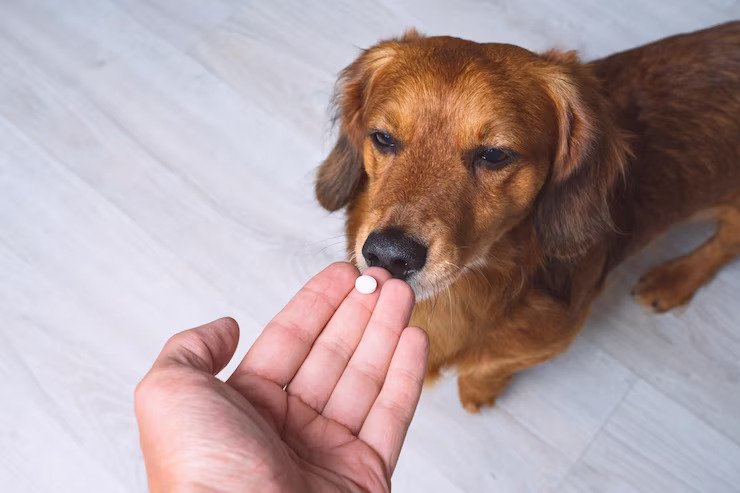
Can Dogs Safely Take Aspirin? Discover A Safer Alternative With CBD

Published on: 07 August 2023 Last Updated on: 31 August 2023
Aspirin

When your furry companions experience pain or inflammation, you naturally want to provide them with relief.

Aspirin is a common over-the-counter pain reliever humans use, leading pet owners to wonder if it is safe for their dogs.

Read on to discover "Can dogs take aspirin?" and how CBD can relieve pain for your beloved canine companion.

The Potential Risks of Aspirin for Dogs

Aspirin for Dogs

Aspirin belongs to a class of nonsteroidal anti-inflammatory drugs (NSAIDs). While it can be safe and effective for humans, dogs have different physiology that can make them more susceptible to the adverse effects of aspirin.

Here are some risks associated with administering aspirin to dogs:

1. Gastrointestinal Upset

Dogs are more prone to developing stomach ulcers and gastrointestinal bleeding from NSAIDs, including aspirin. The delicate balance of their digestive system can be disrupted, leading to vomiting, diarrhea, and even more severe complications.

2. Kidney and Liver Damage

Aspirin can place significant strain on a dog’s kidneys and liver. Over time, prolonged use or excessive dosages may lead to kidney or liver dysfunction, potentially causing long-term health issues. Reduced blood flow- often caused by aspiring might damage not only the liver of your favorite pet but also its kidney. 

3. Blood Clotting

One of the potential benefits of aspirin for humans is its blood-thinning properties. However, this can be dangerous for dogs, as it may increase the risk of internal bleeding, especially if they have underlying conditions or are taking other medications.

4. Reverse Healing

While aspirin can help your animal overcome pain, it might harm other bodily operations. The reason is prostaglandins have certain positive impacts on their body. Hence, when prostaglandins are exhibited from aspirin, there might be some reverse healing consequences.

5. Might Lead To Bleeding

Since aspirin works like a blood thinner, it might help in stopping blood clots when the dog is bleeding. Dogs having the disease of Von Willebrand should never consume aspirin. This disease lasts lifelong, and the blood never clots.

The Safer Alternative: CBD for Dogs

CBD is a non-psychoactive compound obtained from hemp. It has gained popularity recently for its potential therapeutic benefits, including pain relief and anti-inflammatory properties.

Here's why CBD is a safer alternative to aspirin for dogs:

Natural Pain Relief

CBD interacts with the endocannabinoid system in dogs, which helps regulate pain perception. It can provide relief for various types of pain, such as joint discomfort, arthritis, and post-surgical pain, without the potential risks associated with aspirin.

Anti-Inflammatory Effects

Inflammation is a common source of pain for dogs, and CBD has shown promising anti-inflammatory properties. CBD can help alleviate discomfort and improve mobility in dogs suffering from osteoarthritis or autoimmune disorders by reducing inflammation. A classic example of anti-inflammatory effects includes aspirin, which helps in the reduction of ulcers. 

Reduces Convulsions & Seizures

CBD has recently become a new alternative when it comes to treating seizures and convulsions in dogs. Without many possibilities of a side-effect, most dog owners prefer CBD oil instead of aspirin. CBD for dogs might be available in various convenient forms, including extracts from a dropper bottle or in addition to the food.

Minimal Side Effects

Unlike aspirin, CBD is generally well-tolerated by dogs. It has a favorable safety profile, with minimal side effects reported, such as drowsiness or dry mouth. However, it's essential to consult with a veterinarian to determine the appropriate dosage for your dog's specific needs.

Gastrointestinal Support

The infamous CBD oil is popular for relaxing and calming the intestinal lining of your dog. Ultimately, it reduces unnecessary pain that is caused when muscles are tensed in and around the stomach. The ingredients in CBD oil promote a healthy digestive system in your pet’s body. Depending on the health needs of your pet, you might upgrade to higher-potency CBD.

Choosing the Right CBD Product for Your Dog
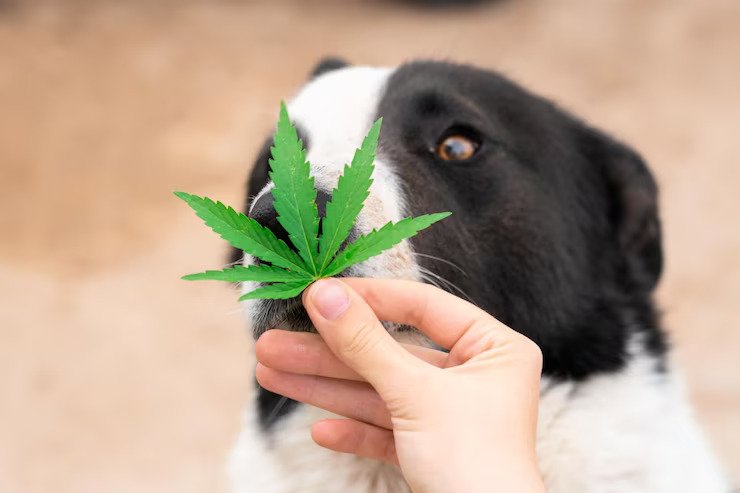
CBD Product for Your Dog

Choosing a high-quality product specifically formulated for dogs is crucial when considering CBD as an alternative to aspirin. Here are some key factors to consider:

Organic and Lab-Tested

Opt for CBD products made from organic hemp and undergo third-party lab testing. This ensures the absence of harmful chemicals, pesticides, and contaminants, guaranteeing the purity and safety of the product for your furry friend. Your pets, especially dogs, need careful attention. Hence, you must always opt for an organic CBD oil. 

Transparency

There are so many ways in which a company can offer you lofty promises of being top quality. But in order to buy the best CBD for your dog, you must always look for a brand that is transparent with its consumers. The CBD oil must be tested through a neutral third-party lab in order to reach the doors of your house.

Full Spectrum vs. Isolate

Full-spectrum CBD products contain a wide range of beneficial compounds in hemp, including trace amounts of THC (tetrahydrocannabinol). While THC is typically present in very low concentrations, choose CBD isolate products if you prefer a THC-free option.

Proper Dosage

Determining your dog's CBD dosage can be challenging. Factors such as their weight, age, and the severity of their condition play a role. Consulting with a veterinarian experienced in CBD use for pets is essential to ensure you administer the correct dosage.

Check The Quality

Your pet is no different than your other family members. You might want to provide them with the best care. Look for qualities like the following in CBD oil: 

  • Rich in antioxidants
  • USDA Certified Organic
  • Solvent, pesticide, herbicide and mycotoxin-free
  • Human grade
  • Without additives

Conclusion

While many pet owners may wonder, "Can dogs take aspirin?" it's important to recognize the potential risks and adverse effects of giving this medication to your canine companions. Instead, CBD offers a safer alternative for managing pain and inflammation in dogs.

With its natural properties and minimal side effects, CBD can be a valuable tool in improving your dog's well-being without the potential dangers of aspirin.

Before introducing CBD into your dog's healthcare routine, remember to consult with your veterinarian and choose a reputable CBD product specifically formulated for dogs.

Read Also:

Abdul Aziz Mondol is a professional blogger who is having a colossal interest in writing blogs and other jones of calligraphies. In terms of his professional commitments, he loves to share content related to business, finance, technology, and the gaming niche.

View all posts

Leave a Reply

Your email address will not be published. Required fields are marked *

Related

Resources And Further Learning

A Comprehensive Guide To Whitetail Deer Hunting: Tips For Beginners

Whitetail deer hunting is an exhilarating outdoor pursuit that attracts beginners and seasoned hunters alike. This comprehensive guide provides valuable tips and insights to help beginners successfully embark on their whitetail deer hunting journey. From understanding deer behavior to honing hunting techniques, this guide covers everything you need to know to get started and maximize your hunting experience. Understanding Whitetail Deer Before diving into the hunting techniques, it's crucial to understand the behavior and habits of whitetail deer. You can enhance your chances of success by gaining insight into their characteristics and preferred habitats. Whitetail deer are known for their keen senses and cautious nature. They are primarily crepuscular (active during dawn and dusk). Understanding their behavioral patterns and preference for certain habitats, such as wooded areas with nearby water sources, can help you identify optimal hunting locations. Preparing For The Hunt Proper preparation is key to a successful hunt. This section will guide beginners on the essential steps, such as acquiring licenses and permits, familiarizing themselves with hunting regulations, and selecting appropriate gear and equipment. Additionally, we'll emphasize the importance of physical fitness for an enjoyable hunting experience. Before Setting Foot In The Wilderness: Ensure you have obtained the necessary licenses and permits for deer hunting in your area. Research local hunting regulations and restrictions to stay compliant and avoid any legal issues. Regarding gear and equipment, invest in a reliable firearm or bow, appropriate ammunition or arrows, camouflage clothing, a comfortable tree stand or ground blind, and essential accessories like binoculars and a field dressing kit. If you need reliable rangefinder binoculars to enhance your hunting accuracy, check out this article, "8 Best Rangefinder Binoculars In 2023 With Reviews." Simply click here to read the article and make an informed decision on selecting the right equipment for your hunting needs. Moreover, maintaining good physical fitness will increase your endurance and enable you to navigate rugged terrain easily. Scouting And Locating Deer To increase your chances of encountering whitetail deer, you need to know where to find them. We'll explore the signs of deer activity, including tracks and rubs, and provide tips on locating bedding areas and feeding grounds. We'll also touch upon the use of trail cameras and scouting techniques to gather valuable information. When scouting for deer, watch for signs of their presence, such as fresh tracks, rubs on trees, and deer droppings. These indicators can lead you to bedding areas, where deer rest during the day, and feeding grounds, where they graze on vegetation. Utilizing trail cameras in strategic locations can provide valuable insights into deer movement patterns, helping you plan your hunting strategy accordingly. Hunting Techniques This section delves into the different hunting techniques for whitetail deer. We'll cover stand hunting, including tips for selecting tree stands and ground blinds and stalking techniques that help you move quietly and utilize cover effectively. We'll also discuss the art of calling and understanding deer vocalizations, scent control, and camouflage techniques. Stand hunting involves positioning yourself in an elevated tree stand or concealed ground blind near deer travel routes or feeding areas. Choose a sturdy tree stand that offers good visibility and camouflage it with natural materials. If opting for a ground blind, ensure it blends well with the surroundings. Stalking, however, requires stealth and patience as you silently move closer to your target, utilizing available cover to remain undetected. Mastering deer calls, such as grunts and bleats, can effectively lure them within range. Additionally, paying attention to scent control by using scent-eliminating sprays and wearing scent-blocking clothing can minimize your odor and prevent deer from detecting your presence. Shot Placement And Ethical Considerations A crucial aspect of hunting is ensuring ethical kills. We'll provide guidance on understanding deer anatomy for proper shot placement and recommend aiming points for clean and humane kills. Furthermore, we'll discuss the importance of tracking wounded deer and address ethical considerations surrounding hunting. To achieve an ethical kill, it's vital to understand deer anatomy. The preferred shot placement is behind the shoulder, targeting the vital organs for a quick and humane kill. Practice your aim at different distances to ensure accuracy and confidence in the field. Tracking wounded deer becomes crucial in the unfortunate event of a less-than-perfect shot. Follow blood trails and other signs of injury carefully, and be prepared to make the necessary effort to recover the animal. As responsible hunters, we must always prioritize ethical considerations, respecting the wildlife we pursue and the ecosystems they inhabit. Safety Guidelines Safety should always be a top priority during hunting. We'll outline essential safety rules for handling firearms, precautions for using tree stands, and the importance of situational awareness. Additionally, we'll touch on emergency preparedness and basic first aid knowledge. Before handling any firearm: Familiarize yourself with its operation and always treat it as if it were loaded. Follow the fundamental firearm safety rules of keeping the muzzle pointed in a safe direction, keeping your finger off the trigger until ready to shoot, and identifying your target and what lies beyond it. When using tree stands, ensure they are secure and wear a safety harness to prevent falls. Maintaining situational awareness of your surroundings, including the presence of other hunters, is critical for a safe hunting experience. It's also wise to carry a well-equipped first aid kit and be prepared for emergencies such as minor injuries or getting lost. Processing And Butchering After a successful hunt, knowing how to handle and process the harvested deer is important. This section will cover field dressing techniques, transporting and storing meat, and basic butchering tips to ensure you maximize your harvest. Field dressing is the process of removing the internal organs of the deer to cool down the carcass and preserve the meat. Ensure you have the necessary tools, such as a sharp knife and latex gloves, to perform this task properly. Properly field-dressed deer should be transported as quickly as possible to a cool environment. Once home, the deer can be further processed by skinning, quartering, and deboning. Proper storage, such as refrigeration or freezing, will help maintain the quality of the meat until you're ready to cook it. Post-Hunt Activities Completing the hunting cycle, we'll discuss the necessary steps for reporting your harvest and complying with legal requirements. Additionally, we'll explore options for trophy preservation and taxidermy, allowing you to cherish the memories of your successful hunt. Check your local regulations for reporting requirements and ensure you fulfill them within the specified timeframe. If you wish to preserve the memory of your hunt, you may consider trophy preservation through taxidermy. Consult professional taxidermists specializing in deer mounts and discuss your preferences and budget to determine the best options. Resources And Further Learning This section provides valuable resources for beginners seeking additional information and learning opportunities. We'll highlight online forums, communities, and websites dedicated to whitetail deer hunting. Furthermore, we'll recommend hunting education programs, workshops, as well as books, magazines, and videos for further enrichment. Expand your knowledge and connect with other hunters by joining online forums and communities dedicated to whitetail deer hunting. These platforms provide opportunities to ask questions, share experiences, and learn from seasoned hunters. Consider participating in hunting education programs or workshops offered in your area to enhance your skills and knowledge further. Books, magazines, and videos focusing on deer hunting techniques, gear reviews, and hunting stories can also provide valuable insights and inspiration. Conclusion In conclusion, this comprehensive guide has equipped beginner hunters with valuable insights and tips for successful whitetail deer hunting. By understanding deer behavior, honing hunting techniques, and prioritizing safety and ethical considerations, you're ready to embark on this thrilling adventure and create unforgettable memories in the wilderness. Remember always to respect wildlife and the environment, and may your whitetail deer hunting journeys be rewarding and fulfilling. As you begin your hunting journey, it's essential to prioritize physical fitness. If you're looking to kickstart your fitness journey and improve your endurance for hunting, we have a helpful resource for you. Check out our article "4 Tips For Getting Starting With Your Fitness Journey Today" to find practical advice and guidance on getting started with your fitness routine. Taking care of your physical well-being will enhance your hunting experience and contribute to a healthier and more enjoyable lifestyle overall. Read Also : Hunting Tips For Beginners Time For A Rush Of Adrenaline

READ MOREDetails
Dog Bite

A Quick Look At Dog Bite Statistics And Increasing Safety

Americans, as a whole, love their dogs. Many millions of American households are home to at least one pooch, and many families keep multiple dogs. Dogs have been domesticated for thousands of years. They are generally friendly, and they become productive members of households. Dog bites remain common. Many of these bites are relatively harmless, resulting in no substantial injury. However, some people do end up needing to seek medical treatment. Sadly, some people pass away from injuries sustained by dog bites, although fatalities are rare. If you or a loved one have been injured, you should speak with a lawyer. You may receive compensation for medical bills, pain and suffering, and other things. You can search for a dog bite lawyer in the Detroit area or for a lawyer based nearest you. Curious about dog bite data and increasing safety? Read on! Looking at the Data Regarding Dog Bites Data covering dog bites can come from many different sources. Immediately, one clear challenge emerges: data collection is often sporadic, and the methods used by different organizations and by researchers at different times.  As a result, they may make the data hard to compare. For example, the Centers for Disease Control has conducted various studies over the years. But they need to collect and publish standardized statistics on the issue regularly. Some of the most commonly cited statistics conclude that 4.5 million people are bitten by dogs each year. Roughly 800,000 require medical treatment. However, this data comes from a CDC study examining bites from 2001 to 2003. It’s hard to say if this data still accurately reflects the situation in recent years. On the one hand, dog ownership has increased, so perhaps dog bites are increasing. On the other hand, increased education and efforts to ensure healthier human-dog relationships may result in fewer bites. Dog Biting Statistics Moving further away from the dog statistics, the average cost per claim for dog attacks keeps on escalating from the year 2003 to that of 2017. They are driven by the increasing cost of medication and the higher settlements.   According to a study, around  28000 dog attacks resulted in hospitalization (the figures range between the years 1993 to that of the year 2008). The statistics kept on increasing therefrom. Presently, a dog bite treatment in a hospital (hospital stay) costs around $18200.  Looking at the number of dog attacks on US postal employees in 2019, one can understand cities notorious for dog bites. They include Chicago, Los Angles, Dallas, Columbus, Philadelphia, Toledo, and others. These figures point out the increasing number of dog bites and also the cost of treatments. The concerns keep mounting high with time.  The Most Crucial Statistics Let us know about some of the most crucial statistics on the dog bite. According to statistical figures, almost around 4.5 million people became victims of dog bites. Nearly half of them are children. Around  70% o dog bites are untreated.  Dog bite accounts for around  46 fatalities, as recorded in 2019. The Pitbull and the Rottweiler are responsible for 77% of dog bites. According to global figures, millions of dog bites occur Annually! These statistical figures call for introspection; therefore, the concerned authorities must be aware of the dog bites. It is important for the sake of awareness. Keeping Children and Safety in Mind With Canines Children rank among the most vulnerable to dog bites, and educating them to reduce the risk of bites is important. Since children are not as large or robust as the typical adult, they are more vulnerable to injury. Further, many children don’t understand how to interact with dogs properly. What may seem like innocent rough play may cause a lot of harm to canines. If a child injures a dog, it may be more likely to bite. It’s important for parents to properly educate children on dogs and how to interact with them. Supervision at home is crucial for households with both kids and dogs. It’s also wise to teach children not to approach strays or unknown dogs. While many dogs are friendly, some may be dangerous. Also, larger dogs can pose more of a threat. Even if a small dog bites a child or adult, it will likely do less damage. A larger dog, no matter the specific breed, will be able to inflict more damage if it should decide to bite someone. Remember, if you’re looking for a dog for your family. What If A Dog Bites Your Child You need to be mindful of health and safety measures when the dog bites your child (especially if it is not your own dog). At the same time, you also need to take your kids to the emergency department.   Though rate, infections like rabies and others are fatal. Therefore you must not delay at all and take your child to the nearby hospital for treatment. Your doctor will let you know if the child needs stickers or if antibiotics will suffice. Moreover, you can help your doctor by providing some important tips on the risk factors associated with dog bites. You can name the location of the dog’s owners. It will enable the doctor to procure updated data on the vaccinations. It can also help you understand whether or not the dog attacked was provoked or unprovoked. If the attack was unprovoked, let the doctor know if the dog is sick. It might completely affect the treatment decision. Have You Safely HENDled Them? Take note of some of the safest ways to handle dogs so that you do not have to be in trouble. Never try to squeeze the dog too tightly as they feel uncomfortable. Also, never tease them by pulling the ears and tail tightly. It is a sensitive organ.  Do not disturb the dog when they are eating. Dogs give their utmost concentration while they are eating. If you do it, be prepared to face the heat. Never put your fingers before them, especially when they are eating. These precautions can save you from dog bites.  Read Also: When Every (Dog) Year Counts: The Pros and Cons of Adopting a Puppy vs. An Older Dog 4 Cool Things You Probably Didn’t Know About Service Dogs What Can You Do When Bitten By a Dog?

READ MOREDetails
Husky and Pomeranian mix: character

Pomsky – A Mixture Of Husky And Spitz

Recently, a cross between a Pomeranian and a husky has been specially bred - Pomsky (the word combines the names "Pomeranian", "husky"). Hybrids combine the most valuable properties of these breeds. In the USA and European countries, they have become a fashionable trend, while in Russia and the CIS, they have just begun to gain popularity, for this reason, experts recommend purchasing designer pets. Husky with a Spitz breed: the appearance of a Pomsky They are slender dogs with fluffy, pleasant-to-the-touch coats. The coat consists of two layers - a waterproof undercoat and a longer guard hair. There are white specimens with a gray "mask", a kind of calling card of the Siberian breed, or all sorts of markings, completely white, black, gray, red, brown. Half Spitz, half Husky turned out thanks to artificial insemination, moreover, a larger breed is most often chosen as a female, although it happens the other way around. Features of appearance are determined by a combination of signs of both breeds, but the pomsky dog breed eyes were inherited precisely from the ancestors of the riding breed. The color of the iris of animals differs in a variety of shades and can be: blue; green; nutty; Complete and partial heterochromia is quite common: Eye pigmentation, if this feature is present, has many options: Coloring "harlequin", when the eyes have a different color, for example, one blue, one brown. Marbled eyes. It is characterized by the presence of spots of other shades on top of the main color of the iris. The difference in shades of individual segments of the iris. Subsequent generations resulting from the crossing of two individuals may have unpredictable external data. To a greater extent, this applies to height and body weight. The parameters are determined by the sex of the puppy (boys grow larger), the weight and height of its parents. The spread in body mass indicators is significant and is in the range of 4-13 kilograms. The bodyweight of an adult dog will be approximately equal to the sum of the parents' weight indicators, halved. Husky and Pomeranian mix: character They are funny, affectionate, and curious pets, wonderful companions. They are distinguished by their calmness and friendliness and are well suited for families with small children. Such a dog will never harm a child and will make friends with any pets, with the exception of rodents. Polski is energetic and restless, they definitely need space to play. They are loyal to the owner, but quite independent dogs. They tolerate loneliness well enough and feel good both in a large family and with one person. These four-legged animals may well learn to bark only on command. You can only achieve results with the help of praise and rewarding treats. Physical punishment cannot be applied to the Pomsky. The Husky / Spitz hybrid has a developed intelligence inherited from both breeds. He perfectly masters commands, is quick-witted, loves rewards. In the future, a cross between a Pomeranian and a husky can establish itself as a guide or lifeguard. Husky with Pomeranian Pomsky breed Metis Husky and Spitz feel good both in the city and in a country house, but this is not a yard breed at all. Nevertheless, he must walk and play a significant part of the time in order to spend the accumulated energy. Moderate molting occurs twice a year. During this period, the following recommendations should be observed: Wash your pet less often. Brush out more often. Especially carefully you need to comb the hair near the muzzle, where it is thicker and can cake. There is no need to trim the coat, only trimming around the fingers is allowed. Just like felines, they can lick themselves. The diet is not much different from the usual dog menu. It must contain a sufficient amount of vitamins, nutrients, and minerals. Prohibited products: raw meat and fish; fatty; smoked; sweets; pickles; spice; bakery products. It is better to give preference to home or mixed feeding. If there is not enough time to prepare food, a balanced dry food will do. With this type of food, you should always ensure that there is enough fresh water in the drinker. The mixture of husky and spitz has not yet been fully studied, it is impossible to say for sure which diseases these animals are most vulnerable to. According to breeders, hybrids have a strong and healthy organism, failures rarely appear, and there are no hereditary diseases at all. Puppies must be vaccinated. To figure out what possible diseases a half-Pomeranian half-husky can be susceptible to, information about the more often Pomeranian and husky are sick. Periodically, you should visit a veterinarian in order to conduct routine preventive examinations. To know more about other dog breeds, visit anythinggermanshepherd.com. Read Also: Smaller Sized Meal Portions for Dogs Amazing Facts You Need To Know About Corgis 4 Cool Things You Probably Didn’t Know About Service Dogs 

READ MOREDetails