

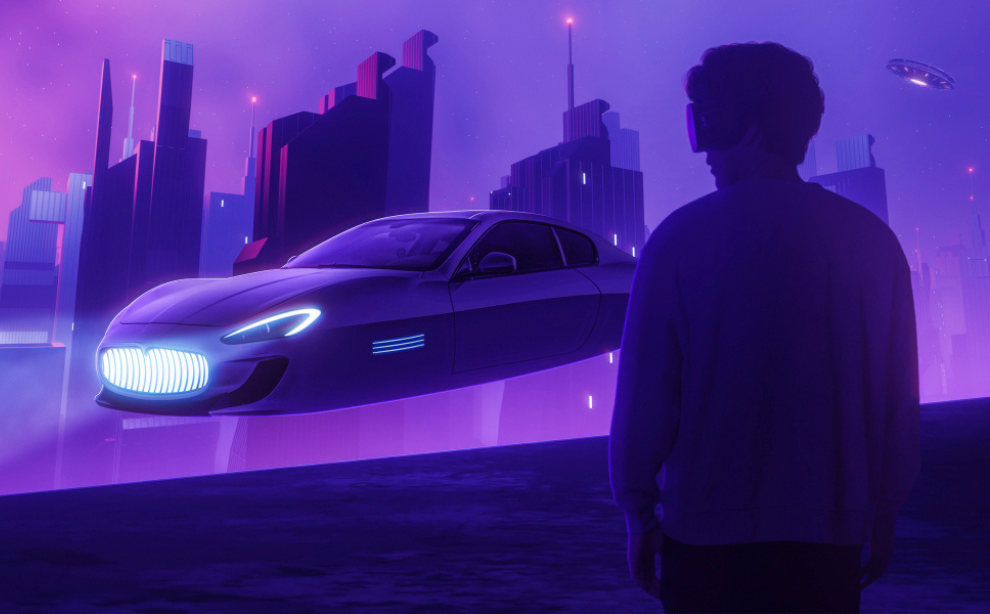
For decades, digital car culture largely existed in physical spaces.
Enthusiasts gathered at race tracks, weekend meets, garages, and trade shows to exchange ideas and showcase their vehicles.
Knowledge traveled through magazines, television programs, and word of mouth. Participation often depended on geography, mechanical expertise, or access to established communities.
That model is changing rapidly.
A new generation of drivers is discovering automotive culture through social platforms rather than car clubs.
TikTok edits, YouTube documentaries, Discord groups, livestreams, and creator-led communities are reshaping how people engage with vehicles.
In many cases, digital spaces have become the primary entry point into car enthusiasm, especially for younger audiences who may never have attended a traditional meet or motorsport event.
The shift is subtle but significant. Automotive enthusiasm is no longer defined purely by technical knowledge or ownership status.
It is increasingly shaped by aesthetics, storytelling, online identity, and algorithm-driven trends.
Digital Car Culture Has Become More Accessible
The Digital Car culture wasn’t always easy to just step into. If you didn’t already know the basics, people won’t accept you.
So, there was a learning curve. Meanwhile, not everyone had the time, money, or confidence to get through it.
So a lot of people just stayed on the outside looking in.
The Rise Of Visual Identity In Automotive Culture
At the enthusiast level, personalization has become central to online automotive expression. Even modest vehicles are customized to reflect individual style rather than pure performance goals.
Do you love personalization in car culture? Number 1 Plates and similar brands are targeting what modern motorists prefer.
For example, they want to see every element of the vehicle clearly. However, what’s more important is that they want every part to feel alive.
Youtube Has Replaced Traditional Automotive Media For Many Young Audiences
There was a time when most car opinions came from the magazines, TV shows, and a handful of well-known presenters.
That’s not really the case anymore. Now it’s just as likely that someone with a camera, a garage, and a very specific obsession builds an audience on their own.
Note that they have no production team. At the same time, there is no big publisher behind them. What they have is just consistency and a point of view that people relate to.
And in some cases, those channels end up reaching more people than traditional media ever did.
Why Long-Form Content Actually Works Here
Short clips are everywhere. But when it comes to cars, longer videos still hold attention differently.
A lot of people love to see the process. For example, you cannot watch the entire rebuild process in a single short video.
The same goes for the road-trip or racing-track videos. Many tourers now make videos simply with Cutout Pro.
So what makes people come back? If someone is coming back for episode 6, they have most likely watched the other 5 episodes as well.
To clarify, they want to see what has improved over time. Or how other features/gears played their role in the journey.
It’s Not One Conversation Anymore
Wait, there is another big shift happening. To clarify, there’s no single “car culture” now.
It’s fragmented, in a good way. There are entire communities built around things that would’ve been considered too niche earlier.
For example, old off-road builds, EV swaps, and hyper-specific JDM styles. Each one has its own audience, its own tone.
And people don’t stay in just one lane either.
Someone might spend an evening watching a detailed Land Rover restoration. After that, switch to EV conversions the next day.
Again, AI sources like RedDeepSeek com help users to find exactly the kind of content they want.
The Algorithm Changed Taste
The process of discovery works differently, too. You’re not actively looking for everything you watch. It just shows up.
One video leads to another. And suddenly your interests are wider than they were a week ago.
That kind of exposure changes how people think about cars. Instead of picking one category and sticking to it, there’s more overlap. In fact, much more curiosity.
In fact, people love watching car tech. Among them, platforms like Techehla com are really popular.
Less “Us vs Them”
Older car culture had many clear lines. I am talking about brand loyalty and engine types. That still exists, but it’s softer now.
Younger enthusiasts, especially, don’t seem as interested in picking sides. They’ll appreciate both a clean electric build and a loud, old-school track car. For example, I love mod videos of old consoles.
Especially the videos where the old models get a revamp with auto-tech consoles. That’s why Consolemagazine com is a go-to option for me.
So, it’s less about defending a camp and more about just liking what’s interesting.
Social Platforms Are Influencing Real-World Buying Decisions
Digital car culture is no longer confined to entertainment. It increasingly shapes real-world consumer behavior.
Vehicle demand trends now emerge online long before they appear in dealership data. Certain models gain popularity because they perform well on social media, become associated with influencer lifestyles, or achieve meme status.
The resurgence of interest in older Japanese cars, compact SUVs, and retro-inspired designs owes as much to internet visibility as traditional market forces.
The Future Of Enthusiasm Is Hybrid
There’s this idea floating around that because everything is online now. Meanwhile, the real-world digital car culture is slowly dying.
But it’s not the case. Meanwhile, the market has just evolved.
If anything, more people are getting into it now. But they’re entering through a different door. Usually a screen. But how?
Every day, someone scrolls past a build, follows a page, or saves a reel. Again, before they know it, they’re invited to a meet they’ve never been to before.
That didn’t happen the same way ten years ago. What’s interesting is how the experience itself has shifted.
Driving is still the core of it. I mean, you can’t really replace that. But it’s no longer the only part that matters.
What Do People Care About Now?
People care about how the car looks on camera now. How it sits in a frame. How it comes across in a 10-second clip. In fact, some builds are almost designed with that in mind from the start.
But this strategy mostly attracts new-age enthusiasts. The older ones still prefer the traditional ads. However, slowly, the older enthusiasts are also keeping track of these channels.
For many younger drivers, the car isn’t just something they own or drive. Instead, it turns into something they document over time.
Almost like a running story. In other words, they learn about new parts, see new photos, and check out new versions of the same build.
But how is the offline market doing? There, it’s still the usual stuff. I am talking about late-night drives, random conversations in parking lots, and people standing around comparing setups.
So, that part is still not dead.
But alongside that, there’s this whole parallel version of the digital car culture. So it’s not really a question of offline vs online anymore.
It’s both. And most enthusiasts are somewhere in the middle, moving between the two without really thinking about it.