












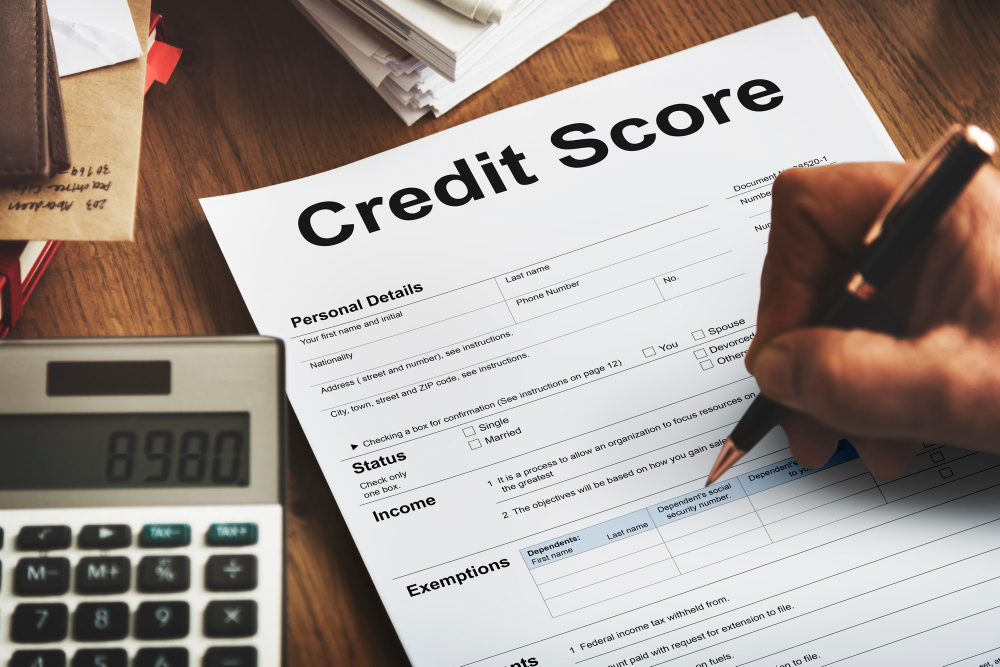
The credit score plays the role of a crucial factor when you apply for a loan. Lenders generally consider your credit score to assess your ability to repay.
Hence, it is important to ensure that your credit score is correct. However, we often get penalized for mistakes we have not made.
When businesses and services that you have used in the past fail to maintain accurate credit reports, it can be a problem. This often affects your credit score in the most unfair way possible.
However, regulations such as the Fair Credit Reporting Act (FCRA) have been established to protect individuals’ rights.
Thus, you should be aware of the violations and how you can proceed to restore your credit score. Preparing for a loan application involves more than gathering documents.
A strong credit score can influence approval chances and interest rates, so taking time to strengthen your financial profile can be worthwhile.
In this article, we will try to find the answer to the question, “How to improve your credit score?”
How To Improve Your Credit Score? Step-By-Step Guide
While people keep asking “How to improve your credit score?”, here are a number of things that they should do to elevate the standards of their credit score.
1. Review And Understand Your Credit Report
Check for all the outdated and incorrect information on the credit report. Find out the data reloaded to the incorrect account balance and the payments that were missed.
Moreover, this wrong data can bring down the credit score of a person in an unfair way.
Furthermore, you should communicate about the inaccuracies with the reporting agency to ensure your record is accurate.
2. Pay Bills Consistently And On Time
Payment history often has a major impact on the credit score. Moreover, the late or missed payments can cause significant drops.
Hence, setting reminders or using automatic payments can help maintain a consistent record, showing lenders you manage obligations responsibly.
3. Reduce Credit Utilization
High credit card balances compared to limits signal increased risk. Always try to bring down your credit usage below 30% of the total credit that is available.
You should also try to improve the ratio while paying down balances. Furthermore, you can also request higher limits.
However, you should maintain a low spending. This will gradually improve the credit score.
4. Avoid Opening Too Many Accounts
Several credit enquiries within a short period can easily reduce your credit score. This happens when several of them occur within a very short span of time.
You should apply for new credit cards only when it is necessary. Furthermore, you should also avoid unnecessary retail credit card offers.
Hence, do not go for financing options before the approval of the loan.
5. Maintain Older Accounts
Length of credit history contributes positively to scoring models. Keeping older accounts open, even if rarely used, demonstrates long-term financial stability.
Closing old cards can shorten your average account age and reduce available credit.
6. Use Professional Guidance When Needed
Individuals who struggle to manage debt or correct errors may benefit from professional credit repair assistance.
Specialists can help identify factors affecting your score and develop strategies for improvement within your financial circumstances.
What Are The Regional Considerations For Responsible Borrowing?
Local financial conditions, regulations, and lending standards can influence how credit scores are evaluated.
Seeking tailored advice for credit repair Fort Worth can help align your credit-building efforts with local expectations and lender requirements.
The regulations, conventions, and standard operating procedures of each and every place are very different from one another.
In the United States, the federal law largely governs the regional credit regulations. Moreover, the regulations ensure just lending through (Regulation B.
In addition to this, the law also ensures accurate reporting with the help of (FCRA/Regulation V). Furthermore, the Regulation BB ensures community reinvestment.
Hence, all borrowers should be aware of these regulations, as they are meant to protect their credit scores.
What Is The Fair Credit Reporting Act (FCRA)?
The Fair Credit Reporting Act was enacted in 1970. The Fair Credit Reporting Act aims to regulate the CRAs (Credit Reporting Agencies).
These agencies play a major role in collecting financial information from diverse sources and creating a borrower’s credit report.
The investigating entities, banks, financial lenders, and others consider these reports to conclude the financial capabilities of a person to pay back after taking a debt.
The lenders use these reports to ensure proper mortgage screening, loan sanctions, background checks, and several other tasks.
The 108th Congress made certain amendments to the act in 2003. Hence, they made these amendments under the Fair and Accurate Credit Transaction Act (FACTA).
The amendments aim to protect the consumer’s rights and prevent issues like identity theft that heavily affect the victims.
Building Long-Term Financial Health
Improving a credit score is not a quick fix but a process of consistent management. Monitoring progress, managing debt wisely, and maintaining healthy financial habits all contribute to lasting credit strength and better loan opportunities.
While people ask “How to improve your credit score?”, it is important not to forget that fixing the credit score requires a lot of patience.
Credit score improvements generally happen gradually. Moreover, people often find it difficult to complete the tasks necessary to improve their credit scores after managing their day-to-day work.
Thus, involving professionals in these situations can easily help. The professionals help you navigate through all the procedural nuances in the process of improving credit scores.
The credit repair agencies or credit repair companies work as third-party agencies. Moreover, these professionals or a group of professionals help individuals identify the fraudulent information.
These agencies also help to remove outdated information from the credit records. Hence, this helps in increasing the credit score of a person.
These professionals work with various credit bureaus to identify all the unidentifiable negative items from the credit report of an individual.
Frequently Asked Questions (FAQs)
Here are the answers to some of the most commonly asked questions that people ask, along with “how to improve your credit score?”
You can immediately raise your credit card limits by paying the credit card balances below 10-30% of the limit.
On the other hand, you should also check for the misreportings that may have caused unfair penalties.
The process of raising a credit score generally requires time. Thus, people should not be impatient while navigating through the processes.
Missing payments causes the most problematic damage to your credit score. Moreover, payment history makes up to 35 % of your credit score.