









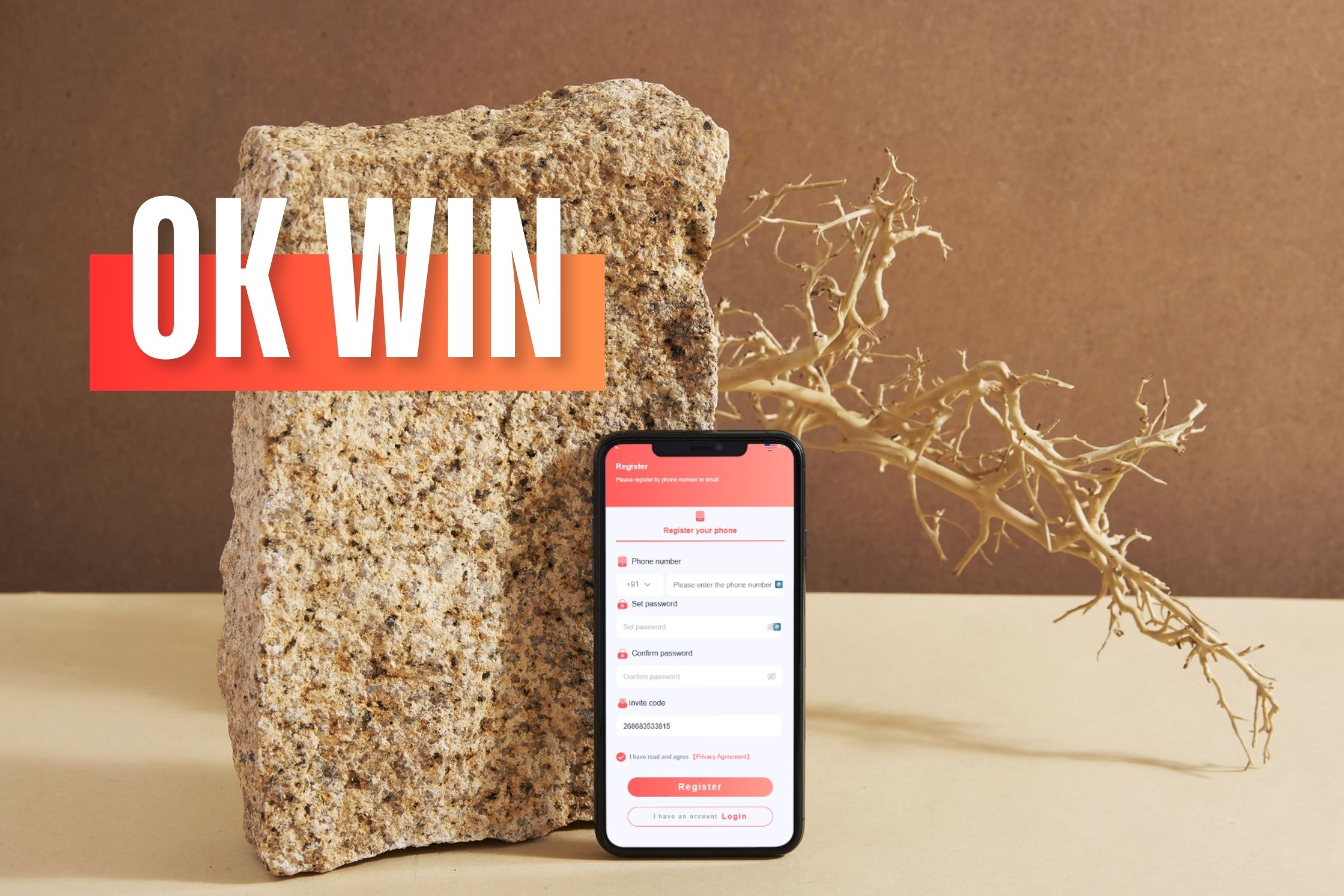
Ok Win Game Review: Is This Color Prediction App A Real Earner Or A Financial Trap?

by

13 March 2026

Blog

Ok Win

I am yet to comprehend the current landscape of side-hustle culture. It’s really too much to keep up with! 

But I have also noticed something that really impresses me! The allure of making quick cash via a smartphone has never been stronger.  

Among the loudest names in this space is Ok Win. I am sure you might have heard of it somewhere. People often search for it as Ok Win Game.  

Promising instant wealth through color prediction and small-scale betting, the platform has flooded social media feeds and Telegram channels across India. 

But as the platform’s reach grows, so do the questions regarding its legitimacy.  

Is Ok Win a revolutionary gaming platform, or is it another entry in the long list of unregulated betting apps?  

This investigative guide dives deep into the mechanics, risks, and reality of the Ok Win ecosystem. 

What Is The Ok Win Game?
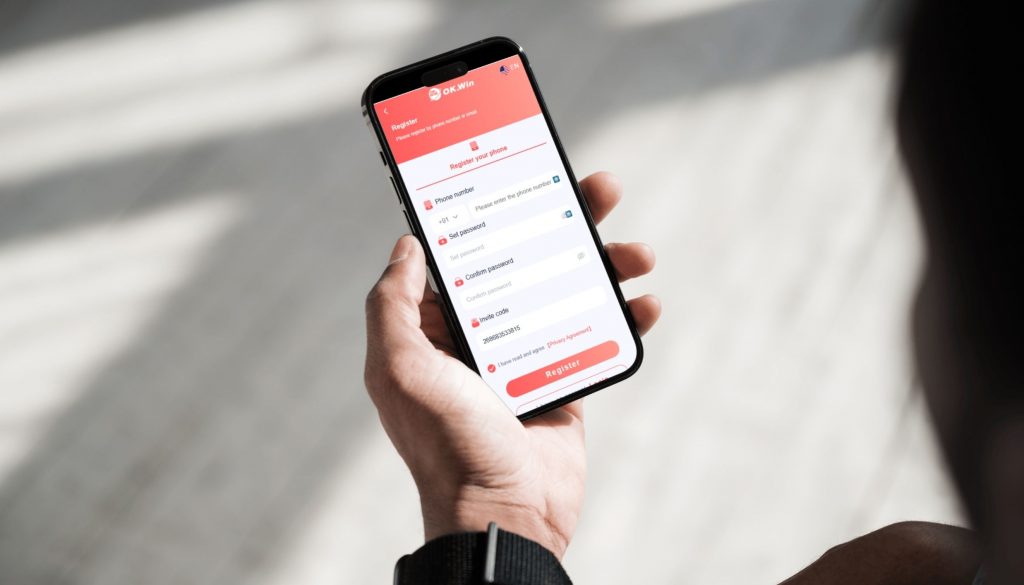
At its core, Ok Win is an online prediction platform.  

Also, I would like to clarify that this game is nothing like the skill-based games such as Chess. 

In fact, it is also very different than some forms of Rummy. Rather, i would say that Ok Win primarily revolves around probabilistic outcomes.  

So here, you will be asked to trade or bet on the outcome of short-cycle events. 

These are most commonly the color of a digital result, such as: 

  • Red 
  • Green 
  • Violet 

What Are the Primary Features Of The Ok Win App?
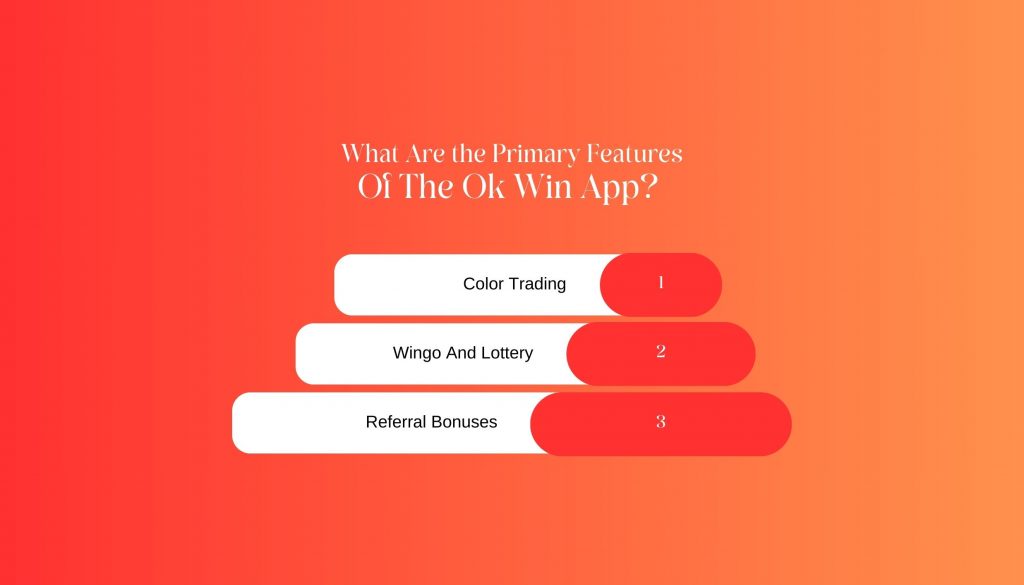
The platform is built on three main pillars. Additionally, the makers have to keep users engaged and constantly depositing funds: 

1. Color Trading:  

A 1-minute or 3-minute cycle where you predict which color will appear next. 

2. Wingo And Lottery:  

Variations of number-based guessing games that function similarly to a digital roulette. 

3. Referral Bonuses:  

A multi-level marketing (MLM) structure where you earn a commission for every person you invite who deposits money, often used by influencers to promote the site. 

According to an analysis by Aseem Juneja’s cybersecurity review, the platform thrives on a viral loop. 

Here, the platform encourages you to share its winning screenshots. This aims to lure in new participants. 

The Technical House Edge: How Does The Ok Win System Really Work?
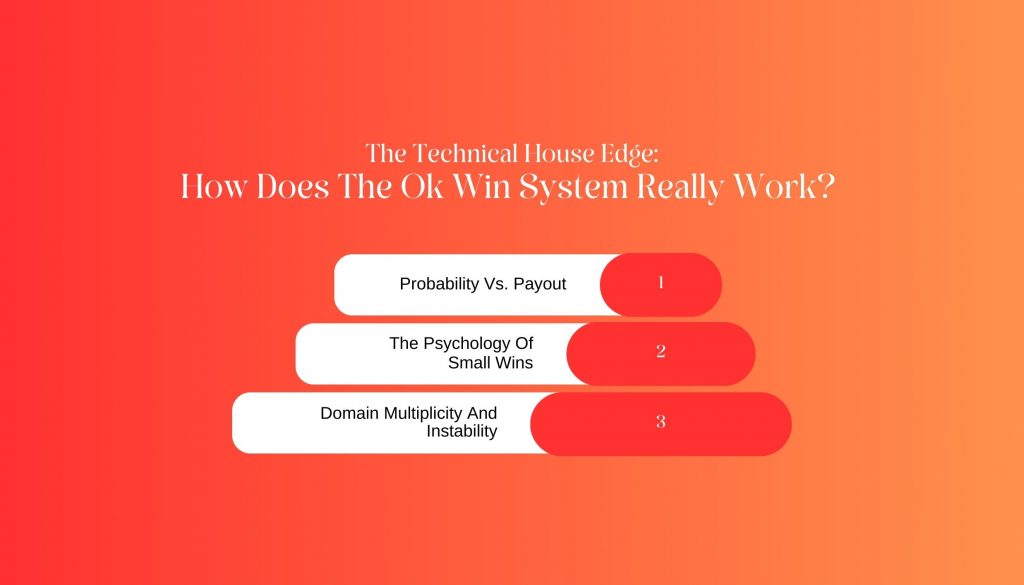
To understand Ok Win, you must look at the mathematical reality behind the curtain.  

So, in the world of gambling, this is known as the House Edge. 

1. Probability Vs. Payout 

If you bet on a color, you have a roughly 50% chance of winning. Of course, this is minus the Violet tie-breaker.  

However, the platform’s payout ratio is rarely 2.0x.  

Additionally, it is usually lower.  

So, this means that over 100 rounds, the house is mathematically guaranteed to keep a percentage of all money wagered. 

2. The Psychology Of Small Wins 

Ok Win uses a psychological tactic called variable ratio reinforcement. Additionally, the platform allows users to win small amounts early on. 

I would say it’s 100 INR or 500 INR. Therefore, through this, the platform builds a false sense of skill.  

Also, this encourages users to deposit larger sums, such as 5,000 INR or 10,000 INR. 

Now this is exactly where the withdrawal problems typically begin. 

3. Domain Multiplicity And Instability 

One major red flag is that Ok Win exists across dozens of shifting domains (e.g., okwin. asia, okwingame.me, okwin.in.net).  

As noted in investor warnings from regulatory bodies, this is a common tactic used by unregulated sites to stay one step ahead of internet service provider (ISP) blocks and legal scrutiny. 

The legal status of Ok Win is a significant gray area that leans toward the dark side.  

In India, the Public Gambling Act of 1867 distinguishes between Games of Skill and Games of Chance. 

Firstly, these are legal in most states. Additionally, these include platforms where the player’s strategy or knowledge determines the outcome. 

Also, these are classified as gambling. Therefore, they are heavily restricted. In fact, they are also illegal in many Indian states. 

As I mentioned, the outcome of a color prediction in Ok Win is determined by a Random Number Generator (RNG). 

Also, it involves no significant player skill. Therefore, it is widely categorized as a game of chance.  

Furthermore, Ok Win is not registered with the Reserve Bank of India (RBI) or the Securities and Exchange Board of India (SEBI). 

So, this means you will have zero legal protection if the site suddenly disappears with their deposits. 

What Are The Key Red Flags: Identifying The Hidden Risks
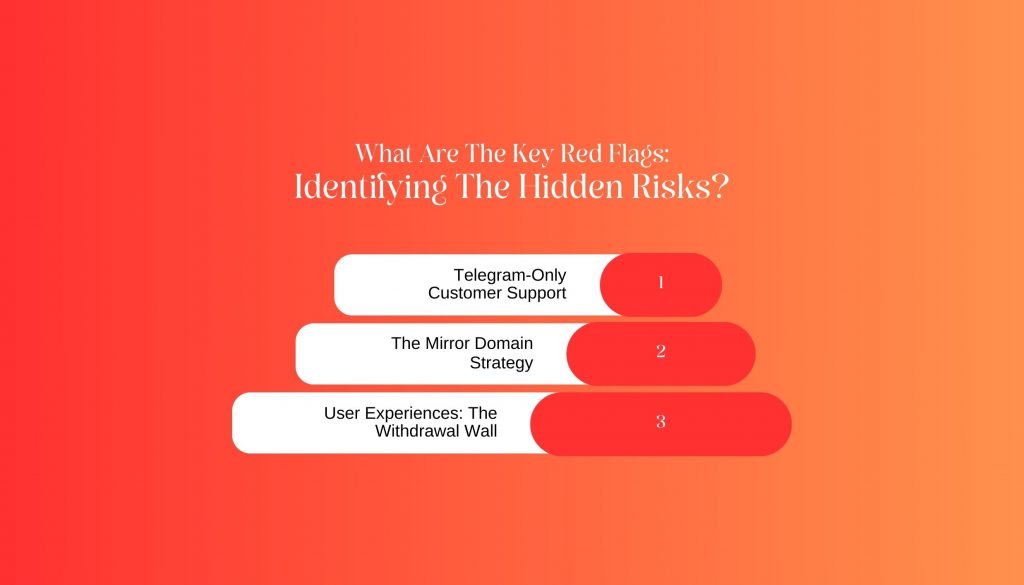
If you are considering using Ok Win or a similar app, it is vital to recognize the structural warnings that often point toward a scam. 

1. Telegram-Only Customer Support 

A major warning sign is the lack of official corporate transparency.  

Legitimate fintech apps provide verified email addresses and physical office locations.  

Ok Win, however, operates almost entirely through mentors on Telegram.  

This makes it impossible to hold the company accountable if your funds are frozen. 

2. The Mirror Domain Strategy 

As mentioned previously, the website URL changes frequently (e.g., .me, .asia, .xyz).  

This is a hallmark of fly-by-night operations. Also, it anticipates that the search engines or government regulators will likely flag it.  

If the site you are using changes its address every few weeks, your data and money are at extreme risk. 

3. User Experiences: The Withdrawal Wall 

A recurring theme in user reviews on platforms like Trustpilot and Reddit is the Withdrawal Wall.  

Users often report that while depositing money is instantaneous via UPI, withdrawing it is a nightmare. 

What Are The common Tactics Used To Block Payouts?
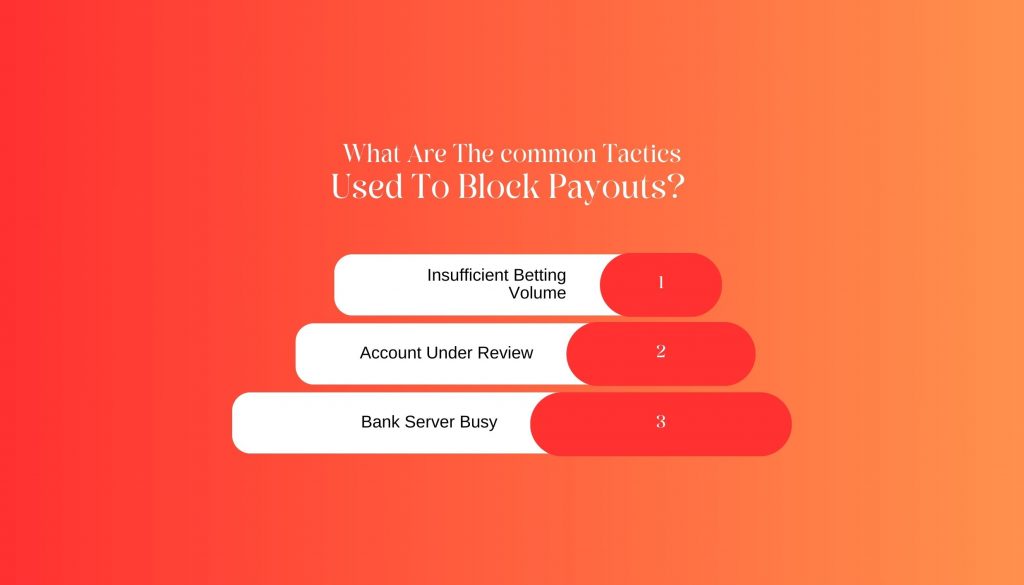
I was reading Eknath Shinde’s digital safety report for research. It highlights that the platform has designed tactics to frustrate the user. 

In fact, these will keep at it until they simply give up or gamble away the remaining balance. 

1. Insufficient Betting Volume:  

Firstly, it will tell you that you must bet 10x your deposit before you can withdraw. 

So, it is directly forcing you to risk your winnings until they are likely lost. 

2. Account Under Review 

Secondly, it locks your account for suspicious activity. All good, but this happens the moment you try to withdraw a large sum. 

3. Bank Server Busy 

A perpetual error that never resolves. Also, it keeps your money trapped in the digital wallet. 

On the other hand, the platform continues to earn interest on your funds. 

What Are Some Safer Alternatives For Digital Earning?
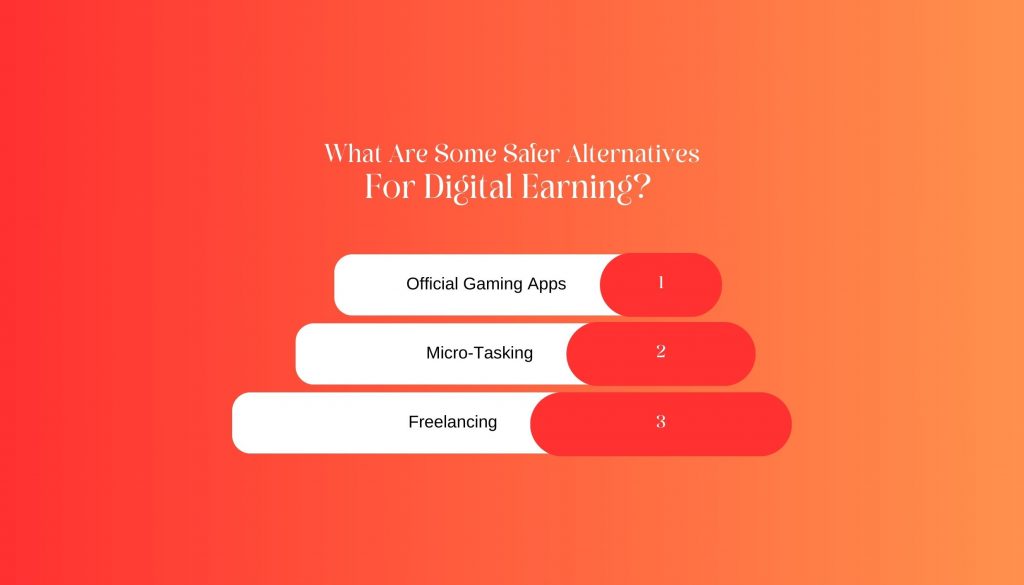
You don’t have to gamble to make money online. If you have time to spare, consider these verified, skill-based paths. 

I can assure you that these offer genuine payouts: 

1. Official Gaming Apps 

Firstly, you can check out platforms like Zupee or Dream11. These operate within the legal frameworks of Games of Skill in India. 

Additionally, they also have transparent withdrawal systems. 

2. Micro-Tasking 

Secondly, you can go for websites like Amazon Mechanical Turk or Clickworker. 

These will pay you for small data-entry tasks. Also, I would like to add that these tasks require human intelligence

3. Freelancing

Finally, if you have a skill in writing, design, or coding, platforms like Upwork or Fiverr are for you. 

It allows you to build a long-term income stream. And the best part? You can get work without depositing a single rupee. 

final Verdict: Should You Play Ok Win? 

The short answer is: No. 

Yes, I agree that the flashy interface and the thrill of a 1-minute win are tempting. 

But we also have to understand that Ok Win lacks the transparency and regulatory backing. 

Also, it doesn’t have the technical security that it requires for people to trust this financial platform.  

It operates more like a high-stakes digital lottery than a game. 

Treat Ok Win as high-risk entertainment only.  

Never invest money that you cannot afford to lose, and never provide the platform with access to your primary bank account or sensitive personal data.  

In the world of online earning, if it feels too fast and too easy, it’s probably a trap. 

Barsha Bhattacharya is a senior content writing executive. As a marketing enthusiast and professional for the past 4 years, writing is new to Barsha. And she is loving every bit of it. Her niches are marketing, lifestyle, wellness, travel and entertainment. Apart from writing, Barsha loves to travel, binge-watch, research conspiracy theories, Instagram and overthink.

View all posts

Leave a Reply

Your email address will not be published. Required fields are marked *

Related

photo sharing platform

Share Photos With Friends And Family: Choosing The Right Platform

Say you have an important event coming up in your life. We’re talking your wedding day, a significant birthday party, a family reunion that you’ve been planning for a long time, or anything else that you’re excited about.  There is certainly no doubt that you’ll want to have everything organized perfectly, and you may need some tips on that, such as those offered on this page. If it has been a while since you have had to plan anything that important, you may not be aware of some of the new things and trends that you can incorporate into the event in order to keep everyone engaged and, well, have the time of your life.  Among other things, there is the idea of sharing photos easily with your friends and family. And, you may have thought that doing this requires you to talk to everyone individually and ask them to send photos, or perhaps creating a Viber group or something like that to make this a bit easier. Well, that’s the old way of doing things. The new way of doing things is much easier and much more straightforward. As well as being more beneficial, because the photos that people will share this way are bound to retain their actual quality.  Plus, it is sure to be more fun for everyone, and there’s absolutely no chance for you to forget to include someone, which can happen when you’re creating those group chats I have mentioned. To cut right to the chase, I am talking about the idea of using a photo sharing platform to do this. This option has become quite popular for weddings, but it can be used for any other event you may have coming up as well.  After all, the idea is for you to find an easy way to share the photos the guests are taking with one another, and to, thus, enjoy those candid moments and increase your collection of memories, to put it that way. If you’re wondering how to gather all of those photos, this could also be of some help: https://www.brides.com/story/apps-to-help-wrangle-wedding-photos. How To Choose The Best Photo Sharing Platform?  Okay, I am sure that you already understand the benefits that come with using a photo sharing app to your advantage, whether you’re organizing a wedding or any other event for that matter.  What you may not be sure about, though, is how to actually find and select the right platform that will allow you to do this easily.  And, well, that is what we are going to be discussing right now, hoping to help you make the best possible choice. 1. Ask Around Do you happen to know anyone who has done this previously? Perhaps you’ve been to a wedding where photo sharing was a thing. Or, some of your friends may have some input.  In any case, the point is that you should ask around and check if the people around you may have some platforms to recommend.  This doesn’t mean that you should immediately jump towards using the ones they recommend. Because you still have some more research to do, but this can undeniably be a good starting point for you. 2. Search Online Whether you get a lot of recommendations or not, this next step will surely be the same. To put things simply, you should also search for these platforms online.  After all, you can’t expect the people around you to be familiar with all of the photo sharing platforms out there. However, the Internet certainly will, since these have to be online. So, take some time to browse the Web and make a list of potential platforms. 3. Check The Offered Features Of course, you will want to check out the offered features in more detail.  For instance, you should check if the platforms you are considering offer the option of creating a QR code, as that is the best way to share pictures easily, and to make this fun for everyone.  Then, don’t forget to have a look at the available space. Check other important features, such as access, privacy, resolution quality, one-way or two-way sharing, and similar things. 4. Check The Ease Of Use Whatever you do, always go for a platform that is easy to use. You don’t want your guests to have trouble uploading the photos. That would probably make them give up right away. So, test it out before committing. 5. Check The Prices Finally, check the prices of the offered service. These can definitely differ from one provider to another, and your task is to check and compare those.  Remember, though, that you should never decide based on the prices alone. You should always consider all of those other features we have mentioned as well. Don’t simply go for the cheapest option and go for value for money. 6.  Look For How The Organizational Tools Work  So, you are using a photo-sharing platform, especially for photos of family celebrations. The age group of the users will be varied. So, you will have to find a platform that comes with easy organizing tools.  With these tools, you can easily sort and organize the photos. Thus, even the less tech-savvy ones will also have quick access to them.  Furthermore, suppose you are doing it for your clients or in the capacity of a professional photographer. A skillful organization will make the presentation more aesthetic.  7. Choose A Photo Sharing Platform That Offers Customization  Suppose you are sharing your photos on a platform to showcase your work or build your portfolio. You must pick one that offers enough customization options. Some platforms even allow you to use logos along with customized layouts, themes, and designs.  8. A Platform That Helps You Connect  It can be a family group of 30, or you may be doing it for your client. You can choose a photo sharing platform that allows you to engage socially.  One can like or comment on photographs there. They can even do direct messaging to share their views.

READ MOREDetails
Self-Driving Cars

Self-Driving Cars And Pedestrian Safety: Who’s Responsible When Tech Fails?

As the technology surrounding autonomous vehicles improves, it has become more common for self-driving Cars to make their way onto roads in cities across the country. We first saw them in movies, then on our social media feeds, and now they pull up to us at stop lights. At the same time, as instances of autonomous vehicle crashes increase in number, it is reasonable to question who is ultimately responsible for these accidents. Being injured in an autonomous vehicle accident, either as a passenger of the vehicle or as a driver/passenger in another vehicle, can be disconcerting. It can feel like you are left out in no-man’s land when you are trying to pursue a claim or lawsuit for injuries suffered due to an autonomous vehicle being driven negligently. Do the traditional notions of fault apply when there is no “other” driver? Imagine the confusion when you step out and find there is no other human standing on the side of the road with you. How Prevalent Are Autonomous Vehicles On The Roads? It seems like only yesterday that autonomous vehicles were only in an experimental phase. Autonomous vehicle manufacturers would introduce a vehicle or two to a mainly urban setting to determine what issues needed to be worked on.  At first, the autonomous vehicles were somewhat less autonomous than one would assume. The reality is that these vehicles would have a human in the backseat of the autonomous vehicle, literally acting as a backseat driver. The person would ensure that the vehicle was functioning properly and could control the vehicle’s functions when it became necessary.  As the technology improved in these vehicles, it became apparent that it was only a matter of time until truly driverless vehicles became more common. We are now at the point in the development of these vehicles that you would not be surprised when driving around to see a vehicle next to you moving in traffic without a person in the driver’s seat or controlling the vehicle at all. The use of ghost drivers is particularly popular in food delivery rides in larger cities. Understanding Autonomous Vehicle Liability When an autonomous vehicle hits another vehicle or a pedestrian, it is still not a clear-cut issue as far as fault is concerned. Liability can fall onto different parties. The owner of the vehicle, any human who is operating the functions of the vehicle, or a party who provided parts or other services for the vehicle. All of these parties (and potentially more) could be responsible for injuries suffered due to the operation of an autonomous vehicle.  In a traditional motor vehicle accident, a party attempting to prove liability must show that the other driver failed to exercise reasonable care. In other words, the other driver drove negligently.  When we consider autonomous vehicles and the subject of liability, there is far less legal precedent for courts to consider. Most traffic laws are not designed with autonomous vehicles in mind. However, it may be some years before there are clear-cut precedents and expectations for establishing fault in car accidents involving driverless vehicles.  What Analysis Is Performed In Determining Fault In A Case Involving An Autonomous Vehicle? Self-driving vehicle crashes require a thorough analysis of many factors. How well the self-driving vehicle’s system is working is part of that analysis. Whether there were any defects in the software for the vehicle must be examined closely. These two factors are unique to self-driving vehicle accidents in many ways.  Once the unique issues relevant to self-driving vehicles are examined, the attention of an injured party must turn to more common issues, such as the actions of all parties involved, the conditions of the road, and the weather on the day of the accident. For example, snow, rain, dangerous curves in the road, and highway construction can be contributing factors to an accident with a self-driving vehicle. Ultimately, what this means is that self-driving vehicle accidents may involve fault being placed onto multiple parties. This is as opposed to traditional motor vehicle crashes, where typically there is only one party who is considered to be “at fault” for having caused the accident.  What Can Be Done When An Emergency Arises Regarding A Self-Driving Vehicle? Self-driving vehicles are designed to operate in “normal” traffic and other circumstances. A question that we need to ask ourselves is how equipped a self-driving vehicle is to manage traffic and other considerations after an accident has taken place. Does the vehicle know that an accident has occurred? Where we are today is that most vehicles that are self-driving would likely struggle in the event of an accident. The autonomous systems in question are not necessarily designed to operate in adverse circumstances, either during or after an accident has taken place. Determining whether a self-driving vehicle acted reasonably is a difficult subject.  There is also a consideration of how involved a human may be in operating some part of the vehicle. As we just discussed, some self-driving vehicles are just that- self-driving. There is no human in the vehicle at any point while it is in motion. On the other hand, there are autonomous vehicles that are not 100% self-driving.  The degree to which the autonomous vehicle is truly self-driving may determine, in large part, how an insurance company or court considers the issue of liability.  Sharing The Road With Self-Driving Vehicles Self-driving vehicles share the road with traditional, human-driven vehicles and pedestrians. As anyone who drives even the slightest bit can attest, road conditions are ever-changing. A driver must be able to anticipate and then adapt their driving to the circumstances.  As car accidents involving self-driving vehicles and pedestrians increase in frequency, it is critical to have an advocate on your side who understands these issues surrounding self-driving vehicles and liability. You have rights as a motorist, and it’s important to remember that and advocate for yourself, even in (especially in) a vehicle crash with an artificial intelligence vehicle. Read Also: Spring’s Favourite Car: The Ford Mustang The Most Common Causes of Truck Accidents Evolution of Braking Systems in Vehicles: Prevent Rear-End Collisions

READ MOREDetails
California environmental compliance for businesses

Attorney Matthew McMillan on Why California Businesses Must Get Ahead Of Water-Law And Environmental Compliance Now

A lot of business owners across California feel the same quiet worry these days. They know water rules keep changing. They know environmental compliance is getting tighter. And they know one small mistake can turn into a long problem with a state agency. But many still push the thought aside because they’re busy running their companies and keeping daily operations moving. This is exactly the moment Attorney Matthew D. McMillan believes businesses must step up. His work at Tropea McMillan has shown him how fast things can spiral once a violation notice arrives. And he often sees that the issue was something the business could have fixed easily if someone had guided them earlier. His message is simple: getting ahead of California’s water law and environmental requirements is not about paperwork. It’s about protecting the future of the company. California’s Water Rules Are Moving Faster Than People Expect California’s relationship with water is complicated. Dry years, rising demand, and strict environmental protections have pushed the state to update rules again and again.And these aren’t just rules for farms or large industrial sites. They affect developers, manufacturers, hospitality businesses, cannabis operators, and even smaller companies that use or discharge water. New limits under the Sustainable Groundwater Management Act, more active State Water Resources Control Board enforcement, and increasing local reporting obligations all point in one direction. Agencies want businesses to be ahead of the curve. They expect them to understand their responsibilities before issues appear. Waiting to “deal with it later” is no longer realistic. Why Attorney Matthew McMillan Pushes for a Prevention-First Mindset McMillan’s approach stands out because it focuses on protecting clients early. He has seen too many situations where a company thought it was fully compliant, only to find out their reporting was incomplete or a small discharge point wasn’t permitted correctly. By the time the issue surfaced, the costs were bigger, the stress higher, and the path forward more complicated. His goal is not to lecture or overwhelm. His goal is to make the process clear and to give clients control over things they once found confusing. He reviews water-use reporting, land-use permits, discharge practices, and environmental paperwork with long-term stability in mind. He helps clients build systems that are easy to maintain so they never feel like they’re running after the rules. And because of his administrative and environmental law experience, he understands exactly how agencies think and what they expect. This approach saves money. It saves time. It protects reputations.Most importantly, it allows clients to grow without constant worry. Common Compliance Gaps Businesses Don’t Notice Until It’s Too Late Even responsible companies make mistakes without realizing it. The patterns McMillan sees most often include: Reporting issues Many businesses underreport water use or misreport by accident. Agencies now rely on satellite images, historical data, and meter comparisons, so inaccuracies show up quickly. Discharge and stormwater confusion A minor runoff issue or an overlooked industrial stormwater permit can bring unexpected enforcement. Permit misunderstandings Projects get delayed because a single condition on a land-use or environmental permit wasn’t followed exactly. Miscommunication between agencies State Water Board, regional boards, county agencies, and the Department of Fish and Wildlife may all be involved. If one requires something new, businesses often don’t know how it affects the others. McMillan’s role is not only to uncover these problems but to solve them before they turn into something larger. Practical Ways Attorney McMillan Helps Clients Stay Ahead Clients working with McMillan often say they feel more prepared and less overwhelmed because he breaks complex rules into simple steps. Some of the ways he supports businesses include: Comprehensive compliance checks He reviews existing practices, identifies gaps, and gives clear guidance on what needs updating. No surprises. No judgment. Just a plan that works. Direct contact with agencies Many business owners feel uncomfortable speaking with regulators. McMillan handles communication, clarifies expectations, and protects the business from misunderstandings. Inspection and document support If an agency asks for files or announces an inspection, McMillan helps clients respond correctly and calmly. Long-term systems Instead of quick fixes, he sets up processes that help companies follow the rules every year. This gives owners peace of mind as they grow. In every part of the process, his focus stays on the client’s stability and future, not on short-term patches. What Happens When Businesses Don’t Prepare No fear tactics here—just real situations McMillan sees often. Problems usually start small. A missing document. A misread permit. A discharge test was done incorrectly. But once an agency steps in, the timeline is no longer your own. Companies may face: Penalties that add up Requests for old reports that they didn’t know they needed Operations are delayed until corrections are made Unexpected legal challenges related to water rights or land use Most leaders say the same thing afterward: “I wish we had handled this earlier.”This is what McMillan wants his clients to avoid. Simple Steps Businesses Can Take Today One of the reasons clients like working with McMillan is that he gives practical guidance, not complicated lectures. Here are the steps any business can start with right away: Review water-use reporting Check permit conditions Make sure discharge methods meet current rules Look at how the new state guidance applies to your operations Document internal systems clearly Seek legal review before contacting agencies Plan for expansions Build yearly compliance routines These small actions prevent major obstacles later. Why Attorney Matthew McMillan Is a Strong Partner for California Businesses McMillan brings a mix of environmental law, land-use knowledge, agency-interaction experience, and a client-friendly communication style. He doesn’t overwhelm his clients with legal language. He brings clarity. He brings stability. He brings a long-term view that supports growth. His work at Tropea McMillan is built around client betterment. He believes legal guidance should make people feel empowered, not afraid. And for California businesses navigating water and environmental law compliance, having someone who understands both the rules and the pressure of real operations can make all the difference. Closing Thoughts California’s regulatory landscape isn’t slowing down. But businesses don’t need to feel behind or confused. With the right support, compliance becomes something manageable, not stressful.Attorney McMillan’s prevention-first approach—shaped by years of handling environmental matters, water-use issues, and agency disputes—helps clients stay ready for anything and protects the future they’re working toward. Read Also: Why Is AnalyzingMarket Com Becoming The Next Big Business Weapon In 2026 And Beyond? The Importance of Packaging Design in Small Business Success

READ MOREDetails