












What Are Piracy Websites? | Top 10 Pirated Websites In The World

Published on: 12 July 2023 Last Updated on: 17 February 2026
piracy websites

At times, you can’t get subscriptions to streaming services! Some movies are not available on streaming channels. Hence, piracy websites upload copies of original films and series. They neither pay any charges nor have the license to publish the movie.

For any channel, website, or streaming service to show a film or series, they need to ask permission and get a license from the production team of movies and series. However, piracy websites do not pay royalties or fees to the production house.

If you plan to download and watch a movie or a series without paying any charges or fees, the following piracy websites are considered some of the best in the world. Please read the article to learn more about piracy websites and their risks!

What Are Piracy Websites? | Top 10 Pirated Websites In The World!  
What Are Piracy Websites? | Top 10 Pirated Websites In The World!

Some piracy websites leak movies even before they are released. Many popular piracy movie websites available on the internet help download movies without paying any money.

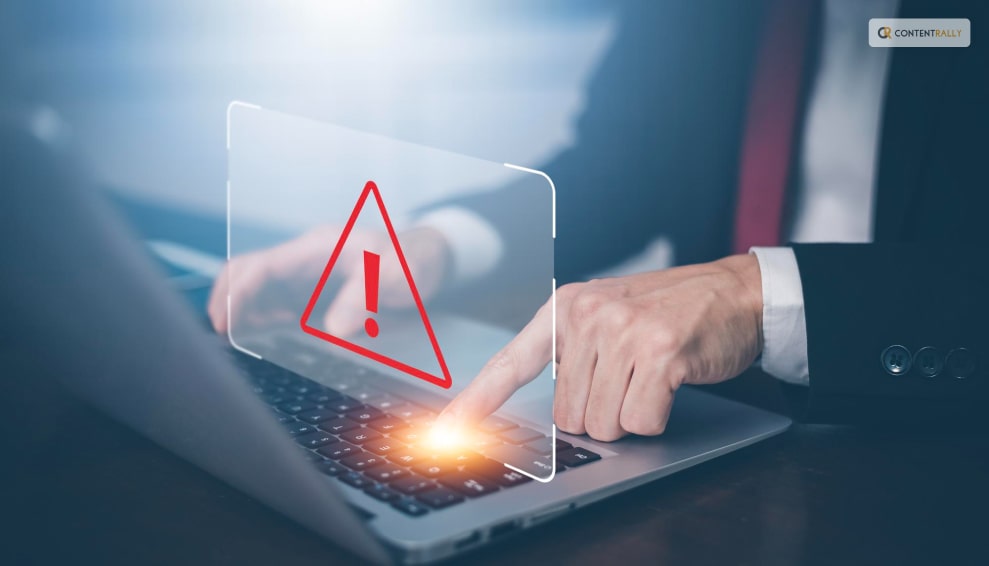
Even though there are pirated websites that help you get easy access to movies and series without paying any money, it is not at all safe to use these websites. Promoting piracy is not a goal, and we want to inform you that pirated websites have many risks.

You might face legal troubles or expose your device to security risks and malware. These pirated websites might help you acquire free access to new movies, yet it is quite risky to access them.

What Are Piracy Websites?  

What Are Piracy Websites 

Image Source

Pirated websites have copies of the original movies without any license, and neither do the websites pay any charges or royalties to the actual production houses. According to the government, the pirated websites are illegal.

Therefore, if your IP address is exposed to government search, you can face serious legal trouble or monetary fines while downloading the movies or the series. Your internet connection can also get suspended if you use these websites.

Further malware or security risks can further increase. It is, therefore, important to stick to specific piracy movie websites that are safe. Especially because torrenting itself is risky.

Read about the 10 best piracy websites in the world!

1. The Pirate Bay  

One of the most popular pirating websites for movies is Pirate Bay, which is accessible, and almost every type of content is available on this website. Magnet links are available on this site; hence, you can sort the content based on the size of the torrent.

There are also advertisements in the Pirate Bay which are quite irritating; thus, your online preferences are shared with third-party websites.

2. Zoogle  

One of the biggest and most popular search engines was downloading movies, songs, and TV shows. You can download content easily and experience high-quality content either you watch or listen to the content.

3. YTS.mx  

The movies on YTS are in 720p and 1080p resolutions with 4K quality. You can find old movies, cult classics, and the latest releases. The size of the content is quite small. Hence, you will be fine, especially if you are running low on your device storage.

The website has a sleek interface that looks like Netflix. It is very convenient, especially because it gives an IMDb rating, saving you time and space on your device.

4. LimeTorrents  

The torrent library of LimeTorrents is massive, and there is a huge collection of TV shows, apps, video games, and movies. There are a many seeders, especially for the trending torrents. Hence, the download is quite fast.

However, there are a lot of downloads that can take hours or days, especially with normal torrents. There is the highest number of advertisements on this piracy website out of all mentioned.

5. TorrentDownloads  

Finding content unavailable on other piracy devices is easier in torrent downloads. It is an effective website out of pirating movies websites where you can easily download European video games. The speed of the torrent download is fast.

It is quite easy to navigate Torrent Downloads, and the community on this website is quite active. Many advertisements are irritating for users and users of the website.

6. Popcorn Time  

The website has the easiest user interface, and the videos are in high demand. It has services of video streaming which you can access without paying any charges. You can easily download movies and TV shows.

7. EZTV  

The website has magnet links and torrent trackers, which are maintained to help them download movies and TV series. EXCLUDE has recently taken over and has new features that effectively help download movies.

It is the ultimate source where movies and TV shows can be downloaded.

8. Torrentz2  

The piracy website Torrentz2 offers detailed services regarding TV shows and movies. It is considered a replacement for Torrentz, which was shut down in 2016. There are promotional advertisements on the website.

It is quite effective in searching torrent files because it is a meta-search engine. It is fast and powerful for downloading movies, songs, and TV shows.

9. 1337x  

The piracy website has many torrents you can access, and you would be able to access movies, TV shows, and popular albums. This site also helps you check trending content based on day, month, or week.

There is an issue as compared to other websites that some of the content available on 1337x is not verified. Hence, you stand a risk of exposing yourself to malware. The design of 1337x is less efficient and tight compared to other websites.

10. RARBG  

RARBG is one of the best piracy sites that is safe and fast. It is quite easy to navigate, and accordingly, you can create accounts; however, getting an account on this website takes work.

The best part of this site is that they verify all uploaded torrents of movies and series, ensuring they are safe to download. The floods that you download from this site are of high quality and are completely free of malware.

A large amount of content is available, even though they are less than other sites. You can easily find popular movies and video games that can be downloaded easily on this website.

The site is user-friendly, and you can easily download movies and video games faster and with just one click.

Conclusion   

Please read the article to learn about the 10 best piracy websites that can be used to access content such as video games and movies without paying any charge.

Comment down below regarding your favorite piracy sites.

More Resources:

Content Rally wrapped around an online publication where you can publish your own intellectuals. It is a publishing platform designed to make great stories by content creators. This is your era, your place to be online. So come forward share your views, thoughts and ideas via Content Rally.

View all posts

Leave a Reply

Your email address will not be published. Required fields are marked *

Related

Customer Data

4 Ways To Address Privacy Concerns Around Customer Data

A single data breach can expose tens of millions of customers to spam, scams, identity theft, fraud, and more. It’s also a quick, easy way to destroy your brand reputation and lose a massive chunk of your customer base. In the worst-case scenario, you could end up paying millions of dollars in fines. If serious enough, your team members or executives could even face some jail time. But customer data still needs to be kept safe and private, even when the risks are far less grand in scale. Simply leaking your customers’ email addresses and exposing them to junk mail can erode their trust in you. To protect your customers and assuage any customer concerns, always handle their data with care. Here are a few important ways to protect data, limit the risks, and put your customers at ease. 1. Use Zero Party Data Perhaps the best way to put customers at ease about their data is to give them more control over what you know. Letting them decide what they share with you — and don’t — can protect their privacy and boost your brand reputation. Giving customers a chance to consent or opt out of sharing first-party data when they visit your site or app is a nice touch. But if you really want to put your customers in the data driver's seat, zero party data is the way to go. With zero-party data, your customers and prospects respond to surveys, polls, questionnaires, and more. These inputs can be used to personalize their experience, or anonymized and aggregated to help your brand make data-driven decisions. Either way, when customers provide this data, they usually expect some kind of user benefit. A personalized product recommendation, useful content, or a customized landing page are all ways to deliver that small reward. 2. Be Transparent Ideally, you should tell all of your customers exactly what you collect, what you use it for, and why. As long as you’re not up to anything nefarious (you aren’t, right?) transparency should be as simple as a brief pop-up disclaimer. In fact, transparency could help improve your credibility and customer trust in your brand. And that trust can in turn have a direct impact on your business growth and performance. It’s particularly important not to collect any extra bits of customer data you don’t need and they haven’t agreed to share. Gathering and storing extraneous data heightens the risk to your customers if there’s a breach. In some countries, regions, or industries, it could even be illegal. Besides all this, it can take up unnecessary room on servers, cloud storage, etc. To be on the safe side, always get permission from customers before collecting any kind of data.  3. Anonymize and Encrypt Some of the worst data breaches on record have also turned out to be some of the most ridiculous. Companies have accidentally leaked massive spreadsheets with customer names, addresses, passwords, and credit card data all linked together. But even anonymizing data doesn’t necessarily give customers any real protection or privacy. It’s all too easy to put two-and-two together and figure out someone’s identity. To ensure that data is truly safe, your company should always use the latest encryption methods and data protection protocols. Consult with experts about the best practices, software programs, and other tools to suit your company’s needs. Data security is not the place to cut corners, so be willing to dedicate a significant portion of your budget to protecting customers. Otherwise, you risk putting them in danger of identity theft, financial loss, reputational damage, and more. 4. Train Employees and Vet Vendors Customer data should be kept strictly confidential and only shared with employees and vendors on a need-to-know basis. Your employees need to understand how crucial it is to protect sensitive data and how exactly they need to do it. Before handling potentially sensitive data, employees should undergo appropriate screenings and training. Train them not to share details like passwords or door codes, and limit access to sensitive cabinets, rooms, or computers. Third-party vendors and contractors can be a potential cause of concern for data privacy. That’s why it’s important to carefully vet them, just as you would employees. The more you share data, the higher the risk of a breach or exposure along the way. If a vendor has access to your data, and its systems are compromised, your data could be leaked. Or, bad actors at the company you shared with could use the data in unsafe or inappropriate ways. Worst-Case Scenarios In the event that a data leak or cybersecurity event does occur, your company should have an emergency plan in place. Know what you’ll do in the event of a breach — how you’ll stop it from progressing and contain the damage. The plan should clearly indicate roles and responsibilities and include considerations for various scenarios. Many companies, universities, and government agencies have their plans publicly available online, as a resource. Whatever you do, never attempt to conceal a data breach from the media, your customers, or the public. You could end up facing fines, lawsuits, sanctions, jail time, and irrevocably brand-damaging press. Instead, own up to the breach immediately and let your customers know how you plan to handle it. In order to earn back their trust, you’ll have to prove you know how to do the right thing. Read Also: Data Security In The Cloud: Strategies For A Safe Migration Process Mining and Data Privacy – Key Points to Remember 5 Ways To Prevent Cyber Attacks

READ MOREDetails
Data Breach Prevention

Data Breach Prevention: Proactive Strategies For Businesses 

Data breaches have become an increasingly prevalent issue for businesses across the globe, with the potential to compromise sensitive information and inflict significant reputational and financial damage. Organizations must adopt robust measures to safeguard their data assets in the face of evolving cyber threats. This article delves into proactive strategies that businesses can employ to fortify their defenses against data breaches, emphasizing the integration of cutting-edge solutions and adherence to best practices in cybersecurity. Understanding The Threat Landscape   Before diving into prevention strategies, businesses must grasp the breadth and complexity of the threat landscape. Cyber threats can emanate from various sources, including malicious hackers, insider threats, and accidental disclosures. The methods used by attackers are equally diverse, ranging from sophisticated phishing schemes and malware attacks to exploiting software vulnerabilities and conducting brute force attacks. Leveraging Data Protection As A Service (Dpaas)  One of the cornerstone approaches for enhancing data security involves leveraging Data Protection as a Service (DPaaS). DPaaS offers a comprehensive suite of services that cater to the critical needs of data backup, recovery, and security. By adopting DPaaS, businesses can benefit from scalable, cloud-based solutions that provide robust encryption, threat detection capabilities, and continuous monitoring of data assets. This service simplifies the complexity of data protection efforts and ensures compliance with regulatory standards and best practices in data security. Establishing A Culture Of Security Awareness  A proactive data breach prevention strategy is complete with fostering a culture of security awareness among employees. Human errors remain a significant vulnerability that can lead to data breaches. Therefore, conducting regular training sessions on cybersecurity best practices, phishing awareness, and secure handling of sensitive information is imperative. Encouraging employees to adopt strong password practices, recognize suspicious emails, and report potential security incidents can significantly reduce the risk of data breaches. Implementing Strong Access Control Measures  Effective access control is a critical component of data breach prevention. Businesses should adopt the principle of least privilege, ensuring that employees have access only to the information and resources necessary for their job functions. Implementing multi-factor authentication (MFA) adds a layer of security, requiring users to provide two or more verification factors to gain access to systems or data. Such measures drastically reduce the likelihood of unauthorized access, even if login credentials are compromised. Regular Updating And Patching Systems  Cyber attackers often exploit vulnerabilities in outdated software and systems to gain unauthorized access to data. To combat this, businesses must implement a rigorous schedule for regularly updating and patching their IT infrastructure. This includes operating systems, applications, and network devices. Organizations can close security gaps and protect against known exploits by ensuring that all components are up to date. Employing Advanced Threat Detection And Response  Advancements in technology have enabled the development of sophisticated tools for threat detection and response. Utilizing artificial intelligence and machine learning algorithms, these tools can analyze patterns, detect anomalies, and identify potential threats in real time. Automated response mechanisms can be activated in a suspected breach to contain and mitigate the impact, minimizing damage and facilitating a swift recovery. Conducting Regular Security Audits And Assessments Regular security audits and vulnerability assessments are vital for identifying weaknesses in an organization’s cybersecurity posture. These evaluations should encompass all aspects of the IT ecosystem, including network infrastructure, applications, and end-point devices. By conducting these assessments, businesses can gain insights into vulnerabilities and implement corrective measures to strengthen their defenses. Developing A Comprehensive Incident Response Plan  Despite the best efforts to prevent data breaches, the possibility of an incident cannot be eliminated. Therefore, having a comprehensive incident response plan is critical. This plan should outline the steps to be taken in the event of a breach, including the immediate containment of the breach, assessment of the impact, notification of affected parties, and measures to prevent future incidents. Regular drills and simulations ensure the response team is well-prepared to act swiftly and effectively in a real-world scenario. Utilizing Secure Cloud Storage Solutions  The swiftness towards cloud computing has offered businesses flexibility and scalability in managing their data. However, it also introduces new security considerations. Secure cloud storage solutions, equipped with end-to-end encryption, regular security audits, and compliance certifications, provide a robust framework for protecting data stored in the cloud. Businesses should carefully select cloud service providers that adhere to stringent security standards and offer transparency in their security practices. Engaging In Threat Intelligence Sharing  Threat intelligence sharing involves exchanging information about emerging threats, vulnerabilities, and attack strategies with other organizations and security entities. This collaborative approach enhances the collective ability to anticipate, identify, and respond to cyber threats more effectively. By participating in industry-specific threat intelligence sharing platforms or joining cybersecurity consortia, businesses can gain insights into the latest threat landscape, adapt their defense mechanisms accordingly, and contribute to a broader cybersecurity ecosystem. Investing In Cybersecurity Training And Education Continuous education and training programs for IT staff and employees are vital in keeping pace with the latest cybersecurity trends, threats, and prevention techniques. Specialized training for cybersecurity teams ensures they are equipped with the knowledge and skills to implement advanced security measures and respond to incidents effectively. For the wider workforce, regular awareness sessions can help in recognizing and mitigating the risks associated with social engineering attacks, phishing, and other common cyber threats. Adopting Zero Trust Security Architecture The Zero Trust model operates on the principle that no entity, whether inside or outside the network, should be automatically trusted. This security approach requires verification for every access request, irrespective of its origin. Implementing Zero Trust involves segmenting networks, enforcing strict access controls, and continuously monitoring and validating user and device activity. This model significantly reduces the attack surface and limits the potential impact of a breach. Enhancing Data Privacy Measures Beyond protecting data from unauthorized access, it's essential to focus on privacy aspects. This includes implementing data minimization practices, where only the necessary amount of personal data is collected and stored. Furthermore, ensuring transparency in data processing activities and providing users with control over their data enhances trust and complies with privacy regulations. Data privacy measures, coupled with security practices, create a robust framework for safeguarding sensitive information. Regularly Reviewing And Updating Security Policies Cybersecurity is not a set-and-forget endeavor. As technologies evolve and new threats emerge, security policies and procedures must be regularly reviewed and updated. This includes revising access controls, data encryption protocols, and incident response plans to address new vulnerabilities and compliance requirements. A dynamic approach to policy management ensures that the organization's security posture remains strong in the face of evolving cyber threats. Final Thoughts  The importance of a comprehensive and proactive approach to data breach prevention cannot be overstated. By embracing a culture of continuous improvement and integrating advanced security measures, organizations can not only protect their valuable data assets but also build trust with customers and stakeholders. The journey towards enhanced cybersecurity is ongoing, requiring vigilance, adaptability, and a commitment to excellence in safeguarding information in an ever-changing threat environment. Read Also: The Importance Of Cybersecurity In The Digital Age What Are Some Best Practices To Prevent Phishing Attacks? Learn Everything About Google Verification Code Scams In 2023

READ MOREDetails
Ransomware

How To Prevent A Ransomware Attack

Ransomware attacks are on the rise. Because there's currently no way to recover data once it has been encrypted by ransomware, it's important to do everything in your power to prevent it from happening to you in the first place. Here are steps and cyber security training you can take right now to help protect yourself against this cyber threat and all of its potentially devastating consequences. Top 8 Ways To Prevent A Ransomware Attack 1. Maintain Backups It's important to maintain at least two copies of your data: one that remains in your possession and another which is backed up to offsite storage every night. Since you can't access the backup version if you have been infected by ransomware, it's important that you keep a second copy in a secure offline location. That way, even if the malware does encrypt your files, the ability to restore them will still exist. 2. Encrypt Files You should encrypt all of your files before you send them over to your computer's backup location, and also make sure that you have full, expert-level encryption as well as a strong password in place on the backup drive. Better safe than sorry. 3. Update Your Software As with all software, there are always patches and updates available for your antivirus or anti-malware software that could prevent ransomware from taking hold in the first place. If you're using endpoint protection software, make sure the update has been applied. If you're using a third-party antivirus or anti-malware package, get it to update as well. 4. Develop Plans and Policies Ransomware is a major threat to your business, and it can cause a major loss of revenue if you don't have a plan in place to prevent it. Therefore, it's important that you ensure that you have a backup policy and disaster recovery plan in place so that your company can act quickly in the event of a ransomware attack. Developing software protection policies, training users on backup procedures, and conducting penetration testing to find vulnerabilities and malicious activity are all effective ways of creating an effective prevention strategy. 5. Train the Team You should train your team on how to respond should they encounter ransomware, how to avoid it happening in the first place, and what they can do if they do get compromised. Anti-malware software will help them recognize and protect against ransomware, but only if they know how to use it. The more training they receive, the better they will be at spotting ransomware, and the more likely they'll be able to take action quickly when it occurs. 6. Monitor Files and Network Activities Part of creating an effective backup plan is knowing where your files are located so that you can restore them. That way, if your computer is compromised, you can restore the files from your backup. You should also be monitoring for unauthorized access to both file-hosting and FTP sites. Additionally, it's important to monitor all of the network activity from your computer so that you can determine if someone is trying to gain access to machines that aren't theirs. 7. Implement an IDS An Intrusion Detection System (IDS) is a network security tool designed to detect and block network intrusions, such as attempts to gain unauthorized access. Since ransomware will attempt to disguise itself in order to get past an IDS and infect your computer, it's important that you implement one for your entire network. The IDS should be able to detect anything that looks out of the ordinary and will immediately notify you so that you can take action. 8. Implement an Antivirus Policy The best way to protect your computer is with antivirus software, which automatically scans all of the files stored on your machine and makes sure that they are virus-free before you load them onto a machine. When your computer is infected, the antivirus program automatically starts working to detect and remove the malware. The best antivirus programs also have the ability to detect zero-day threats, which are new viruses that haven't even been discovered yet. Ransomware is a major threat to your business, so it's important that you take the above steps and cyber security training immediately to help protect yourself against this cyber threat and all of its potentially devastating consequences. It's also important that you remember these steps when figuring out how best to protect your computer against ransomware, as well as those in your network. Additional: What Is Zero Trust In Cybersecurity Context? Top 6 Cybersecurity Trends Everyone should Know Top 7 Home Security Mistakes That Homeowners Need To Avoid Making WHY ARE MORE THAN HALF OF SOCIAL SECURITY DISABILITY CLAIMS DENIED?

READ MOREDetails