












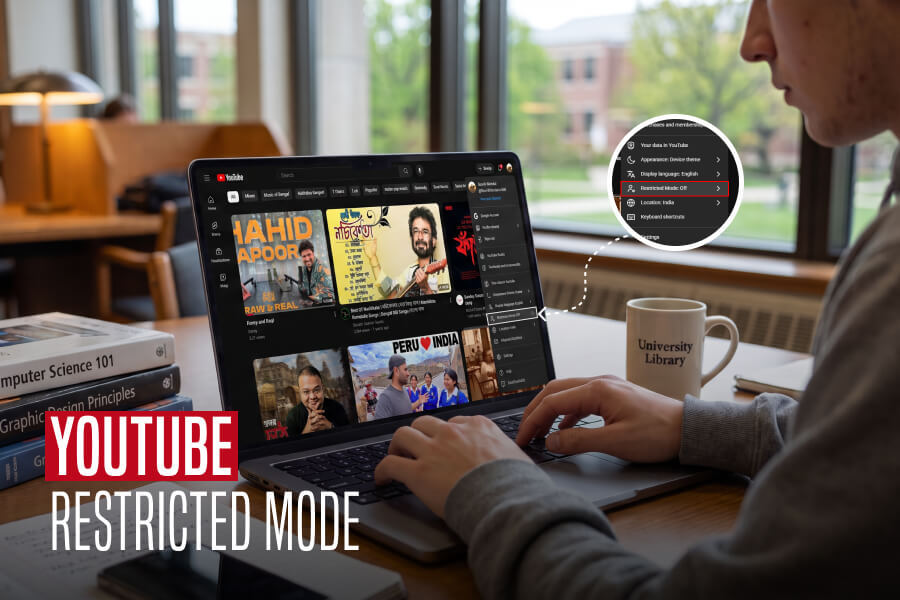
Your experience on the video platform can become safer and more kid-friendly with YouTube Restricted Mode. Applying age restrictions to inappropriate content is how Restricted Mode works. You'll learn how to activate YouTube Restricted Mode and lock it to your browser in this tutorial.
In this article, we examine YouTube's "Restricted Mode" safety feature. We will be looking at how it operates and some issues to be cautious of when using it.
Every day, the Childnet Education Team visits schools to give presentations on online safety to students, parents, and teachers. During these discussions, we frequently get questions concerning YouTube's content screening.
What Is Youtube Restricted Mode?
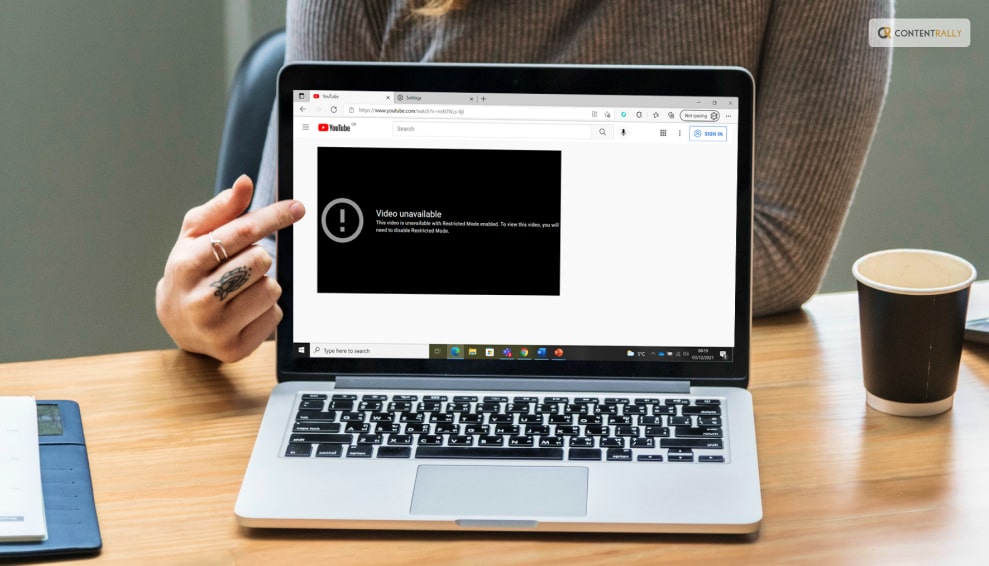
You can limit the type of content you see on YouTube by using the Restricted Mode settings option. This technique prevents potentially hazardous or inappropriate YouTube videos from showing up anywhere on the website. It includes searches and suggested video feeds.
Restricted Mode is a feature that viewers can activate to restrict a variety of possible mature videos. Although it does come with a warning that "No filter is 100% accurate."
Your children can stay safe online by using YouTube's Restricted Mode, which reduces their exposure to objectionable material. Big public networks also use this strategy. For instance, a network administrator may want to set Restricted Mode for devices in schools and other educational institutions. It is done to make sure that the network isn't being used to access unsuitable content.
Continue reading to learn how to enable Restricted Mode, disable it, and lock it to your browser.
How Does It Work?
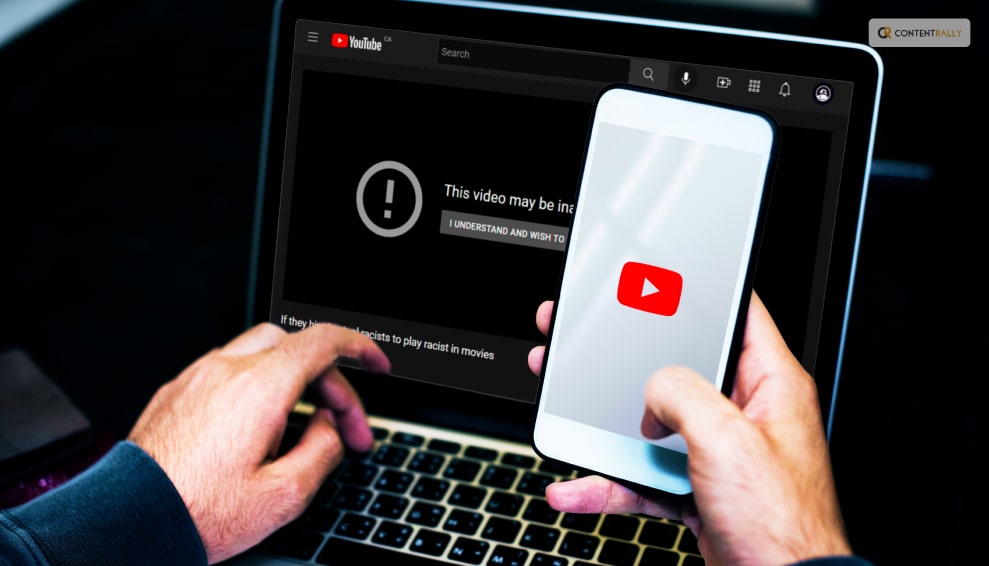
Content filtering in Restricted Mode is primarily done automatically using algorithms. By examining the title, language, and metadata used in each video, these algorithms evaluate content being improper. The term "metadata" describes details about a video, such as the creator, upload date, video description, and tagged keywords.
Even YouTube admits that their algorithms "occasionally make mistakes when assessing which videos to make available in Restricted Mode." They agree that automated systems are never perfect.
A staff of reviewers is employed by YouTube to personally examine some content that may need to be blocked out. They carefully review all videos submitted through the "Restricted Mode feedback" form. They also review the videos submitted by YouTube users that have been "flagged" as unsuitable.
How To Use The Restricted Mode?
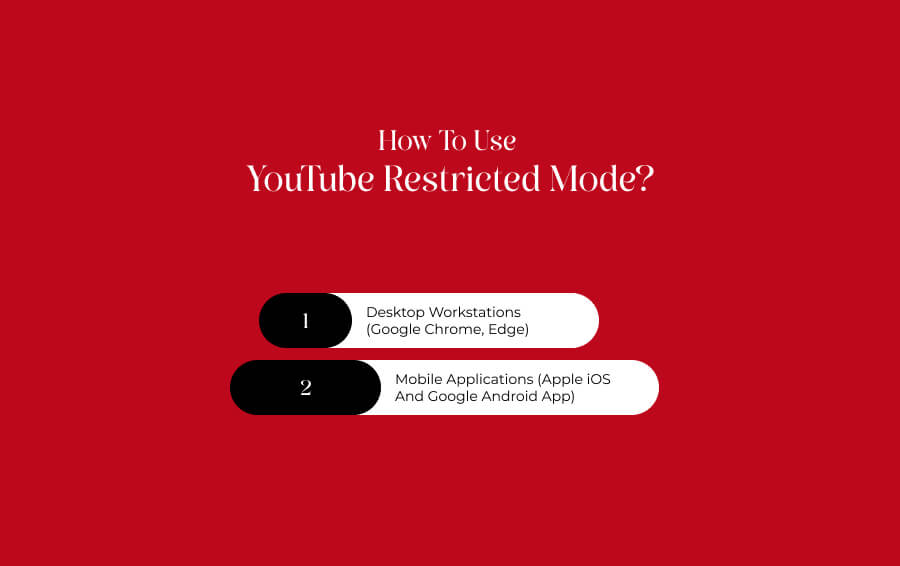
Because Restricted Mode operates at the individual browser or device level, you must toggle the setting manually on every separate workstation, tablet, or smartphone app your family uses.
Desktop Workstations (Google Chrome, Edge)
- Go to the official YouTube domain and make sure you're logged into your account profile.
- Click your circular Profile Picture avatar in the upper-right corner of the interface.
- Scroll down to the bottom of the expanded contextual dropdown menu to locate Restricted Mode.
- Click the tab pane to expand the configuration window.
- Toggle the activation switch to On (to filter content) or Off (to unlock full viewing parameters).
Mobile Applications (Apple iOS And Google Android App)
- Launch the official YouTube mobile app on your smartphone or tablet.
- Tap your personal Profile/Account icon located in the navigation header.
- Tap the gear icon to open the main Settings dashboard menu.
- Select the General options sub-category layout block.
- Scroll down to locate the Restricted Mode parameter switch and slide it to adjust your active filtering state.
How To Make YouTube Safer For Your Kids?
Even while turning on Restricted Mode is a good idea, there are more ways to make your YouTube experience safer. There are several alternatives that can increase security and make YouTube a better platform for children.
First off, we advise setting up two-factor authentication on the Google account used to access YouTube. You must also set strong passwords. It's a good idea to make long, complex passwords if you want to keep your YouTube account secure.
If you have children, you might want to restrict their YouTube usage to protect them from exposure to mature material. There are many YouTube substitutes, but keep in mind that you may create a YouTube Kids account for your children. It will act as a form of parental control for anyone under the age of thirteen. This means individuals can enjoy all the advantages of having a YouTube account. It will also reduce their exposure to objectionable content.
Use the "Report" button to mark any videos that you discover that aren't suitable for children. Some videos just miss out on their labels and tags. It only takes a few seconds to report videos, but doing so can keep children safe online.
No filter is ever completely effective on its own. Only use controls if they are suitable for you and your family.
Troubleshooting: Why Can't I Turn Off Restricted Mode?
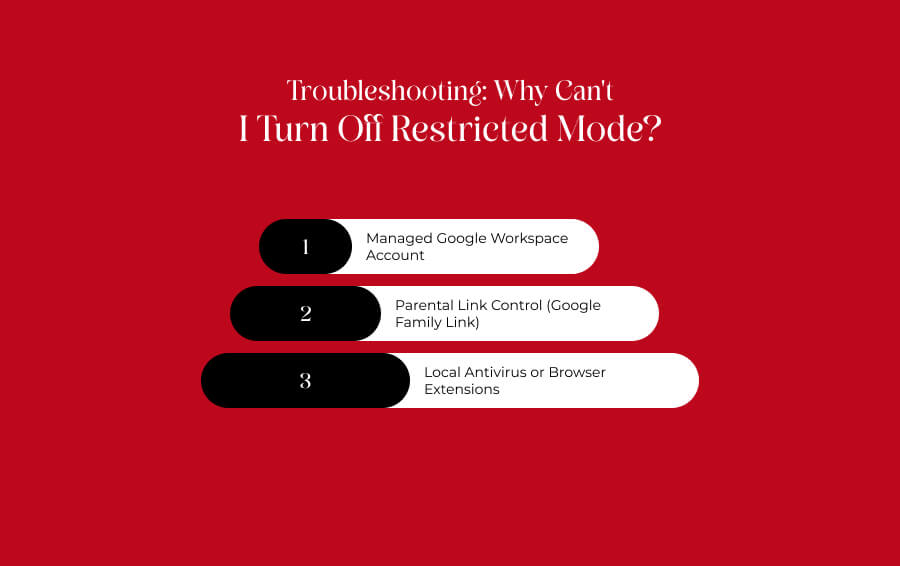
If you attempt to disable the filter but find the parameter toggle grayed out or locked, your device profile is experiencing a system-level administrative override:
Managed Google Workspace Account
If your device uses an email profile provided by an educational institution, university, or corporate employer, the system administrator has full control.
You cannot disable the filter unless you switch to a private, independent email account.
Parental Link Control (Google Family Link)
If a child's device profile is linked to a parent's account via parental control applications, the setting is restricted.
The master account holder must unlock the permission parameters from their own parental tracking application dashboard.
Local Antivirus or Browser Extensions
High-security local firewall applications and safe-search browser add-ons routinely force YouTube to run inside restricted modes.
Audit your browser extensions and disable third-party security layers to restore standard configuration access.
Alternatives To YouTube Restricted Mode: What We Recommend
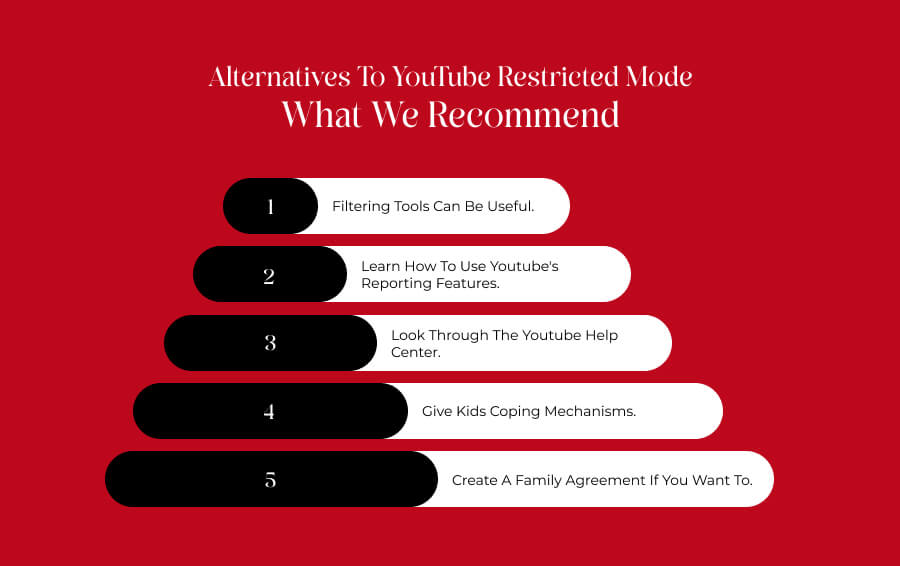
Do you want to know the alternatives to YouTube Restricted Mode? Here are our top recommendations for helping your kids on YouTube:
- Filtering tools can be useful. But they should not take the place of dialogue and parental involvement regarding your child's internet activities. Talk about their favorite channels, watch videos together, and always be nearby when your child is using YouTube. You can start this conversation with your youngster using some of the conversation starters we've provided.
- Understand how to use the reporting features on YouTube. To do this, you'll need a YouTube account or a Gmail account. Learn how to report offensive content, then teach your family how to do it. The YouTube community can be actively involved in improving the platform by flagging videos that violate the Community Guidelines.
- Look through the YouTube Help Centre to find what else you can do to reduce risks on YouTube by exploring additional settings. For instance, you can disable the "Autoplay" option to ensure that no more videos will start playing automatically.
- Give kids coping mechanisms for handling objectionable material by letting them know they can talk to you if they see anything they don't want to or by showing them how to turn off the TV if something is distressing them and they want it to stop.
- Create a family agreement if you want to. This is a fantastic approach to get your entire family talking about how you collectively utilize the internet and how to act appropriately there.
You may incorporate a special clause in your agreement to talk about YouTube if it's popular in your family.
Wrapping Up
The Restricted Mode functions only when you are logged into your Google account. Your child must be accessing YouTube in the same internet browser. This means that if YouTube uses an alternate pathway (browser/device), Restricted Mode won't be activated.
Simply put, a tech-savvy user will be capable of getting past Restricted Mode; it isn't infallible. Again, rather than depending solely on Restricted Mode you should probably limit their access to YouTube. That is if you're really worried about the kind of content your kids could be exposed to.
If you have thoughts to share or questions to ask about Youtube Restricted Mode, please leave a comment below. We would love to hear from you.
Learn More About Youtube:






All Comments
How to Delete a YouTube Channel: Step-by-Step Guide In 2026
[…] Behind The Filter: Understanding YouTube Restricted Mode’s Functionality […]