












How to Solve Some Problems of The Vapes

Published on: 04 September 2019 Last Updated on: 10 September 2024
Vaping

There are many reasons for the short circuit of the atomizer. If it is short-circuited protection, there is no danger. If the mechanical mod may cause the battery to explode, the short circuit of the atomizer is not a particularly serious problem, but it still needs to be taken seriously.

The cause of the atomizer short circuit and its solution.

  1. After cleaning the atomizer, it will be installed and used without causing a short circuit. This situation is very simple, just remember to wipe dry after cleaning the atomizer, it is best not to use it immediately.
  2. The bottom electrode is low, and the top of the electrode of the host is not touched, resulting in a short circuit. Try to slightly rotate the electrode screw on the bottom of the atomizer a little.
  3. Check if the heating wire lock screw is tightened and re-wire the wire if necessary.
  4. Check if the bottom electrode is too tight, screw it out, and replace it with another electrode screw if necessary.

How to avoid short circuit of a mechanical mod?

Always check the resistance and short circuit of the atomizer. Unlike general-purpose vapes, mechanical mods can be ignited even when the atomizer has been short-circuited. Here, the resistance of the short circuit refers to zero or near zero, but most tanks do not let the resistance be less than 1.5 ohms, which ensures that the battery is not overstressed.

When using a new atomizer, be sure to check the atomizer resistance and confirm that there is no abnormality before screwing it onto the mechanical battery compartment.

If you use an RBA, don’t let the resistance be too low, because too low a resistance will make the battery pressure too high. It is best to control the resistance between 2.4 and 3.0 ohms at the beginning to ensure safety.

Although the atomizer is not so easy to short-circuit, it is best to use a multimeter to test. The specific test method is this, remove the battery, connect the battery compartment and the atomizer, put one probe of the multimeter to the positive pole of the battery compartment, and the other probe touches the surface of the battery compartment. If the multimeter shows a non-zero resistance value, it means that there is a current, so there must be a short circuit.

When testing the resistor with a multimeter, be aware that the multimeter’s leads may also generate resistance. We have seen some very cheap multimeters with lead resistances even higher than 0.6 ohms. The lead resistance can be displayed by touching the two probes of the multimeter. This value needs to be subtracted when testing the atomizer to get the true resistance value. For example, if you measure the resistance of the atomizer to be 2 ohms, if the lead resistance is 0.6 ohms, then the true resistance is only 1.4 ohms.

In short, the atomizer is short-circuited, don’t worry, think about the above problems can be solved.

After a period of use, the atomizer needs to be cleaned regularly. The inside of the atomizer will be stained with some non-volatile liquid condensate. If it accumulates too much, it will affect the atomization effect of the atomizer, which will lead to the taste odor. In addition, when replacing different flavors of smoke oil, it is also necessary to clean the atomizer beforehand to avoid affecting the taste experience. The daily cleaning frequency of the atomizer is recommended to be cleaned once a week.

The following is the atomizer cleaning method

1. Hot water

After the residual oil in the atomizer flows out, pour the appropriate amount of hot water, shake gently for 1-2 minutes, wait for the dirt inside to dissolve in the hot water, then slowly pour the water out to dry. Or use a hairdryer to quickly dry it. This method is simple and easy to clean, but there are still residual odors that affect the taste.

2. Vinegar

The atomizer is placed in clear water mixed with vinegar and then cooked. After heating for about 10 minutes, then wash it with water and then dry it. Cleaning the atomizer with vinegar is still good.

3. Cola

Soaking the atomizer in a cola drink takes about 24 hours. After taking out, the water is washed and finally blown dry. This method takes a long time and the effect is not very satisfactory. It is not recommended to use it frequently.

4. Vodka.

Blow the atomizer, pour the appropriate amount of vodka, seal the atomizer mouth with your fingers, and gently shake for one to two minutes and then pour off. Rinse off with hot water and let it dry. This is a more effective method to substantially eliminate the dirt and taste of the inner wall of the atomizer.

Read Also:
 

Content Rally wrapped around an online publication where you can publish your own intellectuals. It is a publishing platform designed to make great stories by content creators. This is your era, your place to be online. So come forward share your views, thoughts and ideas via Content Rally.

View all posts

Leave a Reply

Your email address will not be published. Required fields are marked *

Related

Peptide Therapy

Peptide Therapy: Types And Benefits

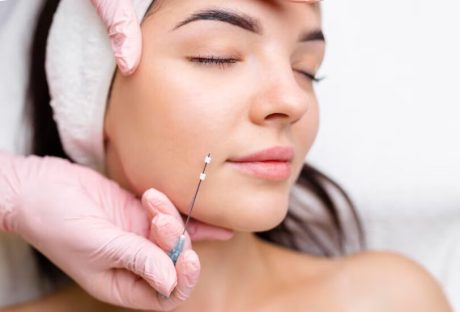
We’ve all heard about the healing properties of peptides, but what exactly are they? And how can they help you or your loved ones? In this article, we will discuss peptide therapy and the various peptide therapy benefits it can have on various parts of the body, from healing wounds to reversing aging and more. We’ll also go over some of the top peptide therapy options currently available to help you decide which peptide treatment may be right for you. Without further ado, let’s jump right in! What Is Peptide Therapy? Peptides are chains of amino acids that make up proteins. They can be divided into two different types; endogenous, which are produced naturally by our bodies, and exogenous, which are ingested from an outside source. Both endogenous and exogenous peptides have been shown to have positive benefits for human health. Peptide therapy was pioneered in 1986 by Dr. Hans Selye who observed that certain peptides reduced stress hormones in animals. He theorized that consuming similar peptides might help humans do the same thing, a theory that was proven correct when he treated patients suffering from burns with natural regulatory peptides extracted from their own blood serum. What Are The Different Types Of Peptides? There are many different types of peptides. The main categories include insulin, oxytocin, growth hormone (GH), somatostatin, and glucagon-like peptide 1 (GLP-1). Each has a specific role to play in our health. For example, GLP-1 promotes satiety by suppressing gastric emptying; GH stimulates the synthesis of IGF-1; while glucagon improves glucose homeostasis through its inhibitory effects on insulin secretion. Peptides are involved in many different pathways within your body, so they can be used to tackle a number of different issues. Depending on what you want to achieve – whether it’s fat loss or strength gain – you’ll likely use a combination of peptides that work synergistically together!  Combined with effective dieting and training, these are fantastic methods for achieving results. That said, some individuals respond better to one type than another. After all, peptides aren’t drugs like anabolic steroids or nonsteroidal agents like Clenbuterol; they don’t affect all people equally when administered at equal dosages. In bodybuilding, bodybuilders are interested in employing peptides for muscle growth, fat reduction, and even hunger stimulation when bulking. Growth hormone secretagogues, especially growth hormone-releasing peptides (GHRPs) and growth hormone-releasing hormone (GHRH) agonists are the most often utilized peptides for increasing muscle mass and improving body composition. Many athletes combine GH with IGF-1; a synergistic effect can be achieved by combining these two compounds as they have similar functions. While it’s believed that IGF-1 increases lean body mass and GH stimulates linear growth, more research is needed to confirm their effects on body composition. Hormone replacement therapy, or injecting low doses of synthetic GH, has been shown to increase body fat loss while preserving lean tissue through its insulin-like effects on glucose uptake. What Are The Benefits Of Peptide Therapy? In summary, peptide treatment would help the majority of people. Our daily lives can be excruciatingly painful. Peptides can help us live healthier lives by reducing knee pain, back pain, shoulder discomfort, and other aches and pains. Since peptides are administered externally rather than taken internally, they are less likely to induce negative effects. Peptide treatment benefits include: Improved sleep patterns Improved memory Balanced blood sugar levels Increased cardiovascular health and improved circulation Lower your blood pressure Encourage healthy immunological function Reduce the appearance of aging Body fat loss Are Peptides Harmful? Peptides are typically much safer than most other types of drugs. Unlike hormones, which increase levels of a single substance in your body, peptides mimic natural hormones by binding to receptors on cells throughout your body. Because they’re so small (less than 50 amino acids), they can’t be stored in large quantities like proteins and remain active for only minutes. As with any drug, you should always check with your doctor before starting a new treatment regimen. Plus, because peptides are applied externally rather than taken internally, they are less likely to cause side effects. How Are Peptides Administered? Peptides are administered in a variety of ways, depending on what is being targeted. Hormone Replacement Therapy (HRT) is commonly used to replace hormones lost during menopause; it is generally administered via topical creams or injections. Insulin Peptides are generally administered with an insulin pump for diabetics. Diabetes has been linked to low levels of peptides produced in pancreas cells called glucagon-like peptide 1 (GLP-1). GLP-1 helps keep blood sugar levels stable. Last, Dipeptidyl Peptidase IV (DPP4) Inhibitors and Glucagon Receptor Agonists can be administered via pills or injections. Before administering peptide therapy, make sure you consult with a doctor: https://www.vitalityhrt.com/treatments/sexual-health-enhancement/ and take into account any existing medical conditions. Read Also: HGH Therapy Clinic In California 8 Natural Ways To Balance Hormones

READ MOREDetails
signs of drug use in teens

Not On the Straight and Narrow: 4 Telltale Signs of Drug Use in Teens

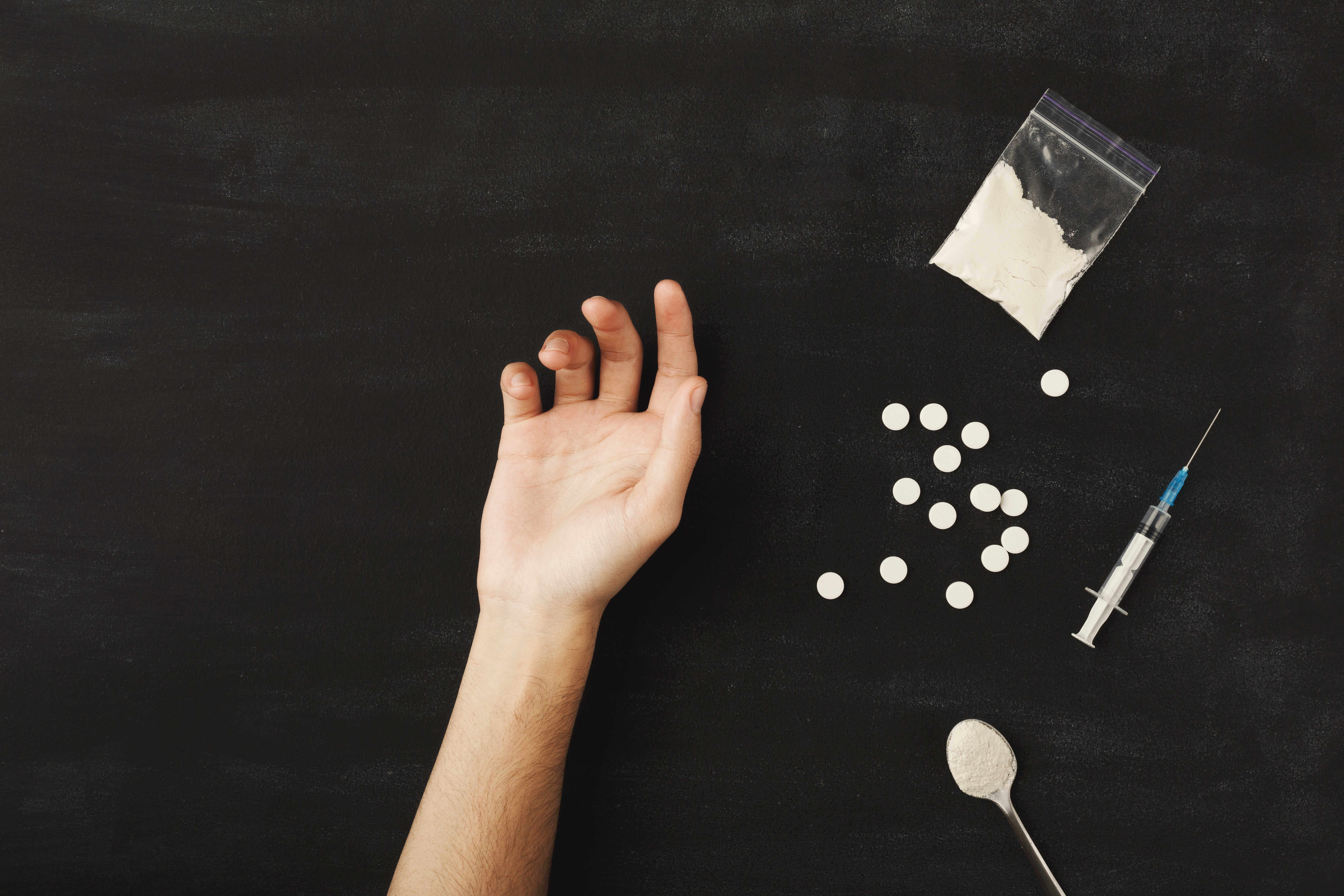
Did you know that 6.1 percent of 8th graders, 9.6 percent of 10th graders, and 12.4 percent of 12th graders admit they have used an illicit drug recently? With such shocking statistics, it's clear to see there is a growing problem among young people. During the troublesome teen years, it's common to experiment with new things. But this may lead your child down a dark path. You may wonder how to tell if your child is using drugs. Fortunately, there are clear telltale signs of drug use in teens. Read on to find out if your loved one has fallen off the straight and narrow. Telltale Signs of Drug Use in Teens: During their teens, young people have to deal with many physical and emotional changes. This can make it difficult to pinpoint whether drug use is the problem or it's simply a case of rebelliousness. Looking for these next four signs will help you to know for sure. 1. Use Your Senses: When your teen comes home, what can you smell on their breath, on their clothes or in their hair? Are their eyes red with constricted pupils? Signs of crack use also include blistered lips or burnt fingers. Your teen may also rapidly lose weight, as they will be spending their allowance on their fix instead of food. If they are inhaling drugs they may also have respiratory problems, such as coughing or constant sniffing. If they are injecting they may have track marks on their arms. 2. Behavioral Changes: Another way to tell if someone is on drugs is if you notice their behavior has changed dramatically. Of course, arguing, anger, and moodiness may be part of the troublesome teen years. But if you also notice them defying your house rules, disappearing for long periods of time, and other reckless behavior it may be a sign of using. After a night out with friends, is your teen clumsy, laughing hysterically, and obnoxious? Or do they look exhausted, jittery, or queasy? These behavioral signs are common with teens who take drugs. 3. Caught in the Act: If you find drugs in their room or on their possession you've caught them in the act. Some other drug-related paraphernalia may include: Tiny plastic bags with powder residue Roll-ups Tin boxes Syringes Burnt teaspoons or crack pipes If you find any of these items, try not to overreact. Confront your teen, it may be an honest mistake after all. 4. Social Changes: Your teen's grades may be declining dramatically. Or they may keep on skipping school and other social activities that they previously enjoyed. Another sign of someone on drugs is if your teen ditches their friends to hang out with another unknown crowd. You may also notice items or money missing from your home. This may mean your teen is stealing to fund their habit. Monitor any alcohol you have in the home as they may use it for payment. Time to Take Action: If you can see any or all these signs of someone on drugs, it's time to take action. Encourage them to get support from professionals. Lincoln Nova Vital Recovery has created a unique program that can help people to recover from addiction. Find out more here. Some Things are Worth Fighting For: Of course, these signs of drug use in teens may vary from person to person. But one thing is for sure: they are going to need you to fight alongside them on their road to recovery. To keep your family close-knit and strong in times of distress, check out these fundamental pillars of a happy family. Read Also: American Healthcare And Its Woes Passing A Marijuana Urine Drug Test- How To Pass Pee Narcotics Tests

READ MOREDetails
Healthy Habits

6 Healthy Habits That Will Change Your Life

Don't underestimate the power of small things. Even nano-changes in your daily routine can lead to incredible results and transform your life. Here's how to become healthier and happier by doing routine activities. Simple Healthy Habits You Can Adopt Easily There are many healthy habits that can change your life. Let’s start with the easiest one. 1. Drink A Glass Of Water Upon Waking Perhaps the best way to start the day is by drinking a glass of water (better than room temperature or even lukewarm). After six to eight hours of sleep, we wake up to varying degrees of dehydration. And a generous serving of water helps to quickly restore the body's water balance. On the other hand, coffee contributes to even greater dehydration. Water literally awakens the body and forces all of its systems to work, including the brain and digestive tract. There is evidence that a glass of water in the morning can even accelerate metabolism by as much as 30%. And research shows that those who start their morning with water are less likely to overeat. It is because they quench their thirst, which is often confused with hunger. 2. Giving Up Addiction This might seem difficult to some people.  But getting rid of addiction is not so difficult. A person who spends his/her day in unhealthy habits such as drinking alcohol or using drugs is unlikely to live longer. For improving the quality of life, a person has to quit these addictions. With the state-funded drug rehabilitation facility, a person can easily get treated. You don’t even have to worry about the finances of the treatment. 3. Turn Off Vibration Mode On Your Smartphone It seems that vibration is a salvation for those who do not want to be distracted by calls and sound notifications of new messages. But in reality, the vibration mode is a real productivity killer. It is very difficult not to react to the constant slight buzz. And the smartphone turned upside down only aggravates the matter. We intolerably want to see what the notification is about. In addition, sometimes we hear phantom vibrations - when there are no messages, but as if an audible buzzing makes us grab the phone. Productivity experts recommend keeping your phone in sound mode but turning off all notifications except for calls. It is enough for the messages to appear on the screen without any musical accompaniment. 4. Eat Fruits For Breakfast WHO recommends eating at least five servings of fruits and vegetables a day. Vegetables are relatively easy to include in your diet. In an amicable way, they should make up half of every meal - even when it comes to pasta, soup, or curry with rice. But we often forget about fruits. When we want something sweet, we choose cakes or healthy nuts. And to refresh ourselves, we drink juices and soft drinks. But juices do not contain an important constituent of fruit i.e., fiber. It is necessary for the normal functioning of the intestines, as well as some vitamins. These vitamins are present in the skin of the fruit. In order not to forget about fruits and berries, you can make it a rule to eat them for breakfast. Or you can eat them as part of full meals or as a dessert. Fruits are high in fiber, vitamins, antioxidants, potassium, and water. But also high in sugar and low in calories, so they are poorly satiating. The ideal option is to mix the fruit with something protein or cereal. You can make your favorite porridge with apples and cinnamon. Blend strawberry, banana, and plant-based milk smoothies in a blender. Compose a fruit salad and season it with yogurt. Or simply slice the fruit into slices and eat it with peanut butter. 5. Walk 30 Minutes A Day The benefits of regular physical activity are exceptional and many scientific studies confirmed it. Ideally, you should move as often and as long as possible during the day. Walk to the office, take breaks during work, use stairs rather than elevators, exercise several times a week, and walk as much as possible. But it is not necessary to immediately sign up for a marathon or force yourself to climb 12 flights to the apartment. Try to set aside at least 30 minutes a day for an easy walk. You can walk around in an apartment or in a park. A regular half-hour walk will help strengthen blood vessels. It will also significantly reduce the risk of cardiovascular diseases, including stroke and heart attack. Moreover, it will strengthen bones and muscles, and help keep weight normal. 6. Get Regular Rest Perhaps the best health habit in the age of productivity and efficiency is to get proper rest. Rest can safely be considered any action (or inaction) that helps to restore strength and soothes the nerves. Holidays don't have to be quality. They don't always require scented candles, self-help books, picnic kits, and mountain retreat packages. Sometimes a sofa and a favorite TV show are enough. On the other hand, if you want to pamper yourself with shopping or going to a restaurant, go for it. You should not reproach yourself for deviating from the environmental agenda and spending extra money. Resting means getting enough sleep, spending time with loved ones, walking, lying, watching, reading, listening, or even talking. Lazy wandering around the apartment, petting a cat, looking out the window, traveling, eating, singing, doing your favorite hobby, disassembling a closet, or watering flowers - in short, do what you like more often. Summing Up Regular exercising can be difficult for some people. However, there are many little habits that can lead to good health. Some common and most important ones have been mentioned in this article. We are hopeful that you will incorporate them into your lifestyle and spend a healthy life. Read Also: 7 Healthy Habits That Make Us Look Younger Smoking and Other Negative Lifestyle Habits You Need to Kick to the Curb This Year 3 Top Tips to Keep Your Eyes Healthy Important Habits to Protect Your Ear Health and Hearing

READ MOREDetails