












Simple Ways To Prevent Insects From Taking Over Your Kitchen

Published on: 23 March 2023 Last Updated on: 05 November 2024
Prevent Insects

No one wants to come home to a kitchen crawling with critters.

Imagine coming home and seeing ants, weevils, cockroaches, and other insects moving amongst your foodstuff and utensils. If that doesn’t make the hairs on your neck stand, we don’t know what will. Not only do these insects carry germs and other harmful substances, but they also have a distinctive odor that lingers even after they leave.

Pests can chew through boxes and plastic containers; some can even chew through metal. They can also contaminate food and surfaces, and they leave droppings on drawers and pantries. These pests are a nuisance that most homemakers don’t want to encounter because they know how wasteful and problematic they can become.

You don’t want to throw away (but you have to) cereals, pasta, and other foodstuffs that have been crawled and nibbled upon by rodents, cockroaches, and other pests, don’t you? In this case, you need to look for a reputable pest control company like Top Line Pest Control to ensure there won’t be any pests in your home fast.

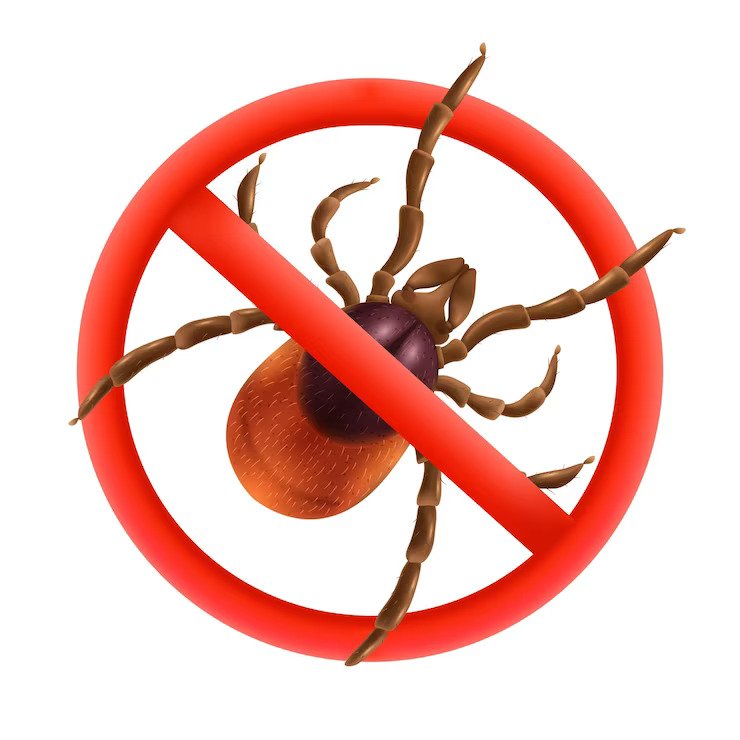
Here Are Four Prime Steps To Prevent Insects From Taking Over Your Kitchen
Prevent Insects From Taking Over Your Kitchen

If you want to keep your home pest-free, here are some things you need to consider.

1. Immediate clean-up

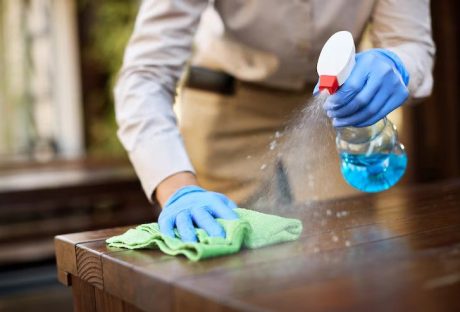
Crumbs, leftovers, and spills always attract pests inside the house. It would be best to conduct an immediate clean-up after every meal. Remove leftovers and place them in your recycling bin or trash compactor, place your dishes and utensils in the dishwasher, and wipe down eating surfaces immediately after eating. Doing this will prevent pests from making their way to your kitchen.

You can also prevent pests by wiping surfaces and problematic areas with 50% vinegar, dish soap, and water. You can also use a salt and water solution to directly wipe the surface and spray on bugs. 

2. Buy and stock food in cans and glass jars

When you shop for your groceries, select products that come in cans. Most pests can chew through paper, cardboard boxes, and even thin plastic containers. If you stock the pantry, it will be better to stock cans or glass jars of food because pests rarely chew through these materials. 

3. Check on the kitchen pipes 

Another way to prevent insects from coming into your home is to check the kitchen pipes. If the holes are bigger than the pipes, you have to cover them properly with sealant to prevent mice and other pests from using them as the entryway to your home. You can do it yourself by using caulking agents, glue, or expanding foam to cover such spaces, however, you can ask a pest control company to eliminate insects and pests professionally and safely in the long term.

4. Take out the trash

If you don’t have waste disposal in your sink, you must take out the trash regularly. You also have to use top-grade trash bags to keep pests away. 

Endnotes

Keeping pests away from your kitchen can be challenging. However, with a few simple methods, you can ensure your kitchen is as clean as possible.

Read Also:
  • How To Choose the Right Brass Range Hood for Your Kitchen
  • Know About The Type Of Kitchens According To Different Size
  • Different Styles of Kitchen Cabinets

Arnab is a professional blogger, having an enormous interest in writing blogs and other jones of calligraphies. In terms of his professional commitments, He carries out sharing sentient blogs.

View all posts

Leave a Reply

Your email address will not be published. Required fields are marked *

Related

Yard Work Basics A Beginner’s Guide

Yard Work Basics: A Beginner’s Guide

Digging your hands into the soil is both therapeutic and satisfying; it provides a wonderful way to release tension while getting some much-needed Vitamin D. Start by clearing away trash, debris and unwanted plants such as invasive species from your garden; discard rotten furniture and fire pits; rake leaves as needed depending on the season; all these tasks will help your lawn thrive! Pruning Pruning refers to the practice of trimming woody plants like trees and shrubs to achieve aesthetic, healthful results that protect them against disease, insects, or mechanical damage. Pruning should take place during the late dormant season for maximum effectiveness. Yard work can also provide valuable "me-time." Immersing yourself in your garden can help you focus on the tasks at hand and forget about stressors; physical activity has been shown to reduce chronic health conditions as well as improve overall wellness, providing full-body workouts that build flexibility while simultaneously relieving back pain and muscle stiffness. You can click here to learn more. Tree Care Tips Trees are an integral part of our landscapes, offering shade, beauty, and fruit. Unfortunately, trees can be fragile creatures that need regular care such as trimming and pruning, mulching, watering and fertilization to thrive. Furthermore, it's also important to monitor for pests or diseases which might impact them. It may be necessary to contact a professional who provides tree services when necessary for treatment. They can help determine the cause of your tree’s problem. When vetting tree services companies, always inquire into their qualifications and credentials. You can do this by asking about what kind of training and education their lead employees have received; an ideal tree company will have certified arborists on staff who work full-time for them. Furthermore, make sure the firm offers liability insurance just in case something goes amiss during their work on your property. While some tasks can be completed independently, hiring a certified arborist for more complex or risky tasks like tree removal and stump grinding is essential to ensure it is completed in an accurate and safe manner. After planting, it's essential to water and fertilize your new tree on an ongoing basis to help it overcome shock and become established. Fertilizers should also be applied once annually using an all-purpose fertilizer designed specifically for that type of tree. Weeding Weeds may not seem like the worst problem, but when left to their own devices they can impede the growth of desirable plants, depriving them of water, nutrients, sunlight and air that they need for growth. Removing weeds not only improves soil health but can reduce the chances of plant diseases as well. Regularly weeding your garden or lawn will ensure everything continues to flourish more abundantly. When pulling a weed, it is best to extract its entire root system to prevent reseeding. Doing this when the weed is still young makes removal much simpler. Ideally, the optimal time and conditions for weeding are early spring or late fall when temperatures are mild. At these times, weeds tend to be smaller with shallow roots that make pulling out easier with either your hands or hand tool. Furthermore, you should weed when the soil is damp to minimize compaction and increase the chances of extracting all weeds at once. Remember that weeds may emerge later in the season. Therefore, it's essential to monitor for new growth regularly, particularly as they flower. Regular lawnmowing will remove their seed heads while sowing desirable grasses around planting beds can prevent spillover into fertile garden soil. Also add layers of well-rotted manure, garden compost or bark mulch onto topsoil to deprive light to weeds and slow their regrowth before eventually smothering them out completely. Watering Yard work involves both light and heavy tasks. Lighter projects might include mowing the grass, pulling weeds from flower beds, watering the lawn and keeping up with any necessary pruning of shrubbery or removing invasive plants that don't belong, raking leaves and repairing or replacing garden furniture. Working in your garden can provide an incredible full-body workout, from squatting and bending to digging and lifting, which all improve muscle strength and flexibility. Even without access to a garden space of your own, taking regular strolls through local parks or green spaces will reap similar rewards. Regular watering of your yard promotes deep root growth, leading to drought resistance. Spending time in your garden also exposes you to sunlight, which helps relieve stress and anxiety, while meeting gardening goals gives a sense of pride and accomplishment. Gardeners depend on watering to give perennial flowers, trees, shrubs and grass the vital nutrients they require for healthy growth and survival. However finding out when and how much water can be challenging during hot, dry summer conditions. Watering efficiently increases root growth, reduces disease and fungus infestation and conserves your precious water supply - plus it is environmentally friendly as your garden and lawn consume the same water that supplies your home. To ensure you're not overwatering or underwatering your landscape, regularly monitor soil moisture. Plants need soil that's dry down to several inches in order to absorb water effectively; in the heat of summer, it's easy to forget this requirement. When watering, make sure you water at the base of each plant rather than on or around its foliage as water that lands there won't reach its roots and instead causes fungal disease outbreaks. To properly water your lawn, soak the ground deeply rather than spreading a light mist across it. For best results, it is best to water in the early morning when sun exposure is lower and air temperatures are cooler - this helps minimize evaporation. Cleaning Yard work is a wonderful way to gain fresh air and sunshine while simultaneously working your entire body in all directions. Cleaning tasks may include collecting trash and debris, clearing away invasive plants, trimming and pulling weeds as well as repairing fences or structures - projects which often make an immediate and visible difference to a yard's aesthetics. Read Also: Garden Edging for Beginners 5 Summer Garden Maintenance Tips and Tactics You Have To Know Grow these flowering plants in your home garden

READ MOREDetails
Home Improvement Hacks

Budget Friendly Home Improvement Hacks To Save Your Pockets

Home improvement is a big deal now, with more people embracing their creativity and letting it show in the places they live. This has led to the rise of incredible trends and hacks that provide the perfect opportunity for people to work in their homes. However, with all this development, it also gets confusing and daunting for some people. This is mainly because they have no idea where to start or some of the hacks they can include in different areas. These hacks are meant to be easily doable tasks that will transform your space when implemented. We’ve categorized these hacks in terms of placement and application. Some of them include: Floors In the home, floors play a big role in how the home looks and the general style you’ll be working with. A few tweaks here and there can completely change the look of your floors and add style and character. Some of the most versatile hacks to include for your flooring include: Peel And Stick Tiles When it comes to finding the perfect flooring for that annoying red floor or just need a new look, peel and stick tiles will do the trick. These tiles are amazing given that you can easily install them yourself. They are designed to give off the illusion of regular tiles without having to deal with grout, glue, and other tedious processes. You can get them in different colors, styles, and patterns making them the perfect option. Replacing Your Tile Grout When dealing with tiles for your flooring, you may find that the grout may get stained and turn to a different color which becomes hard to clean. However, you have the option of replacing the grout with a new one in the same color or a different one. Adding A New Finish This is especially a great idea if you are dealing with wooden flooring. With this, it is easier to add a new finish when needed to give the floors a new and vibrant look. Lighting One of the most understated hacks is the ability to switch out your light fixtures and improve the overall look significantly. Most people don’t know what role lighting plays in your space. You need to improve your lighting situation, which will give your space more life. To make it more appealing, consider getting light fixtures that feature some detail and a unique design. Additionally, you could also include under-cabinet lighting for your kitchen featuring the use of custom led lights. You also have the option of choosing to go with statement chandeliers, floor lamps, wall lights, and pendant lights among others. When it comes to lighting, you are spoilt for choice and can easily improve your space. Walls Adding some style to your walls is another great way to improve the overall look of your home. For this, you have a few options to choose from that are easy to work with and get quality results. They include: Adding a Fresh Coat of Paint Paint is a great easy way to get a different look when working on your walls. With this, you have the option of working with a variety of colors depending on the vibe you are going for. Additionally, you could paint one wall a different color and have that as your accent wall. This will improve the look of your room significantly. Adding A Wallpaper Wallpapers provide a layout, especially if you don’t want to do a paint job on your walls. They come in different types, patterns, and designs to ensure that they cater to everyone’s needs. With this, you can choose to cover all your walls or use them on one wall that will serve as your accent wall. Hanging Art Art is another great way to bring your taste and style into your home. For this, you can create your art piece or purchase one made by another artist. Entryway When it comes to your entryway, the first thing you need to consider is your storage options. Once you get into the house, where do your shoes, bag, coat, and keys go? Having a station where all these items can be kept will keep the home tidy and add a great design aspect to your space. Additionally, you can also add other decor items to make your entryway arrangement more visually appealing. Patio When it comes to dealing with the outdoors, one of the most effective ways to change it is by adding a seating area. Be creative with this and go for something that portrays who you are. Don’t be too rigid and only stick to what’s normal. Find what works for you and add it to your space. Play around with colors and create a cozy space to relax with family and friends. Greenery Adding some green aspects to your home is an amazing way to improve the look and add some character. The best part about adding greenery to your space is that it will help improve air circulation. When working with greenery, you need to take the time to water them to ensure they are healthy at all times. You could also opt for fake plants, given that they will add the same look and style. Adding Budget-Friendly Feng-Shi To Home-Decor Are you looking to bring more balance and good vibes into your home without breaking the bank? Feng Shui is all about creating harmony in your living space, and you don’t need to spend a fortune to make it happen. With just a few budget-friendly changes, you can invite positive energy, or "Chi," into your home and make it a calming, welcoming space. Clear The Clutter The first and easiest Feng Shui tip: declutter! It’s amazing how much difference a tidy room can make. When you get rid of the excess, you’re not only creating physical space, but you're also allowing the energy to flow freely. Take a walk around your home and ask yourself: Do I really need this? Less clutter equals more clarity and positive energy. Maximize Natural Light Good lighting is key to great Feng Shui. Natural light boosts the energy in any room, so open up those curtains and let the sunlight pour in. If you’re working in a space that doesn’t get much natural light, don’t worry. You can place mirrors strategically to reflect and amplify what little sunlight you have. Mirrors are like energy boosters! Bring in Some Green Plants are a staple in Feng Shui. They not only clean the air but also represent life, growth, and vitality. Even a small potted plant can make a huge difference. If you’re not exactly a plant person (hello, brown thumbs!), opt for easy-to-care-for plants like succulents or snake plants. And don’t worry; artificial plants can also work if they look realistic. Use Soft, Calming Colors You don’t need to repaint your entire house to improve the flow of energy. Start by adding calming colors like soft greens, blues, or neutrals in small touches, think cushions, throws, or wall art. These tones promote peace and relaxation, which is exactly what you want in a balanced space. Arrange Furniture With Intention Did you know that where you place your furniture can affect the energy in a room? Try to arrange your furniture so that you can see the door from where you’re sitting or sleeping. It promotes a feeling of safety and control. Plus, don’t block pathways with furniture, as it interrupts the flow of energy. Ready to try it out? Let Feng Shui transform your space! Improve Your Living Space! Investing in your home and interior design is essential to ensure that you are content with your living space. This is something you can do by implementing a few hacks here and there. Take your time to go through them and add them to your space one at a time. Transformation is a gradual process which means you’ll need to keep at it until you get to your desired outcome. Read Also: How To Increase The Value Of Your Home Important Things to Know Before Starting a Home Improvement Project Home Sweet Home Improvement: How to Find the Best Home Improvement Loans

READ MOREDetails
Best Domestic Plumbers

Best Domestic Plumbers Near You: A Comprehensive Guide

Whether you're dealing with a dripping faucet or a plumbing emergency, finding a reliable and skilled local plumber can feel daunting. With this comprehensive guide, we aim to take the stress out of your search. We'll help you understand what to look for, how to vet prospective plumbers and ensure you're getting the best value for your hard-earned dosh. Understanding Your Plumbing Needs Common Plumbing Issues Understanding your plumbing issues can assist you in your search for a plumber. Common problems include blocked drains, leaking pipes, faulty hot water systems, and toilets. Depending on the complexity, you might need a general plumber or a specialised one. A blocked drain might require a plumber skilled in using CCTV drain cameras and hydro-jetting equipment. Emergency vs. Regular Plumbing Needs Distinguishing between regular and emergency plumbing needs is crucial, as not all plumbers offer 24/7 services. Emergency plumbing issues like burst pipes, gas leaks, or severe drain blockages require immediate attention. On the other hand, if you're planning a bathroom renovation or dealing with a dripping tap, it's typically a non-urgent matter. Searching For A Local Plumber Word Of Mouth One of the best ways to find a reliable local plumber is through personal recommendations. Ask friends, family, or neighbours about their experiences. They can provide insights into the plumber's reliability, professionalism, and cost-effectiveness. Online Search An online search is another effective way to find plumbers in your area. You can use search terms such as "plumber near me" or "local plumbers" and browse the results. Remember to check customer reviews and ratings to understand their reputation. Local Directories Local directories, both online and physical, provide an extensive list of plumbers in your area. These resources usually include contact details and sometimes customer reviews. Evaluating Potential Plumbers Credentials Check the plumber's credentials before hiring. They should hold a valid plumbing license, showing they're qualified and legally permitted to perform plumbing work. In Australia, licensing requirements vary by state, so ensure the plumber complies with your local regulations. Insurance Ensure the plumber carries adequate insurance, including public liability insurance, to cover any damages that might occur during the work. They should also have workers' compensation insurance to protect them from liability if a worker is injured on your property. Experience And Specialisation Examine the plumber's level of experience and specialisation. Some plumbers specialise in specific areas, such as gas fitting, roofing, or drain cleaning. Choosing a plumber with relevant experience and specialisation can result in better service. Asking The Right Questions Once you've shortlisted potential plumbers, it's time to ask some questions. This can help you determine if they're the right fit for your needs. What's Your Experience With This Type of Work? It's crucial to ask if the plumber has handled similar jobs before. They should be able to explain how they would address your issue, what steps they would take, and how long they anticipate the work will take. Do You Provide A Written Quote? Always request a written quote before the work begins. The section should include labour costs, material costs, and any potential extra costs. This will prevent any unwelcome surprises when it's time to settle the bill. What's Your Availability? For urgent issues, you'll need a plumber who can respond promptly. But even for non-urgent work, it's good to know their schedule to see if it fits with yours. If they're too busy, consider another plumber. Making The Decision Compare Quotes Remember, the cheapest quote can be better. Look for value for money. Spending more upfront can save you from headaches and additional costs. Trust Your Gut Looking elsewhere is okay if a plumber needs to be more trustworthy and professional. You should feel comfortable with your choice as they will work in your home and deal with your property. After The Job Review Your Experience After the job is completed, take a moment to review your experience. Was the plumber professional? Did they complete the work satisfactorily? Your feedback can help others find a reliable plumber. Keep Good Records Hold onto the invoice and any warranty information, especially for substantial jobs. Good records can be helpful if problems arise later or for home insurance purposes. Conclusion Finding the best domestic plumbers near me can take some effort, but it's well worth it. Understanding your needs, research, credentials, and trust your gut. With this guide, you're well-equipped to find a top-notch local plumber to tackle your plumbing needs. Don't hesitate to contact a professional for help! Read Also: 5 Best Type Of Plumbing Pipe Guide To Choose An Authentic Plumber Service Company

READ MOREDetails