











Protecting Your Teeth And The Planet: The Benefits Of Eco-Friendly Toothpaste

Published on: 29 March 2023 Last Updated on: 30 October 2024
Eco-Friendly Toothpaste

Oral hygiene is an essential part of our daily routine, and choosing the right toothpaste is crucial for maintaining healthy teeth and gums. However, with increasing concerns about the impact of our daily habits on the environment, many people are now looking for eco-friendly alternatives to traditional toothpaste brands.

Put together by Tutu’s Green World, here are some of the benefits of using eco-friendly toothpaste for both your teeth and the planet.

Natural Ingredients

Eco-friendly toothpaste is made with natural ingredients that are safe for your teeth and the environment. Traditional toothpaste brands often contain harsh chemicals such as sodium lauryl sulfate, triclosan, and artificial colors and flavors. These chemicals can be harmful to both our health and the environment. In contrast, eco-friendly toothpaste is formulated with natural ingredients that are gentler on our teeth and do not harm the environment.

Reduced Plastic Waste

Traditional toothpaste tubes are made of plastic and are not recyclable, which leads to a significant amount of plastic waste. Eco-friendly toothpaste brands offer alternatives to plastic packaging, such as biodegradable or recyclable materials. Some brands even offer toothpaste tablets that can be purchased in refillable glass jars, eliminating the need for any plastic packaging at all. By choosing eco-friendly toothpaste, you can significantly reduce your plastic waste and contribute to a more sustainable future.

Ethical And Sustainable Sourcing

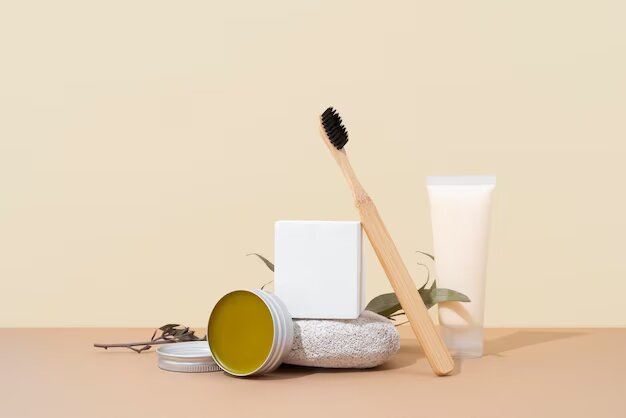
Many eco-friendly toothpaste brands prioritize ethical and sustainable sourcing practices. For example, some brands use bamboo or other renewable resources to create their packaging. Others use ingredients that are sourced sustainably and ethically, such as organic coconut oil and aloe vera. By choosing eco-friendly toothpaste, you can support brands that are committed to sustainability and ethical sourcing practices.

Cruelty-Free

Many eco-friendly toothpaste brands are also cruelty-free, meaning that they do not test their products on animals. This is an important consideration for those who are concerned about animal welfare. By choosing a cruelty-free toothpaste, you can be sure that you’re not contributing to animal cruelty in any way.

Better For Sensitive Teeth

Eco-friendly toothpaste brands often offer options that are formulated with natural ingredients that are gentle on sensitive teeth and gums. This means that if you have sensitive teeth, you can find a toothpaste that won’t cause discomfort or irritation. Additionally, many eco-friendly toothpaste brands offer options for people with specific oral health concerns, such as gum disease or bad breath.

Fluoride-Free Options

Many traditional toothpaste brands contain fluoride, which is known to be harmful if ingested in large quantities. Eco-friendly toothpaste brands often offer fluoride-free options that are safe for both adults and children. Additionally, some eco-friendly toothpaste brands offer options that are specifically formulated for children, with flavors and packaging that are appealing to kids.

Health Benefits

Eco-friendly toothpaste can also offer health benefits beyond just being better for the environment. Natural ingredients can be gentler on the teeth and gums, and some can even help to whiten teeth and freshen their breath. Additionally, by avoiding harsh chemicals, eco-friendly toothpaste can help to promote overall health and well-being.

In conclusion, choosing eco-friendly toothpaste is a simple and effective way to protect your teeth and the planet. With natural ingredients, reduced plastic waste, ethical and sustainable sourcing, cruelty-free practices, options for sensitive teeth and fluoride-free options, and potential health benefits, eco-friendly toothpaste is a great choice for anyone looking to make a positive impact on the planet and their own health. So why not switch to eco-friendly toothpaste today and start protecting your teeth and the environment?

Read Also:

Abdul Aziz Mondol is a professional blogger who is having a colossal interest in writing blogs and other jones of calligraphies. In terms of his professional commitments, he loves to share content related to business, finance, technology, and the gaming niche.

View all posts

Leave a Reply

Your email address will not be published. Required fields are marked *

Related

Acne

Role Of Diet, Hormones & Skin Care On Acne

Acne, a prevalent skin condition affecting people of all ages, often becomes a source of frustration and self-consciousness. While acne products are readily available, comprehending the multifaceted factors contributing to acne is crucial. In this comprehensive exploration, we will delve into the role of diet, hormones, and skin care in managing acne. You can adopt a holistic approach to acne management by understanding how these aspects intertwine. The Impact of Diet on Acne Dietary Choices and Skin Health: Your diet is pivotal in determining your skin's health. Certain foods can significantly influence acne development. Food rich in fruits, vegetables, whole grains, and lean proteins gives essential nutrients supporting skin health. Antioxidants in colorful fruits and vegetables help combat free radicals that can exacerbate skin conditions. Lean proteins contain amino acids necessary for collagen production and skin repair. On the contrary, diets high in sugary foods, dairy products, and processed foods may exacerbate acne in some individuals. Excessive sugar intake can lead to increased insulin levels, which, in turn, stimulate the production of skin oils and contribute to clogged pores. The Glycemic Index Connection: Foods with a high glycemic index can lead to acne flare-ups. Consuming certain foods can cause an increase in blood sugar, causing the release of insulin. Insulin stimulates the production of androgens, leading to increased oil production in the skin and higher chances of clogged pores and acne. Foods with a low glycemic index, like whole grains, legumes, and non-starchy vegetables, can aid in stabilizing blood sugar levels and reduce the risk of acne breakouts. Hormones and Acne Hormonal Fluctuations: Hormonal changes during puberty, menstruation, pregnancy, and menopause undoubtedly trigger or worsen acne. Increased androgen production increases oil production, making the skin susceptible to clogged pores and acne breakouts. This hormonal influence is why acne is often associated with adolescence and can affect both teenagers and adults. Polycystic Ovary Syndrome (PCOS): It is a hormonal disorder that affects many women. It often leads to elevated androgen levels, contributing to acne and other skin issues. Managing PCOS through lifestyle changes and medications can help control acne symptoms. A healthcare provider can offer guidance and treatment options tailored to individual needs. Skincare Regimen for Acne Management Importance of Proper Cleansing: A consistent skincare routine is essential for effective acne management. Proper cleansing helps remove dirt, oil, and makeup, preventing pore blockages. However, avoiding harsh scrubbing or overly abrasive products is crucial, as these can irritate the skin and exacerbate acne. Choosing Acne Products: When selecting acne products, it's essential to consider your skin type and the severity of your acne. Look for acne products with active ingredients like salicylic acid, alpha hydroxy acids( AHA), and benzoyl peroxide, as these can effectively treat acne. These ingredients help exfoliate the skin, unclog pores, and reduce inflammation. However, using these products as directed is critical, as overuse can lead to excessive dryness and irritation. Moisturization and Sunscreen: Even acne-prone skin requires adequate hydration. Opt for non-comedogenic, oil-free moisturizers to maintain skin balance. Additionally, always use a broad-spectrum sunscreen with an SPF to protect the skin from damage. Some acne treatments can increase skin sensitivity to sunlight, making sunscreen crucial in preventing further skin issues. Environmental Factors and Acne Environmental factors, like pollution, humidity, and exposure to certain chemicals, can also impact acne development. Pollution particles can settle on the skin, potentially clogging pores and contributing to breakouts. Humidity can increase oil production, leading to more frequent acne flare-ups. Understanding how these external elements influence your skin can help you take preventive measures and adapt your skincare routine accordingly. Lifestyle and Stress Management Lifestyle choices and stress levels can play a significant role in acne management. Unhealthy habits like smoking, excessive alcohol consumption, and inadequate sleep can worsen acne symptoms. Smoking narrows blood vessels, lowering blood flow to the skin and decreasing oxygen and nutrient delivery. Excessive alcohol consumption may dehydrate the skin and impair its barrier function. Inadequate sleep can significantly raise stress levels and trigger hormonal fluctuations that result in breakouts. Stress can exacerbate acne by boosting the production of stress hormones like cortisol, leading to increased oil production and inflammation in the skin. Exploring ways to manage stress through relaxation techniques, regular exercise, and lifestyle adjustments can be valuable to your acne management strategy. Engaging in physical activity not only aids lower stress but also increases blood circulation, which can benefit overall skin health. Proper sleep is crucial for skin repair and regeneration, so aim for 7-9 hours of quality sleep per night. Conclusion In conclusion, comprehending the intricate interplay between diet, hormones, skincare, environmental factors, and lifestyle choices in the context of acne is essential for effective management. While dietary choices and hormonal fluctuations can influence skin health, a well-thought-out skincare regimen tailored to your skin type and suitable acne products can make a significant difference in managing acne. Read Also: The Chinese Have The Best Diet In The World – Here’s Why How To Choose The Right CBD Capsules For Your Needs Peptide Therapy: Types And Benefits

READ MOREDetails
Cannabinoids

CBG vs. CBN: Navigating The Lesser-Known Cannabinoids

While cannabis usage and exploration are evolving, the shadow of its most popular cannabinoid pair, THC and CBD, may finally be lifting on two newbies to this magical family tree within the flower we all know and love Cannabigerol (CG) and Cannabinol (CBN). With the preponderance of experience from the familiar fun of THC-induced highs to the meditative balm of CBD’s therapeutic benefits, these less-well-known cannabinoid compounds may come as a surprise – and cannabis connoisseurs may just find them to be a treat for the CBD-toned brain. And as one who’s dipped a toe into all things cannabis-related personally and professionally, I’d like to share some insights into these so-called minor cannabinoids, but in a major, professional, and trusted way. Hail to the unknown and underappreciated! Enter CBG and CBN, stage left Research, personal experience, and murmurs of the ganja community are about to collide for your entertainment and perhaps enlightenment about these two oft-overlooked members of the cannabis clan. What Are CBG and CBN? To get the lowdown, it’s a good idea to figure out exactly what CBG and CBN are. CBG, or cannabigerol, is sometimes referred to as the ‘mother of all cannabinoids’ because, in its acidic CBGA form, it’s the precursor molecule of several other cannabinoids. Non-psychoactive, it’s believed to have a number of potentially beneficial therapeutic actions. The other compound is CBN or cannabinol, which results when THC ages and breaks down. It’s mildly psychoactive but nowhere near as much as cannabis itself. The Unique Promise of CBG CBG first came onto my radar when I was researching botanical solutions to gut ailments. Word on the street was that the cannabinoid could potentially provide immense relief – an assertion ostensibly supported by CBG’s reported anti-inflammatory and analgesic effects. In my case, I found some of that buzz to be spot-on. Soon after adding this cannabinoid to my routine, I took note of some discernible improvements with respect to my digestive comfort. I didn’t experience transformative results right out of the gates but, over time with continued use, those uncomfortable days grew less frequently. Studies also indicate that CBG might have neuroprotective, anticancer, and antibacterial effects. CBG might be the ultimate versatile cannabinoid for physical relief and preventative health benefits. The Calming Effects of CBN The first time I used CBN was to help a friend sleep better. She’d tried meditation and melatonin without much luck. Both made her light and scatterbrained and though she could manage her insomnia with the sheer force of will, she was curious to try another approach. I was curious, too, and decided to experiment alongside her. My own sleep patterns were never great, even on nights when I could turn off the TV (and the iPad) in time to hit the sheets by midnight. Alongside her, I found CBN to be a relaxing sleep aid. I wouldn’t call it a ‘sleeping pill’ as it doesn’t put you down for the night quite the same way that sort of remedy does. But there are lots of nights when I need a nudge toward rest, times when my mind is filled with deadlines and to-dos. On those occasions, a CBN-infused tincture has become an excellent tool for inducing a Guitar-Strum-Country-And-Western brain noodle. CBN is also being tested as a pain reliever, anti-inflammatory, and neuroprotectant (a compound with the ability to reduce cell death associated with stroke, traumatic brain injury, and neurodegenerative disorders). Human trials are just beginning, but the outlook appears encouraging.  Personal Experience: A Balancing Act My experience trying to understand the world of CBG vs CBN has been confusing, enlightening, and, above all, very informative. I have learnt that, while both cannabinoids can supplement our lives, they have to be used at the right time to work for specific needs. CBG has become my ally during the day, a cannabinoid that makes me feel slightly better than usual but does not have any psychoactive effects. CBN will stay in my nighttime routine, not as a substitute for sleeping pills but as a way to create a more prone state. Pros and Cons Pros - CBG: Potential digestive aid and anti-inflammatory. Non-intoxicating, making it suitable for daytime use. Versatile benefits span from neuroprotection to antibacterial effects. Pros - CBN: Promotes relaxation and may improve sleep quality. Mildly psychoactive, offering a gentle experience. Potential pain reliever and anti-inflammatory properties. Cons - CBG: Low availability and more expensive due to lower yields from cannabis plant.  Research is still emerging, making definitive conclusions about its efficacy premature. Cons - CBN: Effects can vary greatly among individuals; not everyone may experience significant sleep benefits. Because it’s apparently derived from the degradation of THC, its legal status can be unclear in some places. Final Thoughts This journey of discovery into CBG and CBN has both amazed me and taught me a lot. My experiences have generally been good ones, but reactions can differ – start small and work up from there, to be sure. While the research is still emerging, it’s possible that CBG and to some extent, CBN can transcend their minor cannabinoid status and join the ranks of CBD and THC. For cannabis connoisseurs and curious neophytes alike, this new frontier means looking deeper than ever into the increasingly multilayered beauty and therapeutic promise of the plant. Cheers to good science and many more cannabinoids on the horizon. Read Also: How Does CBD Affect Your Drug Tests? How CBD Oil Capsules Are Changing People’s Lives What is Cannabis Oil and how does CBD Oil Work?

READ MOREDetails
Biohacking Mental Health

Biohacking Mental Health With Plants And Mushrooms

Mental health is a growing concern in today's society, with an increasing number of people struggling with various mental health conditions. Millions of people suffer from mental disorders globally, making it one of the leading causes of ill health and disability worldwide. In recent years, there has been a growing trend towards alternative methods for treating mental health conditions. One such method that has gained popularity in the biohacking community is the use of plants and mushrooms. But before you get the best magic mushroom grow kit and start growing some mushrooms, it's important to understand what biohacking mental health with plants and mushrooms truly means. In this article, we will explore the concept of biohacking, its connection to mental health, and how plants and mushrooms can be beneficial for improving our mental well-being. What Is Biohacking? Biohacking refers to the practice of using science and technology to improve human performance and optimize health. It involves making small lifestyle changes or adopting specific techniques that aim to enhance physical and mental capabilities. The goal of biohacking is to achieve optimal functioning in all aspects of life, including physical, cognitive, emotional, and spiritual well-being. There are various forms of biohacking, such as do-it-yourself biology, nutrigenomics, neurofeedback, and nutritional supplements. However, in recent years, biohacking has also extended to include the use of plants and mushrooms for mental health purposes. Plants And Mushrooms: Nature's Medicine Cabinet For Mental Health Plants and mushrooms have been used for centuries as natural remedies for various ailments, including mental health conditions. With the rise of biohacking, these natural substances have gained even more attention as powerful tools for improving mental well-being. Some plants and mushrooms that are commonly used in biohacking for mental health include: Lion's Mane Mushroom: This delicious mushroom that tastes almost like lobster or crab meat can improve cognitive function and memory and has neuroprotective properties. Ashwagandha: This is an adaptogenic herb that helps the body cope with stress and anxiety. Bacopa Monnieri: This is another adaptogenic herb that may enhance learning, memory, and brain function. Psilocybin Mushrooms: These psychedelic mushrooms have shown promising results in treating conditions like depression, anxiety, and post-traumatic stress disorder (PTSD). The Importance Of Proper Usage While plants and mushrooms can offer many benefits for mental health, it is important to note that they should be used responsibly. Some key considerations include: Proper dosage: Different plants and mushrooms may have varying levels of active compounds, so it is crucial to follow recommended dosages to avoid negative effects. Source reliability: It is essential to obtain plants and mushrooms from reputable sources to ensure purity and safety. Poorly sourced products may contain harmful contaminants or incorrect species. Individual response: Each person may have a different reaction to biohacking with plants and mushrooms. It is important to monitor your own responses and make adjustments accordingly. Consulting a healthcare professional: Before incorporating any new plant or mushroom into your routine, it is wise to consult with a healthcare professional, especially if you have underlying medical conditions or are taking medications. Final Thoughts As you explore the world of biohacking with plants and mushrooms, remember that your health and safety should always be the priority. This field is complex and still emerging, so it's important to consult with a healthcare professional or a knowledgeable expert in the field before making changes to your routine. This way, you can ensure that your mental health biohacking journey is both effective and safe. Read Also: 10 healthy Habits to improve your health How To Take Care Of Your Mental Health Living Healthily | Six Crucial Lifestyle Tips for College Freshmen

READ MOREDetails