













What Is Thinspo? | Impact On Physical And Mental Health

Published on: 25 March 2023 Last Updated on: 04 September 2024
Thinspo

You're wrong if you believe being as slim as possible is the healthiest thing you can do. Such perceptions have led many anonymous online personas to share thinspo content promoting eating disorders like anorexia.

Over the past few years, this type of content got consumed by kids and teenagers, leading to a surge in cases of anorexia. This race to attain the ideal body type - which is slimmer than my bones - is unhealthy.

Learn more about this online phenomenon by reading this post till the end.

What Is Thinspo Meaning?
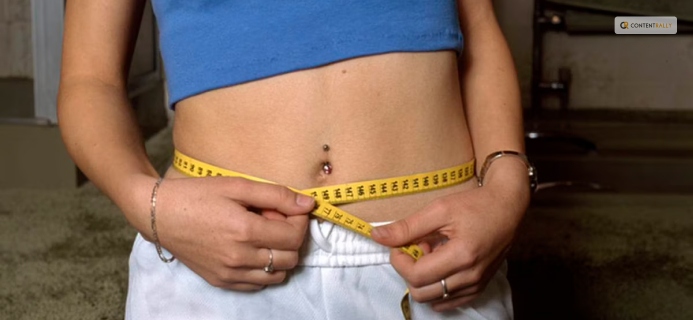
What Is Thinspo Meaning

Anorexic "Thinspo" images and videos are a risky internet fad that supports anorexia. Such content encourages those with anorexia nervosa to maintain unhealthy routines or take on other destructive behaviors.

This material may exacerbate the symptoms of eating disorders and harm a person's mental health, particularly their feeling of self-worth.

What Are The Pro Ana And Pro Mia Websites?

What Are The Pro Ana And Pro Mia Websites
Image Source: uab.cat

Anorexia and bulimia are accepted on websites that are pro-ana and pro-mia. Whether the attempts are overt or covert, their main objective is to unite and encourage like-minded individuals to validate their fights.

Regrettably, most participants depend on posting and accepting thinspo content to stay committed to their problems rather than promoting recovery services.

Although many website administrators and social media sites try to stop triggering remarks, sometimes their good intentions fall short. Unfortunately, all it takes to begin a new male thinspo craze is a new hashtag, website, or inspirational saying.

As an illustration, once Instagram forbade "thinspiration" content, people started doing it more. In other words, as moderation increases, people become more inventive with their wordplay.

Will Thinspo Content Be Harmful To You?

Will Thinspo Content Be Harmful To You
Image Source: s.abcnews.com

Not all material that fits the definition of "thinspo" is explicitly or even purposefully inciting self-destructive behaviors.

According to a 2019 report, some content producers who are battling eating disorders don't always bring up unhealthy eating habits or actively urge others to do so.

However, the nature of their work, in which people are battling eating disorders, may draw attention to their thin bodies. People at risk for developing anorexia nervosa may observe and want to distance themselves.

This raises the issue of whether people must thwart someone with an eating disorder from displaying one‘s body on the internet if that content may be thought to put other vulnerable people at risk.

This highlights the conversation regarding what ought to be completed about this kind of material and raises the issue of whether people should prevent them from encouraging others to live unhealthy lifestyles.

It's more evident that web admins should remove anything openly promoting self-destructive conduct, something many platforms purport to accomplish. Even still, there is frequent information that supports eating disorders on several well-known websites.

Before And After Thinspo Effects On Mental Health

Before And After Thinspo Effects On Mental Health
Image Source: media.cnn.com

Thinspo diet plans can harm people's mental health, especially susceptible populations like young girls. Many children fall into this perilous rabbit hole, which may significantly change how they view their idealised body type.

Although this content doesn't often induce eating problems, research has shown that it may instead encourage them. It can also be more challenging for someone to recognize that they have a severe mental health issue, which might postpone receiving treatment.

Individuals who suffer from eating disorders frequently engage in websites where other individuals with eating disorders promote disordered behavior and normalize harmful habits, creating an "echo chamber" for themselves.

Also, those who struggle with eating disorders frequently adopt a competitive perspective, contrasting their bodies to those of others and striving to "outdo" them regarding calorie consumption and weight objectives.

How To Reduce Risks Of Thinspo Content And Anorexia?

How To Reduce Risks Of Thinspo Content And Anorexia
Image Source: magnoliacreek.com

Being conscious of yourself is crucial while attempting to lower your risk of anorexia. Recognize when you start to feel nervous about eating or have negative thoughts about your physique.

Read only books on healthy eating supported by research, and pay attention to what medical professionals say is the ideal weight limit for a person with your body type. Speak with a mental health professional before you desire to adopt eating patterns different from what health professionals recommend or set weight goals below this range.

It has been seen that the body positively lowers a person's chance of eating disorders, including anorexia. Many people, particularly women, are exposed to unrealistic body images through media like social networks and movies, which can harm their sense of self.

Content that aims to dispel people's misconceptions about what a typical, healthy body looks like can lower a person's risk of developing an eating disorder.

It's essential to "tend one's own garden" in this digital world by watching the stuff you're consuming. The more diverse the algorithms used to select the information you receive will provide similar content, the more of a particular type of content a person will typically consume.

Therefore, it's best to be more conscious of what content you consume from the internet. Try your best to avoid content that makes you feel bad or simply not like it at all. In addition, distance yourself from content that requests you to harm yourself and do dangerous things.

How To Get Help If I Suffer From Anorexia?

How To Get Help If I Suffer From Anorexia
Image Source: waldeneatingdisorders.com

The first important and most challenging step in the rehabilitation process is seeking treatment for anorexia. Recognizing your eating issue, be it anorexia or other disorders, is necessary before getting help from a mental health expert.

The intensity of your symptoms will typically determine where you should start looking for treatment. If you're uncertain, contact a helpline for eating disorder treatment or talk to your doctor about your alternatives.

Anorexia can be treated as a mental health issue, regardless of the approach used. Anorexics who get the right help and instruction can recover and lead fulfilling lives. The most important thing is to start the therapy process.

Final Verdict: Is Thinspo Healthy?

No, thinspo, or “thinspiration” is not healthy.

Such online content promotes the picture of the ideal body type being super slim. However, if you look closely, this “ideal body type” is a bit too slim in an unhealthy way. Yet today's "woke" teenagers are now becoming entangled in this quagmire and developing anorexia nervosa.

Read Also:

Content Rally wrapped around an online publication where you can publish your own intellectuals. It is a publishing platform designed to make great stories by content creators. This is your era, your place to be online. So come forward share your views, thoughts and ideas via Content Rally.

View all posts

Leave a Reply

Your email address will not be published. Required fields are marked *

Related

Dental Patients

Attracting New Dental Patients: Best Strategies For Growth

Attracting new dental patients is crucial for the success and growth of any dental practice. To stand out in a competitive market, dental practices need effective strategies to attract new dental patients and build long-term relationships with them. Here are some of the best strategies to attract new patients to dental practices. 1. Online Presence and Marketing In today's digital age, having a strong online presence is essential. Create a professional website that's informative, visually appealing, and user-friendly. Optimize it for search engines to improve visibility. Utilize social media platforms to engage with potential patients, share oral health tips, and showcase your expertise. Online advertising and search engine marketing can also be effective in reaching a wider audience for practices that need more dental patients. 2. Local SEO Implement local search engine optimization strategies to ensure your dental practice appears in local search results. Register your practice on Google My Business and other local directories. Include accurate contact information, hours of operation, and patient reviews. Encourage satisfied patients to leave positive reviews, as they can significantly impact your online reputation. 3. Referral Programs Word-of-mouth recommendations remain one of the most powerful marketing tools. Offer referral incentives to existing dental patients who refer new patients to your practice. This could be a discounted service, a free dental cleaning, or a gift card. Implementing a formal referral program helps motivate patients to spread the word about your practice. 4. Community Involvement Engage with the local community by participating in events and initiatives. Sponsor local sports teams, schools, or charity events. Offer free dental screenings or oral health presentations at community centers, schools, or local businesses. These activities not only enhance your visibility but also demonstrate your commitment to the community's well-being. 5. Patient Education Develop educational materials, such as blog posts, videos, or infographics, that provide valuable information about oral health and dental procedures. Share these resources on your website, social media, or through email newsletters. By positioning yourself as a reliable source of information, you can attract dental patients who are actively seeking dental care and are interested in learning about oral health. 6. Online Appointment Booking Simplify the process of scheduling appointments by implementing an online appointment booking system. This convenience is appreciated by busy individuals who prefer the ease and flexibility of booking appointments at any time. Make sure the process is user-friendly and offers clear instructions. 7. Exceptional Patient Experience Providing exceptional patient experiences is crucial for attracting and retaining patients. Ensure your staff is friendly, knowledgeable, and responsive. Create a comfortable and welcoming environment in your practice. Communicate clearly with patients, addressing their concerns and explaining treatment options. Offer amenities such as comfortable waiting areas, complimentary refreshments, and entertainment options. 7. Special Offers and Promotions Consider offering special promotions or discounts for new patients. Those could include discounted initial consultations or teeth whitening treatments. These incentives can entice potential patients to choose your practice over competitors. 8. Patient Testimonials Encourage satisfied dental patients to share their positive experiences through written testimonials, video testimonials, or online reviews. Testimonials act as social proof of dental practices' credibility and service. They can significantly influence potential patients when choosing a dental practice as well. 9. Continuous Professional Development Consider staying updated on the latest advancements in dentistry and investing in ongoing professional development for yourself and your team. Being knowledgeable about the latest treatments and technologies demonstrates your commitment to providing high-quality care. In turn, it can attract new patients seeking modern and effective dental solutions. 10. Effectively Retaining Existing Patients and Bringing in New Ones Implementing these strategies can help dental practices attract new patients and establish a strong reputation in their communities. By focusing on providing exceptional patient experiences, utilizing online marketing strategies, and engaging with the local community, dental practices can differentiate themselves from the competition and foster long-term relationships with their patients. Remaining up-to-date on the latest technologies and techniques and staying in touch with consumers' needs can foster growth as well.  Read Also: Best Paying Jobs In Medical/Dental Instruments Is Medical/Dental Instruments A Good Career Path How Many Jobs Are Available In Medical/Dental Instruments?

READ MOREDetails
Eye Mistakes

6 Eye Mistakes That Can Make Your Vision Worse

You're staring at a computer screen all day, and you think you're taking good care of your eyes. Your eyes feel fine, after all. And when it comes to proper eye care, you get regular checkups from NewVision Clinics - Eye Specialist in Melbourne and take the right steps to keep your vision in top shape. If you're not careful, however, you could be making a few eye mistakes that might be hurting your vision. How To Identify The Eye Problems? If your eyes are dry and irritated, there's a good chance you're overdoing it with eye drops. That's because many of these drops contain chemicals that get your eyes producing more tears than normal — but only for a short period of time. But once the effect wears off, your body compensates by producing even fewer tears than before. You can become dependent on eyedrops just to see clearly for a few minutes at a time. This is why using artificial tears for more than two or three days in a row is generally not recommended.  Instead, use preservative-free eye drops sparingly (usually no more than four times per day). Our eyes are the only pair we've got, and many of us don't take proper care of them. Whether it's sleeping in our makeup or not wearing sunglasses on a sunny day, there are many ways we can hurt our eyes on a daily basis. Here are three eye mistakes that could be making your vision worse — and what to do about them. 6 Common Eye Mistakes Which Makes Your Vision Worse You are making many eye mistakes throughout life, from wrong power eyeglass wearing to applying bad eye drops. But apart from these, many more common mistakes hamper your eye's vision. Here are six mistakes that have an adverse effect on your eyesight. 1. You're Skipping The Sunglasses When you're walking around in bright conditions, like snow or bright sky during the summer, it's important to wear sunglasses. Not only is this a good idea for your general health-protecting your eyes from UV rays — but it can also help keep you from blinking. Going out without proper protective sunglasses is one of the common eye mistakes. But it can happen at any time. So it is better to take the tap and remember to wear sunglasses. Constant squinting can lead to the development of crow's feet, which are fine lines around the eyes that can make you look older than you really are. If that isn't enough reason to wear them, consider this: According to a study published in JAMA Ophthalmology, long-term exposure to UV radiation has been linked with cataracts in middle-aged adults. And if you're worried about how they look on you, check out these five tips to find the perfect pair of sunglasses for your face shape. 2. Not Eating Right A healthy diet is good for your whole body, including your eyes. "There are certain nutrients — carotenoids, vitamins C and E and omega-3 fatty acids — that have beneficial effects on our eyes," Dr. Ritterband says.  Improper diet maintenance is solid eye mistakes. You probably do not know the right nutrition, which is keeping your eyes healthy. But the fish and green vegetables have the right vitamin A and D sources, which are eye boosters. 3. Not Wearing Sunglasses Outside It’s easy to think that sunglasses are just another fashion accessory, but they’re really an essential tool for protecting your eyes from the sun’s ultraviolet radiation (UVR). Exposure to UV light can cause cataracts and age-related macular degeneration, two of the leading causes of blindness in older adults. UVR also can damage the skin around the eyes, which can increase your risk of developing basal cell carcinoma and squamous cell carcinoma, two common types of skin cancer. Wear sunglasses labeled with “UV 400” or “100% UVA/UVB protection” every time you go outdoors — even on cloudy days — to protect your eyes from damaging UVR. 4. Using Antibiotics Too Much "There is a fear that if you have an inflamed cornea, people worry that it might get infected," Melmed said. "In most cases, it doesn't get infected." Antibiotics have eye mistakes effects; they can cause allergic reactions and sometimes even bacterial resistance, he said. 5. Not Getting Regular Eye Exams It's important to see an ophthalmologist every year, Melmed said. During the exam, he or she will check for early signs of glaucoma and macular degeneration, which can be treated if caught early enough. Avoiding the scheduled eye check-ups are eye mistakes.  Try to avoid it consciously. We all know going for the regular check-up is a little time taking process. But to maintain eye health, you have to do it. 6. Using Artificial Tears The reason many people have dry eyes is not that their tear glands aren't producing enough tears. Rather, it's because their blink reflex doesn't work properly, and their tears evaporate too quickly from the surface of their eyes.  In this case, artificial tears only worsen the situation by drying out the surface of your eyes even more. Instead of using over-the-counter artificial tears, try to blink more often and learn how to massage your eyelids properly in order to improve the blink reflex (you can find instructions in my Natural Vision Improvement Kit). Conclusion: All of these six eye mistakes are common. But on your regular days, you are making these mistakes without knowing them. So it is better to tap on and avoid making mistakes. If you are facing troubled vision. First, identify the problem systems and then ask the consults from the eye doctor. Read Also: 3 Top Tips to Keep Your Eyes Healthy How To Care For Your Eye In 5 Medically Proven Ways How To Buy Glasses With Vision Direct Contacts vs Glasses: Which of These Two Eyesight Improving Methods

READ MOREDetails
Best Cardiologist In India

FAQ About Finding The Best Cardiologist In India: Your Comprehensive Guide

Heart health is a priority, and finding the right cardiologist is crucial to ensuring a healthy and vibrant life. This blog aims to address your frequently asked questions, offering insights and guidance as you try to find optimal cardiac care and the best cardiologist in India. Cardiology In India: Your Path To Heart Health The Significance Of Cardiac Care India's healthcare scene boasts diverse cardiology specialists, each dedicated to exceptional care for heart-related concerns. Whether you are seeking preventive screenings, diagnosis, or treatment, India's cardiologists blend medical expertise with a patient-centric approach. Navigating Your Questions: Expert Insights For Heart Health 1. Why Should I Consider A Cardiologist In India? Cutting-edge technologies and world-class expertise characterize India's medical landscape. Cardiologists in India can access advanced diagnostic tools and offer a holistic approach to heart health, ensuring you receive comprehensive care tailored to your needs. 2. How Do I Begin My Search For The Best Cardiologist? Start by seeking recommendations from trusted sources, such as your primary care physician, family members, and friends. Online platforms that provide directories of healthcare professionals can also be valuable resources to explore. 3. What Qualifications Should I Look For In A Cardiologist? Look for a board-certified cardiologist who has completed specialized training in cardiology. Board certification is a testament to a cardiologist's expertise and commitment to maintaining the highest standards of patient care. 4. Should I Consider A Cardiologist With A Subspecialty? Depending on your heart health concerns, a cardiologist with a subspecialty may be beneficial. Subspecialties in cardiology can include interventional cardiology, electrophysiology, and heart failure. Choosing a cardiologist with relevant expertise ensures you receive targeted and effective care. 5. How Can I Evaluate A Cardiologist's Experience? Research the cardiologist's experience by reviewing their credentials, reading patient reviews, and learning about their professional affiliations. Experience is key to ensuring knowledgeable and competent care. 6. What Role Does Technology Play In Cardiac Care? Cardiac care has evolved with technological advancements. Inquire about the diagnostic tools and treatment options at the cardiologist's clinic. A cardiologist who embraces modern technology demonstrates their commitment to providing the latest and most effective solutions. 7. How Can I Ensure A Comfortable Doctor-Patient Relationship? During your consultation, assess how well you communicate with the cardiologist. A strong doctor-patient relationship is built on effective communication and trust. Feeling comfortable discussing your concerns is essential for a successful partnership. 8. Are Second Opinions Recommended? Seeking a second opinion is a valuable approach, especially for significant cardiac decisions. A second opinion can provide additional insights and confirm the recommended treatment plan. 9. What Diagnostic Tests And Procedures Are Available? Inquire about the range of diagnostic tests and procedures offered by the cardiologist. From echocardiograms to stress tests, understanding the available options helps you assess the clinic's capabilities in accurately diagnosing heart conditions. 10. What Are The Treatment Approaches Offered? Discuss the treatment approaches the cardiologist specializes in. Whether it's medication management, lifestyle modifications, or surgical interventions, understanding the range of treatments available ensures you receive comprehensive care personalized to your needs. 11. What About Collaborative Care With Other Specialists? Cardiac care often involves collaboration with other specialists, such as cardiac surgeons and nutritionists. Inquire about the cardiologist's approach to multidisciplinary care and their network of healthcare professionals. 12. How Does The Specialist Approach Preventive Cardiology? Preventive care is a cornerstone of heart health. Ask the cardiologist about their approach to preventive cardiology, including risk assessment, lifestyle recommendations, and strategies for minimizing the risk of heart disease. 13. Is Patient-Centricity A Priority? Understanding the cardiologist's philosophy on patient-centricity can provide insights into their approach to care. A cardiologist who prioritizes your concerns, preferences, and individual needs is more likely to provide an individualized and effective treatment plan. 14. Are Patient References Available? Ask if the cardiologist can refer past patients who have received care for similar conditions. Speaking to other patients can give you firsthand insights into the cardiologist's expertise and the overall patient experience. 15. How Are Emergency Situations Handled? Inquire about the cardiologist's approach to emergencies and how they handle urgent cardiac cases. Knowing you're in capable hands during critical situations offers peace of mind. Conclusion: Your Heart Health, Your Choice Finding the best cardiologist in India is a testament to your commitment to heart health. You're making an informed choice that aligns with your well-being by seeking answers to your frequently asked questions and considering factors such as qualifications, experience, technology, patient testimonials, and second opinions. Your heart health is precious, and by selecting the right cardiologist, you're taking a proactive step toward nurturing it. With thorough research and careful consideration, you ensure that your efforts towards optimal heart health are one of empowerment and confidence. Read Also: Best Paying Jobs In Medical/Dental Instruments Is Medical/Dental Instruments A Good Career Path How Many Jobs Are Available In Medical/Dental Instruments?

READ MOREDetails