











The Red Stallion’s Keepers: The Powerful Figures Behind Ferrari

Published on: 23 November 2023 Last Updated on: 04 September 2024
who owns the nfl

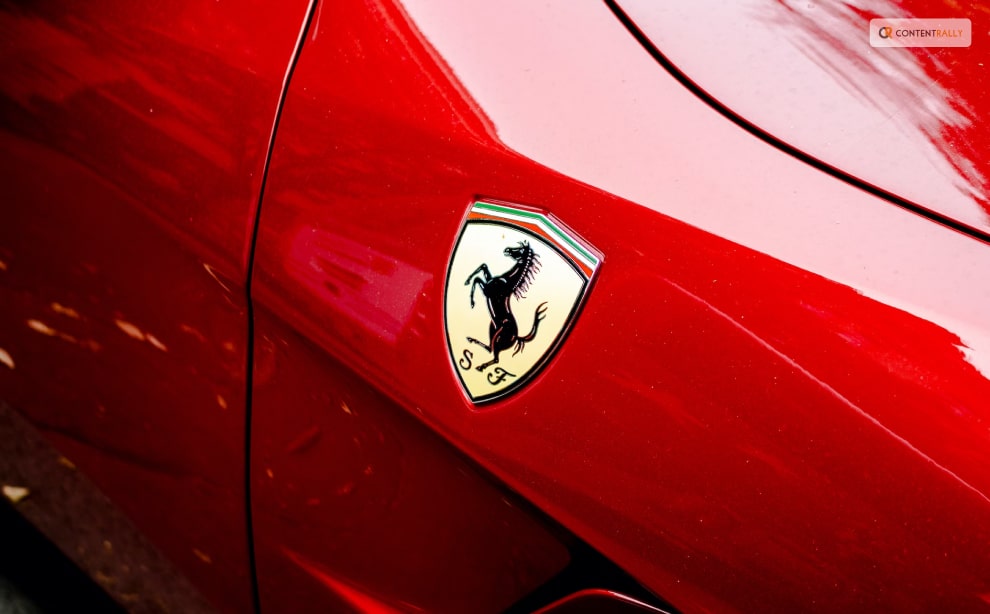
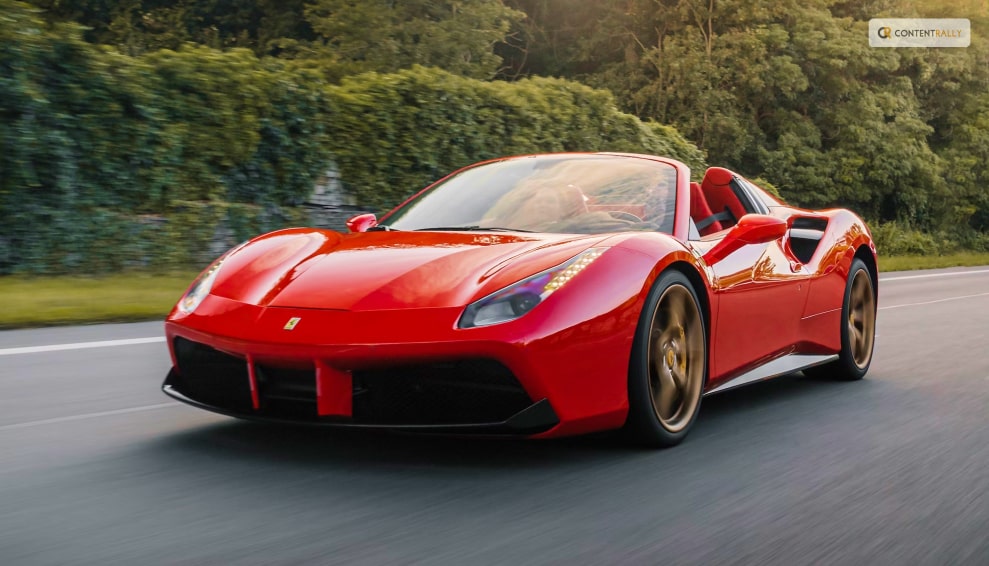
Ferrari is an Italian luxury sports car manufacturer and brand that is well-known for its prancing horse logo, Rossa Corsa (or "race red") color, and sex appeal. Ferrari is still a maker of motorsports and is now a public-trade company.

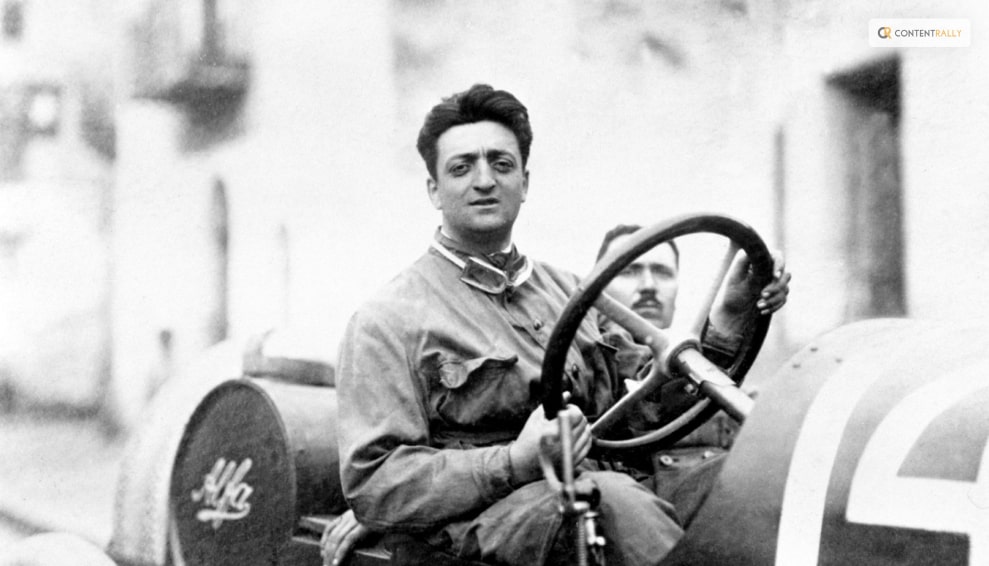
Enzo Ferrari, a racer and businessman, established Scuderia Ferrari in 1929 in Modena, Italy, with the goal of supplying race cars to Alfa Romeo. Alfa Romeo internalized its racing division in 1938, and Ferrari oversaw the new division for a brief period of time.

After leaving Alfa Romeo in 1939, Enzo Ferrari established Auto Avio Costruzioni, a company that produced tools until 1940, when Ferrari introduced the Tipo 815, a race car. Ferrari relocated its factory and headquarters to Maranello in 1943, a few years later.

The first road car to bear the Ferrari badge, the 125 S hit in 1947. But Ferrari wasn't an official automaker until Enzo Ferrari began selling vehicles under his own brand.

In this article, we will be getting to the bottom of who owns Ferrari at present. Here is all the information you need on the owners of Ferrari.

Early Days Of Ferrari
Early Days Of Ferrari
Image Source: mwtv.in

The current Prancing Horse got its start in 1939 when Enzo Ferrari founded Scuderia Ferrari, a racing team under Alfa Romeo. Following World War II, Enzo Ferrari went out on his own and started producing cars under the Ferrari brand. Production of the first Ferrari-badged vehicle began in 1947.

Up until 1960, Ferrari was a private holding business. Then, it went public in 1960 as Società Esercizio Fabbriche Automobili e Corse, or SEFAC S.p.A. Soon after, Fiat acquired a portion of the business and significantly raised its investment.

Does Fiat Own Ferrari?
Does Fiat Own Ferrari
Image Source: d2hucwwplm5rxi.cloudfront.net

No, but Fiat did once own a sizable portion of Ferrari. In 1969, Fiat S.p.A., also known as Fabbrica Automobili Torino, or the Italian Automobile Factory of Turin, acquired a 50% stake in Ferrari. Fiat never owned the entirety of Ferrari, even though it increased its stake to 90% in 1988 (Enzo Ferrari owned the remaining 10%). This was the arrangement until 2014, when Ferrari S.p.A. and FCA split apart by Fiat Chrysler Automobiles N.V. October 2015 marked the start of the official separation, which ended in January 2016.

Ferrari N.V. was formed as the Ferrari Group's new holding company during this separation. FCA sold its ownership share, and the business was listed on the New York Stock Exchange. Piero Ferrari, the son of Enzo Ferrari, remained the owner of the 10% of the company's shares that his father had previously owned.

Ferrari Shareholders: What Company Owns Ferrari?
Ferrari Shareholders: What Company Owns Ferrari?
  • Public (67.09%)
  • Exor N.V. (22.91%)
  • Piero Ferrari (10%)

The general investing public is Ferrari's principal shareholder. Enzo Ferrari's second son Piero also owns a sizable portion of the business, and Exor N.V. completes ownership. The owners of Exor N.V. are the descendants of Giovanni Agnelli, one of the original founders of Fiat.

Ferrari is still headquartered in Maranello. They take great pride in being one of Formula 1's most enduring and successful competitors. They simultaneously hold the position of being a genuinely world-class automaker. Even with its fame, it is still a relatively boutique operation that only produces a small number of cars annually. This is reflected in Ferrari's valuation, which places it among the top ten automakers in the world by market capitalization at more than $51 billion.

The Alfa Romeo Connection
The Alfa Romeo Connection
Image Source: etimg.etb2bimg.com

Despite having a long history together, Ferrari does not own Alfa Romeo. Although Alfa Romeo is owned by Fiat Chrysler, Alfa Romeo and Ferrari were once one and the same.

After all, it was under the Alfa Romeo name that Enzo Ferrari initially established the Scuderia Ferrari racing team. Although Enzo Ferrari started competing for Alfa Romeo in 1920, he founded Scuderia Ferrari in 1929, which later became Alfa Romeo's official racing team. But after leaving Alfra Romeo in 1939, Enzo founded his own independent racing team in 1948 and didn't look back.

Ferrari: The Legendary Sports Car Phenomenon

Ferrari: The Legendary Sports Car Phenomenon

Millionaire and passionate Ferrarista Robert Herjavec has described the experience cleverly. “This is where the Ferrari world is kind of like the Vatican. It's very mysterious. There are a lot of trinkets you have to wear and a lot of rings you have to kiss."

Owning a Ferrari, according to Hollywood and some urban legends, is either a cliché for midlife men or the height of kitsch, a sign of the nouveau riche who have too much money and too little taste. Owning a Ferrari is actually a very different animal from owning any other kind of vehicle.

Purchasing a Ferrari is not like purchasing a typical car. You don't simply walk into a dealership with a wallet full of hundreds of thousands of dollars and walk out with one of the brand's vehicles. Concerning a limited edition series, the situation usually becomes even trickier.

From the time you decide to buy a Ferrari to the point at which you have to decide whether to buy another one, Ferrari controls every aspect of ownership. In other words, to paraphrase Herjavec from a 2014 Wired interview, Ferrari chooses you, not the other way around. You typically consider yourself fortunate to be among the privileged few.

Enjoying the "epitome of motor technology today" (as Herjavec put it) is subject to a rigorous set of regulations. This has sparked numerous online debates and thought pieces. The fine print on the bill of sales and the controversy surrounding the introduction of limited edition cars largely hint at the precise nature of these regulations.

Owning A Ferrari: Trivia
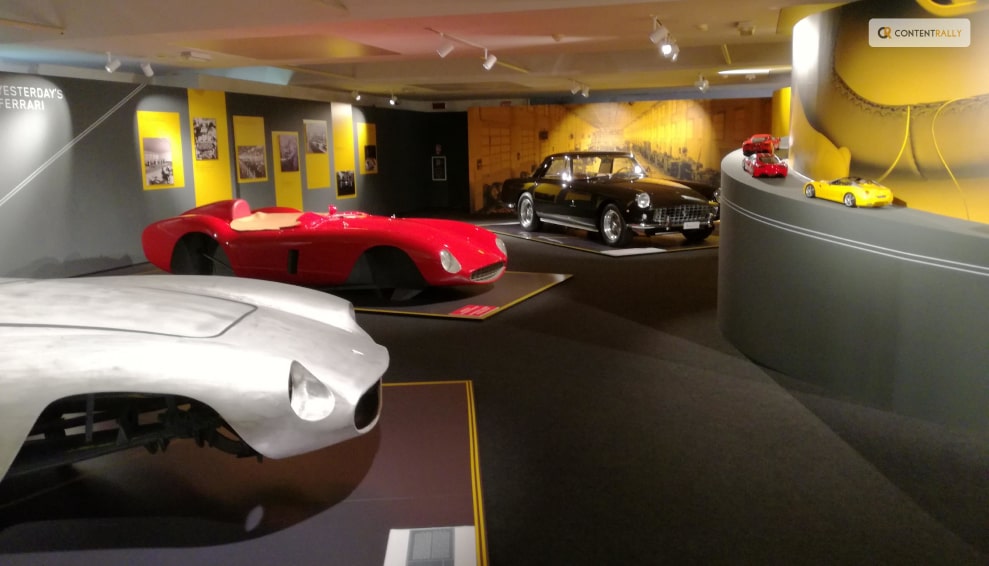
Owning A Ferrari: Trivia
Image Source: derivative.ca

As previously stated, no matter how full your wallet is with cash, you don't just walk into a Ferrari dealership and expect to drive off in a brand-new car. You can forget about going into the dealership to purchase a limited-edition car.

While the majority of car dealerships will check your credit to see if you can afford the payments on the vehicle you're about to purchase from them, Ferrari goes above and beyond that. It's said that men over 40 who have a clean record and a good reputation are preferred. Because simply being wealthy does not qualify you to be seen behind the wheel of a Ferrari.

Wrapping Up

Even with ownership shifts over time, Ferraris are still manufactured in Maranello, Italy. Ferrari has never forgotten what sets its brand apart: superbly designed, finely engineered supercars.

If you have thoughts to share or questions to ask about who owns Ferrari, please leave a comment below. We would love to hear from you!

Learn More About:
Content Rally wrapped around an online publication where you can publish your own intellectuals. It is a publishing platform designed to make great stories by content creators. This is your era, your place to be online. So come forward share your views, thoughts and ideas via Content Rally.

View all posts

Leave a Reply

Your email address will not be published. Required fields are marked *

Related

Fleet Maintenance And Route Planning

5 Cost Effective Ways To Improve Fleet Maintenance And Route Planning

Efficient fleet and route management present some of the most significant cost savings opportunities for transport operations looking to streamline expenses amidst rising overheads. While cutting too deeply risks performance impacts, simple modern technology tweaks can significantly optimize fleet maintenance protocols and delivery routing without demanding significant capital investments upfront. This article summarizes five budget-friendly tactics to boost fleet maintenance productivity and route planning accuracy using existing assets more strategically. Let's explore prime areas worthy of attention when aiming to balance the books without compromising quality. 1. Telematics Integration For Intelligent Maintenance   Onboard telematics tracking solutions generate immense data around vehicle usage - everything from daily mileage to fuel consumption rates, acceleration patterns, and engine fault alerts. GPS fleet monitoring systems generate data that is integral for transitioning to more intelligent maintenance planning. For example, tracking the total mileage elapsed on each vehicle provides maintenance teams advanced notice to schedule preventive services aligned to actual usage rather than guesswork. Engine fault alerts similarly assist workshops in stocking correct parts beforehand, reducing repair times. Such predictive, conditioned-based maintenance enabled by connected telemetry hugely increases workshop productivity and asset longevity over fixed service intervals alone. The marginal hardware costs pay themselves back rapidly by eliminating unnecessary jobs on under-utilized vehicles while significantly cutting downtimes for aged trucks requiring urgent repair. Managers also gain better oversight on accurate asset utilization - identifying overcapacity and right-sizing accordingly. 2. Dynamic Route Optimization Saves Fuel, Time   Route planning technology has evolved, allowing detailed mapping of traffic conditions, customer needs, and variable delivery volumes to generate optimized routes and sequenced schedules scientifically. Dynamic routing feeds ongoing location pings and logistical changes into algorithms pinpointing the most time and fuel-efficient plans moment-to-moment. For example, sudden traffic jams easily reroute deliveries, minimizing delays through detours or customer sequence swapping automatically. Live ETAs provide dispatchers with increased responsiveness to urgently insert priority, high-value stops. Route optimization similarly groups nearby customer drops, minimizing dead miles between stops. The aggregate savings from sharply reduced idling times, fuel spending, and completing more drops per shift quickly offsets monthly routing software subscriptions. A fluid platform also simplifies planning around volatile customer orders or urgent requests. Finally, the streamlined routing eases driver pressures and provides more predictable shift cycles, preventing overtime overruns. 3. Leverage Low-Cost Driver Behavior Analytics While extensive telemetry solutions assist maintenance practices and route optimization advice, essential low-cost tools encourage safe driving habits with significant safety and cost advantages.  Driver safety starts with journey behavior - sharp acceleration/braking, excessive speeding, and distraction cause most fleet accidents. Installing essential accelerometer apps on company phones, which riders keep in their pockets while driving, gives managers reliable indicators of driving standards without major privacy invasions.  The identified high-risk drivers become eligible for supplemental training to rectify gaps proactively rather than reactively post-accident. Even occasional coaching nudges promote defensive habits, directly preventing liability claims. Tax write-offs on essential safety apps provide further incentives against the staggering fallout of adverse driving.   4. Revise Periodic Inspection Regimes Most fleet vehicles undergo rigorous annual or bi-annual mechanical and safety inspections to renew registrations and compliance certificates. However, modern usage patterns indicate that minor intermittent inspections work better for heavier-usage vehicles. For example, an urban delivery van racking high mileage daily deserves more frequent - yet shorter - 30 or 60-day inspection intervals concentrating on high-wear items like tires, wipers, and fluids rather than entire annual drivetrain teardowns. This spreads CAPEX costs into smaller bites while catching deficiencies earlier before catastrophic failures materialize at the worst moment. For vehicles with lower utilization, quarterly checks remain suitable to balance effectiveness against outlay.  Managers shouldn't rely on annual checks to assure complete reliability on today's asset-intensive fleet demands—review inspection regimes to align with contemporary mobility profiles. 5. Embrace Eco-Driving Practices For Light Vehicles Too While most eco-driving programs target commercial trucks, light fleets equally deserve policy attention, given their ubiquity on roads. Minor optimizing tweaks around acceleration, idling, revs per minute, and running A/C make significant impacts multiplied over thousands of miles annually. Simply avoiding jackrabbit starts saves gas and brake wear dramatically. A/C idling policies similarly cut petty energy waste. Lower viscosity oils boost fuel economy while protecting modern engines from higher operating temperatures. Removing unnecessary cargo weight or drag-inducing racks after shifts conclude also assists in marginal performance gains. The eco-driving ethos crucially builds employee engagement around fuel budget guardianship. Business mileage reimbursements accordingly shift to reward MPG rather than total gallons consumed. Small in-cab reminders keep consciousness pervasive till smart habits become instilled in practice. Final Thoughts With transport margins tightening amidst inflation, energy volatility, and labor churns, sweating assets harder makes commercial sense if done responsibly. The above five pathways leverage connected fleet technology, data insights, and driver partnerships for optimizing critical maintenance and route planning protocols without demanding elaborate upfront investments. The collective small gains directly enhance workshop productivity, vehicle longevity, fuel economy, and driver experience while cutting risk and delays significantly. Beyond the operational enhancements lie vital cultural shifts, placing field teams at the heart of finding solutions rather than externally imposing changes. Collaborative problem-solving builds their engagement around responsible optimization critical for sustaining a continually improving business despite market uncertainties.

READ MOREDetails
Car Maintenance

5 Major Car Maintenance Tips To Help Prevent Accidents

Are you thinking of the fact for maintaining the car maintenance tips in the correct order? If yes, you need to develop certain factors that can help you keep your car safe from accidents. Car maintenance can help you keep your car to avoid any disastrous accident that can create a long-term impact on your life. You have to plan things well that can help you to achieve your objectives in the right way. Several tips are there that you can seek from an experienced Atlanta Auto Accident Lawyer. Proper car maintenance ensures the prevention of car accidents to a considerable measure. Different Ways To Prevent The Car Accidents In A Better Way   Several factors can help you prevent the chances and the scope of car accidents in a better way. Let’s identify the ways that can help you to achieve your objectives in a better way. 1. Tires    If you want to stay safe on the road while driving your car on the road, you need to regularly cross-check the tire’s condition. The wear and tear of the tires you need to examine daily by checking the alignment and the pressure of the tires daily. A study has shown that 83% of Americans do not have any good idea of inflating the tires properly. They do not know this fact to maintain their car correctly. It can help you to prevent the car accidents to a considerable measure. 2. Wipers    Windshield wipers that are damaged due to accidents do not work well and can cause severe damage to you and others on the road if you are not careful of it. Wiper blades are beneficial at the time of the rain and safeguard your car at the time of the dust storms. You can remove the debris of the storm for proper vision using the wipers. Now, if the other car does not take care of these facts and causes the accident on the road, then you can take the help of a personal injury lawyer to help you in this case. Now, you might think about personal injury law that can help you to achieve your claim amount from the cause of the accident. Your personal injury lawyer can help you in solving this query of yours. 3. Working Lights     The car headlights also form a crucial part of your car that you need to take care of while driving the car on the road. Car headlights can help you show the road at night while driving the vehicle and reduce the chances of accidents to a big measure. Broken lights or shabby lights can cause car accidents. Therefore, you need to know the norms of the road well to achieve your objectives in a better way and to ensure your safety to a great extent. 4. Battery  Today’s cars have some sophisticated inbuilt computers present in them that puts lots of pressure on the car battery. It can also damage the vehicle to a great extent. You need to be careful of this fact. To resolve the issue of car battery damage, you can maintain the car regularly. You need to take care of these factors while you are planning to keep the safety of your vehicle intact in the correct order at the right time. 5. Brakes   You need to take care of your car brakes properly and regularly to avoid any case of car accidents. You have to plan things well to achieve your objectives in the correct order at the right time. If your car brakes do not work correctly and any accidents occur, you can consult these issues with your Atlanta Car Accident Lawyer. You can take the help of your lawyer to assist you in getting the claim amount from the car accident case. Car Maintenance Can Ensure Prevention Of Accidents  Here, in my article, you can understand that car maintenance can handle car accidents in a great measure. The more careful you are on the road, the better you can avoid car accidents. You have to understand that if you want to ensure the safety of your life, regular and daily car maintenance can help you in that. You need to plan things well to achieve your objectives. Read Also: Car Care for Newbies How to Organize Your own Maintenance Service A Comprehensive Guide on How to Charge Your Car Battery

READ MOREDetails
Cabover Trucks

The Main Reasons Why Cabover Trucks Are Less Common Than Long Hood Rigs

If you’re not familiar with the term cabover trucks, perhaps you will recognize these trucks by their full name, cabin over engine trucks. Or perhaps you don’t know much about them at all. No wonder, seeing how they’ve become far less common after 1976 after some regulatory changes made longer trucks an option. We reached to a reliable truck manufacturer that was around to see these trucks come and go, to tell us more about this truck type, its advantages and disadvantages, and why it is no longer as popular. Why They Were Popular In the 1950s, 1960s, and 1970s, the length regulations for the trucks dictated the maximum length of 65 feet (both truck and trailer). In 1976, as 75 feet became the norm, these trucks were gradually phased out by long hood trucks. Keep in mind that this trend is only present in North America, as Europe largely still uses cabover trucks for several reasons, with maneuverability being one of the most important ones. Elegant car seat pillow to keep you cool even on hot summer days. Maneuverability Due to the shorter axis distance, these trucks are a lot simpler and easier to maneuver. Backing up in narrow loading docks and changing lanes in heavy traffic is a lot simpler. The position of the driver at the very front of the vehicle also facilitates maneuverability as it gives the driver better visibility. As both roads and streets in Europe tend to be smaller and narrower, trucking companies there still prefer this type of truck. In fact, in some European countries which are more flat and open, like the Netherlands, long hood trucks can also be found. Fuel Efficiency Even though most people think that the more aerodynamic shape of the long hood trucks makes them more efficient, the simple truth is that European trucks are smaller and more efficient. In addition, more stringent emissions regulations in the European Union has forced manufacturers to make trucks more fuel-efficient compared to the US and Canada. In this case, it is not the shape of the truck, but the region where they are prevalent that led to the increased fuel efficiency. Lacking Safety Even though there are some clear advantages of having the driver in the very front of the vehicle, there are also some disadvantages. One of the clearest faults of a cabover is that the driver is far more vulnerable in case of an accident – there’s less truck between the driver and the impact. Despite the fact that modern cabovers have numerous protection advancements compared to the older models, they still fall flat compared to the long hood trucks. Lack of Comfort during Long Rides Another big disadvantage of a cabover, especially for the long haul is the less comfortable ride compared to the competitors. The shorter wheelbase is typically cited as the main reason why the ride is not as cushy as in a long hood. However, there is another important reason – in a cabover, your driver’s seat is directly on top of a wheel, making all the bumps much more visceral. There was an attempt by the manufacturers to resolve this problem, but it resulted in more expensive vehicles – just one more reason why they were gradually replaced by the long hoods. Which Are Better, Then? It is really difficult to pick one over the other – different businesses may prefer different trucks, preferring the fuel economy and maneuverability of a cabover or the safety and comfort of a long hood truck. It is always best to choose the truck based on your needs and your business model, which is why both types of trucks still exist and are available for purchase. Read Also: What to Consider When Buying Heavy Duty Truck Alignment Equipment How Crane Trucks Can Drastically Improve Project Efficiency 7 Ways Truck Accidents Differ from the Regular Car Crashes

READ MOREDetails