







Ram’s Power Brokers: Who Owns RAM?

Published on: 28 November 2023 Last Updated on: 04 September 2024
Who Owns RAM

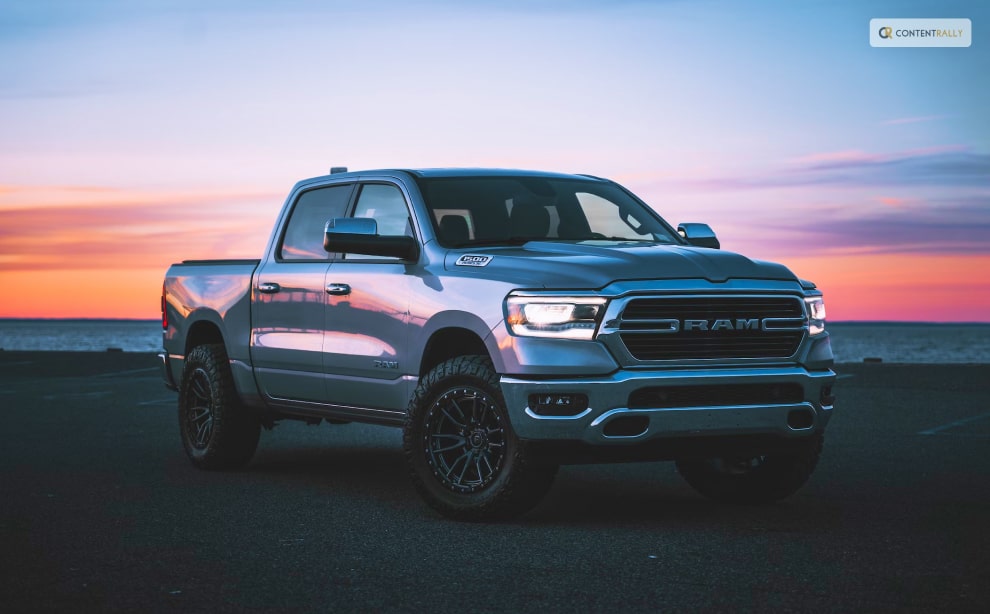
Ram Trucks, an American brand of light-to-mid-weight trucks and other commercial vehicles, is a division of Stellantis (formerly Fiat Chrysler Automobiles). Ram Truck Division (of Chrysler) went as RAM. It was founded in 2010 as a spin-off from Dodge and went with the Ram pickup truck brand. The original Dodge logo was replaced with the Ram Trucks logo. But who owns Ram?

The Warren Truck Plant in Warren, Michigan, and the Saltillo plant in Saltillo, Coahuila, Mexico, are the two locations where Ram 1500 “Classic” trucks are manufactured. At Sterling Heights Assembly in Sterling Heights, Michigan, new series Ram 1500 pickups are manufactured. From the beginning, the brand has been known by the slogan “Guts. Glory. Ram.”

Who Owns RAM: History

Who Owns RAM: History

Before the 1970s, Dodge kept a distinct truck brand called Fargo Trucks, mostly for use outside of the US. From that moment on, Chrysler sold all of its trucks under the Dodge brand.

After Chrysler filed for Chapter 11 bankruptcy protection in June 2009, Fiat Group acquired a 20% share in Chrysler Group LLC, and Sergio Marchionne succeeded Robert Nardelli as CEO. That year, on June 10, “New Chrysler,” formally known as Chrysler Group LLC, acquired almost all of Chrysler’s assets. The agreement received funding from the federal government in the amount of US$8 billion, or almost 21%.

“World Class Manufacturing,” or WCM, a system of meticulous manufacturing quality, came under CEO Marchionne. A number of products relaunched with distinction and elegance. The divisions that handled Ram, Jeep, Dodge, SRT, and Chrysler split to concentrate on their own identities and brands.

In 2010, Ram Trucks set sail as a Chrysler division, taking the Ram name from the Dodge Ram pickup lineup that is currently on sale. Chrysler claims that the Ram Trucks brand will focus on “real truck customers,” as opposed to irrational buyers who purchase the trucks based solely on appearance or fashion.

When Daimler stopped producing the Dodge Sprinter in 2008, there was a void in the North American market that was filled by the Fiat Ducato cargo van, which is now sold as the Ram ProMaster. Truck sales were to rise “from today’s 280,000 to 415,000 by 2014.”

Recent Past  

Recent Past  

Chrysler executives have expressed their desire to take on Ram in the semi-trailer truck market. This is possible by Fiat’s ownership of Iveco and the extensive network of Dodge dealers. According to former Ram Division President Fred Diaz, “Ram trucks are not a Dodge model.” Ram trucks are independent of Dodge automobiles. Ram’s vehicle identification number (VIN) will never change from that of a Ram.

To enable Dodge to adopt a new brand identity—one that is hip, stylish, youthful, and vivacious—we must continue to market as Ram. That won’t work for the truck buyer campaign. There should be different themes for the two.”

Fiat increased its ownership of the company on July 21, 2011, when it purchased the Chrysler shares that the US Treasury had been holding.

Diaz left Ram Trucks in April 2013 to take a position as vice president of divisional sales and marketing for Nissan. Reid Bigland took his place.

In January 2014, Fiat Chrysler became a separate corporate entity.

Reid Bigland, the CEO of Ram Trucks, came in August 2014 to oversee the Alfa Romeo brand in North America. Later, Robert Hegbloom would take over as head of the Ram Trucks brand. He was a longtime Chrysler employee who joined the company in 1986. He had previously served as a director for Dodge. Bigland moved to become the CEO of Ram Trucks in October 2018. Not long after, he learned that the division had been fabricating sales figures, and he sent the data to the US government for further examination.

Pop Culture  
Pop Culture  
Image Source: townsquare.media

Having driven a GMC Sierra in the first season, Cordell Walker (Chuck Norris) spent the majority of its existence behind the wheel of a silver Dodge Ram. The truck was part of a bigger product placement arrangement with Chrysler. The villains drove automobiles from rival Detroit automakers General Motors and Ford Motor Company. While the other main characters drove other Chrysler vehicles. Throughout the CBS television series’ run, the Ram received a lot of advertising during commercial breaks.

The two main characters, Bill Paxton and Helen Hunt, used a 1995 red Dodge Ram 2500 pickup truck as their storm-chasing vehicle throughout the 1996 movie Twister.

Unintentionally, Ram Trucks made their way into popular culture on February 4, 2018, during Super Bowl LII. The usage of Rev. Martin Luther King Jr.’s sermon “The Drum Major Instinct” in their commercial was criticized by social media users. It’s advertising for promoting Ram Truck with such a sales was especially troubling.

Content creators on YouTube quickly created spin-offs that presented a more truthful view of King’s sermon and views on advertising. There were “What Martin Luther King Actually Thought About Car Commercials,” “The MLK Super Bowl Ad Dodge Didn’t Show You,” “What Dodge LEFT Out Of Their MLK Commercial In Super Bowl,” and so on.

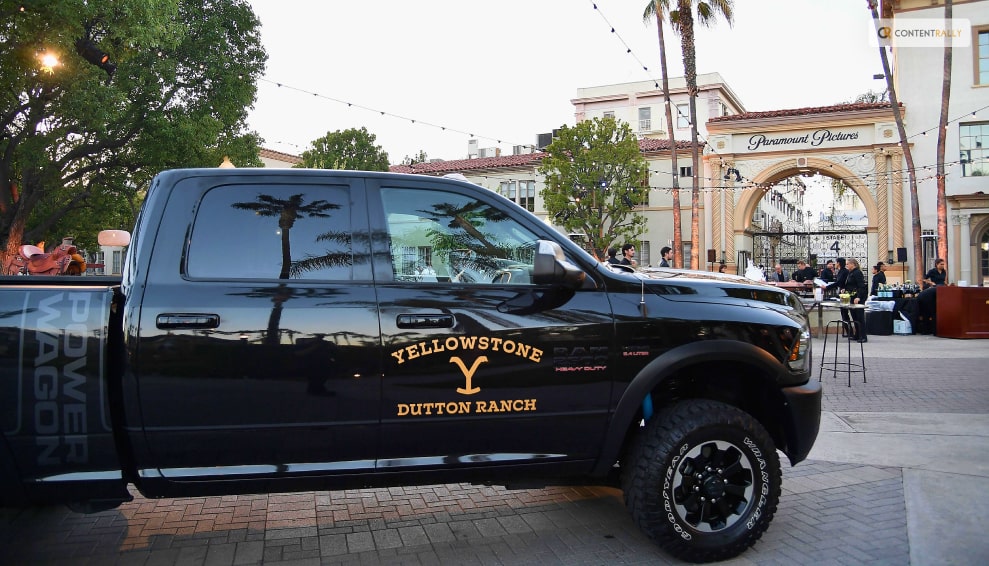
In Taylor Sheridan’s Yellowstone television series, Ram trucks are the preferred work vehicles of the Yellowstone Dutton Ranch. It has the ranch’s branding and logo on its sides. The trucks come in a range of configurations, with the majority being 2500-series vehicles running on 6.7L Cummins diesel.

When Did Dodge And RAM Split?
When Did Dodge And RAM Split?

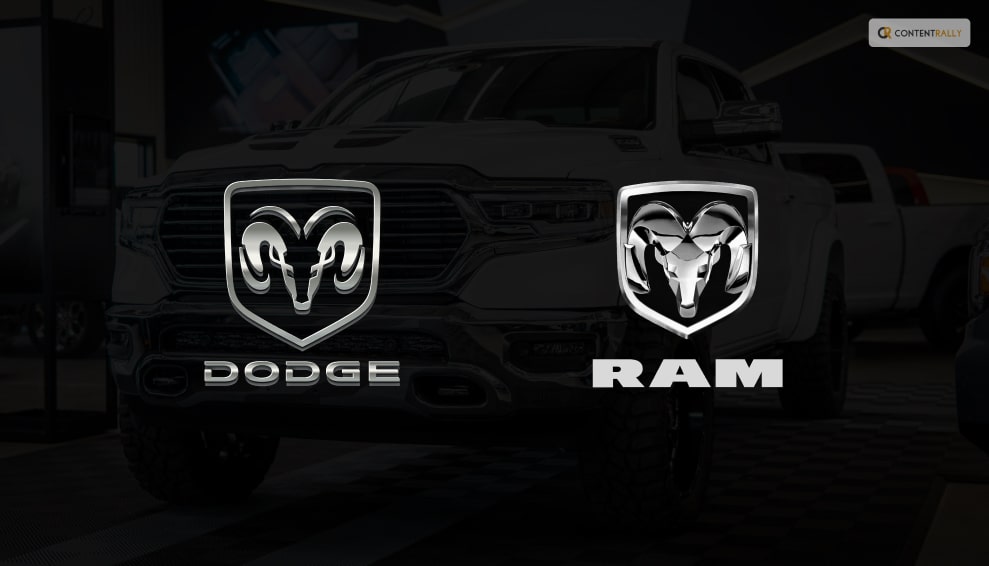
After buying Dodge in 1981, Chrysler maintained the most well-liked models, including RAM pickup trucks. Their pickup trucks were marketed as “Dodge RAM” from 1981 to 2009. Following a reorganization within the brand, Dodge and RAM separated into two distinct car lineups.

In order for Dodge to concentrate on creating new cars that could rival models like the Chevrolet Corvette and Jeep Wrangler, the company split into separate entities. Due to this division, the brand was able to produce some incredible standout products. The lineup includes the SUV Durango, the Dodge Charger and Challenger muscle cars. Other fan favorites are also available at the Miami Dodge RAM dealership.

So Who Owns RAM?
So Who Owns RAM?
Image Source: wallpapers.com

Chrysler, the parent company of Dodge, launched RAM as a separate brand for its pickup trucks in 2009. A truck manufactured prior to 2009 is referred to as a Dodge RAM. All pickup trucks manufactured after 2009 are just RAM trucks. The only difference is that their pickup trucks have a RAM branding. While their Dodge cars, SUVs, and minivans remain part of the same company.

Why Did Dodge And RAM Split?
Why Did Dodge And RAM Split?

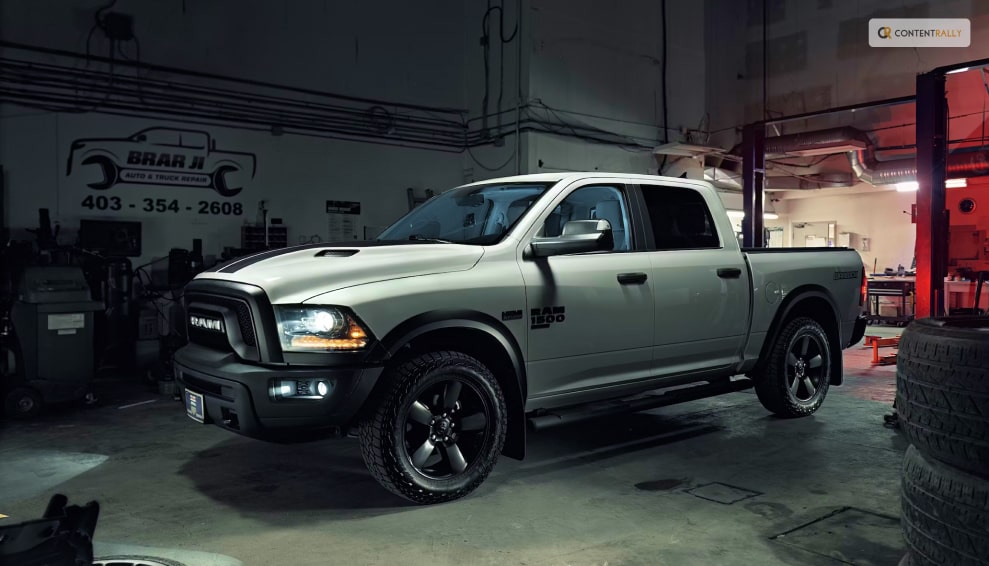
Why, then, did Chrysler split these two brands apart? New models with greater focus came into development thanks to this process. Dodge developed the Dodge Challenger to rival the Chevrolet Corvette sports car. It allows RAM to concentrate on producing more robust builds and more potent engines for Spanaway jobs. The two brands could become more distinct and specialized if they split.

Wrapping Up

It’s possible that your old RAM still has the “Dodge RAM” logo if you bought it before 2009. After the company stopped producing “Dodge” trucks in 2009, all trucks after that time became “RAM trucks.” Additionally, the same owner owns RAM and Dodge. The trucks, however, go by the name of RAM.

If you have thoughts to share or questions to ask about who owns RAM, please leave a comment below. We would love to hear from you!

Read More About:
Content Rally wrapped around an online publication where you can publish your own intellectuals. It is a publishing platform designed to make great stories by content creators. This is your era, your place to be online. So come forward share your views, thoughts and ideas via Content Rally.

View all posts

Leave a Reply

Your email address will not be published. Required fields are marked *

Related

How To Prepare For Massachusetts Car Shipping

How To Prepare For Massachusetts Car Shipping

Once you’ve decided to make a change, be that taking a long trip, moving across several states, or opening up car sales to places far away rather than just local, it can be difficult to plan things out.  Naturally, something like car shipping is a way to make things go by much more smoothly.  That said, there’s still a lot of planning involved. Today, we’d like to cover what some of that planning might look like.  While it will change depending on your specific circumstances, of course, this article can serve as a guide for you.  From finding car shipping companies in Massachusetts to picking out which type of container will work for your vehicle, we’ve got you covered. One: Know Your Vehicle At first, it might seem strange that the first step here is to “know your vehicle,” but let us explain.  The thing is, when you’re exploring the various shipping company options, they’ll ask for these types of details when giving an estimate on shipping costs.  That could be the make, model, year, and weight of the car, as just a few examples.  Have this in mind as you begin the process! Two: Find A Shipper The next step is similarly simple.  You’ll want to start looking online for companies nearby in Massachusetts that offer these services!  The question, though, is what signs you’ll want to keep an eye out for in terms of finding the “best” one. Positive reviews are practically a given these days, but we felt it worth mentioning.  A lot of the time they’ll show up on Google or whatever search engine you’re using, but you can also ask friends and family members if they have any recommendations.  Word of mouth is a big deal for a reason! The other thing to watch for is how much they charge!  You can get a gauge of this by getting a shipping estimate.  Most shippers have tools on their websites that allow you to do this, if you don’t feel like doing a bunch of math yourself. Three: Gather Your Paperwork Once again, we’ve got another easy step here.  As resources like this one demonstrate, most shippers will ask for certain documentation a few times throughout the process.  Have your photo ID on hand (whether that’s a passport, a driver’s license, or something else).  Additionally, it doesn’t hurt to have the insurance details on hand as well. If you’re shipping to a customer who bought a vehicle, providing some information on them might be a good idea as well.  That would likely just be a copy of their photo ID, just so the driver knows who should be receiving the vehicle once transit has completed. Four: Clean Your Car This is the part that is the most “difficult,” if only because it does involve a bit of work.  Thankfully, an automated car wash should be more than enough for the exterior of the vehicle if you aren’t feeling up to doing it yourself.  The interior might be a bit trickier, though. There are plenty of guides on how to efficiently clean out that part of a car, like the one here: https://housewifehowtos.com/clean/cleaning-routine-clean-your-cars-interior/.  Just keep in mind that if you’re going to be transporting it, then you’ll want to make sure that you remove all of your personal belongings from the inside. Even if you aren’t selling it, this is still an important step.  That’s because there’s a chance that your items could end up lost, for one thing.  Additionally, every little thing that adds weight to the car could end up costing you more, so it’s just better to clear everything out rather than stress about it. Five: Be Ready On Pickup Day The last thing you’ll want to do is this: be prepared to meet the driver who gets sent to collect the automobile.  Most shipping companies provide door-to-door services, so someone will arrive to pick up the vehicle.  You’ll need to do your best to have everything ready by that date. This means following the other steps above: most notably, having all the paperwork ready and having the car clean.  Some other things you could do are take pictures to document the current state of the vehicle or do a last-minute sweep for anything that may have been left behind. Really, though, nothing involved in this process is overly difficult or taxing.  In fact, it can make the prospect of moving or of selling a car long-distance much less daunting.  Seeing as it saves you from planning out a road trip, that’s another reason why so many folks have begun using car shipping. If you aren’t sure just yet, that’s totally fine.  Talk to shippers, get more information, and inquire about options available.  Closed containers versus open ones are a big debate, so that’s something to keep an eye out for! Read Also: 6 Factors to Consider When Choosing a Shipping Company AutoTempest: Is It The Best Search Engine For Cars? Is Marine Transportation A Good Career Path?

READ MOREDetails
How Long Can You Go Without An Oil Change_

How Long Can You Go Without An Oil Change?

How long can you go without an oil change? Is this something that you have been searching for? If yes, then you have reached the right place for an answer. We all know that we need to change the oil of the engine once in a while. But, really, how long can we go on without changing it? And what happens if we don't do it for a very long time? There are so many things that you will learn in this blog. So there is one thing you need to do! Keep reading this blog till the end to learn more… How Long Can You Go Without An Oil Change? Image Source: di-uploads-pod27.dealerinspire.com If you are searching for the answer to "how long can you go without an oil change," you have come to the right place. The answer is simple, yurt not! So bare with me, and let me explain. Previously, car owners were advised to go for an oil change after every 3,000 miles. This was long back when the condition of the engines was not as high as they are now. Technology has changed the way we live now. And it has also been able to improve the quality of the vehicle engines. That is the reason why now, cars can generally go from 5,000 miles to 7,000 miles without an oil change. However, this also depends on the quality of the oil. For example, if you are using synthetic oil for your vehicle, you might not need an oil change for a very long time. Most people who use synthetic oil for their car can go on for 10,000 miles to 15,000 miles without an oil change. So, the shortest answer to "how long can you go without an oil change" will be 5,000 miles to 7,000 miles. How Often Should You Get An Oil Change? While it is true that in modern times, you can go on without an oil change for up to 5,000 miles to 7,000 miles, waiting that long is still not ideal for the engine of the car. The interval that you should keep in mind for an oil change generally depends from car to car or from manufacturer to manufacturer. In the case of most cars, manufacturers recommend that you get an oil change twice every year. This means that it does not matter how much or how many miles you have driven; it is still best to get your oil changed every six months. The car manufacturer usually recommends the optimum time interval for an oil change, and it can be found in the manual. All the cars these days have a monitoring system that tracks the oil life for your mileage and other driving habits. This system helps you to understand when it is time for an oil change. Why Should You Get An Oil Change? There are a number of people who still are unaware of the reason why you should get an oil change for your vehicle engine. Here is the reason why you need to get an oil change and why it is required: Lubrication: Oiling the engine of the car makes sure that there is enough lubrication to keep the engine working. As the car engines work together, it causes a lot of friction among them. Oiling the engines creates harmony and ensures that they are able to keep the car in good health. Impact On Gas Mileage: One of the most important reasons for oiling the car or going for an oil change is that it has a positive impact on the gas mileage of the vehicle. It makes sure that there is a reduction in fuel consumption. Regulates The Engine Temperature: Last but not least, an oil change is essential as it helps to regulate the temperature of the engine. It keeps to components of the engine cooler by lubricating and reducing friction. How To Know If You Need An Oil Change? Image Source: di-uploads-pod20.dealerinspire.com When an oil change is necessary, there are a number of warning signals that you may look out for. So if you are someone who does not know when the engine needs it, you need to check on these warning signs. Take a look at these: Burning Smell: When the engine needs an oil change, you will often get a smell of oil burning. This smell is strong and often fills the cabin or the front seat. The Dashboard: The dashboard of the car, where all the vitals of the engine is shown, plays one of the most important parts in indicating when you need an oil change. Change In Color: The color of the engine oil is mostly clear and amber. If you have not gone for an oil change in a long time, you will notice that the oil has turned black while collecting all the debris from the engine. The Engine Makes Noise: This is the most important indicator. However, you should not wait so long. If there is not enough oil in the car, the engine will start making a noise because of friction. Wrapping It Up! A lot of people often ask about how long can you go without an oil change. If that was something that you were searching for, I hope that this article has been of help to you. If there are any other questions that you might have related to the same, please do not hesitate to ask me. Scroll down at the bottom of the page to leave your queries in the comment box. And I will be there with all the answers that you need! Read Also: How To Choose The Best Wheels And Tires For Your Vehicle? Car Wont Start After Getting Gas – How To Fix This Problem? Car Shakes At Idle But Smooths Out While Driving – How To Fix This Problem?

READ MOREDetails
Classic Car

Beginners Guide To Buying A Classic Car

There is an awe that greets the air when a classic car drives by, the sudden rush of excitement that propels your mind to wishing you had a classic car of your own. Car owners treat classic vehicles with a level of dignity not many have been accorded in their lives. If you have never had a classic car before, follow these guidelines, and you are good to go. Choosing the Right Vehicle Looking for classic cars for sale can be very cumbersome, and certain aspects have to be followed so that you may have the vehicle that you desire. a) Purpose of the vehicle Buying a classic car requires the buyer to have a particular inclination towards what they intend to use the vehicle. This principle is applicable to all customers who are buying automobiles. A sports car is mainly bought by men and women who want to have fun, and those who purchase spacious vehicles have families. A car salesperson will also appeal to your needs so that they could find the best fit for you. b) Condition of the car Before buying a classic car, you need to look at its state before taking that leap. They are very costly vehicles, and purchasing one requires that you pay attention to detail. Is the car damaged? Does it need parts? Is it original? Is it new? These are some of the questions that any buyer should be asking themselves, and make sure you get answers for that. c) Maintenance costs of the vehicle Classic cars have to be monitored very well, and these may incur so many costs along the way. It is highly recommended that you know your way around one of these vehicles. Start with something that will not frustrate you while maintaining it unless you have money to burn. Set Yourself a Budget The moment you begin to search for a vehicle, have a specific budget in mind of how much you need to spend to get your classic car. Buying a vehicle is not as simple as going to the mall; certain aspects have to be followed. a) Purchase price of the car The most important part of your budget is how much the car really is. Look for a vehicle that suits your wallet and ensure you look for the best price available in order to save as much as you can. Once you have determined the price, you can make an informed offer. b) Maintenance and spare parts The budget should have this in mind before purchasing your vehicle; know how much you will need to use to maintain the vehicle. Have a reliable mechanic who can get you the right spare parts like lift kits, batteries, engine components, filters, exhaust, and fuel systems. If you fit your car with the wrong spare parts, you may as well end up without a car. c) Insurance In today’s economy, there are financial hindrances to driving around a classic car. It is paramount that you get the insurance for your vehicle in order to drive one around. No one would want to see you pulled over in a 1947 Chevrolet 3600 because you don’t have car insurance. Have a test drive Drivers want to feel how it is behind the wheel before they purchase the vehicle and go home with it. The revving engine when you accelerate and change gears give any car enthusiast a racing heart and gushing face when driving a classic. On the other hand, being taken on a drive can be equally rewarding. The vehicle may be on sale, but the experience of being in one may give you a sense of how owning one would be. Final Thoughts Classic cars have been the envy of many people, young and old. The pendulum swings both ways to those who wish they had such a beauty to drive around town. Owning a classic car requires sheer will and commitment because there will be hard times and good times. Beginners out there will not have an easy time when looking for a classic car, but with a lot of research and commitment, you will get there. Begin your journey by exploring Dyler through their website https://dyler.com/cars for a wide range of classic cars. Read Also: Best New Cars for Teenagers Perfect ways to Earn from your Wonderful Car

READ MOREDetails