











Nail Kit Essentials: A Guide To Perfect Home Manicures

Published on: 19 March 2024 Last Updated on: 20 March 2024

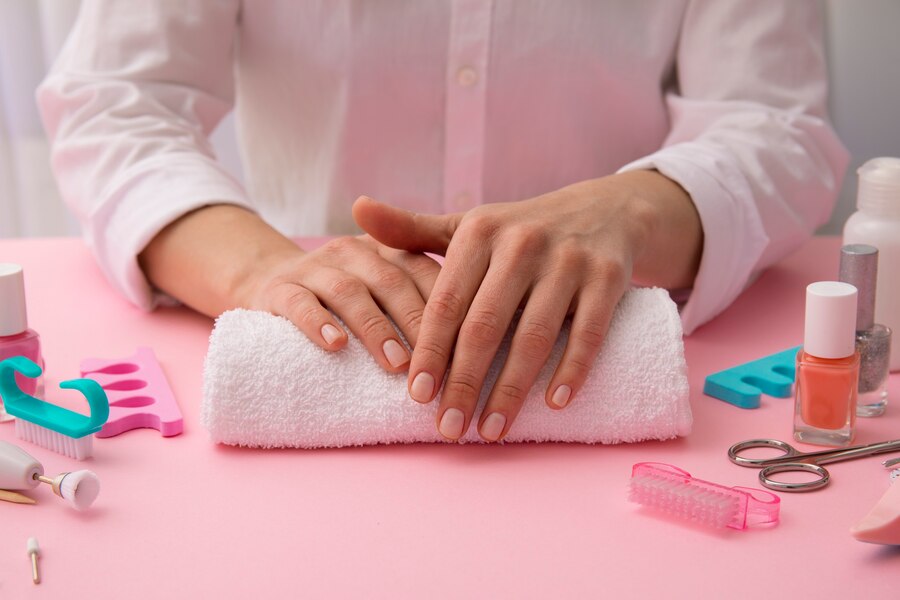
Nail kits have revolutionized the self-care practice of manicures, offering salon-style results at home.

With innovations allowing for easier polish applications, professional designs, and long-lasting wear, a manicure from home is simply what most women want.

Moreover, a nail kit helps you master the art of nail care at home and offers both satisfaction and therapeutic benefits.

Whether you’re saving money or unsure about going to the salon, DIY manicures provide a more affordable and therapeutic alternative.

However, having a nail kit is about more than just beautifying your nails. It also helps you find a quick fix against chipping, warping, glops, bubbles, or smudging.

So, let us explore the items you must include in your nail kit for the best manicure experiences at home.

What To Include In A Nail Kit?
What To Include In A Nail Kit?

When preparing your nail kit, you must include some extremely important items. These items can be divided into two parts—

  • Items to enhance nail health.
  • Items to beautify nails.

Read Also: The Profound Impact Of Well-Groomed Nails On Confidence

Natural Nail Care Kit

Given below are your essentials to maintain healthy nails:

Cuticle Oil

Cuticle oil is a natural remedy that can stimulate nail growth. It helps protect the nail and cuticle from trauma and improves the nail’s health and appearance.

Moreover, this oil protects the polish from damage, ensuring a lasting shine.

Also, cuticle oil keeps skin moisturized, promoting strong and healthy nails. This item is rich in coconut oil and Vitamin E Jojoba Seed, which hydrates the skin around nail beds, reduces hangnails and prevents dryness.

Applying once or twice daily and massaging into cuticles can result in immediate results. Therefore, regular use promotes healthy nail growth, prevents splitting or peeling, and keeps nails looking their best.

Nail Filer

Filing nails gives them a customized shape and strengthens and prevents chipping. Therefore, a nail filer is one of the most important items in your nail kit.

For optimal results, file nails at least once a week. Filing is crucial for nail polish preparation as it prolongs the life of the polish or gel nails.

Moreover, to file nails properly, trim the tip and adjust the length, move the file in one direction, file the sides straight toward the tip, and create a curve around the side.

Moreover, nails grow faster in summer than in winter. Therefore, filing them regularly is essential to enjoy long-lasting gel nails.

Nail And Hand Lotion

Nail And Hand Lotion

One of the main causes of brittleness and breaking in nails is moisture loss. Using hand lotion encourages healthy nail development and reduces moisture loss.

Exposure to drying elements like dishwashing, sun, or paperwork increases the need for frequent moisturizers.

Therefore, rubbing lotions or creams prevents drying and peeling, stimulating blood circulation in the matrix.

Moreover, topical lotions treat nails from weakness, cracking, discoloration, and crookedness. They help strengthen nails, protecting them from color changes, increasing thickness, and stimulating growth.

You can use non-sticky creams to soften hands, hydrate them, and protect them from environmental damage.

Polishing & Coating Kit

Once you’re done packing your kit with the health-boosting items, let us come to the beautifying kit for nails. Here are some of the most important items you must add:

Press-On Nails

The nail industry constantly evolves and plays a crucial role in our beauty lives. Maintaining nails can be challenging due to costs and time constraints.

Therefore, these DIY nail options, such as press-on nails, help you find the perfect solution to replace professional nail salon services.

Press-on nails are easy to apply, durable, and resistant to chipping or loss of shine. They can be cleaned with alcohol, filed down, and glued back on if needed.

These strong plastic nails can last long and be used for showering, but they should be kept dry for extended periods to prevent flimsiness.

Gel Polishes

In recent years, the nail polish industry has expanded, with gel nail polish emerging as a new alternative to traditional acrylics and acrylics.

Gel polish requires curing under a UV or LED lamp, unlike regular polish, which is dried naturally.

Moreover, its quick-drying, durable formula prevents chipping and smudging, and the gel color remains bright and shiny. Gel manicures can last up to one month, with the only long-term side effect being nail growth.

However, gel nail removal is more complex and time-consuming than regular lacquer, but the convenience of a single manicure is worth the effort.

As a new product, there’s confusion about its benefits, removal process, and differences between regular and gel polishes.

Minimalist French Manicure

Minimalist nails are elegant and clean, suitable for any occasion. They can be in subtle colors like white, black, grey, or muted tones.

The art features thin lines, small dots, and geometric shapes, making natural nails part of the overall look.

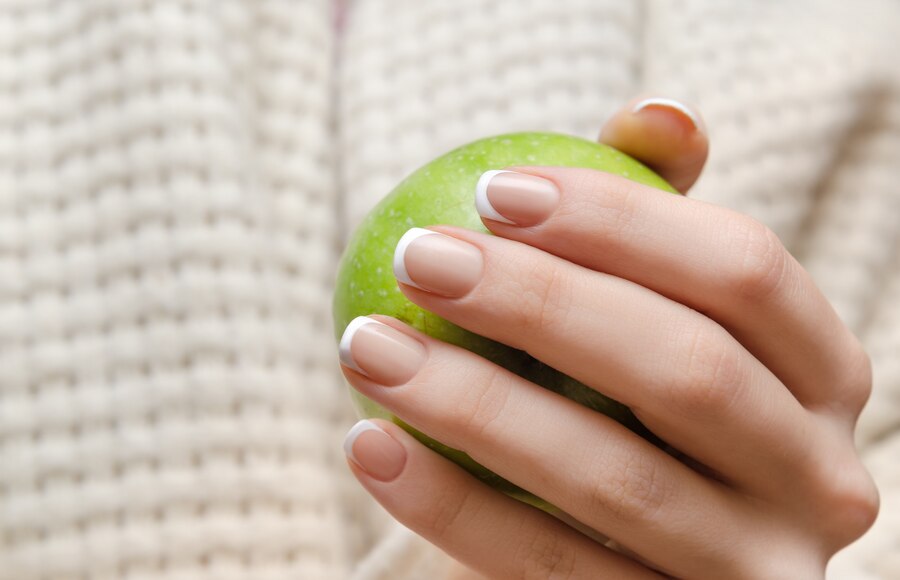
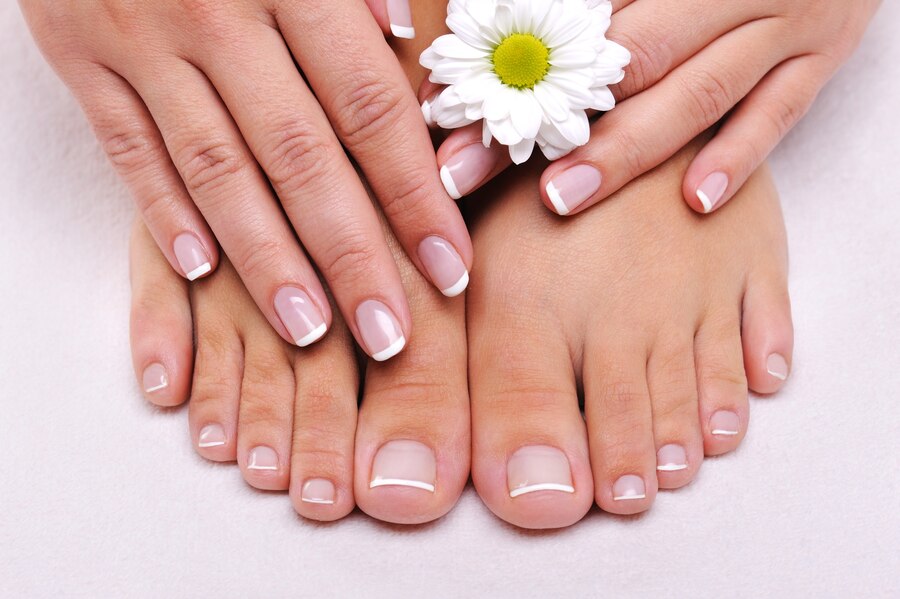
The French manicure is a classic minimalist nail design with a natural base coat and white tip, presenting a modern and fresh look. Moreover, a micro French manicure is a subtle design with a thin line at the tips, showcasing the natural nail.

Both designs are trendy and elegant, making them perfect for any occasion due to their simplicity and elegance.

Base & Top Coats

When selecting a nail kit, the colorful polishes, and fun nail tips are undoubtedly thrilling, but they’re not the only considerations.

Moreover, a high-quality base and top coat are essential for achieving a salon-grade manicure at home.

Also, a base coat or primer for gel or acrylic nail systems safeguards your natural nails and provides superior adhesion for a durable manicure.

These coats safeguard your manicure and deliver a polished finish.

Tools For Innovation

Achieving a clean and polished manicure can be difficult, especially when securing a comfortable grip on the brush.

Fortunately, many nail beautifying brands offer universal accessories to make maneuvering those pesky, slim polish brushes a breeze.

Therefore, with these tools, anyone can achieve a striking, salon-grade manicure from their home.

Nail Care Is Self Care

What Your Nails Say About Physical Health?

A variety of nail products in a kit allows for various possibilities and styles. Seek manicure kits in multiple hues and textures, such as glittering metallics and traditional cremes.

For those who prefer more creative options, consider kits with nail art tools like dotting or striping tape.

This kit provides everything for a gel or French manicure at your fingertips, making it cost-efficient over time.

Therefore, before starting the manicure, wash your hands thoroughly and use a tissue to wipe each nail with nail polish remover.

Moreover, you can use cotton balls. However, they contain lint and leave a residue. If you don’t want extra cleaning, use a lint-free facial cotton pad instead. This kit provides everything you need for a gel manicure at home.


Read Also:
Ankita Tripathy loves to write about food and the Hallyu Wave in particular. During her free time, she enjoys looking at the sky or reading books while sipping a cup of hot coffee. Her favourite niches are food, music, lifestyle, travel, and Korean Pop music and drama.

View all posts

Leave a Reply

Your email address will not be published. Required fields are marked *

Related

Climate Change

The Effect of Climate Change on Human Health

Climate change has always been a prime topic of discussion all over the world. The world we are living in impacts our life in many ways. Yet, we never give much thought to the changing patterns of its climate and natural habitat. Most people think climate change is all about earth suffering from the advancement of technology and people. But in reality, climate change is real, impacting our lives that vary by age, gender, nation, and socioeconomic status. The extreme rains are causing an increase in sea levels and warming temperatures. The greenhouse effect has an everlasting impact on human health. Not just that, but climate change is sweeping rapidly across the globe. This change is significantly impacting the earth's ecosystem and disturbing human health. It is no wonder why United Nations continuously stressing over climate change endangering the food we consume, the air we breathe, and the interactions with nature. Moreover, the severity of these impacts depends on a variety of factors. Apart from the gender and socioeconomics determinants, access to public health and addressing the safety systems are top factors. For that, there is a dire need for both climate change solutions and reframing it as public health issues for the most vulnerable ones. Professionals are already encouraging the aspirants to advance and pursue public health programs to tackle climate change. However, many individuals never consider advancing their skills by earning a professional degree program because of priorities for full-time work. Fortunately, the dawn of online education is solving this concern and enabling the aspirants to grow in their careers by earning professional and accredited online programs. Aspirants can opt for MPH programs online by setting their schedules within the comfort of home. This way, public health professionals can respond to climate change by reducing the uncertainty, risk of disaster, and economic outcomes. With that said, let's discuss different ways climate change affects human health. 1. Increase in Temperatures One of the effects of climate change that is dominant around the globe is an increase in temperature. Over the last few years, the world is experiencing a significant temperature rise, causing greenhouse effects and scorching summer. Moreover, the rising temperature is also leading to heat strokes and deaths. This year, Canada's temperatures rose to 45C, setting a new record high. But it is worth noting that these temperatures fuel climate change, which directly impacts human health. Some of the notable factors are burning fossil fuels and cutting down forests and livestock. The reduction in the forests alone bumps the temperatures and traps greenhouse heat. On the other side, certain populations are more vulnerable to the global rise in temperatures. These include the societies that lack socioeconomic status, outdoor workers, athletes, and the homeless. For that instance, there is a dire need for policies to address the healthcare needs of these populations and ensure wellbeing for these groups. Research also reports that these extreme heatwaves are set to increase in the future. It raises the alarm to ensure better healthcare access to deprived societies and reduce exposure to abrupt climate change. 2. Air Quality Impact The air we breathe is no longer fresh. The changing climate is now proving the consequences of higher levels of pollutants leading to unhealthy air quality. That is also why there are higher rates of deaths related to air pollution than from car accidents. It might come as shocking that both indoor and outdoor air is harmful to human health. The prominent drivers of these diminishing air quality are burning fossil fuels, construction, and industrial waste. The increase in carbon dioxide emissions from the industries also increases the growth of plants that produce airborne allergens. Moreover, these emissions are also destroying the ground-level ozone layers, which allows the ultraviolet rays to reach the surface that infiltrates human health. Scientists project that carbon emissions are more likely to put vulnerable people into hospitals. Since carbon emissions impact the ozone layer, children and outdoor workers can suffer from chronic lung disease. There is still research required to identify the measures to curb the worsening air quality and reduce its impact on human health with these complex factors. You may go through: Is The World Shifting Fast Enough To Renewable Sources Of Energy? 3. Extreme Weather Apart from worse air quality globally, climate change also yields extreme weather patterns. According to experts, the increase in natural disasters and extreme weather significantly impacts human health. Especially, the young children, older adults, and disabled groups are exposed to these threats from climate change. The floods, droughts, and storms lead to unprecedented impacts like the availability of healthy food and healthcare. Moreover, the damages also leave the deprived groups in limited mobility, causing a variety of issues. Especially, post-traumatic stress disorders are pervasive in such extreme weather conditions. The evacuations and emergency aids indeed come in handy in such situations. The evacuations and emergencies also require medical assistance and equipment to meet everyone's needs. However, the everlasting impact of climate change can leave many human lives on the brink of collapse. 4. Vectorborne Disease Vectorborne diseases also come along with natural disasters that are fueled by climate change. These diseases are spread by disease-carrying vectors like mosquitoes, fleas, and other hosts like birds. These vectors carry infectious pathogens of viruses, bacteria, and fungi that are transmissible to humans. The main factor that worries the organizations is the ideal weather conditions that lead to the transmission of this disease. For instance, the monsoon spells across Asia result in higher precipitation and humidity levels that promote the growth of dengue mosquitoes. These vectors spread severe dengue infections causing frequent epidemics burden on Asia. Final Words Climate change affects our health in one way or another. However, there is a lot of measures we can take to reduce its impact and prepare ourselves. The ongoing COVID-19 pandemic is already causing a cascade of consequences on the world. But it is also essential to act fast and reduce carbon emissions and adapt to climate change. Read Also: Six Main Reasons Why You Need to Care for Environment How to start living off the grid

READ MOREDetails
Healthy Hearing

Ways To Balance Your Life With Healthy Hearing

If you are looking for ways to maintain healthy hearing, there are several options to consider. These include eating a healthy diet, avoiding cigarette smoke, and keeping your ears clean. You can also take frequent breaks from listening, so your ears can get a rest. Here Are Five Prime Ways To Balance Your Life With Healthy Hearing 1. Eating healthy Eating healthy is the best way to keep your hearing health in top-notch condition. If you're looking for a quick and easy fix, consider making a habit of eating well and being physically active. This will improve your overall health and reduce your risk of chronic disease. Getting enough sleep is another smart move. While you're at it, don't forget to get your fill of vitamins and minerals. Boosting your Vitamin D intake will help you maintain good health and prevent otosclerosis. Omega-3 fatty acids in fish also aid in improving your acoustic performance. One of the best ways to make sure your ears are in tip-top shape is to include a wide range of food types in your diet. Some popular food choices include fish, fruit, vegetables, nuts, and legumes. A balanced diet will also help you manage your weight and avoid common health conditions. For example, if you're looking for the most important component of a well-rounded meal, try incorporating fresh ingredients into your recipe. Not only will you be healthier, but you'll also enjoy a more satisfying meal. Also, make sure to get your vitamins and minerals from a variety of sources. As a final point, you should make the time to try something new. Experiment with different foods to see what works for you. The most gratifying aspect of eating healthy is that it can lead to improved mood, more energy, and more social activities. Lastly, it's an opportunity to build a healthy habit you can enjoy for years to come. You'll never regret it. Get started by taking a look at the USDA's dietary guidelines. You might even be surprised by the quality of the recommendations you receive! 2. Exercising regularly If you want to keep your hearing healthy, then you must exercise regularly. Studies have shown that people who exercise have better hearing and a lower risk of developing presbycusis. Exercise increases blood circulation, which helps in keeping the brain and ears healthy. It also helps improve cardiovascular health and strengthens the immune system. Regular physical activity also reduces inflammation. Inflammation damages hair cells, capillaries, and nerve cells. By reducing inflammation, exercise also protects against age-related hearing loss. When mice were unable to exercise, they experienced worse damage to their ears than those who were active. Exercise can protect the ear from age-related inflammation and prevent presbycusis. Regular aerobic exercise and strength training can protect hearing in later life. The cochlea is the key component of hearing, and it is essential to maintain its health as one age. Many Americans are motivated to improve their physical and mental well-being, including their hearing. Exercise has many benefits for all parts of the body. A daily exercise routine can increase energy, improve sleep, and decrease stress. A study by the University of Florida found that exercise can slow age-related hearing loss. Exercise also reduced inflammation and increased the blood supply to the ear. Exercise is important for maintaining a healthy body weight, which is associated with hearing. Exercising for 20 minutes five times a week can reduce the risk of heart disease, diabetes, and other health conditions. For more information on how to exercise for healthy hearing, talk with a qualified personal trainer. Make sure you choose a form of exercise you enjoy. Choose a routine that fits your lifestyle and schedule. Exercise will protect your hearing for the rest of your life. 3. Taking listening breaks Taking listening breaks is one way to keep your hearing health in check. This could mean something as small as taking a nap during the day, or as big as switching out your hearing aids. Regardless of your circumstances, a little TLC now and then can make a world of difference in your quality of life. The fact of the matter is, a good old fashion nap is not always feasible during the work week. For that reason, it's important to take care of the ears on a regular basis. Luckily, many modern-day smartphones have apps that track your exposure to various noise sources. While it may be difficult to avoid all noise, reducing the amount of background noise is the most important step in the process. If you're stuck at the office, you can opt to try out eye yoga, or read a book on your Kindle or another portable reading device while taking a stroll along a park or other public space. Other activities to consider include attending a museum or visiting your local zoo. These activities are all great ways to get out and about while giving your brain a much-needed break. Another useful tip is to use headphones that are specifically designed for people with hearing loss. You can pick up a pair at your nearest electronics retailer or order a pair online. Using over-the-ear headphones is an excellent way to minimize your exposure to background noise. They also help ensure you get a better seal. Some of these devices even offer an optional earbud kit if you don't have one already. The best part is that a healthy ear is an invaluable asset that you can rely on for many years to come. So be sure to take the time to test out your hearing and reap the rewards! 4. Preventing water from entering your ear canal When you are swimming, you might get water trapped in your ear canal. This can cause discomfort and hearing loss. Fortunately, there are ways to prevent water from entering your ear canal. Before you start swimming, make sure you have some earplugs to use to block the entrance of the water. These are especially useful for swimmers. Swimming eardrops are also available. They contain alcohol and can help prevent water from entering your ear canal. After swimming, you may need to dry your ears. This is important because water can get into your ear canal any time you are underwater. If you can't keep the water out, you may experience a bacterial infection or fungal infection. If you have a bacterial or fungal infection, you should see a doctor. Your otolaryngologist can treat the infection with antibiotics. The doctor can also remove any remaining water from your ear. You can also try using hydrogen peroxide to clear out any debris in your ear. However, hydrogen peroxide should be avoided if you have an infected eardrum or tubes. Another way to remove water from your ear is to pull on your earlobe. You can do this by holding your earlobe with your thumb behind your ear. With your ear bent upwards, pull on the tip of your earlobe. You can also tilt your head to one side. That way, gravity will force the water out. Also, yawning or chewing will move the water to the outer ear. There are also swimming caps that can prevent water from entering your ear. You can also get custom-made swimmer plugs. Depending on your ear shape and size, your otolaryngologist can order one that will fit perfectly. 5. Cigarette smoking Smoking is associated with a higher risk of hearing loss. Cigarette smoke contains hundreds of toxic chemical compounds. The effects of cigarette smoking are primarily related to the number of cigarettes smoked and the total lifetime exposure to cigarette smoke. A large prospective cohort study of women in the United States has demonstrated a relationship between smoking and the risk of hearing loss. Compared with non-smokers, smokers are at increased risk of moderate to severe hearing loss. However, the mechanisms through which the adverse influence of cigarette smoke on hearing may occur are not fully understood. In order to better understand the mechanisms of the adverse influence of cigarette smoke, a study was conducted at the University of North Texas Hearing Clinic. This study evaluated the relationship between the level of cigarette smoke and auditory test measures, including central and peripheral auditory pathway measures. Behavioral and electrophysiologic test measures were administered to measure CO level. These measures were combined with other variables to predict the outcome measure. Using ordinary least squares estimation procedures, a predictive multiple linear regression model was selected to analyze the association between the auditory tests and the breath CO level. The results showed that the magnitude of the elevated risk was higher among past smokers than current smokers. For past smokers, the MVRR was 1.30 (1.09, 1.55). But the risk was reduced with a longer time since smoking cessation. Similarly, the MVRR was 1.21 for current smokers. There are many ways to quit smoking. Some of these include finding a quit program, medications, or individual counseling. You can also make your home and car smoke-free. Keeping your children away from the smoke reduces their chance of respiratory infections. Read Also: Seeking a Healthy Career: 10 Tempting Medical Careers to Check Out 8 Awesome Health Benefits Of Dark Chocolate Different Types Of Blood Circulation Exercise

READ MOREDetails
Angioedema Treatment

A Comprehensive Guide To Angioedema Treatment

Angioedema is a medical condition characterized by sudden swelling beneath the skin. We aim to equip readers with a comprehensive understanding of the available options, ranging from medications to lifestyle modifications and emergency care. Whether you are a healthcare professional seeking to expand your knowledge or an individual searching for effective management strategies, this guide will be invaluable. Common Treatments for Angioedema Antihistamines, such as Benadryl or Zyrtec, are often the first line of defense and can help reduce symptoms by blocking the release of histamine, a substance responsible for swelling. Corticosteroids like prednisone are prescribed to reduce inflammation and relieve symptoms. In more severe cases, epinephrine may be administered to rapidly reduce swelling, particularly in angioedema triggered by an allergic reaction. However, it's important to note that medication alone may not be sufficient to manage angioedema, and other treatment options may be necessary. In cases where allergens trigger the condition, identifying and avoiding these triggers is crucial to prevent future episodes. Some individuals may benefit from allergen immunotherapy, a long-term treatment that gradually reduces sensitivity to specific allergens. In more severe and recurrent cases of angioedema, a specialist may recommend using C1 esterase inhibitor replacement, which can help prevent swelling attacks. How Lifestyle Changes Complement Angioedema Treatment Lifestyle changes can significantly complement angioedema treatment and help individuals manage their symptoms more effectively. One crucial lifestyle change is identifying and avoiding triggers that can cause angioedema episodes. These triggers can vary from person to person but may include certain foods, medications, insect bites, or environmental factors such as extreme temperatures or stress. Another necessary lifestyle change is to adopt a healthy diet and maintain a healthy weight. Eating a balanced diet rich in fruits, vegetables, whole grains, and lean proteins can boost the immune system and reduce inflammation, which may help prevent angioedema episodes. Additionally, maintaining a healthy weight can reduce the strain on the body and improve overall health, potentially reducing the risk of angioedema. Managing stress levels is also crucial in complementing angioedema treatment. Stress can be a trigger for angioedema episodes and can exacerbate symptoms. Engaging in stress-reducing activities such as meditation, exercise, or practicing mindfulness techniques can help individuals manage their stress levels and prevent flare-ups of angioedema. When to Seek Medical Help for Angioedema While mild cases of angioedema may resolve independently without medical intervention, sure signs should not be ignored. If the swelling affects the throat or causes difficulty breathing or swallowing, immediate medical attention should be sought. This is because angioedema involving the throat can lead to a potentially life-threatening condition known as anaphylaxis. Prompt medical attention is crucial when angioedema involves the throat, causes breathing difficulties, or is accompanied by severe pain, fever, or a rash. By seeking medical help promptly, individuals can receive the necessary treatment and management strategies to deal with angioedema and its potential complications effectively. Living with Angioedema: Long-Term Management Strategies One key aspect of managing angioedema is identifying and avoiding triggers that may induce an episode. Common triggers include certain foods, medications, environmental factors, and stress. Keeping a detailed diary and working closely with a healthcare professional can help identify specific triggers and develop an individualized management plan. In addition to trigger avoidance, medication is often necessary for long-term management of angioedema. Antihistamines, such as cetirizine or loratadine, are commonly prescribed to help minimize the release of histamine and reduce swelling. In cases where antihistamines are insufficient, corticosteroids or other immunosuppressive medications may be prescribed to control inflammation and prevent swelling. Individuals living with angioedema should also be prepared for emergencies. It is essential to always carry an epinephrine auto-injector for immediate use in case of severe swelling that may lead to anaphylaxis. An emergency action plan should be in place, detailing the signs and symptoms of a severe attack and the steps to take, including when to administer the epinephrine auto-injector and when to seek immediate medical assistance. Read Also: 5 Face Washes For Dry Skin Type Oral Health: A Window To Your Overall Health Parasitic Infections Of The Intestinal System, Skin, And Eyes

READ MOREDetails