












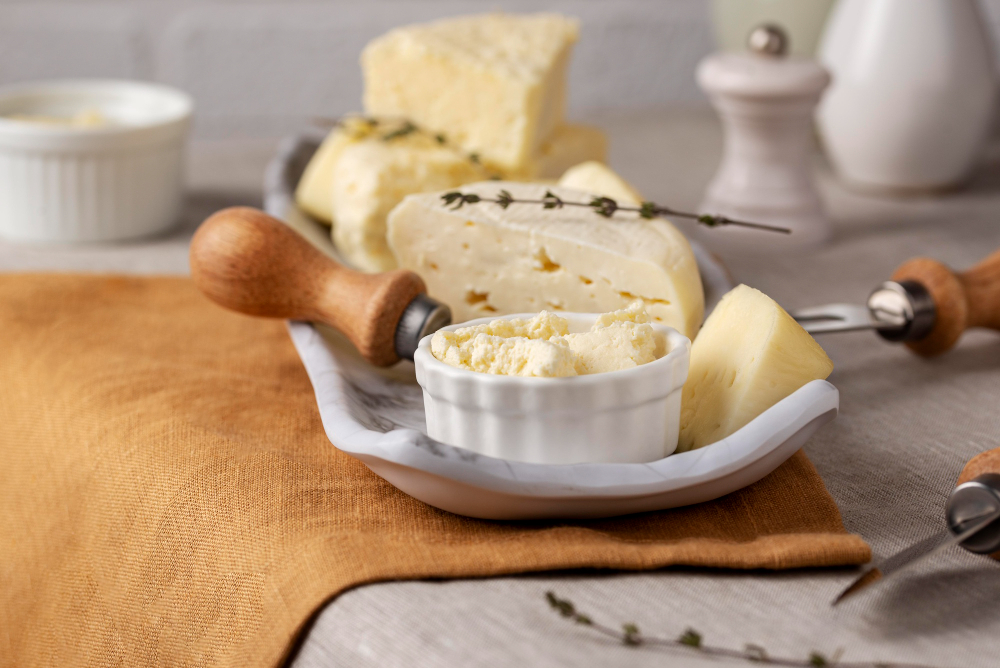
Compound butter might sound fancy at first. You might be like, “Is it something used by chef’s in restaurants?” but it's actually one of the easiest kitchen tricks you can learn.
Believe me, it's not NASA science; it's just butter mixed with seasonings, herbs, or other ingredients.
The reason it works so well is surprisingly simple: fat carries flavor in a way that nothing else does.
You grab a bowl and melt a pat of unsalted butter, season it with any type of herbs, spices, or oil you like, and voila! Your compound butter is ready to be explored.
It eventually becomes a ritual for you every time you serve a dish.
Most of us instinctively reach for just salt and pepper to finish seasoning. But a tablespoon of compound butter can be a game-changer!
All About Compound Butters
Most of us use butter by tossing it into the pan and completely forget its existence once the food is served.
Honestly, thats where the magic is missed. I used to think butter was only there for the food not to stick to the pan, or to add the aroma.
But once I started finishing dishes with compound butter instead, it was the day I knew I'd be using this often.
Think about it, a grilled chicken breast. It is good on its own. Now, place a slice of garlic and herb butter on top of it and watch it slowly melt into every corner.
That will make you feel this is the exact grilled chicken you’d order in a restaurant.
Similarly, apply the same method to boring vegetables and watch yourself go!
The real secret is that cowboy butter seasoning and thoughtfully composed spice blends transform butter from an invisible background into the star of the show.
How Compound Butter Works: The Fat Factor
Guess what - even masterchefs like Gordon Ramsey (yes, the one who is known to use cuss word in his kitchen when things go wrong) can’t do without compound butter.
From what I have seen, he often finishes his signature steaks, fish, and roasted meats with a simple pat of compound butter. Beautifully on top of the main course - umami!
As it melts over the hot food, it creates a delicious, glossy finish that adds richness to the food and a layer of flavor without making the dish complicated.
But here’s the fun fact: he doesn’t do it just for the aesthetic, even though it looks extremely mouthwatering.
Butter is basically the VIP pass for flavors. The moment spices, herbs, and garlic meet the butter, they get carried into every single bite.
And then you’ll wonder why compound butter feels so different than sprinkling dry herbs over the top. Dry seasoning can land in random places, either making you feel extremely spicy or leaving you with nothing at all.
Compound butter just melts with the heat of your food and wraps itself around the dish like a cozy little blanket, and all of a sudden, every mouthful tastes balanced instead of random.
Building Spice Composition Into Butter
Not all compound butters are created equal.
I’ve noticed one mistake that almost everyone makes: throwing random herbs and spices into the butter and hoping for the best.
Well, you just have to balance the ingredients that go along with the butter.
The difference between a good one and a forgettable one comes down to spice selection and balance.
I like to think that making a compound butter is basically having three building blocks:
- base flavors that ground the blend,
- aromatic notes that add brightness or depth,
- textural components that make the butter interesting to eat.
Base flavors are your anchors.
- Salt
- Peppers
- Smoked Paprika,
- Garlic Powder, Or
- Onion Powder.
These create a foundation that makes other flavors pop rather than compete.
Aromatic notes are where personality enters the butter.
Fresh herbs like
- Thyme,
- Rosemary,
- Chives add herbaceous depth.
- Citrus or lemon zest brings brightness.
- A touch of cayenne or black pepper adds heat and complexity.
You don’t need to overuse this secret weapon. Let the vegetables and meat have their own room too!
Textural components make people notice.
- Finely minced fresh garlic,
- shallots,
- crushed peppercorns
add small bursts of flavor and a slight graininess that makes the butter feel less one-dimensional.
The Technique: Making Compound Butter That Actually Works
Actually, when I tried this for the first time, I found it surprisingly simple, like applying my lip gloss.
- Use softened butter (pulled from the fridge 30 minutes before you start),
- mix it with your seasonings using a fork until everything is evenly distributed,
- Roll it into parchment paper, and refrigerate.
One thing I learned pretty quickly is not to rush while mixing the butter. If all the seasoning ends up on one side, you will notice it immediately while serving.
Spending an extra minute mixing everything properly makes a surprisingly big difference.
One pro move I've found useful: make your compound butter in larger batches and slice it into pats before freezing.
That said, you're not digging a spoon into a cold log of butter every time you want to use it. Precut pats thaw in seconds and sit perfectly atop hot food.
When To Use Compound Butter (And When Not To)
Personally, I think Compound butter tastes best on top of food that is piping hot, shines on proteins that come off the heat just before serving, and gets evenly distributed
- Grilled steaks,
- roasted chicken,
- seared fish,
- pan-seared scallops
- Shrimp
- Corn on the cob
- Warm bread
A small pat melting on top of roasted vegetables transforms a side into something people actually want to eat.
A pat on warm bread before it cools is a simple luxury.
Now, when not to use compound butter:
That said, it isn't perfect in everything. It's less useful on cold salads or in situations where the butter needs to stay solid (like on a charcuterie board).
And it shouldn't replace actual cooking technique.
So, you cannot save a poorly cooked steak with compound butter. However, a well-cooked steak will become unforgettable with it.
A Practical Example: Steak Dinner With Compound Butters
Picture this: you make two steaks on a Wednesday night, both the same cut and cooked identically.
One finishes with fleur de sel and cracked pepper. Absolutely fine, but would you go “hmm Voila!”
Now imagine the other one finishes with a pat of compound butter made with smoked paprika, fresh garlic, thyme, and a touch of cayenne, slowly melting over the top. A completely different experience if you ask me. Mouthwatering, right?
As it melts over the hot meat, those spices perfume the steak and deliver waves of flavor with every bite. It tastes like you spent time thinking about what should go on that plate. It simply tastes as if someone cared about the final touch.
That's the gulf between competent home cooking and cooking that people talk about, “wait, what did you put on that!” Compound butter closes that gap faster than any other single technique.
Make Your Dinner Unforgettable!
If there is one cooking trick I’d happily recommend to anyone, it's learning how to make compound butter at home!
After all, it isn’t complicated, expensive, or time-consuming.
In fact, it just takes a couple of minutes and completely changes the game.
What I love about this recipe is how versatile it is.
One batch can transform:
- Grilled meat
- Seafood
- Veggies
- Potatoes
- Simple slice of bread
Once you start keeping a batch of compound butter in your fridge, you’ll wonder why you didn’t make it sooner.
Also, if you have watched MasterChef, you’ll notice that the smallest finishing touch can change the entire impression of the dish!