Published on: 22 May 2021
Last Updated on: 03 January 2025
Many questions are arising associated with washing the hair and drying, but now the most frequent question that comes to your mind is, can you dye wet hair? Yes, it sounds a little bit different than the usual hair fashion-related question. But the answer indeed is yes, you can. Some hairstylists think dry hair dyeing can improve your hair texture naturally, and the end result is more natural than coloring dry hair. The wet hair dying technique is called wet balayage. This is a similar hair-dying technique to dry balayage techniques. Only here is a simple difference. It only applied to wet hair.
Why Do You Want To Dye Wet Hair?
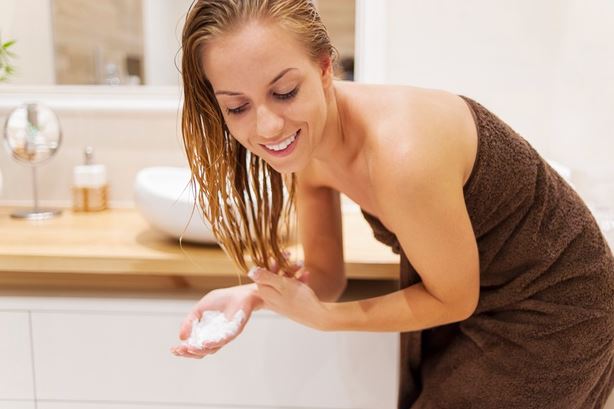
The dying of wet hair may not be a common practice, but when we are talking about the comparison with dry hair coloring, here are some positive effects of wet hair dying.
The dye of the wet hair is the best to work for achieving a subtle result.
The hair damage is less than usual dry hair coloring.
If you want to apply any semi-permanent hair color, then this technique is the best.
The hair color promotes better absorption on the wet strands.
The semi-permanent hair colors are more Ammonia-free. This type of coloring is becoming less harmful to your hair.
Wet hair coloring promotes the natural hair look.
This dying wet hair is a more user-friendly approach when you are dying your own hair at your home.
These all are the basic positivity of applying the color on the wet hair. When you want to dye your hair at home, wet hair dying is the most user-friendly and time-consuming procedure. All you have to do is just apply the color in the middle of the bath; after that, wash it off.
Benefits Of Dying The Wet Hair
When you are applying the hair color at home, wet hair colorings are the best possible way to get the desired result. If you have any queries about you can dye wet hair? Then here is the list of multiple benefits of dying wet hair.
1. The Wet Hair Strands Are More Absorbent
The wet hair strands are more absorbent than the usual dry hair. The hair color easily melts into the hair, and more easily, you will get the desired color look. The equal distribution of the color is also an attractive part of the wet balayage coloring. The color of the hair is distributed equally after the applications.The color change is quite simple. The hair color does not give you a drastically changing look. But if you want a good coverage color or anything which is a permanent hair color, then this color is not for you. The temporary and the demi temporary colors are working best as the wet color. Both of these colors have very less harmful substance init.
2. Best Hair Colour When You Are A Beginner
When you are a just startup color applicant, then the wet color is the best-suited hair color. The beginners are more prone to make a mess when they are applying the color. The wet color is just covering all messes. First, shampoo your hair and then apply the dye to the wet hair.This will give you a more subtle result. These semi-permanent and semi-permanent hair colors are not working well on greasy hairs.This technique is quite easy and time-saving rather than the other coloring techniques.The working professionals and the people who do not have much time to go to the salon are more comfortable using this technique.
3. Gives You A Natural Flowy Look
When you are asking the question, can you dye wet hair? Then the first answer which comes to our mind is yes. Not only yes, but the more natural and flowy look is also given through this type of coloring.The implementation is simple, and the drastic change of the hair color can not be found with the use of these temporary hair colors. You can expect mild color and a soft texture change of the hair.The distinctive funky colors are better to work as the wet hair color.
How Can You Dye Wet Hair?
We all call this dying technique the wet balayage. This technique is simple and effective, and long-lasting more than your expectations.Here are the four simple steps of applying the dye to wet hair.
Step1
Wash your hair by applying the shampoo.
Step2
Do not use the conditioner, serum, or any oil after washing the hair.
Step3
Then just pat dry the wet hair.
Step4
We need a damp surface to apply the hair color.
Step5
Check the ingredients list before applying the hair color on your wet hair. As wet hair is more fragile than dry hair.Better to use semi or semi-permanent hair color for your hair.When our hair is in the wet state, the hair’s inner cortex layer is also open, promoting better absorption.
Step 6
Read the instructions which are written on the package before starting the hair dying application.
Step 7
Then wear a pair of gloves.
Step 8
And take an amount on the small bowel as per your requirements.
Step 9
Then apply the hair color with the applicator brush.
Step 10
You can apply the color to the small sections of your hair.
Step 11
You can also apply the hair color just like any hair care product.
Step 12
Apply a good amount of color because, with every wash, it will become lighter.
Conclusion
The wet hair dye applications are easier to apply on the hair. These hair colors are less harmful with respect to the other type of hair dyes. The wet hair colors are more for the hair’s benefit and for improving the texture of the hair textures. Can you dye wet hair will no longer be a worry for you if you follow the mentioned points.But it also has some disadvantages. You have to choose the correct hair color for you, which has a less harmful substance within it. If you need simple temporary hair color, then these hair colors are the best time-saver for you. Therefore, I have tried my best to give you answers on how can you dye wet hair and the reasons for the same. You can also mention some more in the comment sections below.
Content Rally wrapped around an online publication where you can publish your own intellectuals. It is a publishing platform designed to make great stories by content creators. This is your era, your place to be online. So come forward share your views, thoughts and ideas via Content Rally.
Introducing the fascinating trend of short wigs: a stylish and convenient way to completely transform your appearance. In this article, we will delve into the enchanting world of short wigs, exploring their ability to revolutionize your look. Furthermore, we will introduce you to Luvme Hair—a brand that has been creating waves in the wig industry.
Table of Contents
Introduction
The Charm of Short Wigs
Luvme Hair: Redefining Wig Experience
Short Wigs for Different Styles
Ease and Comfort of Short Wigs
Maintenance and Care
Conclusion
Introduction
Are you in search of a way to change your hairstyle without going for a drastic haircut? Look no further than short wigs! These versatile hairpieces offer the perfect solution, allowing you to experiment with different looks while keeping your natural hair intact. Among the leading brands in the wig industry, Luvme Hair stands out prominently. Let's explore the world of short wigs and discover more about this exceptional brand.
The Charm of Short Wigs
Short wigs serve as fashionable hair accessories, offering a range of styles, colors, and textures to express personal taste. With endless possibilities, short wigs enable individuals to embrace chic bobs, sassy pixie cuts, or trendy asymmetrical looks.
Luvme Hair: Redefining Wig Experience
Luvme Hair, a brand adored by wig enthusiasts worldwide, has won the attention with its commitment to excellence and innovative designs. Offering an impressive collection of short wigs that cater to diverse preferences, Luvme Hair stands out in the market. Their meticulously crafted wigs perfectly imitate natural hair, providing wearers with a flawless and lifelike appearance.
Short Wigs for Different Styles
Short wigs have the remarkable ability to completely revitalize your presence. Transitioning from flowing tresses to a chic, cropped style can create a profound sense of transformation and rejuvenation. Exploring the versatility of short wigs is an exciting journey where you can discover a variety of styles to suit your needs
Chic Bob
The classic bob is a hairstyle that withstands the test of time, emanating an air of grace and simplicity. Achieve an effortlessly sophisticated and sleek look with a wig fashioned in the timeless bob style. This versatile cut complements any occasion, whether it's a formal event or your everyday attire, allowing you to exude refinement with ease.
Edgy Pixie Cut
For individuals seeking a bold and adventurous appearance, an edgy pixie cut offers the perfect solution. Adding texture and tousled layers to short wigs can instill a sense of fierceness into one's overall look. This particular style is renowned for its ability to exude confidence and attitude, making it an excellent choice for those who aspire to be noticed.
Playful Curls
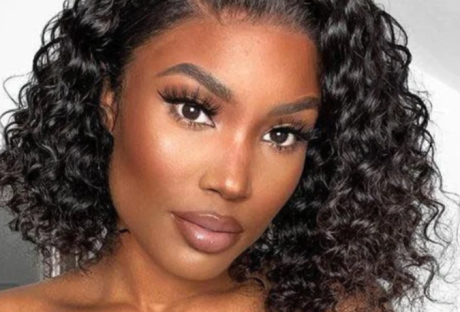
Short wigs adorned with curls impart a whimsical and lively aura to your appearance. Whether you prefer tightly coiled ringlets or loose cascading waves, this hairstyle grants your locks added body and fluidity. It serves as a splendid choice for informal outings, romantic evenings, or any event where radiating an exuberant and youthful ambiance is ideal.
Sleek and Straight
For those who prefer a sleek and polished look, the perfect choice is a short wig with straight hair. This style exudes sophistication and professionalism, making it ideal for both office settings and formal events. Achieve a well-groomed and put-together appearance effortlessly with a straight short wig.
Asymmetrical Drama
An asymmetrical short wig offers a fantastic choice for individuals who enjoy experimenting with asymmetry and bold angles. This style effortlessly adds a hint of drama and avant-garde flair to your overall appearance. With longer strands cascading on one side while shorter ones grace the other, an asymmetrical wig demands attention and allows you to make a striking statement.
Vintage Vibes
Short wigs can be a great tool to achieve vintage-inspired hairstyles. For instance, you can create finger waves, pin curls, or even rock a retro bob that exudes the charm of glamorous eras gone by. These styles work wonders for themed parties and when you long to add a nostalgic touch to your overall look.
Effortless Messy Look
Want to achieve a carefree and effortless look? Opt for a short wig styled in a messy and tousled manner. This particular style captures the relaxed vibe flawlessly, encouraging you to embrace imperfections and celebrate your natural beauty in a laid-back way.
Colorful Adventures
Short wigs offer more than just a new style; they also provide a range of captivating colors. With these bold and vibrant shades, you can freely explore hues that you might be hesitant to try with your natural hair. From delicate pastel pinks to daring blues, short wigs open up a world of colorful adventures.
Ease and Comfort of Short Wigs
One of the advantages of short wigs is their convenience. Unlike longer wigs or natural hair, they require minimal styling. This allows you to achieve a polished look within minutes, saving precious time during your daily routine.
Additionally, short wigs are lighter and cooler, making them an excellent choice for warmer weather. Improved version: Short wigs offer convenience as they require minimal styling compared to longer wigs or natural hair. Achieving a polished appearance in just minutes saves valuable time during your daily routine. Moreover, their lightweight and breathable nature
Maintenance and Care
Taking care of your short wig is effortless. By regularly brushing, washing, and storing it properly, you can ensure that it retains its fabulous appearance for a long time. Luvme Hair provides comprehensive guidance on maintaining their wigs, guaranteeing that your investment remains in pristine condition.
Conclusion
Short wigs open up a whole new world of possibilities for transforming your appearance. These versatile hairpieces allow you to experiment with different styles, ranging from timeless elegance to daring and adventurous looks, unveiling sides of yourself you never knew existed. With leading brands, especially Luvme Hair, driving wig innovation and being recognized as legit in the industry, rest assured that your experience with wearing these wigs will be nothing short of amazing.
Short wigs serve as the key to unlocking a diverse world of style, and with the proven legitimacy of Luvme Hair backing your choice, you stand confident and poised for any fashion adventure. So why delay? Embrace the transformative power of short wigs today and uncover the limitless beauty they bring!
Read Also:
How To Spot Hair Loss Early
Excellent Hair Volume On The Photo — No Problem
The Connection Between Melatonin And Hair Loss
If you are a person who loves to wear makeup, then you must know every bit about makeup. In fact, there are many women who are conscious and very particular about makeup. However, they might know about Smashbox Primer.
On the contrary, there are other women who apply makeup, but they skip a few makeup products because they do not feel the need to use every makeup product. Just as a foundation, there is another makeup product that keeps the makeup intact.
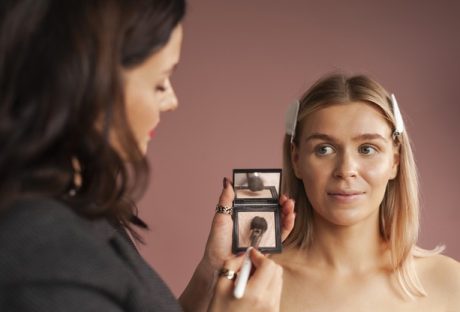
It is the primer that holds the makeup for a longer period of time. At the same time, you can get a smooth finish to your makeup. If you want to use a good quality primer, then you should buy Smashbox primer from the acclaimed online fashion site. On the online fashion site, you will get a top-quality primer that will pep up your appearance.
Demand For Primers:
There was a time when women did not use primers. Hardly any woman used to apply primer on their face. With the popularity of primers in the current days, women have understood the right use of primers which has made primers one of the favored cosmetic products by many women.
For many good reasons, primers are used by many women in the present day. There are countless women who do not know the purpose of using primer. Some women skip the use of primer because they think it is not important for them. In order to smoothen the skin, primer is used. When you use a primer, your skin appears to be even and polished.
Before applying makeup to your face, you should use a primer. It is the primer that blurs the blemishes, fills in the pores, and provides smooth skin. A primer helps adhere to makeup properly. If you want your makeup to last longer, then you must use a primer before applying makeup.
Pick The Right Primer: Smashbox Primer
Primers can be of various types. You need to select a primer as per your skin type. You can get primers in gel form as well as silky form. Primers can be colorless or tinted. You can get primers for your eyes as well as for your face.
You need to make sure that the primers should go well with your skin tone. The main purpose of the primers is to give you a flawless look and a smooth finish and to make the makeup last for long hours. Cover the visible pores on your skin with face primers. Also, to get an even-toned and polished look, face primers are the best.
Nowadays, you can get a primer for your dry skin and oily skin. Make sure to apply primer before the foundation to get flawless-looking skin.
Smashbox Primer: Why Is It The Better Option?
The following are the major features of Smashbox Primer that you must know about:
Smashbox Primer comes in a tube that is reflective and squeezable. However, previously, it was a transparent tube. But, now, this upgrade makes the primer look better and more attractive.
The nozzle in the Smashbox Primer’s tube is slim. Hence, it dispenses the primer in the right amount.
The packaging also consists of the ingredients of Smashbox Primer. Moreover, it also gives you direction on how to use the product. Additionally, the tube also shows a consumer study of how many women tried the product.
However, the best thing about Smashbox Primer is its formula. Despite having a slightly thicker consistency, it mixes well.
In addition to that, the clear hue of the primer dries down fast. Hence, it shows that the primer is suitable for all types of skin tones.
One of the best things about this formula is that all you need is a small amount. Hence, when you are starting out with Smashbox Primer, start with a pea-sized amount. Then, add more if you think it is necessary.
How To Choose A Good Primer? – Factors To Consider
Here are the factors you must consider before you choose a good primer for your skin:
Skin Type:If you have dry skin, you need to hydrate it. In this case, you must use a cream primer. However, if you have oily skin, use a gel primer to give it a shine. On the other hand, if your skin is prone to acne, choose a primer that has salicylic acid. This will help you with blemishes.
Texture and Consistency: Make sure that the texture and consistency of the primer are not too thick. This will result in a lack of mixing ability.
Sun Protection:A good primer must be able to protect your skin against the harmful rays of the sun.
Reviews: Before you buy a primer, check online reviews to find out what other users are saying. Additionally, you must also take recommendations from a skin-care expert.
Buy The Mattifying Face Primer:
You do not have to look for any other stores to get a face primer when you have the best oil-free and mattifying Smashbox primer from the online fashion site. You can use the face primer on your face without worrying about side effects. Using this effective face, primer will control oil on your face for up to the right hours and will also reduce the visible pores.
Your face will not look oily, and you will not get breakouts or clogged pores after using the face primer. Purchase the recommended face primer to get a fresh and glam look.
Do you have more suggestions on how to use Smashbox Primer as a beginner? Please share your opinions and experiences in the comments section below.
Read Also:
Get Part Ready In No Time with These Hair And Makeup Hacks
6 Proven Ways to Deal with Hair Loss for Women
Going to the dentist requires that you take an active role in your dental health care and maintenance. Although professionals are trained to look out for dental issues and to clean your mouth to meet standards of optimal health, you should still pay attention to the specific dental procedures your dentist or dental hygienist recommends and performs during your appointment.
In this article, we discuss the routine dental care that should commence during your routine visits. Here are three routine dental care procedures for a brighter, healthy smile.
1. Consistent Teeth Cleanings:
While you should already be brushing your teeth at least twice a day, when you go to the dentist, make sure that you’re given professional teeth cleaning.
The devices that dentists use to remove plaque and build-up in the mouth are much more effective than your daily brushing. For this reason, you must make sure that a teeth cleaning is performed at each of your visits. Without this routine cleaning, you are more susceptible to gum disease, and issues like gum disease and cavities.
2. Ask For a Deep Cleaning:
In addition to your routine teeth cleaning, you should also ask your dentist to perform deep cleaning at one of your yearly appointments.
The purpose behind deep cleanings is to ensure that the area beneath the gums stays healthy. The focus is to target the buildup that has accumulated underneath the gums. In doing so, you will further reduce your risk of gum disease, teeth whitening, and other dental complications that could compromise your health.
3. Teeth Whitening and Strengthening Services:
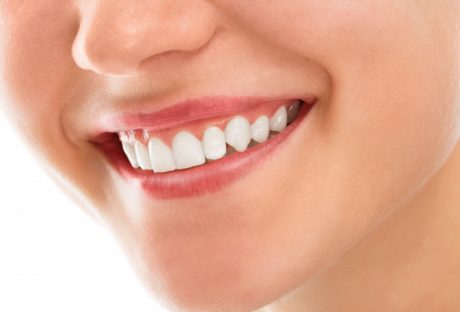
If you are interested in preserving the appearance of your teeth, you might also consider asking your dentist to perform a routine teeth whitening service at one of your appointments. Choose teeth whitening for a cost-effective way to maintain a brighter smile.
Your provider might be willing to perform the teeth whitening themselves or will offer you at-home professional-grade products that you can use to complete the teeth whitening yourself. You can expect to pay around $50 for a professional teeth whitening by your dentist.
In addition to routine brushing and flossing, you can reduce acid buildup with regular fluoride treatments. Fluoride makes it easier for your teeth to resist acidity.
Your enamel becomes more deeply protected and less likely to dissolve. Many kinds of toothpaste contain fluoride, which is part of the reason dentists recommend brushing twice a day. The more you work to build up your resistance to dentin decay, the healthier your teeth will remain.
Fluoride treatments only take a few minutes to complete, so be sure to inform your dental provider that you are interested in a quick fluoride treatment when it is time for your regular visit.
The Bottom Line:
It is wise to trust your dental professional, but that does not mean you should not keep track of your dental health on your own. Check off these routine treatments as you go about your yearly checkups for the best dental health possible.
Read Also:
The Process of Invisalign
How To Get a Better Smile Whatever Your Budget
What Is A Good Alternative To Wearing Dentures?













 The dying of wet hair may not be a common practice, but when we are talking about the comparison with dry hair coloring, here are some positive effects of wet hair dying.