











What is Cannabis Oil and how does CBD Oil Work?

Published on: 20 February 2019 Last Updated on: 11 February 2023
Cannabis Oil

Cannabis oil is a collective term for extracts extracted from the cannabis plant, also called the hemp plant. There are various types of cannabis oil that all come from different varieties of cannabis plants. Examples of these are the two most prominent varieties of Cannabis Sativa and Cannabis Indica. The two subspecies contain both active ingredients such as THC and CBD. Without being too theoretical, the difference between the two subspecies is briefly that Sativa has high levels of THC and Indica has a naturally high level of CBD.

In the past few years, many enterprising start-ups are experimenting with cannabis-related products. This includes CBD oil and medical marijuana. With several states in the American Union legalizing marijuana use for leisure-related use, there is a growth in companies offering Marijuana Delivery. This is something, which is expected to reap great tax benefits for the states, and allow for scientific and medical research with the plant.

What is CBD oil compared to cannabis oil?

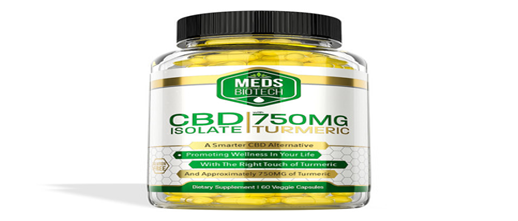
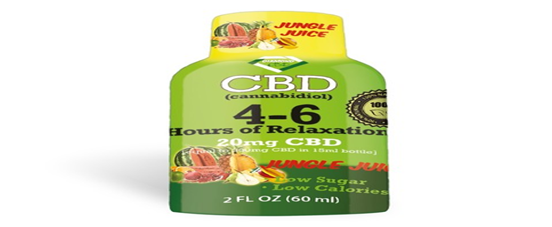
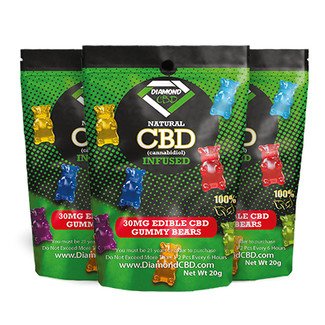
CBD oil is cannabis oil that is dominated by the cannabinoid CBD, Cannabidiol, and unlike THC, CBD does not give a psychoactive effect, thus making the CBD oil legal to use in many countries. Without being too theoretical, CBD oil is an oil extract from the cannabis plant with the active ingredient CBD. The CBD oil, especially the ones produced by popular brands such as Diamond CBD, has received increasing attention in the media over recent years, as CBD oil has repeatedly been shown to have health-promoting and anti-inflammatory effects.
CBD oil

The active ingredient:

What you need to know when buying cannabis oil is the active ingredient in the oil. Typical cannabis oil will contain a mixture of CBD and other cannabinoids or pure CBD. CBD must not be confused with THC, because THC is not a legal subject in many countries. THC has a euphoric side effect that makes you “high”. It should be noted, however, that at present there is no legal high-THC CBD oil. However, the amount of THC in the legal CBD oils is so low that it has no effect whatsoever and thus will not give you a euphoric side effect or problem with the law.

Many people use CBD oil products to supplement their usual medication as the oil turns out to have a further beneficial effect on common drugs, and have side effects. The increasing focus on oil in recent years has resulted in an increasing number of people becoming aware of, as so many describe it, the miracle product.

What is the difference between THC oil and CBD oil:

THC oil and CBD oil must not be confused with each other because they have their own effects and side effects. Cannabis oil with, for example, the high value of THC content has a euphoric effect that makes it illegal to use (in many countries). THC is only known for its euphoric effect in the form of hash which makes you “high”. On the other hand, the cannabis oil containing pure CBD is not a psychoactive substance and therefore has no euphoric effect and can be legally used.

The dosage of CBD oil:

For legal reasons, we can’t advise on the dosage of CBD oil. We, therefore, recommend that you as a user should try you out and choose the best CBD oil. Start with a small dose and then increase the dose slowly until you find the dose that will give you the desired effect. Because CBD is not a psychoactive cannabinoid, it will not give you a euphoric side effect. Also, the use of cbd for dogs and cats is safe. Read this to know more about it. Therefore, you do not have to worry about getting into your insecure substance, no matter how much you dose.

The effect of CBD oil:

Proper dosing of CBD oil is very important because it wants the right effect for which the CBD oil is known. It is therefore important that, as previously described, find the right dose that gives the desired effect. The effect of CBD oil can include higher energy levels and more excess energy in daily life, as well as side effects in the invasion phase. But it is individually how to react. Nationally and internationally, it is continuously reported how CBD oil has had a positive effect on users.

CBD oil for anxiety and depression:

There are two cannabis oils for anxiety and depression that can help you with anxiety and depression. The first contains mainly CBD, but it can still contain traces of THC below 0.2 mg per liter, and the second alternative contains both CBD and THC, which results in the benefits of both substances, but also the side effects associated with the euphoric agent THC.

Paranoia and anxiety:

There are many people who can’t use marijuana for anxiety and depression because THC has a side effect on their mental state, making them paranoid and more sensitive. At the same time, pure CBD oil has been shown to have a positive effect without acting psychoactive. CBD oil against anxiety and depression has proven to be of great benefit to many people because the oil positively affects mood, gives higher energy levels, and more everyday life.

CBD oil against pain:

Chronic pain can come from an injury, as a stretch in the thigh, or from a prolonged period of illness that weakened the body. Other health problems such as fatigue, sleep disorders, and loss of appetite are often accompanied by chronic pain. CBD oil for pain can be an alternative solution instead of painkillers and if the various sedative drug products that are available do not work. CBD oil has been shown to be pain-relieving and has an anti-inflammatory effect that causes the muscles to relax. In addition, people suffering from nerve pain have used CBD oil for the pain and as a successful supplement for better sleep.

Pain relief:

People suffering from arthritis also use CBD oil against their joint pain instead of, or as a complement to, other pain-relieving drugs. CBD oil and also CBD edibles have been shown to have a positive effect on pain relief and inflammation. CBD oil against pain has been shown to have a good effect on people with chronic pain. CBD oil is seen as a natural contraceptive against pain. At the same time, CBD oil and other CBD products are offered as dietary supplements in Germany and other European countries, as well as in 50 states in the United States. But again, try choosing only the best CBD oil and the best CBD edible to get real benefits.

CBD oil against fibromyalgia:

CBD oil has been shown to have a positive effect on patients suffering from fibromyalgia. CBD oil has been documented as a good aid for chronic pain, insomnia, anxiety, depression, inflammation, muscle spasms, and mood. But everyone is different and you will also find those who discovered that CBD oil is not for them and that it has not helped their fibromyalgia, or any other discomfort.

However, it should be noted that some cannabis oils contain very low levels of, if any, CBD at all. It is therefore important to be aware of which products you buy and who you buy them from. The prices of cannabis oils and other CBD products vary widely depending on the quality. A high price often indicates that you usually get what you pay for.

Read Also:


Content Rally wrapped around an online publication where you can publish your own intellectuals. It is a publishing platform designed to make great stories by content creators. This is your era, your place to be online. So come forward share your views, thoughts and ideas via Content Rally.

View all posts

Leave a Reply

Your email address will not be published. Required fields are marked *

Related

Residential Treatment

What Services Do Residential Treatment Centers Offer?

Residential treatment centers for youth can be a boon to an afflicted teen and their entire family. Still, before choosing any rehabilitation or treatment option, it’s wise to understand what those options entail. We’ll give you a thorough breakdown of what residential treatment centers do, how they operate, and why they’re so effective at treating various conditions, from anxiety and stress to drug abuse. What Is A Residential Treatment Center? A residential treatment center is a resource used by millions of Americans to help them cope with a variety of concerns. These can vary from the mild, such as higher stress levels, to the extreme, such as disorders, cognitive issues, or substance abuse. The goal of a residential treatment center is to create a healthy environment for the patient that allows them to focus on their own recovery, often blending a retreat-style getaway with therapy and personalized care. What Services Do Residential Treatment Centers Provide?  Residential treatment centers offer a variety of services, including: Therapy Therapeutic treatment is at the heart of every residential treatment center. With licensed mental health experts and experts in various conditions that may affect a patient, residential treatment centers offer a combination of individual and group therapy approaches depending on the issues that the patient presents. Approaches differ by treatment center, but the goal is to help the individual recognize the validity of their feelings, express those feelings in a safe space, and, over time, learn to cope with their emotions, impulses, or addictions. Treatment options vary greatly, some proving more effective at treating specific types of disorders, conditions, or predispositions: Talk therapy – Often used with teens, talk therapy is a common approach wherein an individual can talk with a licensed mental health professional about anything and everything, walking through life experiences to process them effectively. Group therapy – Individuals in a treatment center often participate in group therapy, which allows treatment center members to share their experiences, their struggles, and their growth. Knowing they’re not alone greatly benefits many who are struggling, and having someone with the same difficulties cheering them on creates an environment of positivity. Alternative therapy treatments – From specialized treatments such as psychodynamic therapy to dialectical behavioral therapy, different schools of thought in therapeutic treatments can lead to different outcomes. Depending on the patient’s condition, a specialized type of therapy may be necessary or helpful. Activity-based treatment – Research suggests that structured physical activity is beneficial in residential treatment centers. Some level of activity fosters overall wellness and may contribute to a better sense of well-being. These may include art therapy, yoga therapy, acupuncture, or massages. Animal-assisted therapy – Lastly, animal-assisted therapy uses animals like dogs and horses, for which the center patients may care. These approaches reduce anxiety and can instill responsibility. Animal-assisted therapy is particularly helpful for patients with mental health disorders. Retreat-Style Care One of the underlying principles of a treatment center is the retreat style. In essence, it’s supposed to be a relaxing and calming environment that lets troubled individuals take their minds off the stressors of everyday life for a little while. In doing so, they can concentrate on the therapy provided, develop a sense of personal wellness, and, if applicable, dissociate themselves from harmful stimuli that could exacerbate their condition. Such reasoning is particularly relevant for patients who are struggling with substance abuse. By living in a drug-free environment for a while, patients can learn to cope, recognize the way that substances affect their bodies, and restore their condition to a dependency-free state. The goal of ‘retreating’ is to return to everyday life feeling rejuvenated, strengthened, and capable. From the distance of a retreat, individuals can focus on their own mental health needs without unhelpful outside input and identify circumstances or relationships that are contributing to their success. The increased focus on interpersonal issues in a private space allows the therapeutic method to be truly effective and long-lasting. A Strong Support Network Throughout the process, treatment centers provide a powerful network of providers that can help individuals with their needs. Often, people experiencing mental health concerns, cognitive development issues, or addictive/compulsive behavior feel incredibly isolated from their community, friends, and family. A great benefit of residential treatment centers is that patients have constant support from medical professionals who offer both physical and mental health checks throughout the process. A strong support network places patients in a position to receive the best care they can during their stay, allowing them to return to their everyday life with a better toolkit for coping with their emotions, denying their compulsions, and reframing their thought patterns. This support network also manifests through discipline; residential treatment center patients often stick to a tight schedule of brief yet intensive therapy. No illegal drugs or harmful behavior are allowed, giving residents the best start to kick unhealthy habits and start the recovery process through treatment. Continued Support Recovery doesn’t happen overnight; many patients need continued support as they transition back into regular living. Even after patients leave the residential treatment center, they often have the opportunity to keep in touch with their therapist and report their progress. Doing so helps transition the teaching at the center to the real world since, in many cases, mental health issues and the temptation of substance abuse don’t just vanish at the retreat. It takes continued effort on the part of the individual to ward off those negative emotions or harmful tendencies, which is much easier with the ongoing support of a therapist. The Bottom Line From intensive, specialized therapeutic treatment to a strong support network of care providers, residential treatment offers a range of helpful services that give residents the best chance at recovery. It’s the best of both worlds. People benefit from residential treatment centers by stepping away from their ordinary lives to focus clearly on recovery. The healing process can be complex and laborious, but a residential treatment center can significantly improve an individual’s quality of life through evidence-based therapy to help them experience long-term success. Read Also: B.Sc. Agriculture- An emerging career option in India Finding Your Dream Career: 5 Useful Tips for you to Research about a Company Before You Apply Tips to Explain with Your Web Designer for Starting the Job

READ MOREDetails
Newborn Baby Care

8 Newborn Baby Care Tips for First-Time Parents

The experience of being a first-time parent can be exciting and overwhelming in equal measures. Despite the advice you get from family and friends during your prenatal period, parenting and especially baby care may still be challenging. Newborn Baby Care can make things easier for you. For instance, you may have questions on how to bond with your baby, what to do when the baby cries and you have no idea what it wants, giving your baby a pacifier, breastfeeding, and so forth. To help you navigate through some of these unique mother-to-child scenarios, below are 8 tips to start you off.  Additionally, you can also check SellFormula.com's baby feeding guide for more info. Here are 8 Newborn Baby Care Tips for First-Time Parents: 1. Prioritize Breast Milk: Breast milk is far more superior to baby formula. It contains antibodies that lower the risk of bacterial and viral infections as well as allergies. Also, breast milk digests easier thereby enhancing the bioavailability of the necessary nutritional components. Working mothers can express breast milk which is then stored, warmed, and fed to their baby in their absence. It is recommended that you feed your baby exclusively on breast milk for the first 6 months. Newborn baby care can make things easier for you. 2. Maintain a Warm Environment: Before the baby’s natural thermoregulatory mechanism kicks on, ensure the immediate environment is warm and cozy enough. You can use a thermostat to set specific temperature ranges at least for the first few weeks. Newborn baby care can make things easier for you. Do not overdress the baby especially on warm or hot days. This can lead to overheating and the development of rashes and heat illnesses. 3. Bathing Your Newborn: Real baths do not begin until the umbilical cord stump has fallen off. Even then, bathing should be monitored to avoid heat loss during and after a bath. Ensure the water is at the right temperature and make the baths short. Sponge bathing is also recommended for newborns. When you live in colder areas, make the bathroom warm enough before the bathing process begins. Exposing your baby to extreme cold may lead to hypothermia. 4. Change Diapers Frequently: If you have never taken care of babies before, diaper changing may seem like a nightmare. On average, you will do diaper changes every two to three hours, but this frequency will drop as the baby approaches 12 months. Getting the best changing table pad can make the process easy and comfortable. Look for a table that is sturdy, preferably with guard rails and ample storage drawers or shelves. 5. Personal Hygiene When Handling the Baby: Babies are sensitive and it is in your best interest that you maintain proper personal hygiene. Immediately before and after interacting with the baby, wash your hands with an antiseptic solution. As much as you can, minimize the baby’s contact with strangers at least for the first few months. Clothes can be contaminated with allergens or microbes hence the need to watch out for their cleanliness. 6. Do Not Interrupt Sleeping Sessions: First-time parents often get concerned about the length of their baby’s sleep. On average, expect newborns to sleep for up to 18 hours a day. However, babies are different and some will be more active compared to others. Do not wake them up in the middle of their sleeping cycles because doing so interferes with their natural activity patterns. When you see your baby sleeping for shorter hours, contact your pediatrician and check for any anomalies. 7. Watch Out for Signs of Neonatal Jaundice: Newborn babies are susceptible to physiological jaundice. For full-term babies, this tends to disappear within 10 days, but for preterm babies, it may extend for a few more days. In case your baby develops jaundice that persists, it could be the pathological type and this requires immediate medical attention. Look out for the yellowing of the skin and sclera (whites of the eyes). Don’t opt for phototherapy unless advised by or done under the care of a pediatrician. 8. Make the Crib Comfortable: It is not uncommon for babies to sleep on you and immediately you transfer them to their cribs, they wake up. The major cause for this is insufficient warmth and comfort in the crib. The best way to counter this trend is to prewarm the crib and gently slip the baby in between the warm blanket folds. New In addition, locate the crib away from drafty windows, fans, and air vents. This helps in ensuring a regular indoor environment. There are other tips out there you can include in your checklist. However, the above should set you on the right path to nurturing your bundle of joy. It is important you spend as much time with the baby as possible so that you can bond and create a familiar atmosphere. Read Also: How to Get Your Baby Started on Solid Foods Causes Of Male & Female Infertility Golden Pregnancy Care Tips For All Expectant Women

READ MOREDetails
healthier you

5 New Year’s Resolutions for a Healthier You in 2019

Do you remember what your New Year's resolution was last year? Did you achieve it, or did it end up on the backburner before February even came around? This year, don't let your resolution get away from you. Set a clear goal for yourself and define what things you need to do to create the change you're looking for. Here are 5 things you can do to become a healthier you this year. 1. Cut the Caffeine: Caffeine is actually the most widely-used drug in the world. It's highly addictive. Too much caffeine can have an effect on your sleep, your body's natural energy levels, and your irritability. This doesn't necessarily mean you need to cut out coffee (and tea) cold turkey. But, try to keep your caffeine intake to just one cup a day. You'll be surprised to realize how much better you feel without this sneaky drug slowing you down. You may even become inspired to stop drinking alcohol, too! 2. Cook More of Your Meals: Another thing you can do to become healthier is to cook at home more and eat out less. When you make time to cook your meals mindfully, you're less likely to end up in the drive-through line or getting takeout delivered. You become a lot more aware of the things you're putting into your body, which is essential to eating better. 3. Shop the Perimeter of the Grocery Store: If you're going to cook more of your meals, you're going to be in the grocery store a lot more. Make sure you're stocking the kitchen with mostly fresh, natural ingredients rather than processed foods. The best way to do this is to shop the perimeter of the grocery store. This is where all the fresh produce and lean proteins are. Although you might need to grab a few seasoning items, cereal, or a little treat, the majority of your cart should be filled with things you can easily find on the outer edges of the store. 4. Get a Workout Buddy: Here's the thing about making your healthy resolution workout-focused: at some point, you're going to skip a workout. This is actually okay - it happens to everyone and it's not the end of the world if you miss one or two days in the gym. But, the tricky part is making sure you get back into your routine after an unexpected rest day. Before you know it, one day of listening to your body or understanding your priorities turns into 3 weeks without working out! This is where a workout buddy comes in. Find someone who is willing to have the same workout schedule as you and hold you accountable for showing up. This way, you're much more likely to get back at it and keep at it. 5. Focus on Your Mental Health: Whether you're becoming more active in the new year or eating healthier than you ever have before, you need to focus on your mental health. You won't be satisfied with what you see in the mirror or even that post-workout high if you're not at peace with what's in your mind and heart. As you're working on a healthier physical you, remember to pay attention to the emotions and experiences that bubble up. Start the Journey to a Healthier You Today! Bonus tip: don't wait for the new year to begin to start working on a healthier you. Make the decision today to throw out all your junk food, or cook a healthy meal, or start journaling or meditating. Whatever it is that you want your resolution to focus on, get started today. For more insights on how to live a healthier life, click here. Read Also: 6 Ways To Promote Healthy Brain Easy Ways To Live A Healthier Lifestyle

READ MOREDetails