













How to Choose Best Virtual Private Network in Poland

Published on: 31 December 2017 Last Updated on: 11 September 2024
photo_113483_20171005 (1)

Virtual private networks (VPNs) play a critical role when it comes to enhancing privacy, anonymous file sharing, and avoiding censorship. Poland has a long list of VPNs but not all of them are created equally. A virtual private network that is ideal for your needs may not be applicable to another person. Therefore, you need to evaluate your needs and link them to the best VPN in the region. Here are some tips on how to identify the best VPN network in Poland.

  • Assess Your Virtual Private Network Needs

The VPN needs of each user are slightly different. Therefore, you need to carefully evaluate your needs before you start shopping for the best VPN service. In some instances, you will discover that there is no need for shopping because router-based or homegrown solutions that you already own are ideal. However, you need to ask yourself a few questions and see how various VPN features can meet your needs.

  • Does Your Home Network Require a Secure Access?
photo_39070_20150630

There is no need to invest in a virtual private network if the only reason is to access your home network securely. This tool will be wrong and not overkill for the job. You will get secure access to a remote network from a remote VPN service provider but not accessing your home network. You can either attach a VPN server to your device or allow it to run on your home router to access your home network. You will ideally run the VPN server at the level of the router for minimal power consumption and best security.

  • The Type of Protocols They Support

VPN protocols are not the same and you want to be sure that you are getting the best. OpenVPN achieves very high security levels with low processing overheads. Most users try their level best to skip PPTP because of security issues and the use of weak encryption. Therefore, most users prefer Open VPN over the other options that are in the market.
VPN_A-Plain-English-Guide-to-VPN-Protocols

Image source: top5-vpn.com

  • The number of Servers they have and the Location

A VPN service that has several nodes all over the world is the best if you wish to access US media like YouTube and Netflix without geo-blocking. Don’t accept anything that is lower than a broad range of servers that are located in several countries.

  • The Number of Concurrent Connection They Allow
blockchain-3019120_960_720

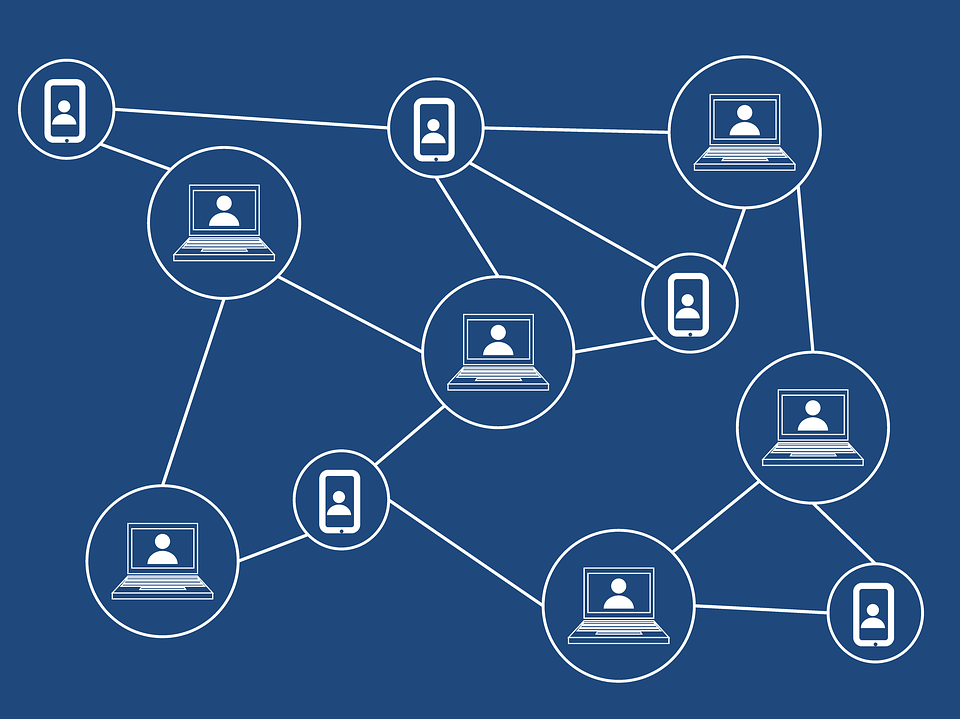
You may want to set up your VPV access to more than one device, your home router, or more than one family member. Therefore, don’t assume that you just need a single connection. Also, a user who is security-oriented may require several concurrent connections for the service. You can use multiple exit nodes to configure different devices so that you don’t bundle together your collective or personal traffic. Choose a VPN service that offers concurrent connections even if you don’t need them now.

  • Do They Restrict Services, Limit Bandwidth, or Throttle Connections?

One of the top reasons that motivate people to turn to VPN networks is ISP throttling. Most VPN services are not transparent when it comes to this topic. All people want to stream movies and videos and you don’t want any form of limitations. It’s good to go for a service that does not have any restriction or limitations even if you will pay more for the service.

  • The Payment Method Offered?

Anonymous modes of payment may not be a great priority for you if you are buying VPN Poland for safely routing your traffic back to Poland or offering security to your visitors against the snooping wi-fi nodes while in transit. However, a person who is buying a VPN to evade political harassment should remain anonymous. You can go for services that support anonymous methods of payment like gift cards or cryptocurrency.

Read also: 5 Perks Of Having QuickBooks Pro For Your Business

Conclusion

Choosing a VPN service is not as easy as you may think. The above tips will make sure that you don’t regret your decision. Pay attention to each element so that you make a decision that will add value to your online operations. To know more about privacy protection, please visit vpnAlert.com.

Content Rally wrapped around an online publication where you can publish your own intellectuals. It is a publishing platform designed to make great stories by content creators. This is your era, your place to be online. So come forward share your views, thoughts and ideas via Content Rally.

View all posts

Leave a Reply

Your email address will not be published. Required fields are marked *

Related

Job Management Software

This Is Why Every Organization Should Invest in Job Management Software

Having your staff manage your business can be expensive and not accurate. This is because you need to have a single employee attend to a specific department and ensure that everything is running as required. This can be made easy by using job management software. This is software that is made to get an organization's activities running in order. A job management software is the best to have since you will require one person to run it or even do it yourself if your business is not that big. Read more now to learn how job management software will make the best out of your organization's activities. GPS tracking Job management software can track your employees or your business's car location. This is what most employers struggle with, especially if your business involves sending packages. The car's global positional system is sent to the software through a signal. Financing made easy Recording your job's invoices on the software is helpful since you can always retrieve them anytime you require them. This is also helpful for the head of finance can always transfer the invoice through the software. This is professional, unlike paperwork which is still tedious and not accurate at times. Transparency You do not want to fire your head of staff just because they did not do enough supervision for the employees. Job management software enables you as the job owner to go through all the task details through one avenue, which is only controlled by the supervised personnel. An organization where the staff can be trusted builds confidence and makes everyone accountable and even more alert when going about their activities. Estimating and job management software helps a business to achieve its goals. Better communication For a successful and conducive workplace, you need to have the right communication channels. This is to help address the critical issues that the company may be going through. Through GPS tracking, an employer is as well able to trust the employees for that is transparent evident information of your locality. It is valuable Management software will help you achieve your goals. This is because you have a professional controlling avenue that you can trust. Your employees as well get introduced to a new and worthwhile mode of running things in the organizations. This makes the work easy and manageable too. Scheduling An organization with a work plan is probable to achieve more than one that does not. Through this software; you can be able to sort out the most important activities to accomplish. This helps you not to lag behind the timelines. Better service delivery With an organized workforce, your clients can get the best out of your services. It makes every staff beware of their responsibilities and when to execute them. Estimating and job management software help the organization save time and realize more income. Job management software is the best solution to break down your tasks, and it all help you plan towards achieving. Organizing your staff and letting each other understand their responsibilities. Read Also: What Is the Best Tax Software to Be Using in 2019? Tips to Choose the Best Inventory Management Software Best Transaction Management Software for Your Real Estate Business Start-up Business Management: How to Reduce Risk and Guarantee Success Why Contract Management Software Is Essential for Your Tech Company

READ MOREDetails
Video Interview

6 Things You Must Do to Prepare for a Video Interview

Video interviews can be nerve-racking especially if you are meeting the interviewer for the first time. Video interviews are more cost-effective, easier, and faster than a long phone call or in-person meeting. No wonder most organizations are using them to make hiring decisions among other job-related functions. Here are some of the tips that will increase your chances of success during video interviews. 1. Double-Check Your Internet Connection, Video, and Audio: You should always test your audio and video to make sure that everything is working well before the interview. The fact that it worked two weeks ago is not a guarantee that it will work properly today. No one wants to risk the embarrassment or headache of technological issues while conversing with a potential employer. Also, confirm that you have a stable wireless connection. Therefore, select a location where spotty connections will not disrupt your video conversation. 2. Choose a Background That is Free from Distractions: You have to make sure that you entirely focus on the face and what you will be saying during the interview. Therefore, choose a business-like background that is free of any distractions. Avoid windows and walls that are full of decorations, posters, and pictures. Clutter off your desk and clear all the books. The most important thing is to eliminate those things that can draw away the attention of the interviewer from you. If you cannot get an excellent background at your home or office, it is wise to use a solid wall. The guiding principle is to hold your video interview in a sterile and clean environment. Communicate on a human level so that the interviewers will find it easy to talk to you. There is nothing glorious about this as what they are doing it to talk with you. 3. Lit the Room Well: You have to make sure that the interviewer will see you clearly by paying close attention to the lighting. The interviewers should look at your face clearly, and hence you need to test the video beforehand so that lights don’t cast any shadows on your face. The challenge of having a single overhead light shining down from the ceiling is that it can be unflattering and create shadows.  Try to have one light emanating from behind you and one on the left to create a glow around your body. 4. Eye and Angle Contact Are Critical: You have to pay close attention to the place you look during the interview. Several people are thrown off especially if you are used to video interviews. The experience may not feel natural from the onset, and you may want to talk to the camera and not the screen. The position of the camera should always be at an eye level and not below or above you. The angle of the camera is so critical because the camera should not look down at you and you don’t want to look up your nose. Therefore, make sure that the position of the camera is okay. 5. Dress for the Interview: you need to groom yourself depending on the kind of interview you are attending. Remember presentation is critical and you should not overlook this idea because you are talking on video. Dress as if you are attending a face-to-face interview. The wrong dressing will also reflect in your speech and attitude. The interviewer will look at all aspects of a good candidate and dressing is one of them. 6. Maintain an Open Body Language: Like in-person interviews, its critical to be cognizant of the body language so that you can leave a positive impression on the interviewer.  It’s a good practice to gesture while speaking but remember to contain the movement of your hands and also within the video frame. Remember gestures may not translate over video in the same way in-person interviews do. With these tips, you are prepared to handle any video interview. The most important thing is to prepare well, and you will increase your chances of success. Read Also: Traditional Job Interviews Will Be Dead By 2020 Ten Interview Tips That Might Surprise You: The Medical Edition

READ MOREDetails
Digital Signature Technology

Ensuring Compliance And Security In Digital Signature Technology

In today's rapidly evolving digital landscape, the need for secure and legally recognized signatures has become increasingly vital. Digital signature technology offers a robust solution, enabling individuals and organizations to sign, send, and track documents with efficiency and confidence. Unlike traditional handwritten signatures, digital signatures provide enhanced security features and legal validity, making them indispensable in various industries. With the emergence of electronic signature (e-sign) APIs, such as Lumin, organizations can streamline their document management processes further. e-sign APIs facilitate seamless integration of digital signature functionality into existing workflows, allowing customers to sign, send, and track documents directly from their preferred applications. This not only enhances efficiency but also ensures compliance with regulatory standards and maintains high levels of security throughout the document lifecycle. Compliance Standards And Regulations Digital signature technology operates within a complex regulatory framework to ensure legal validity and compliance with industry standards. Key regulations, such as the Electronic Identification, Authentication, and Trust Services (eIDAS) Regulation in the European Union and the General Data Protection Regulation (GDPR), govern the use of digital signatures and electronic transactions. Compliance with these regulations is essential for organizations to establish the legal validity of digital signatures and protect sensitive data. A. Understanding Key Regulations The eIDAS Regulation establishes a uniform legal framework for electronic signatures, ensuring their recognition and enforceability across EU member states. It outlines specific requirements for electronic identification, authentication, and trust services, including electronic signatures, to enhance security and facilitate cross-border transactions.  Compliance with eIDAS is crucial for organizations operating within the EU to ensure the legal validity of digital signatures and foster trust in electronic transactions. Similarly, the GDPR mandates stringent data protection measures, including the use of secure digital signature solutions, to safeguard individuals' privacy rights and prevent unauthorized access to personal data. Organizations must implement appropriate technical and organizational measures to ensure compliance with GDPR requirements when using digital signature technology, thereby mitigating data breaches and non-compliance risks. B. Implementing Standards For Legal Validity Organizations must adhere to established standards and procedures to ensure the legal validity of digital signatures. This includes implementing robust authentication mechanisms to verify the identity of signatories and validate the integrity of electronic documents. By adhering to industry standards and regulatory requirements, organizations can establish the legal validity of digital signatures and ensure their enforceability in legal proceedings. Security Features Of Digital Signatures Digital signatures incorporate advanced security features to ensure the integrity, authenticity, and confidentiality of electronic documents. Understanding these security features is crucial for organizations seeking to implement digital signature solutions while maintaining compliance and protecting sensitive information. A. Encryption And Authentication Mechanisms Encryption lies at the heart of digital signature technology, serving as a fundamental mechanism for securing electronic documents. Through the use of encryption algorithms, digital signatures protect the content of documents during transmission, ensuring confidentiality and preventing unauthorized access. Digital signatures also employ robust authentication mechanisms to verify the identity of signatories and validate the integrity of electronic documents. Authentication plays a pivotal role in establishing the trustworthiness of digital signatures, allowing recipients to verify the authenticity of signed documents and the identity of the signer. Furthermore, digital signature solutions often integrate with existing authentication methods, such as biometric authentication or two-factor authentication, to enhance security and ensure that only authorized individuals can sign documents. B. Preventing Tampering And Ensuring Integrity One of the primary objectives of digital signatures is to prevent tampering and ensure the integrity of electronic documents. Digital signatures achieve this by incorporating mechanisms that detect any unauthorized alterations to the signed documents. Digital signatures include a unique digital fingerprint, known as a hash, which is generated based on the content of the document. This hash is encrypted using the signer's private key, creating a digital signature that is unique to both the document and the signer. Any modifications made to the document after it has been signed would result in a mismatch between the original hash and the altered document, thereby detecting tampering attempts. This tamper-evident feature ensures the integrity of electronic documents and assures recipients of the authenticity of the signed content. In addition to detecting tampering, digital signatures often include timestamping mechanisms that record the exact time when the document was signed. Timestamps further enhance the integrity of digital signatures by providing a reliable record of the signing event, enabling parties to verify the chronological order of signatures and detect any discrepancies. Best Practices In Digital Signature Management Adopting best practices is essential for organizations to ensure compliance and security in digital signature management, safeguarding against potential risks and vulnerabilities. A. Regular Audits And Compliance Checks Regular audits of digital signature processes and systems help organizations proactively identify and address compliance or security vulnerabilities. Conducting compliance checks ensures that digital signatures adhere to regulatory standards and legal requirements, mitigating non-compliance risks and ensuring electronic documents' legal validity. B. Training And Awareness For Users Effective training and awareness programs educate users about the importance of digital signatures, legal implications, and security best practices. By promoting user awareness and understanding, organizations can prevent misuse of digital signature solutions and enhance overall compliance and security. Technological Advances In Digital Signatures Technological innovations play a pivotal role in enhancing digital signature solutions' security and compliance capabilities. These advancements continually evolve to address emerging threats, improve user experience, and ensure legal validity in electronic transactions. A. Innovations Enhancing Security And Compliance Enhanced Encryption Algorithms: Recent advancements in encryption algorithms have bolstered the security of digital signatures, making them more resistant to cryptographic attacks. Advanced encryption standards, such as Elliptic Curve Cryptography (ECC) and RSA, offer stronger cryptographic primitives, ensuring the confidentiality and integrity of electronic documents. Authentication: The variants of biometric authentication methods, like facial recognition, fingerprint recognition, and iris scanning, have emerged as robust mechanisms for verifying the identity of signatories in digital signature solutions. By integrating biometric data into the signing process, organizations can enhance security and mitigate the risk of unauthorized access or impersonation. Multi-factor Authentication: In addition to traditional password-based authentication, digital signature solutions increasingly incorporate multi-factor authentication (MFA) methods to enhance security. MFA requires users to authenticate their identity using multiple factors, such as passwords, biometrics, and one-time passcodes, significantly reducing the risk of unauthorized access and enhancing compliance with regulatory requirements. Advanced Audit Trails: Digital signature solutions now offer advanced audit trail capabilities, allowing organizations to maintain detailed records of signature transactions. Audit trails provide visibility into the signing process, including the signatories' identity, the signatures' timestamp, and any modifications made to the document, ensuring compliance with regulatory standards and facilitating forensic analysis in case of disputes. Conclusion In conclusion, ensuring compliance and security in digital signature technology is essential for organizations seeking to leverage electronic signatures in their document management processes. By understanding key regulations, implementing robust security measures, and adopting best practices, organizations can harness the benefits of digital signatures while maintaining legal validity and protecting sensitive information. Read Also: Ensuring Compliance And Security In Digital Signature Technology Behind The Filter: Understanding YouTube Restricted Mode’s Functionality Privacy In The Digital Age: Managing Your ‘My Activity’ On Google

READ MOREDetails