











5 Perks of Having QuickBooks Pro for Your Business

Published on: 06 November 2017 Last Updated on: 06 November 2024
QuickBooks Pro

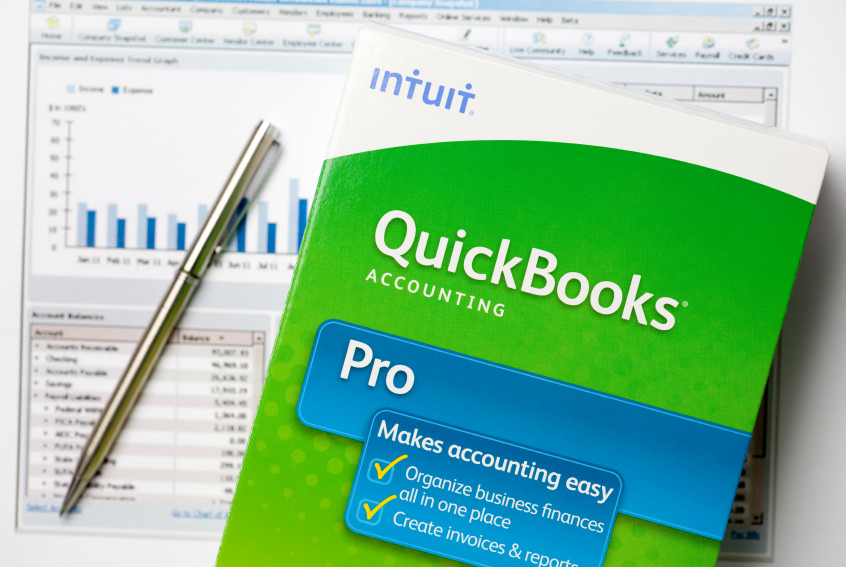
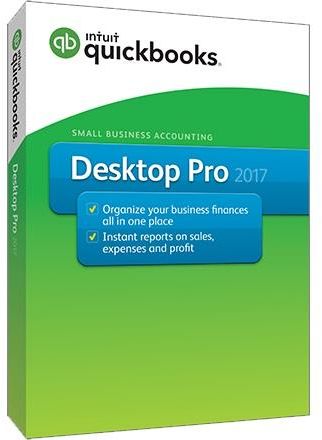
QuickBooks main function is to simplify accounting in various aspects of a business. Intuit has released various versions of QuickBooks, so that different enterprise can select different versions of QuickBooks for their needs and requirements. QuickBooks Pro is one of the versions of QuickBooks software about which we are going to talk about today. This QuickBooks version is specifically designed for small companies. The features provided by QuickBooks can handle all the accounting functions including accounts receivable, accounts payable, credit card management, and financial reporting. The software is available for $219.95 in the US, this is great because earlier it used to cost $299.95 and now it is even more value for money.
QuickBooks Pro

Cash Management

The software perfectly manages the cash flow and budget for small businesses. You can input the due dates for different kind of payments and the billing information can be added along with that. You can get printed checks directly through your QuickBooks software. For future audits you don’t have to manually record any transaction because all transactions are recorded automatically, this eliminates the need for paperwork.

Expense Billing

In any type of business there various miscellaneous expenses like small purchases, meals, business travels, etc. These expenses may or may not be included in the client’s total bill, but because of their small amounts, they are disregarded and in the end, it is billed to the client only. In QuickBooks, you can maintain such record of all the expense and later go to them at the time of the billing. This will save some of the expenses for the clients and they won’t be any quarrel and even if there is, you would have a complete record which you show them. You can directly manage payrolls and taxes from the software itself.

Invoices

Wouldn’t it be great, if the software does work and saves up a whole lot of labor and that too without any error that may happen in the case of human involvement? Well, QuickBooks does exactly that, it automatically tracks the sales and creates receipts and invoices any time you want, like if you have to send an invoice to the customer. The type of feature is very helpful if someone is buying the QuickBooks for retail business. You can even subscribe to QuickBooks checkbook solution, this provides with the ability to scan and deposit the checks into the program without manually entering the data.

Reporting

Through QuickBooks, you can create various types of financial reports. These include yearly incomes, trends, expenses, and other documents. You can even create an excel sheet, in case you have to send the data to the client.

Simple user interface

This one is obvious, the QuickBooks software makes every accounting activities very easy to complete and even does some of the work for you. There are various tutorials also on YouTube and on Intuit’s website, with their help you can explore all the useful set of features that QuickBooks provide.

Planning- QuickBooks is advance planning too also for adding accounting data and also for planning your sales data, bills and other long term operations which your company performs. QuickBooks Pro can even produce tailored reports for your clients, managers, etc. which can provide you an informed view for your future planning decisions.

Business Positions- with the QuickBooks Pro, you can generate a complete report of your company’s profit and loss with the profit and loss statement. You can also find out your top customer list at the end of the financial year and even after 6 months.

Read More:

Content Rally wrapped around an online publication where you can publish your own intellectuals. It is a publishing platform designed to make great stories by content creators. This is your era, your place to be online. So come forward share your views, thoughts and ideas via Content Rally.

View all posts

Leave a Reply

Your email address will not be published. Required fields are marked *

Related

Investment Decisions

Top 5 Investment Decisions You Need To Make In Your Thirties

Are you confused about your investment decisions in your thirties? If yes, you need to explore the best options to provide you fair returns on your investments. Today, there are lakhs of profitable investment plans available in the market. You just need to select the right one that can fulfill your needs. When you reach thirty, it becomes high time for you to start planning for your investments. The matter of fact here is that only proper financial support can help you lead a healthy lifestyle in your sixties for this reason you have to make your plans from thirties. Different Types Of Investment Plans You Can Frame In Your 30’s  You can set up several kinds of investment plans in your thirties that can help you lead a healthy lifestyle in your sixties. I will discuss it in my article. Let’s find out the best ways for that. 1. Direct Equity: In most cases, people think that investing in the equity shares of a company can be risky, but the reality is just the opposite. You just have to monitor the trend of the companies growth rate over a certain period. It will give you a fair idea of when and how you must invest your money in the equity shares. The best thing about investments in equity shares is to earn higher returns from your investments. You need to map the company’s trend for the last four years to understand which companies' shares will suit you the best. 2. Gold:  Investments in gold are the most reliable investment form that can provide you stable returns on your investments. A regular hike in the gold prices is estimated each year, and it can help you provide the required returns that you expect from your investments. If you want stable returns from your investments, then investments in Gold are the best option for you. Unlike the equity shares, the return in the gold is not dependent on the company’s profitability. You can earn a stable return when you need it the most. The best thing about investments in gold is that it can support you at the time of your emergency in a steady way. 3. Stocks: Investments in stocks are another best way to opt for when you plan to make your investments in the right direction. Whenever you plan to invest your money in stocks, the best strategy is to apply the bearish method of investing your money in stocks. To identify the fact, which are the best stocks to buy now, you have to understand the market better. Search those types of company’s stocks whose current prices are low but have the potential to grow. If you can apply this kind of strategy, you can get better returns from your investments in the future. 4. Real Estate:   After stocks, real estate is the best option to help you achieve your objectives in a better way. When you invest your money in real estate, then you can get steady returns from your investment at a reasonable price. You must plan out ways that can help you to achieve your objectives in a better way. The best thing about real estate investment is that it can help you get fair returns and a steady way to achieve your objectives. The more you can plan effectively, the better you can achieve your goals in a better way. 5. Debt Mutual Funds:   Debt Mutual funds can help you to get steady returns from your investments. The best thing about the debt mutual funds is that it does not get affected by the market volatility rate and can get the steady returns from your investments. You have to plan out ways that can help you to achieve your objectives in a better manner. Ensure that you have made the correct choices and selection of the investment plans at your end. A correct investment decision can help you to lead a steady life. Conclusion: Hence, these are some of the best ways to apply in your thirties to make the perfect investment plans that can help you suit your requirements in the right way. Here the proper selection of the investment plans matters the most as per your estimated budget and expected returns that you want to get from your investment. Read Also: Why Off-Plan Investment Is Beneficial For Expats Pros and Cons of Oil and Gas Investment Property Investment Success Stories

READ MOREDetails
Retirement Age

Ideal Retirement Age Planning: Strategies For Financial Freedom

When approaching retirement planning, it is widely recognized that starting early is a cornerstone of ensuring a secure and comfortable retirement. The notion of an ideal retirement age may vary individually, but there are certain age-related milestones that can guide individuals in maximizing their retirement benefits and minimizing penalties.  Consistent saving from the beginning of one's career, coupled with a clear understanding of these milestones, is essential in laying a strong foundation for the future. Retirement planning is not a one-size-fits-all process; it involves a series of strategic decisions tailored to an individual's life stages and financial situation. Assessing how much do I need to retire on $100,000 a year in retirement is another critical component of the process. This involves not only saving but also making informed choices about retirement accounts and investments to ensure that the funds will grow adequately over time. Individuals must also be mindful of specific age benchmarks that impact retirement planning. For example, being aware of when they are eligible for certain government programs and the implications of withdrawing retirement funds at various ages can help in avoiding unnecessary fees and optimizing benefits. This strategic management of timing in relation to age is a key aspect of effective retirement planning. Determining Your Retirement Goals When planning for retirement, individuals must carefully assess their financial needs and health factors to establish a clear and realistic set of goals. Assessing Financial Needs A critical step in retirement planning is determining the amount of savings required to sustain one's desired lifestyle. Retirement calculators can be instrumental in estimating the necessary nest egg. These calculators assess current income, savings, and anticipated retirement age to provide a personalized savings goal. To tailor these estimates, individuals should consider: The proportion of current income they aim to replace during retirement is often recommended to be around 70-80%. Expected major expenses, such as housing and leisure activities. Potential sources of retirement income, including Social Security benefits, pensions, and annuities, which can reduce the reliance on personal savings. Evaluating Health and Life Expectancy Individuals' health status and life expectancy play a significant role in retirement planning. Those in good health may require a larger nest egg to support a potentially longer retirement period. Key considerations include: Life expectancy data to inform the duration of retirement savings should last. The cost of health care, generally rises as one ages, necessitates a larger reserve in the retirement fund. Long-term care insurance can mitigate the risk of high unexpected health-related expenses. By focusing on these aspects, individuals can establish a retirement plan that aligns with their unique circumstances and supports a financially secure and healthy retirement. Retirement Savings Strategies Optimal retirement savings strategies are centered on maximizing contributions to retirement accounts, understanding the significant effects of compounding over time, and balancing risk with investment choices. Maximizing 401(k) and IRA Contributions Individuals should aim to contribute the maximum allowed amounts to their 401(k) and IRA accounts each year. For 2024, the contribution limit for 401(k) plans is $20,500, with an additional $6,500 in catch-up contributions permitted for those aged 50 and over. IRAs offer a lower threshold, with a contribution limit of $6,000 and a $1,000 catch-up contribution. Taking advantage of these limits can significantly enhance one's retirement savings, especially when employers match a portion of 401(k) contributions. Understanding the Impact of Compounding The power of compounding cannot be overstated in the context of long-term investment. When returns are reinvested, they generate additional earnings over time. This effect is particularly potent for those who start investing early. For instance, investing just $100 a month starting at age 20 could lead to a substantial accumulation by retirement age, assuming a modest annual return. Balancing Risk and Investment A well-balanced investment portfolio blends various asset classes, such as stocks, bonds, and possibly other investments, to align with one's risk tolerance. Typically, stocks offer higher growth potential but come with increased risk, whereas bonds traditionally provide more stable, but often lower, returns. As individuals approach retirement age, they may consider shifting their investment focus towards more conservative options to preserve capital. Additionally, the use of a Roth IRA can be beneficial for tax-free growth and withdrawals in retirement, depending on an individual's tax situation. Navigating Government Benefits Government benefits for retirees hinge on correct timing and a thorough understanding of eligibility requirements. This section guides through Social Security and Medicare, two pivotal components of retirement planning. Optimizing Social Security Benefits To maximize Social Security benefits, individuals must consider their full retirement age (FRA), which varies from 65 to 67 depending on their birth year. Claiming benefits at the FRA ensures the full monthly benefit amount. However, one can begin receiving Social Security payments as early as age 62, but this results in permanently reduced benefits. Before FRA: Reduced benefits At FRA: Full benefits After FRA: Delayed retirement credits Strategically, delaying Social Security benefits beyond the FRA can increase the monthly payment by a certain percentage until the age of 70, offering one of the simplest ways to enhance one's retirement income. Planning for Medicare Eligibility Medicare eligibility begins at age 65, regardless of one's FRA for Social Security. Enrolling in Medicare on time is critical as late enrollment can result in penalties and gaps in coverage. Medicare includes several parts: Part A: Hospital insurance, usually premium-free if one has paid Medicare taxes for a sufficient number of years. Part B: Medical insurance, covering doctor's visits and outpatient services, which requires a monthly premium. Part D: Prescription drug coverage. Understanding the interplay between Medicare and other health benefits is also important, as it might affect decisions regarding employment benefits or Marketplace coverage. Individuals should review their options within the IEP or Initial Enrollment Period (IEP). It begins three months right before the month of their 65th birthday whereas it ends after three months. Conclusion: Preparing for the Unexpected In retirement planning, addressing potential risks and preparing for unforeseen healthcare expenses are crucial. They often advise individuals on incorporating health insurance and long-term care into their financial strategy and emphasizing the importance of an emergency fund and insurance options. Incorporating Health Insurance and Long-Term Care One must assess the risk of healthcare expenses and the necessity for long-term care. Health insurance is vital for managing costs associated with medical care during early retirement, especially prior to Medicare eligibility at age 65. Long-term care insurance can safeguard one's finances by covering expenses that traditional health insurance does not, such as in-home care or assisted living facilities. Assess Early Retirement Needs: Individuals retiring before age 65 should plan for their health insurance coverage to bridge the gap until Medicare. Long-Term Care Costs: Evaluate the potential need for long-term care services, which can quickly deplete retirement savings. Building an Emergency Fund and Considering Insurance Options An emergency fund is a backbone of financial security, acting as a buffer against unexpected expenses. They also stress considering various insurance options, such as life insurance, to mitigate financial risks to dependents. Furthermore, understanding penalty-free withdrawals from retirement accounts can provide greater financial flexibility in case of emergencies. Emergency Fund Size: Aim to save at least three to six months' worth of living expenses in an easily accessible account. Insurance as a Safety Net: Life Insurance: Provides financial support to beneficiaries in the event of the policyholder's death. Flexibility with Retirement Funds: Familiarize with conditions under which penalty-free withdrawals from retirement accounts are allowed, to avoid unnecessary financial strain during emergencies. Read Also: Smart Ways to Invest in Gold How To Start Your Investor Journey: 5 Credible Options To Explore What Investors Should Know about Investment in Gold and Silver Assets

READ MOREDetails
woz

Bezwaar WOZ Waarde Aantekenen Via Bezwaarmaker.nl

What Types of Tax Does the Netherlands Have? Similar to other nations, Netherland is no stranger to Taxes. Different types of taxes also apply as is one liable for things like taxes on income, local taxes, taxes on assets and even wealth tax. A few of the different types of taxes Netherland residents pay are: Municipal Taxes (Real-Estate Tax) Income Tax Road Tax (if you own a car) Waste-Collection Tax Water Tax Boating Tax Parking Tax Dog Tax But it’s not all as bad as it looks, the government taxes you only if you are able to pay these taxes. So, it depends on aspects like if you have a job, the level of your income, and only if you fall under the category of being able to afford to pay the tax, then the Dutch Tax Office debits a certain amount every month. If you file your tax returns (belastingaangifte) at the end of every tax year, you may get some tax back too. For more information, you can visit their website. What is a WOZ Evaluation? WOZ or ‘Immovable Property Tax Act’ is a type of valuation that the municipality does on its resident’s behalf, usually on real-estate/property if you are a homeowner, or if you are renting out an office for instance. This value is reassessed every year and you are sent a notification of the amount to pay. Depending on the municipality, you either have to go to their office to pay it in person or via direct debit. Other residential categories that pay this tax are social housing, owners of a house boat that may be used to conduct professional services like running an office, are all liable for this real-estate tax. On top of that the same owners of the boats also pay what’s called a liggeld, which is like a penalty for occupying an area of water that belongs to the authorities, in this case the municipality themselves. If you own a boat for leisure purposes, you pay a boat tax shown by the vignette that needs to be displayed on your boat. With all these WOZ and additional taxes adding up, it is no wonder some residents are not happy with the evaluations that are sent to them on a year on year basis as due to human error sometimes the total amount can be wrong. But what can you do about this? Can a WOZ Decision be objected? The short answer to this is – yes, you can object the WOZ value sent to you. You can either do it yourself directly with the municipality, or seek out the services of professionals who can bezwaar woz for you. You would need to explain why you are objecting to the decision. Every resident has the right to this service, and information is also provided on a leaflet that is sent from the authorities to you with your evaluation. Items that they can assist you with are: Reimbursing housing costs of up to Euro 270 Saving you a significant amount on property and real-estate tax payments (up to 30%) Saving you a significant amount on multiple properties and real-estate tax payments (up to Euro 730) With the WOZ value objection services – you can request an evaluation report from them, detailing how they got to the numbers. If your house has not been valued correctly, you can submit this objection to the government body within 6 weeks of the original decision, there after the authorities will give their response and any change in decision by the end of the calendar month in which it was submitted initially https://www.amsterdam.nl/en/municipal-taxes/property-valuation-woz/ Hiring a professional to do this part for you can save you a lot of time and hassles, as they have years of experience handling cases like these, sometimes even going to court with it and have legal knowledge that can assist in the decisions put forth by the municipality office. The bezwaar maker can help you make both a formal informal objection, depending on the circumstances – they would be the best people to decide this for you. Read Also: Establishing Your Online Tone of Voice

READ MOREDetails