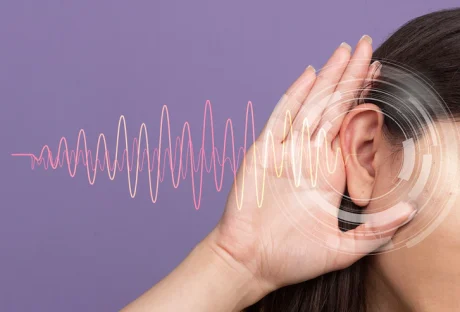













5 Ways To Get Healthier In The New Year

Published on: 21 January 2020 Last Updated on: 14 August 2021
healthier

Every year, millions of Americans swear to themselves they are going to be healthier in the new year. In keeping with this tradition a “New Year’s Resolution” is promised and they began to become excited about the new changes about to happen in their lives. Sadly, by February 14th, 80% of these new promises are abandoned and people return to their old habits and old life.

If you are someone who has made a New Year’s Resolution this year, then you must first understand that nothing will change unless you are ready to make a change. It doesn’t matter how big the promise you made to yourself is, if you’re not dedicated and consistent, nothing will happen. However, this year is different. For once, you’re not going to be merely a statistic.

You are going to advance your promise and build on a new life and a new you. If you are ready to take on the challenge, more than likely, you have committed to becoming healthier in some form or fashion this year. If this is true, you will need a jumpstart on your progress to get your body back on track. Here are five ways you can use to get healthier in the new year and become that person you’ve always wanted to be.

5 Ways To Get Healthier In The New Year:

#1- Eat The Right Foods

Healthy foods

The very first thing you have probably noticed about your New Year’s Resolution in being more healthy is that the foods you used to eat no longer apply to you. When you begin to understand that the majority of your health and how you feel originates from the foods you eat, you begin to realize that there are a lot of options you have been including that shouldn’t be there.

First and foremost, you need to do an account of your cupboard and refrigerator. Throw out all of the processed foods, foods with high sugar and high-fat content. Throw out the sodas and minimalize your caffeine intake.

Remember, everything you put into your body is going to be converted into something. It will either be converted to fat or metabolized into energy and picking the right fuel for your body is essential.

Make sure to include foods that have leafy greens and other vegetables, legumes, nuts, and foods that are high in protein and still lean. Some of the best foods that fit these criteria are fish like salmon. Each of these options is going to help your body get back on track and allow you to get the most out of every meal you eat.

One of the biggest failures in a diet plan is that plenty of people know they need to diet, but they fail to plan it out. Don’t forget about planning. This is where you consider all of your meal options for the week.

Eventually, time will get away from you at some point during the week and you will be tempted to drive through a fast-food restaurant. Proper planning can help you avoid this catastrophe. Get the right foods by thinking smartly.

#2 – Do A Detox

Some people have learned that one of the best ways to get your body back on track to being more healthy is by doing a detox regime. If you have eaten processed foods, high fat, plenty of sugar, or anything negative like this, a detox will help your body flush out all of these unwanted materials so you can start fresh.

There are many kinds of detox programs that you can try. Take some time to learn about each one so you can be educated enough to pick the one that is correct for your body. Look at the testimonies of every customer to determine which program would be the most beneficial for you.

When you’re looking for a detox, try to stay as organic and natural as you can. Don’t consume anything that has chemicals or harsh substances in it because the purpose is to get these unwanted materials out of your body, not put more in.

#3 – Try Herbal Health For Once

When you begin to realize that organic and natural solutions are the best route to take for brand new health this year you start to understand that plants can provide the most benefit for your body.

When you think of health and wellness, you should think of wholeness. If your body looks great but your mental state is suffering, you’re not healthier. Since your mind is part of your body, don’t forget to include this important muscle in your routine. Herbal remedies are the best option for your mind as it responds better to botanical solutions.

For instance, pure natural CBD oils are some of the best remedies you can use to provide homeostasis for both your mind and your body. It has been said that CBD oil can help with cognitive function, provide a feeling of balance, helps with pain and inflammation, aids in PTSD and depression, and much more.

Your mind is an important aspect of your health and many people disregard this aspect of their wellness. Herbal health is an important aspect of overall wholeness because it includes every aspect of your life – your mind and your body and that’s important.

#4 – Get A Healthy Gut

Did you know that the gut microbiome plays a very important role in your overall health? That is why you must always consider gut health when you are adopting new routines in your daily diet. The gut is a crucial system of the body because it helps your system break down food and metabolize energy. This is only a small portion of what the gut is responsible for, however, at times people can have problems with their gut which can lead to bigger issues later. Issues like yeast overgrowth are a common problem that occurs. It is imperative to manage issues like yeast overgrowth and maintain harmony within the digestive system.

When it comes to gastrointestinal health in the twenty-first century, many people are becoming more educated about how to use preventive measures to keep a healthy gut. They understand the symptoms of GI conditions and can monitor these changes periodically. However, one of the most important parts of this process is to include a functional medicine doctor like a chiropractor into your monthly routine to ensure gut health.

Symptoms of poor gut health could be constipation, irritable bowel syndrome, colitis, and much more. If you feel like you have one or more of these conditions in your gut, it is important to consult your primary functional medicine practitioner to develop an ongoing process to keep these symptoms at bay. Just because you have some or all of these ailments doesn’t mean your body cannot be healthier in the new year. It just means you need to be more proactive with your body in order to ensure better gut health. When your gut is happy, your entire body functions properly and the way it should.

#5 – Drink More Water

One of the most commonly known facts about health is how we should all be drinking more water. Make sure you’re getting your eight cups every day. Everyone already knows this, however, it is one of the easiest things to forget about. You can become consumed by exercise and diet and forget some of the simplest things for your health.

Essentially, water is needed to carry oxygen throughout the body. It helps with a massive amount of wellness-related items in your body and when you decline your body of this much-needed asset, you suffer the consequences. Make sure you are getting your daily amount of water every day, and make sure this water is filtered goodness, not that town stuff that is full of fluoride.

Be Who You Know You Can Be

If you are considering a healthier in the new year, then you probably already know how difficult it can be to make these changes happen. The one thing you should focus on is small goals and meeting those goals every week in order to be healthier in the new year.

So many people push themselves to lose 100 pounds in the first month, and then they fail so they give up. Aim small, miss small and that is the key to changing your lifestyle so you can be who you know you can be in your life. You must get healthier in the new year with the above tips.

Read Also:
Content Rally wrapped around an online publication where you can publish your own intellectuals. It is a publishing platform designed to make great stories by content creators. This is your era, your place to be online. So come forward share your views, thoughts and ideas via Content Rally.

View all posts

Leave a Reply

Your email address will not be published. Required fields are marked *

Related

Cocaine Addiction In Canada A Growing Crisis

Cocaine Addiction In Canada A Growing Crisis

In recent years, Canada has been grappling with a growing crisis that has far-reaching consequences for individuals and society as a whole - cocaine addiction. This pervasive issue has taken root in various regions across the country, affecting people from all walks of life. In this article, we will delve deep into the world of cocaine addiction Canada, exploring its causes, effects, treatment options, and the road to recovery. Understanding Cocaine Addiction The Rise Of Cocaine In Canada Cocaine, a powerful stimulant derived from the coca plant, has been on the rise in Canada. It is a highly addictive substance that can be consumed in various forms, including powder and crack cocaine. The affordability and accessibility of cocaine have contributed to its increasing prevalence in Canadian cities. The Demographics Of Cocaine Addiction Cocaine addiction knows no boundaries. It affects individuals of all ages, genders, and backgrounds. We will take a closer look at the demographics of those most at risk and explore the factors that make certain groups more vulnerable to addiction. The Causes And Effects Of Cocaine Addiction The Root Causes Cocaine addiction often stems from a complex interplay of factors. We will examine the underlying causes, including environmental, genetic, and social factors that contribute to the development of addiction. Physical And Psychological Effects The effects of cocaine addiction are far-reaching and devastating. From physical health problems to psychological issues, we will explore the toll that cocaine takes on an individual's well-being. Seeking Help: Treatment And Recovery Recognizing The Signs It is crucial to recognize the signs of cocaine addiction early on. We will provide insights into the behavioral and physical indicators that can help loved ones identify when someone is struggling with addiction. Treatment Options Recovery from cocaine addiction is possible, but it's not an easy journey. We will discuss the various treatment options available in Canada, including therapy, support groups, and rehabilitation centers. The Importance Of Support Systems Recovery is often bolstered by a strong support system. We will emphasize the role of family, friends, and community support in helping individuals overcome cocaine addiction. Road To Recovery Overcoming Relapse Relapse is a common part of the recovery process. We will provide strategies for individuals to navigate relapse and continue on their path to a cocaine-free life. Rebuilding Lives Recovery from cocaine addiction is not just about quitting the substance; it's about rebuilding one's life. We will discuss how individuals can regain their physical and mental health, relationships, and overall well-being. Cocaine addiction is a pressing issue in Canada that demands attention and action. It affects not only the individuals caught in its grip but also their families and communities. By understanding the root causes, effects, and available treatment options, we can work towards a brighter, addiction-free future. Read Also: 10 healthy Habits to improve your health How To Take Care Of Your Mental Health Living Healthily | Six Crucial Lifestyle Tips for College Freshmen

READ MOREDetails
Mental Health Counseling

Exploring Mental Health Counseling: Issues Addressed

Mental health care has become an important aspect of healthcare today. There are several ways now that existing mental health issues can be minimized or eliminated, as the case may be. Every day, government officials, healthcare providers, private organizations, and individuals are taking up new responsibilities to promote mental health care. At the core of it is mental health counseling, which goes a long way in providing professional services to patients with mental issues affecting their lives. If you’re wondering what mental health counseling entails and the category of issues it can address, here’s what you need to know. What Is Mental Health Counseling? Mental health counseling comprises the services that trained professionals provide for clients who require help dealing with various issues affecting their lives. Professionals ranging from licensed counselors, psychologists, and nurses to social workers within the government, social services, or private spaces can provide these counseling services. The American Psychological Association provides that these issues can include personal challenges that cut through the behavioral, emotional, vocational, marital, educational, or rehabilitative spheres. When it comes to mental health counseling, there are various techniques available to provide these essential services. Among them, psychotherapy stands out as a major approach, concentrating on the diagnosis and treatment of mental health concerns through thorough research, assessment, and clinical intervention. Once a clinical diagnosis is established, the necessity for treatment becomes apparent. A mental health counselor is different from other categories of counselors. These counselors seek ways of providing holistic solutions that tackle the different challenges to mental health and work with a wide range of patients from day to day. Counselor Vs. Therapist It’s important to differentiate between these two terms, as they typically mean the same thing. The major difference between the two is the training, licensing, and treatment methods that they undergo. These elements will influence the type of experience the professionals have and the types of results they see. They are also similar in a number of ways, as they both use talk therapy when handling patient issues. However, talk therapy for therapists is more regulated than that for counselors. Although a master’s degree is not compulsory for mental health counselors, most employers tend to focus on candidates with graduate degrees and adequate experience. A mental health counseling online degree from American International College can equip you with the appropriate skills and guidance needed to navigate the sensitive situations in a mental health counseling role. Both categories are also required to be licensed to be able to practice. The Scope Of Practice Of Mental Health Counseling If you are considering a career in mental health counseling, you may also want to know its scope of practice. Mental health counselors typically work with clients to manage issues such as stress, anxiety, and depression. This type of counselor also focuses on general therapy, ensuring that their patients can navigate a wide range of emotional and psychological issues. As a mental health counselor, you will assist individuals in dealing with their everyday challenges, such as handling stressful situations, communicating better, and improving their relationships. Mental health counselors use talk therapy as a major tool for handling situations. Talk therapy involves open and compassionate conversations that help clients better understand their thoughts, feelings, and behaviors. All of these end goals are simply to promote personal growth and well-being. In addition to the requisite education and training, several jurisdictions require mental health counselors to pursue additional training to understand the administration of psychometric assessments and tests during practice. One important thing to note about mental health counselors is that they are usually ruled out of performing cognitive testing and can only perform specific assessments under strict conditions, such as under the supervision of a licensed clinical psychologist. Mental health is an essential aspect of our lives, and adequate attention should always be paid to it. For this reason, mental health counselors are important because they can help to bring relief when it becomes difficult to maintain our mental health on our own. Mental health counselors not only help people when they are experiencing general mental health issues, such as depression, eating disorders, anxiety, ADHD, OCD, bipolar disorder, dementia, and personality disorders, but they can also help a range of patients deal with several other conditions. Addiction And Substance Abuse Drinking too much alcohol, using illicit drugs, overusing prescribed medications, gambling addiction, and sex addiction are some of the major abuse and addiction problems that counselors can help individuals to manage. Adjusting To Major Life Changes Mental health counselors can also help patients navigate life changes such as a loss, a move, divorce, or recovery from a major illness. Dealing with these issues may take a toll on the mental health of those involved and without tell-tale signs sometimes. Stress And Trauma Counseling can help individuals who are experiencing stress related to work, relationships, or other life events. They can also help those who have experienced a traumatic event, such as physical or sexual assault, domestic violence, or natural disasters. Conclusion Mental health counseling can be a highly rewarding profession for anyone to pursue. Today, the need for clinical mental health counselors has risen drastically. If you are thinking of pursuing a career in this field, why not look into enrolling in a course such as a mental health counseling degree? Read Also: 10 healthy Habits to improve your health How To Take Care Of Your Mental Health Living Healthily | Six Crucial Lifestyle Tips for College Freshmen

READ MOREDetails
Misconceptions About Medication Assisted Treatment Programs

Common Misconceptions About Medication Assisted Treatment Programs

If you or a loved one is struggling with substance abuse, you may have heard about medication assisted treatment programs as a potential tool for recovery. However, many misconceptions and myths surrounding these programs can prevent people from seeking the help they need. Moreover, this blog post will address some of the most common misconceptions about medication-assisted treatment programs and provide evidence-based information to help set the record straight. What Are Medication Assisted Treatment Programs? First, let's define what we mean by "medication-assisted treatment program." Medication-assisted treatment (MAT) is a holistic addiction treatment. It uses medications, counseling, and behavioral therapies to help people with substance use disorders (SUDs) achieve and maintain recovery. The medications used in MAT are approved by the FDA. These medications are safe and effective for treating substance use disorders. Some medications commonly used in MAT include methadone, buprenorphine, and naltrexone. MAT is a proven, effective medication assisted treatment for addiction. However, many people don't have access to quality care. Confidant Health is changing that. Confidant provides expert help for medication assisted treatment through our confidential and discreet app. Now, let's address some of the common misconceptions about MAT programs. Before searching for medication assisted treatment near me, it will be better to see which are the best nearby locations from your place. Misconception 1: Medication-Assisted Treatment Programs Are Just Substituting One Addiction For Another One of the most persistent misconceptions about medication-assisted treatment programs is that they substitute one addiction. The idea is that medications like methadone and buprenorphine replace one drug with another, and people who use them are not "sober." FACT: This is a misunderstanding of how medication-assisted treatment programs work. The medications used in medication assisted treatment are carefully prescribed and monitored by trained healthcare professionals. They help manage withdrawal symptoms and reduce cravings, which can be powerful triggers for relapse. Additionally, the medications used in MAT are designed to be long-acting. This means they do not produce the same "high" that people experience when using drugs like heroin or prescription opioids. This makes it less likely that people will misuse the medications or become addicted to them. Research has consistently shown that medication-assisted treatment programs effectively reduce drug use and improve outcomes for people in recovery. The National Institute on Drug Abuse (NIDA) notes that MAT "can help sustain recovery." Misconception 2: Medication-Assisted Treatment Programs Are Not Effective Another common misconception about medication-assisted treatment programs is that they are not effective. Some people believe that medications are just a "band-aid" solution that does not address the underlying issues contributing to addiction. FACT: Studies have shown that medication-assisted treatment programs can significantly improve outcomes for people with opioid use disorders. For example, a 2018 study published in the Journal of Addiction Medicine found that people who received medication assisted treatments were more likely to remain on the treatment and achieve abstinence from opioids than those who did not receive any treatment and medication. Moreover, opioid use disorder medication is often used with counseling and behavioral therapies, which can help people address the underlying issues that contribute to addiction. Medication-assisted treatment programs can help people achieve and maintain recovery by providing a more holistic approach to treatment. Misconception 3: Medication-Assisted Treatment Programs Are Just A Way For Drug Companies To Make Money Another common misconception about medication-assisted treatment programs is that they are just a way for drug companies to make money. Some people believe that the medications used in medication assisted treatment are overpriced and that the programs are being promoted by pharmaceutical companies solely for profit. FACT: This is not an accurate portrayal of medication-assisted treatment programs like the 15-minute4me test. While it is true that pharmaceutical companies manufacture the medications used in MAT, they are not exclusively used for addiction treatment. Many medications used in MAT also have other medical uses. Furthermore, the cost of medication-assisted treatment programs can be offset because they are often less expensive than other types of addiction treatment. For example, inpatient rehab programs can be costly, whereas medication-assisted treatment can be provided on an outpatient basis, which can be more affordable. Misconception 4: Medication-Assisted Treatment Programs Are Just A Way To Get High Legally Some people believe that medication assisted treatment programs are just a way to get high legally. They may think that the medications used in MAT produce a similar euphoric effect as illegal drugs and that people are just using them to continue their addiction in a more socially acceptable way. FACT: As we mentioned earlier, the medications used in MAT are designed to be long-acting and do not produce the same "high" as drugs like heroin or prescription opioids. While it's true that some people may misuse their medications or use them in ways that are not prescribed, this is not the norm. Additionally, healthcare professionals will closely monitor people participating in medication-assisted treatment programs. They can detect any misuse or diversion of medications. If someone misuses their medications, they may be tapered off or removed from the program. Dispelling Misconceptions About Medication-Assisted Treatment Programs: Why They Are a Valuable Tool for Substance Abuse Recovery Medication assisted treatment programs are a valuable option for addressing substance abuse. It can help people achieve and maintain recovery from this debilitating condition. Unfortunately, there are misconceptions and stigmas surrounding these programs. These misbeliefs can prevent individuals from seeking the appropriate help they need. However, we can help break down these barriers by understanding the facts about MAT programs. We’ll be able to ensure that everyone who needs help for substance abuse can access the right care. Remember, medication-assisted treatment programs are an evidence-based approach to addiction treatment. It is a science-backed treatment option that can help improve outcomes and save many lives. Medication-assisted treatment programs are valuable for addressing substance abuse. And helping people achieve and maintain recovery. Unfortunately, many misconceptions and myths surrounding these programs can prevent people from seeking the help they need. Bottomline By understanding the facts about medication assisted treatment programs, we can help break down these barriers and ensure that everyone who needs help for substance abuse can access the care they need. Remember, medication-assisted treatment programs are an evidence-based approach to addiction treatment that can help improve outcomes and save lives. Additionals: Overcome Addiction in California 4 Tips To Find An Effective Drug Therapy 3 Key Steps Of Addiction Treatment To Help You Get Sober

READ MOREDetails